








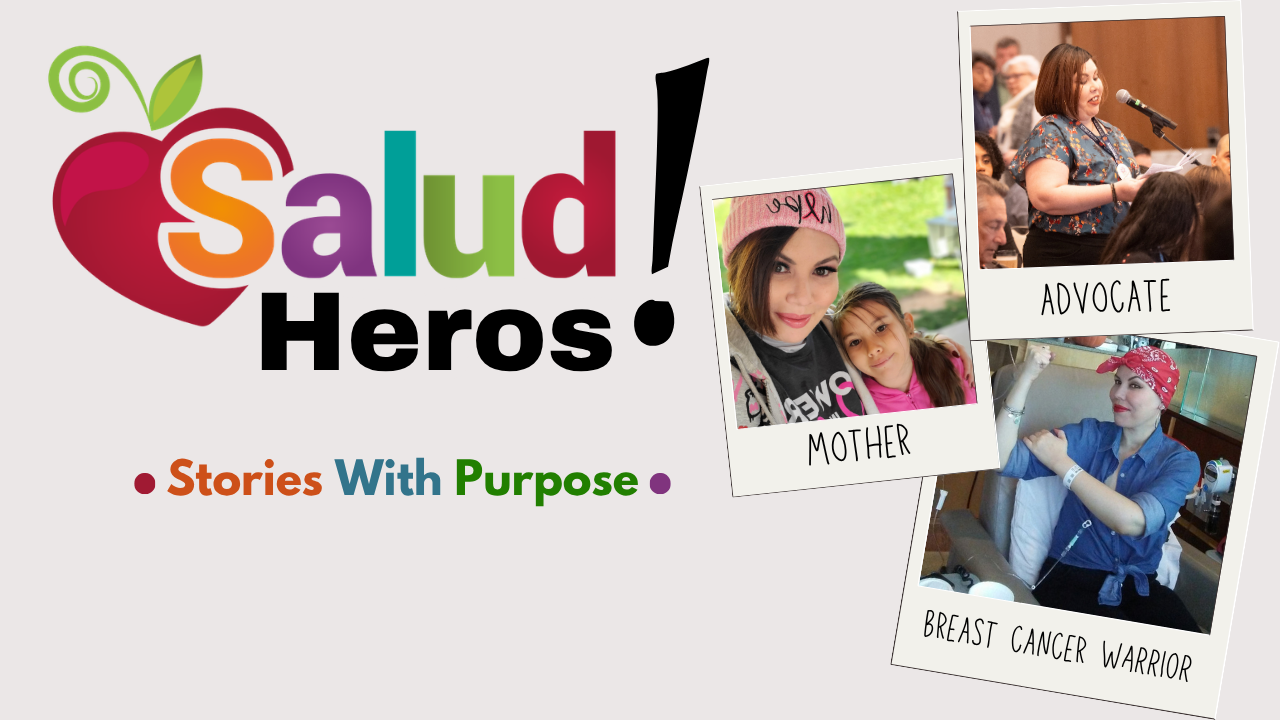
For many patients, the narrative of a breast cancer diagnosis follows a predictable, albeit terrifying, script: a routine self-exam reveals an unexpected lump, a quick trip to the doctor confirms the suspicion, and the medical journey begins immediately. But for Deb Blake-Ontiveros, the path to her diagnosis was neither straightforward nor swift. It was a harrowing, multi-year ordeal complicated by medical dismissal, socioeconomic hurdles, preexisting mental health conditions, and the relentless demands of single motherhood.
Today, Blake-Ontiveros is refusing to let her experience remain isolated in the shadows. As a participant in the Latino Cancer Patient Advocate Training Program, she is using her voice to dismantle the compounding stigmas surrounding cancer, mental illness, and minority health disparities. Her journey underscores a broader, often overlooked reality in modern medicine: that for young Latinas and individuals managing mental health conditions, receiving timely, empathetic care can be an uphill battle where symptoms are frequently minimized and diagnoses arrive dangerously late.
A Mother’s Busy Life Meets Medical Dismissal
The story of Blake-Ontiveros’s diagnosis dates back to 2016 in Salt Lake City, Utah. At the time, she was navigating the intense, high-stakes world of being a single mother to a two-year-old child. Her days were a blur of intense multitasking—balancing motherhood, mental illness, community organizing and rallies, building friendships, and managing an ongoing custody battle. She frequently stepped up as a community leader, helping others navigate complex social systems and secure vital resources. Yet, through all the chaos, her daughter remained her absolute north star.
"I felt like a super mom. That was my whole concentration all the time. Everything else came second," Blake-Ontiveros recalled.
While she was pouring her energy into sustaining her family and community, her body began sending warning signals. While breastfeeding her daughter, Blake-Ontiveros discovered a lump in her right breast. Trusting the healthcare system, she promptly scheduled an appointment with her primary care physician, an older male doctor who had guided her smoothly through her pregnancy and whom she trusted implicitly.
Instead of ordering immediate imaging or a biopsy, however, the physician dismissed the finding. Given her young age and the fact that she was breastfeeding, the doctor attributed the lump to a clogged milk duct and diagnosed her with mastitis, a painful inflammation of the breast tissue.
Looking back, Blake-Ontiveros recognizes the intersection of systemic vulnerabilities that likely contributed to her dismissal. As a young woman of color on Medicaid, she felt the subtle yet heavy weight of institutional barriers stacked against her. Trusting her doctor’s medical authority, she accepted the diagnosis and continued with her life, assuming the issue would resolve itself.
Instead, two years passed with the lump stubbornly remaining in place. Consumed by the daily pressures of raising a toddler, preparing for preschool, and keeping her household afloat, she inadvertently pushed her own health into the background. It wasn’t until she began dating again that a new partner noticed the lingering abnormality and urged her to seek a second opinion, sharing that a friend of his had previously lost her life to breast cancer.

The Delayed Diagnosis and Shifting Realities
Prompted by her partner’s concern, Blake-Ontiveros scheduled an appointment with a female physician who immediately recognized the gravity of the situation during a physical examination. The referral chain moved quickly from there, leading to a diagnostic mammogram and, ultimately, a painful biopsy.
Sitting alone during her first biopsy, gripped by fear and overwhelming anxiety, Blake-Ontiveros found herself compartmentalizing her terror. Her primary concern wasn’t the agonizing medical procedure itself; rather, she was consumed with worry over whether her daughter would be picked up from school on time and whether the child would be safe. Just two days later, while boarding a train on her way to a parent-teacher conference, she received the devastating phone call confirming that the lump was breast cancer. At just 37 years old, her life shifted irrevocably in a matter of seconds.
The initial shock was compounded by the terrifying prospect of chemotherapy, a treatment option that triggered profound anxiety due to her preexisting mental health condition, bipolar disorder. Terrified of the physical toll of chemo, she initially sought alternative, natural remedies, hoping to find a holistic cure that would allow her to bypass conventional oncology treatments.
However, before her self-granted grace period for natural alternatives could yield answers, a subsequent PET scan revealed a far more aggressive reality. The cancer was metastatic, having already spread extensively to her lymph nodes, her lungs, and deep into her central chest cavity.
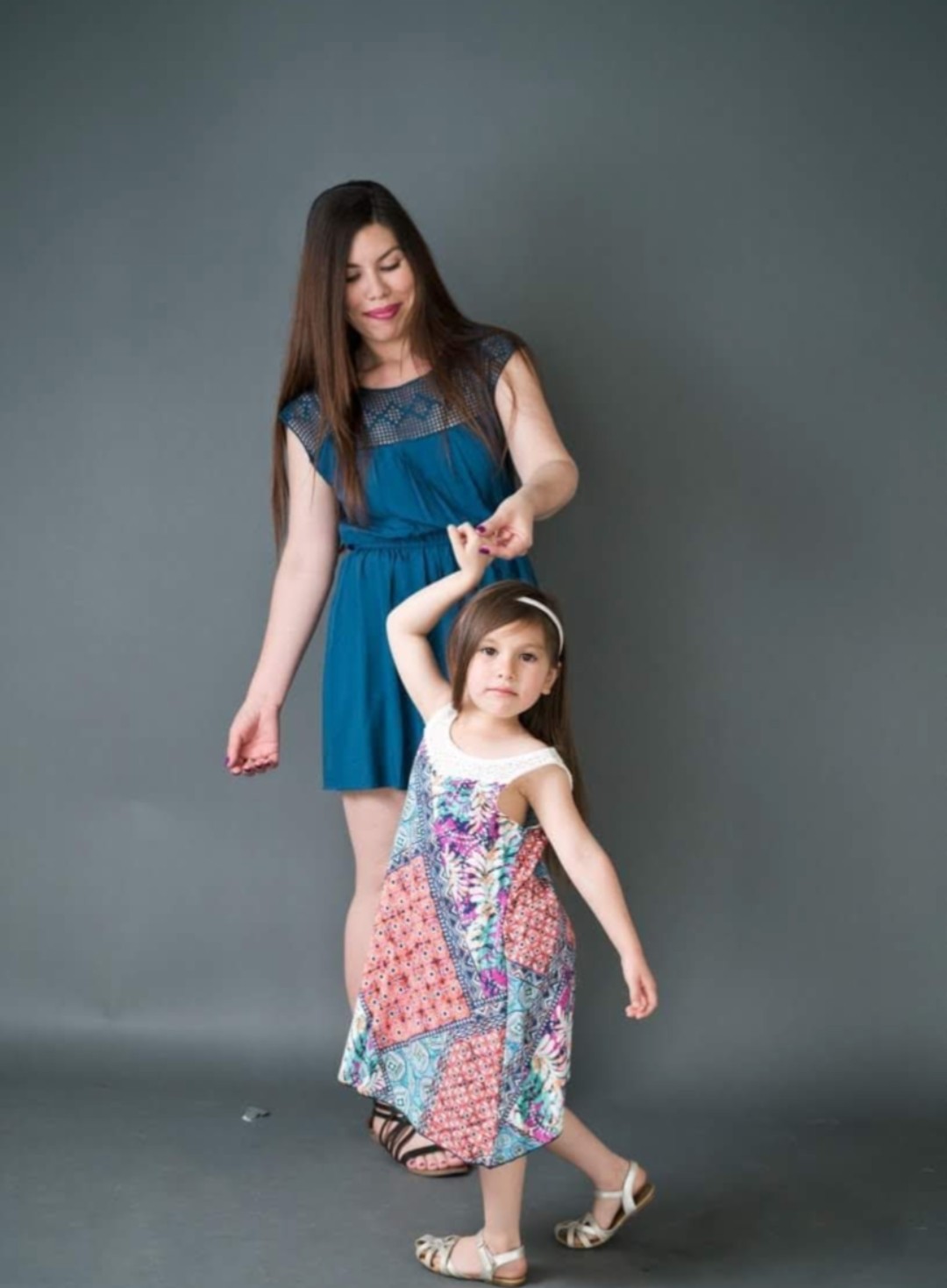
"I was just like a Christmas tree up in the chest area," Blake-Ontiveros confessed, noting that at the time, she didn’t fully comprehend the grave implications of a metastatic diagnosis. Propelled once again into a manic "Super Woman" mode, she dove headfirst into what she calls her "hot chemo summer." By filling her days with poetry readings, motorcycle rides, social gatherings, and concerts, she managed to keep her mind occupied while the harsh medications worked to beat back the disease.
Within a few months, her scans came back clear. Overjoyed by the news of no evidence of disease, she believed she had completely conquered the illness. Her oncologist, however, quickly tempered her celebration, informing her that she would require maintenance infusions every three weeks for the remainder of her life. It was a jarring realization: being in remission did not mean being cured, and the shadow of cancer would permanently alter her lifestyle.
A Second Battle and the Fragility of Support Systems
Following her primary treatments, Blake-Ontiveros sought a fresh start by moving out of Salt Lake City and into a more rural part of Utah alongside her partner. As she adapted to a quieter environment far away from the bustling protests and community organizing of her past, she decided to channel her energy into a new direction: cancer patient advocacy.
Encouraged by her partner, who recognized her natural leadership and communication skills, she began working with organizations like Living Beyond Breast Cancer, contributing guest essays to digital health platforms like WebMD, and speaking publicly on panels about the realities of navigating a cancer diagnosis at a young age.
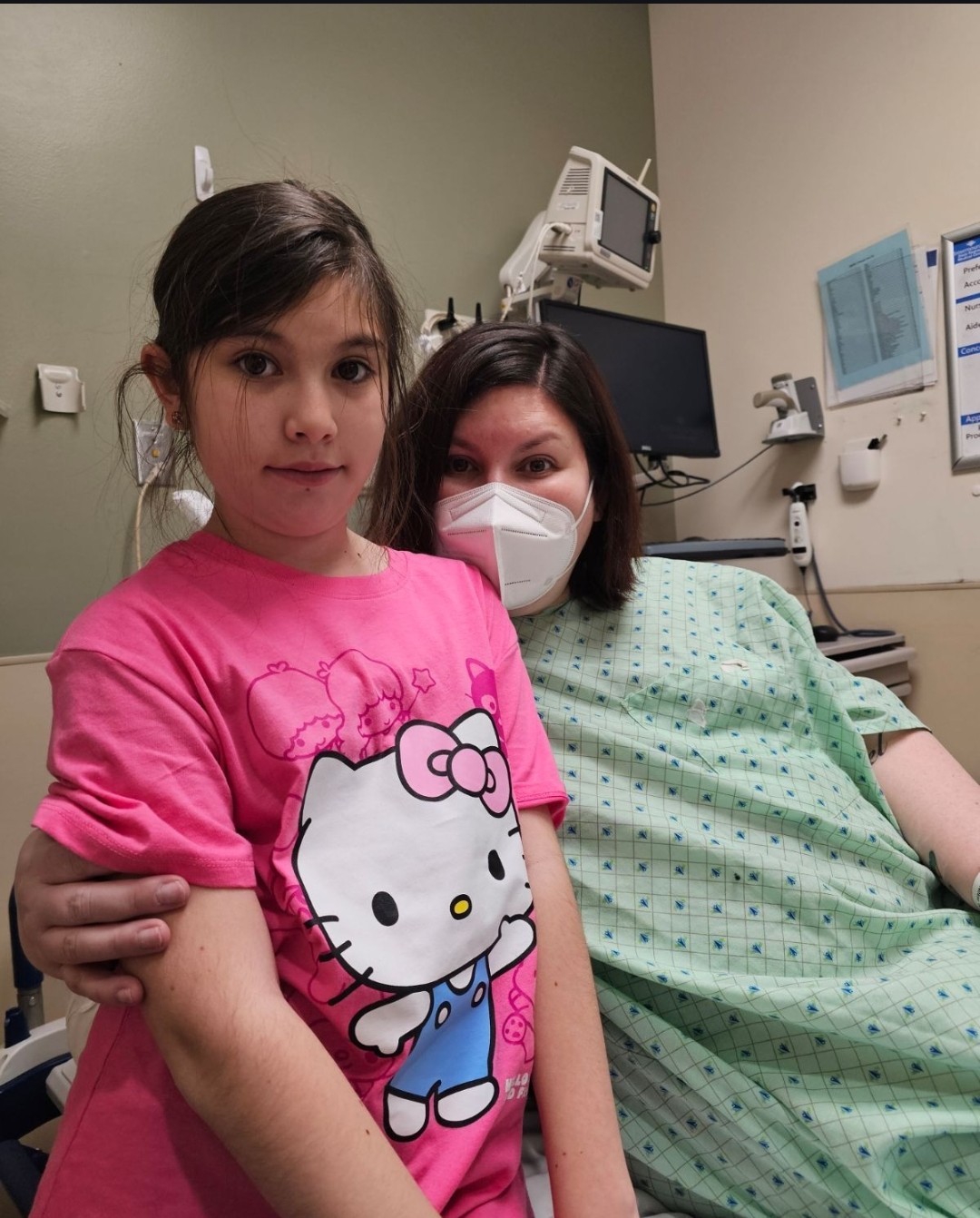
Just as she felt she had successfully built a stable, meaningful routine, life dealt her an unexpected blow. In 2023, during a routine self-examination on the first of the month, she detected a new lump in the exact same breast.
The subsequent mammogram, ultrasound, and biopsy confirmed an entirely unrelated stage 2-3 breast cancer diagnosis. While the biopsy environment was vastly different this time—surrounded by a supportive partner, a comforting hand to hold, and soothing music—the physical toll of the medical regimen remained painfully familiar. The chemotherapy, the debilitating sickness, and the inevitable hair loss returned like an unwelcome rerun of a tragic movie.
Unfortunately, the strain of witnessing her illness a second time proved too heavy for her partner. Unlike her first diagnosis, when they were in a long-distance relationship, her partner was now front-and-center for her daily physical struggles. The relationship ultimately dissolved, leaving Blake-Ontiveros to navigate a grueling cancer treatment regimen once again as a single mother.
The emotional fallout hit her young daughter hardest. Now older, her child began adopting caregiving responsibilities around the house to support her mother. It is a reality that deeply breaks Blake-Ontiveros’s heart, especially as she continues to battle chronic fatigue and lingering treatment side effects while raising her daughter alone.
Amplifying the Intersection of Cancer and Mental Health
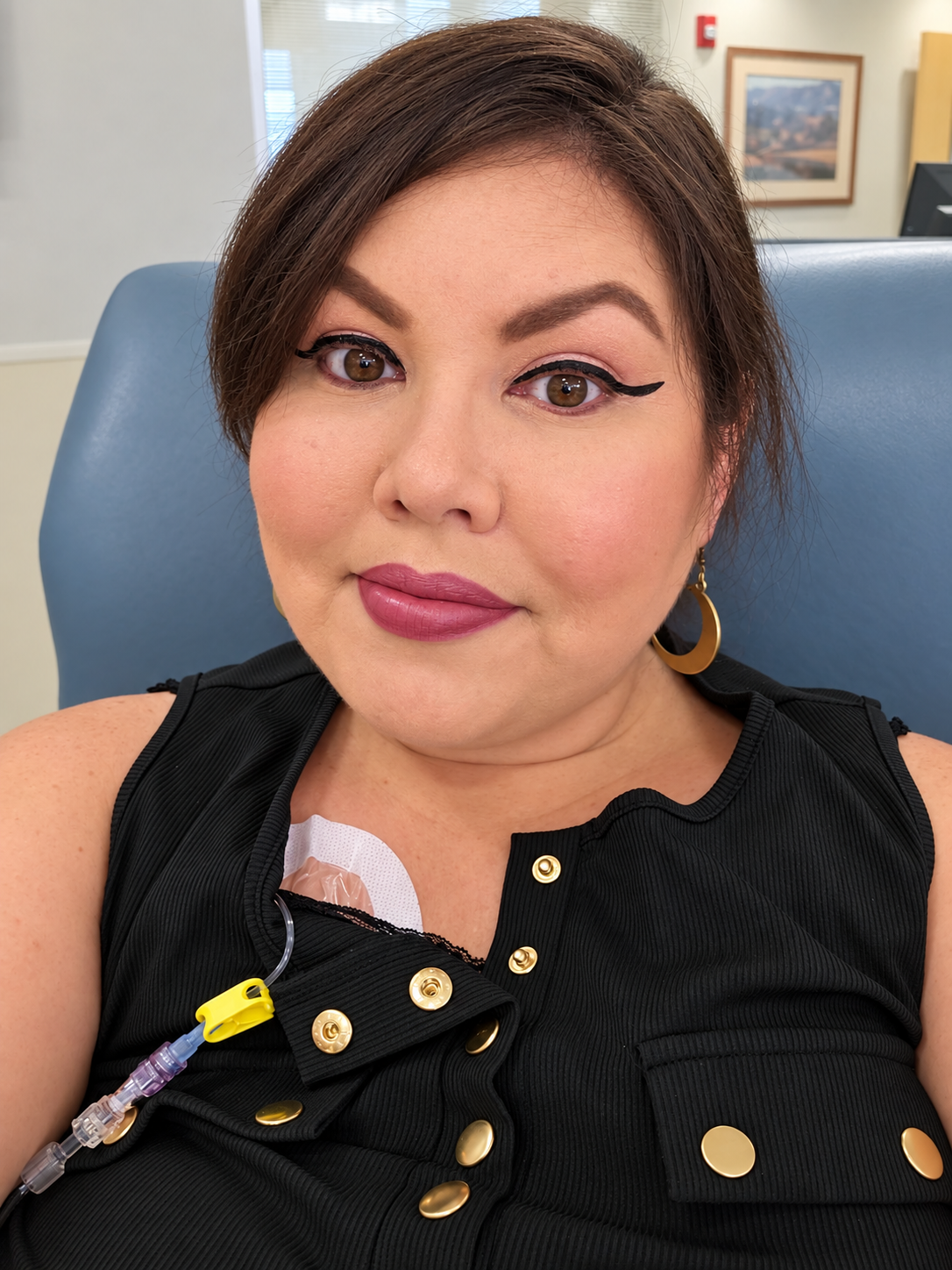
Despite the relentless physical and emotional hurdles she has faced over the past eight years, Blake-Ontiveros remains indefatigable. Her daily routine is a balancing act of school drop-offs, medical appointments, treatments, and persistent advocacy—both for her own healthcare needs and for the broader community of cancer survivors.
A central pillar of her advocacy work focuses on an often-neglected aspect of oncology: the intersection of cancer and mental illness. Blake-Ontiveros has been remarkably transparent about how her bipolar disorder shaped her emotional and physical coping mechanisms throughout her survivorship. While her mental health condition has occasionally presented profound hurdles, it has also forged a fierce resilience within her.
She points out that a cancer diagnosis is inherently traumatic, and the long-term psychological fallout can be just as debilitating as the physical symptoms. For marginalized populations, including Latinos, this burden is frequently compounded by deep-seated cultural stigmas surrounding mental health and illness. Within many families, including her own, cancer is often treated as a taboo or embarrassing secret rather than a medical condition demanding open discussion and community support.
Refusing to subscribe to this silence, Blake-Ontiveros speaks openly about her experiences, hoping to dismantle the stigma and encourage others to seek the psychological resources they desperately need.
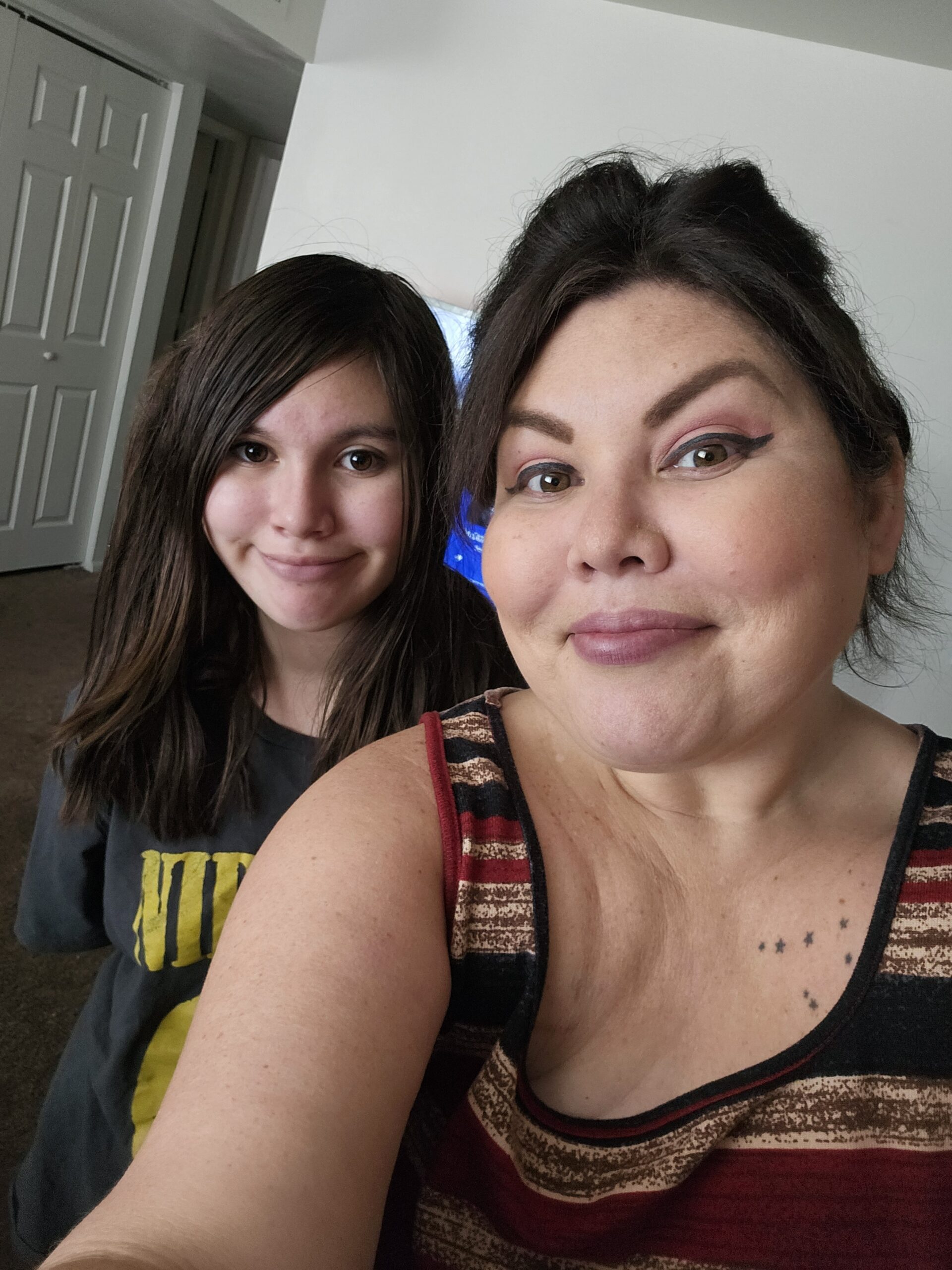
"I still want to keep talking about this. I still want to keep taking opportunities to educate and share my story," she affirmed. "My family acts like cancer is an embarrassing thing… I’m like, ‘This happened, and I don’t want it to happen to any other person in this family, so I’m going to talk about it, even if it makes you uncomfortable.’"
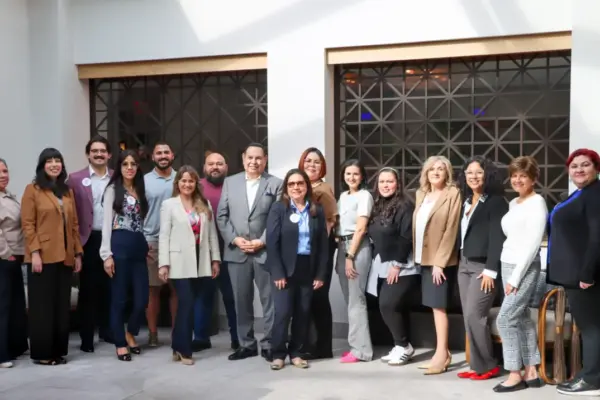
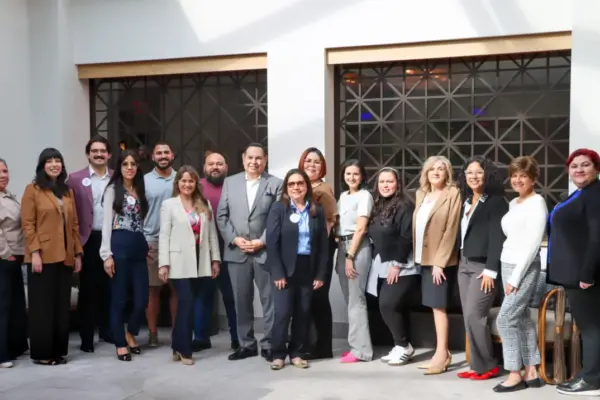
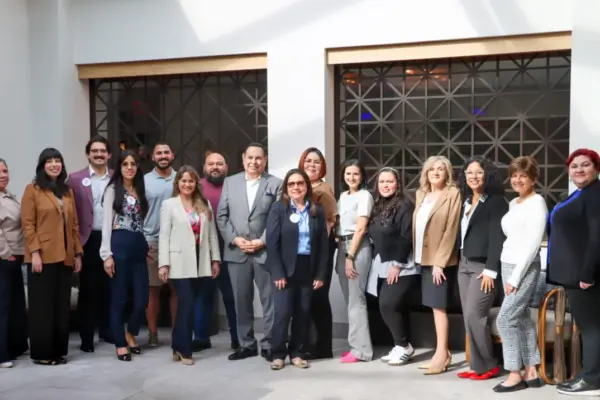
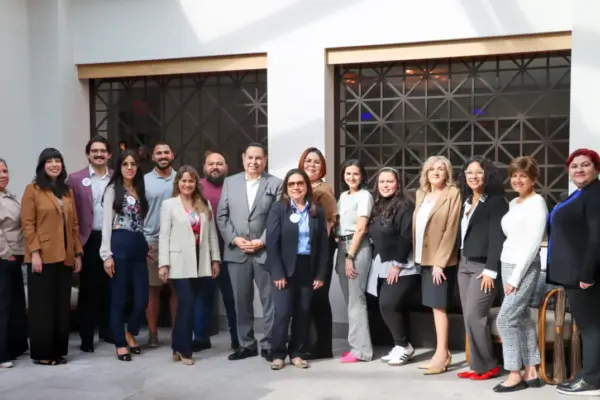
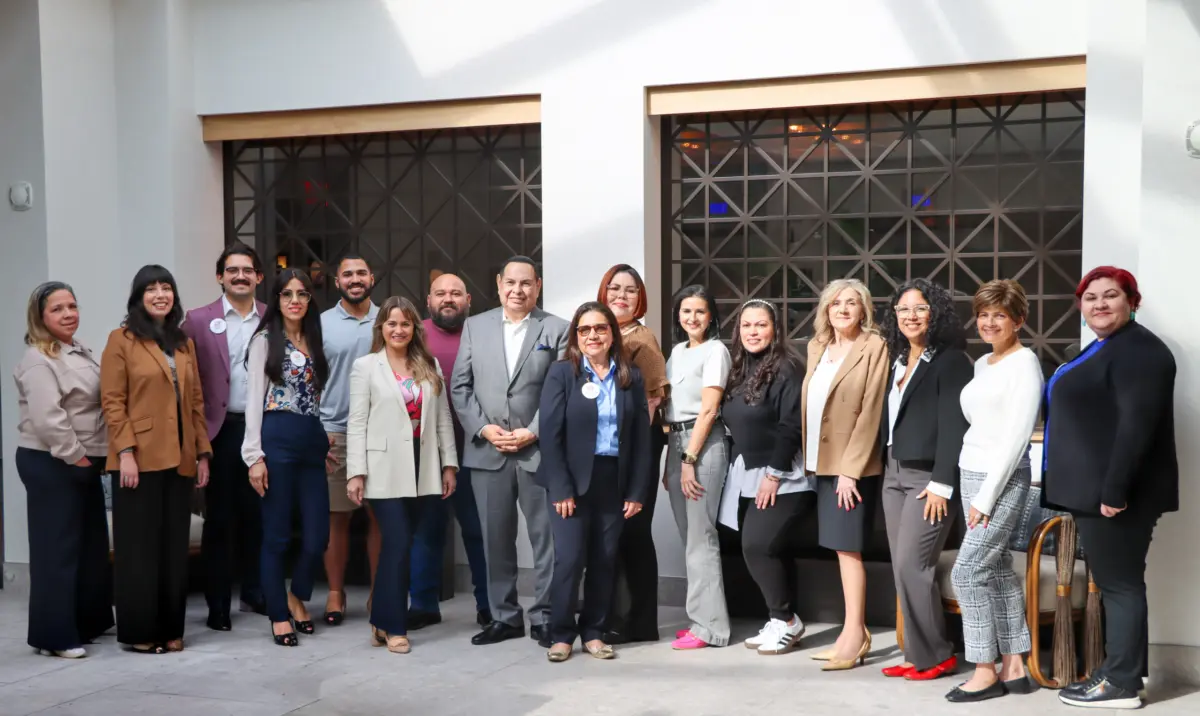
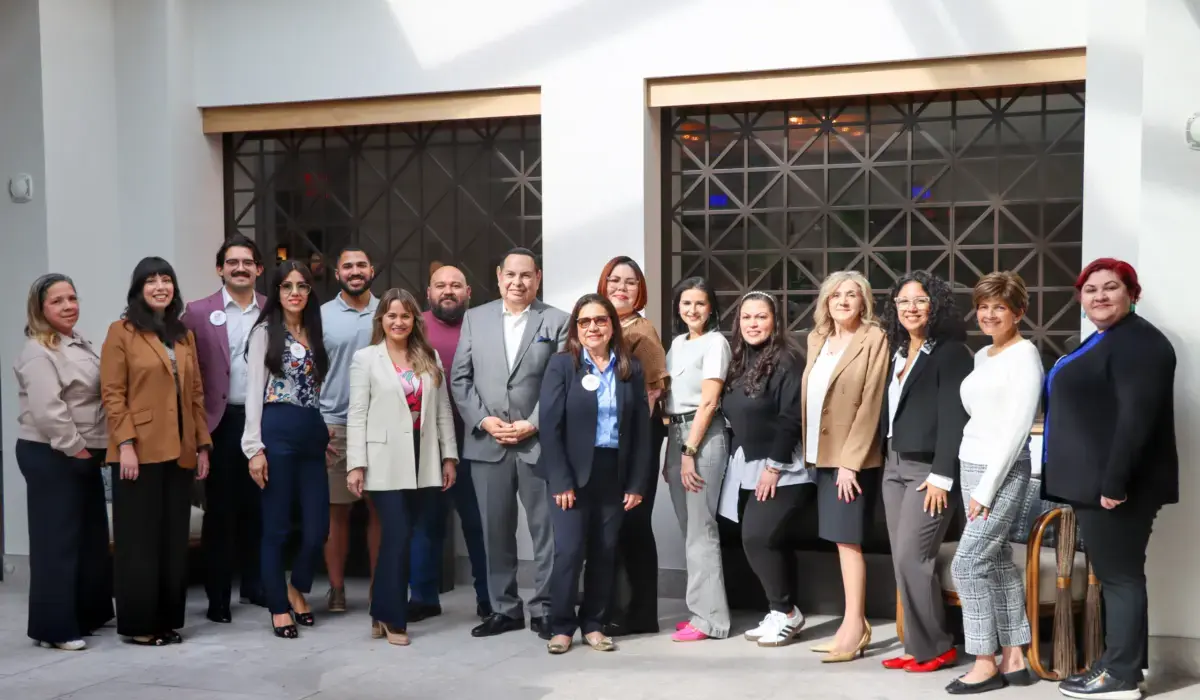
Her dedication recently brought her to the Latino Cancer Patient Advocate Training Program, an initiative designed to equip Latino cancer survivors with the tools, knowledge, and community networks needed to serve as effective patient leaders. Held ahead of the biennial Advancing Cancer Research for Latinos and All Populations Conference in San Antonio, Texas, the program brings together survivors to learn from medical experts and one another.
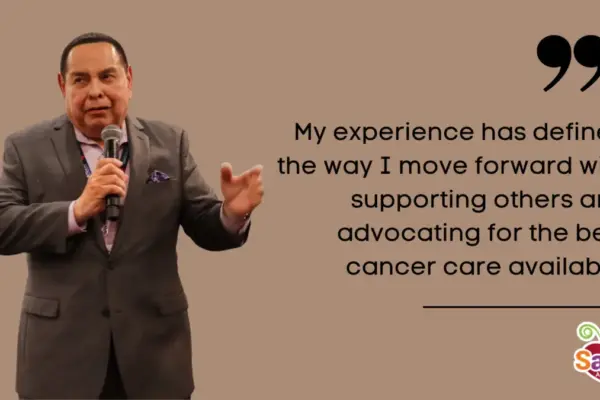
For Blake-Ontiveros, the overarching goal of her advocacy is simple: she wants to ensure that no patient feels invisible, particularly those grappling with the heavy combination of severe illness and complex mental health struggles. Armed with her lived experience and formal advocacy training, she continues to push forward, proving that while cancer has reshaped her life, it has not diminished her identity.
"I’m never going to stop being me," she vows. "Cancer will not change that about me. I will never stop being me, but I will adapt and keep adapting."