









If you are 45 or older, healthcare advocates and medical professionals say it is time to step up to the plate and address a critical health milestone: getting screened for colon cancer.
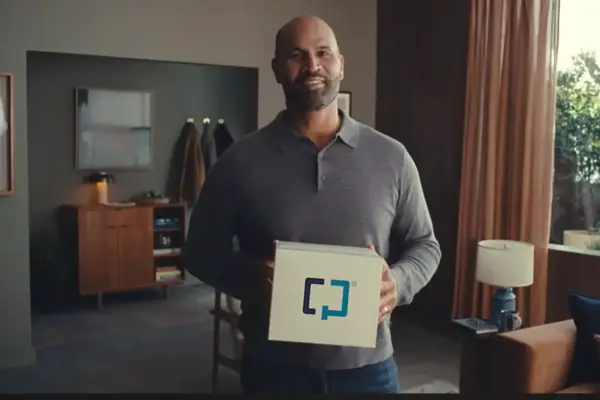
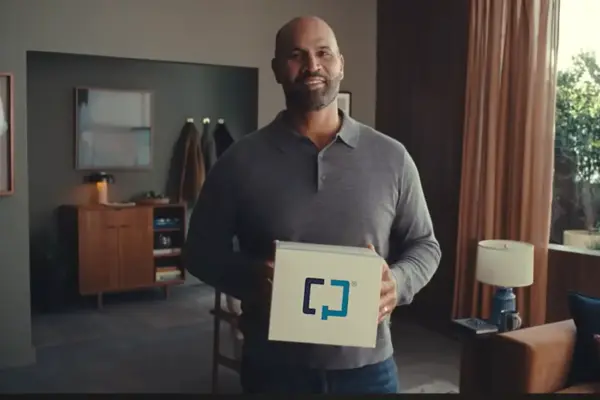
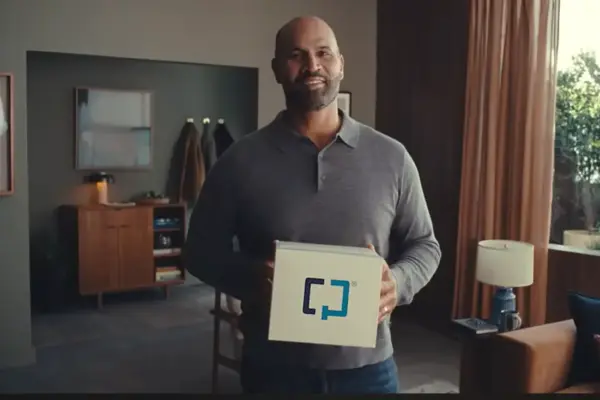
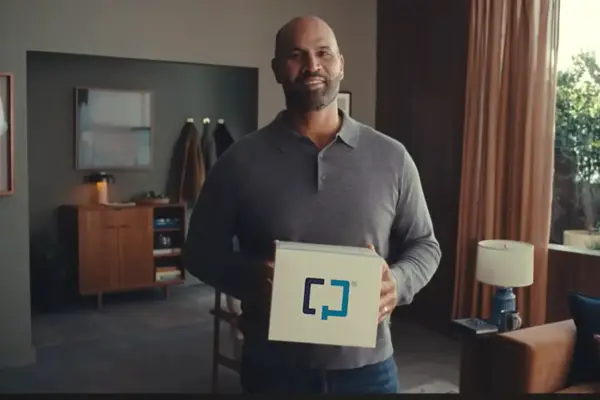
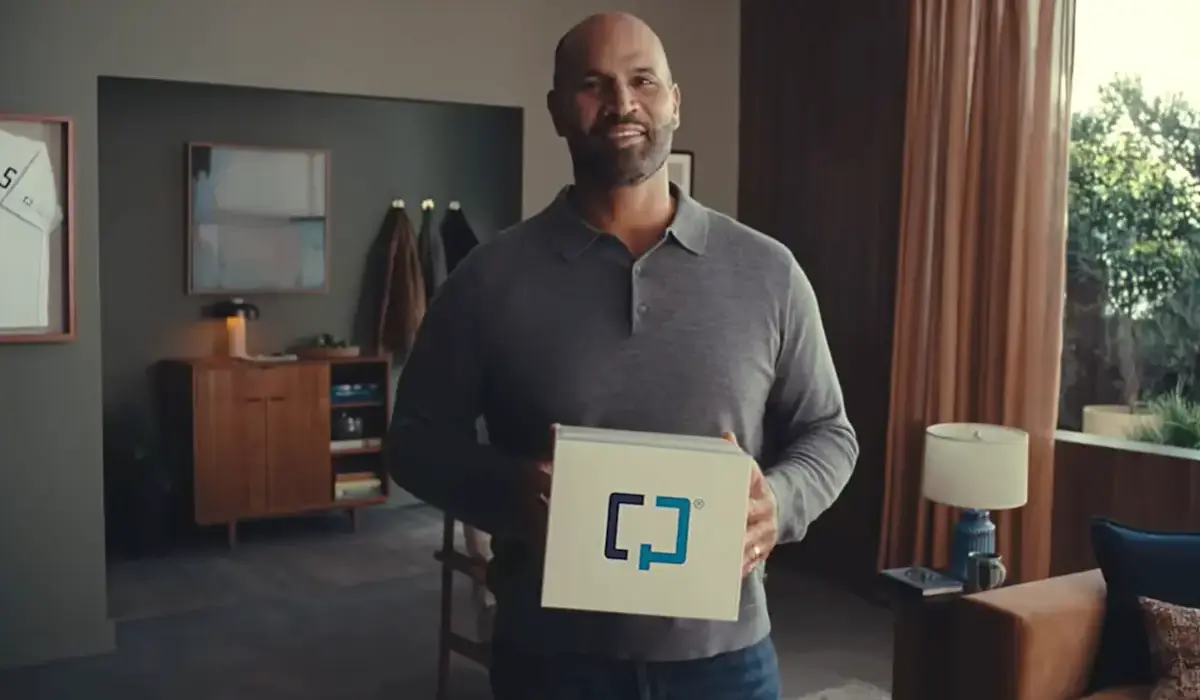
That urgent yet approachable message forms the core of a new, baseball-themed bilingual ad campaign launched by Abbott. Titled "Mind Your Behind," the campaign promotes the Cologuard Plus test, a non-invasive, at-home screening tool designed to detect colorectal cancer early. To drive the message home across diverse communities, the campaign features Major League Baseball legend Albert Pujols, who was born in the Dominican Republic, alongside current Seattle Mariners star catcher Cal Raleigh.
Healthcare leaders note that while the subject matter is undeniably serious, public health messaging does not always have to be intimidating. By injecting humor and cultural familiarity into the conversation, the campaign aims to break down the stigma associated with colorectal screenings and encourage proactive health management.
About the Baseball Campaign for Colon Cancer Screening
The "Mind Your Behind" campaign cleverly plays with a familiar dynamic in sports culture: the lighthearted fascination baseball fans often have with the athletic builds and backsides of players on the field. By leaning into this cheekiness, the campaign seeks to capture public attention and pivot it toward the potentially life-saving topic of colorectal cancer prevention.
Public health data underscores the urgency of such initiatives. Currently, nearly 60 million Americans remain unscreened for colorectal cancer, leaving a massive population vulnerable to a disease that is highly treatable when caught in its earliest stages.
Albert Pujols, whose illustrious career includes hitting 703 home runs in the major leagues, acknowledged that colorectal cancer is rarely a comfortable dinner-table topic. However, that exact discomfort is what motivated him to lend his voice and platform to the initiative. He noted that if a little humor can get people in their mid-40s and older thinking about screening and discovering an accessible test that fits seamlessly into their daily lives at home, it serves a profoundly positive purpose.
The campaign specifically highlights the Cologuard Plus test as a preferred stool-based screening option that adults can use once every three years, provided they are at average risk. The process is designed for convenience: individuals can complete the test at home in about 15 minutes, with no special preparation or dietary restrictions required, before sending it off to a laboratory for analysis.
Cal Raleigh, the hard-working catcher for the Seattle Mariners, echoed these sentiments, pointing out that the campaign offers a fun and effective way to redirect public attention from sports fandom to personal well-being.
Colon Cancer in Latinos
While colorectal cancer affects individuals across all demographics, the impact on specific communities demands targeted outreach and heightened awareness. According to health statistics, colon cancer stands as the second-leading cause of cancer death among Latino men and the third-leading cause among Latinas.
Geographic disparities further complicate the landscape. In Bexar County, Texas, for instance, more than half—specifically 57 percent—of colorectal cancers are diagnosed at a late stage, a rate significantly higher than observed in many other counties across the state. Late-stage diagnoses dramatically reduce treatment options and survival rates, making early detection paramount.
Medical experts emphasize that recognizing potential warning signs is crucial, though symptoms can often be misleading. Indicators of colorectal cancer include blood in the stool, persistent constipation, and abdominal pain. Unfortunately, these symptoms are frequently common to other, less severe ailments that are more commonly associated with younger individuals, sometimes leading patients and healthcare providers to overlook the possibility of cancer.
For public figures like Pujols, reaching this milestone age brings a heightened sense of personal responsibility. Taking care of his health has always been a priority, and now that he has entered his mid-40s, he notes that scheduling regular colorectal screenings is an essential part of that ongoing commitment.
Individuals looking to take charge of their health can request a kit and learn more about the screening process by visiting the official Cologuard website, with Spanish-language resources and information readily available through dedicated portals.
The Importance of Clinical Trial Participation
Beyond routine screenings, medical advancements depend heavily on research, making broader participation in clinical trials a vital component of community health. Diseases like cancer touch countless families, impacting beloved grandparents, mothers, fathers, and other cherished relatives.
Advocates point out that participating in clinical trials is a powerful way to fight for one’s family and community. Clinical trials are structured scientific studies that help researchers deepen their understanding of diseases, ultimately discovering ways to slow, manage, and treat conditions such as cancer, dementia, and other complex health issues for current and future generations. Without diverse volunteer participation, however, the benefits of these medical breakthroughs risk missing the communities that need them most.
Public health organizations continually encourage community members to explore local and national opportunities to get involved. Health advocates stress that clinical trial volunteers are not only investing in their own personal health outcomes, but they are also helping to construct a future featuring improved, more effective treatments that can safeguard their families down the road.
For residents seeking opportunities in the San Antonio area, the Mays Cancer Center at UT Health San Antonio maintains a searchable clinical trial database where individuals can review available studies and check eligibility criteria. On a national level, comprehensive listings of active studies and enrollment details can be accessed through federal clinical research databases. By bridging the gap between everyday health awareness and cutting-edge research, public health initiatives continue striving to protect communities and save lives.