







When Sandi Stanford was diagnosed with breast cancer in 1993, the medical landscape surrounding the disease looked vastly different from how it is viewed, treated, measured, and researched today. While remarkable innovations in medicine, science, and technology have driven much of that transformation over the past three decades, a far more powerful force was also steering the ship: the survivors themselves.
This new breed of cancer survivors refused to remain on the sidelines. Instead, they took it upon themselves to educate the public, insert their lived experiences directly into medical research, and spark conversations that would fundamentally benefit future generations of patients. They became known as cancer patient advocates.
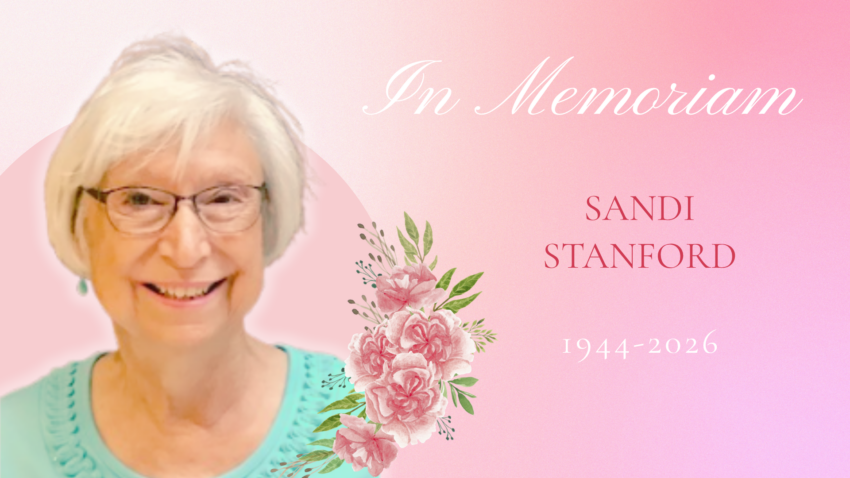
One of the most prominent pioneers of this movement was Sandi Stanford of San Antonio, Texas. For decades, Stanford helped create, shape, and launch programs and initiatives that successfully transformed a devastating cancer diagnosis into meaningful, systemic action. Tragically, the cancer community felt an immense loss when Stanford passed away on August 29, 2026, at the age of 82.
Though her physical presence is gone, Stanford’s indomitable fighting spirit lives on through the countless new generations of advocates she mentored and trained over the years, ensuring her lifelong mission of improving cancer outcomes for all people continues uninterrupted.
“She did so much for women with breast cancer at the local and national level. She was loved by all. Her contribution to improving the lives of Latinos and all cancer patients and survivors will never be forgotten. She will continue to be a bright light in advocacy and live on through those she’s touched and change she inspired,” said Dr. Amelie Ramirez, director of Salud America! and the Institute for Health Promotion Research at UT Health San Antonio.
Sandi Stanford: Surviving Breast Cancer
Born on January 23, 1944, Sandi Stanford eventually married and settled in San Antonio, Texas, where she raised her children while building a successful career as an area manager at USAA. However, in 1993, at the age of 50, the trajectory of her life changed drastically.
What was supposed to be a joyous holiday season spent surrounded by family and friends quickly turned sour during the week of Christmas festivities. The phone call she received confirmed her worst fears: doctors had discovered two distinct tumors—one measuring a staggering 5.5 centimeters and a second measuring 1.0 centimeter. She was diagnosed with stage III breast cancer.
In early 1994, Stanford underwent intensive surgery and chemotherapy, enduring several serious adverse health events that severely threatened her life. What carried her through the darkest moments of her treatment was the steadfast presence of her husband and children by her side.
At the time of her diagnosis, Stanford was fortunate enough to have comprehensive health insurance that covered the cost of her care, alongside enough accumulated sick leave to get her through the most physically demanding phases of her recovery. But she was acutely aware that not everyone was as lucky as she was—in more ways than one. Living in South Texas, Stanford witnessed firsthand how the Latino community was disproportionately ravaged by the very same disease she was fighting, facing monumental hurdles in accessing quality treatment.
“I started with a very little voice and now my voice is bigger [through advocacy]. I’m not afraid to say something or ask a doctor a question. Whereas in the Latina community, that’s not the case,” Stanford later shared with Salud America!
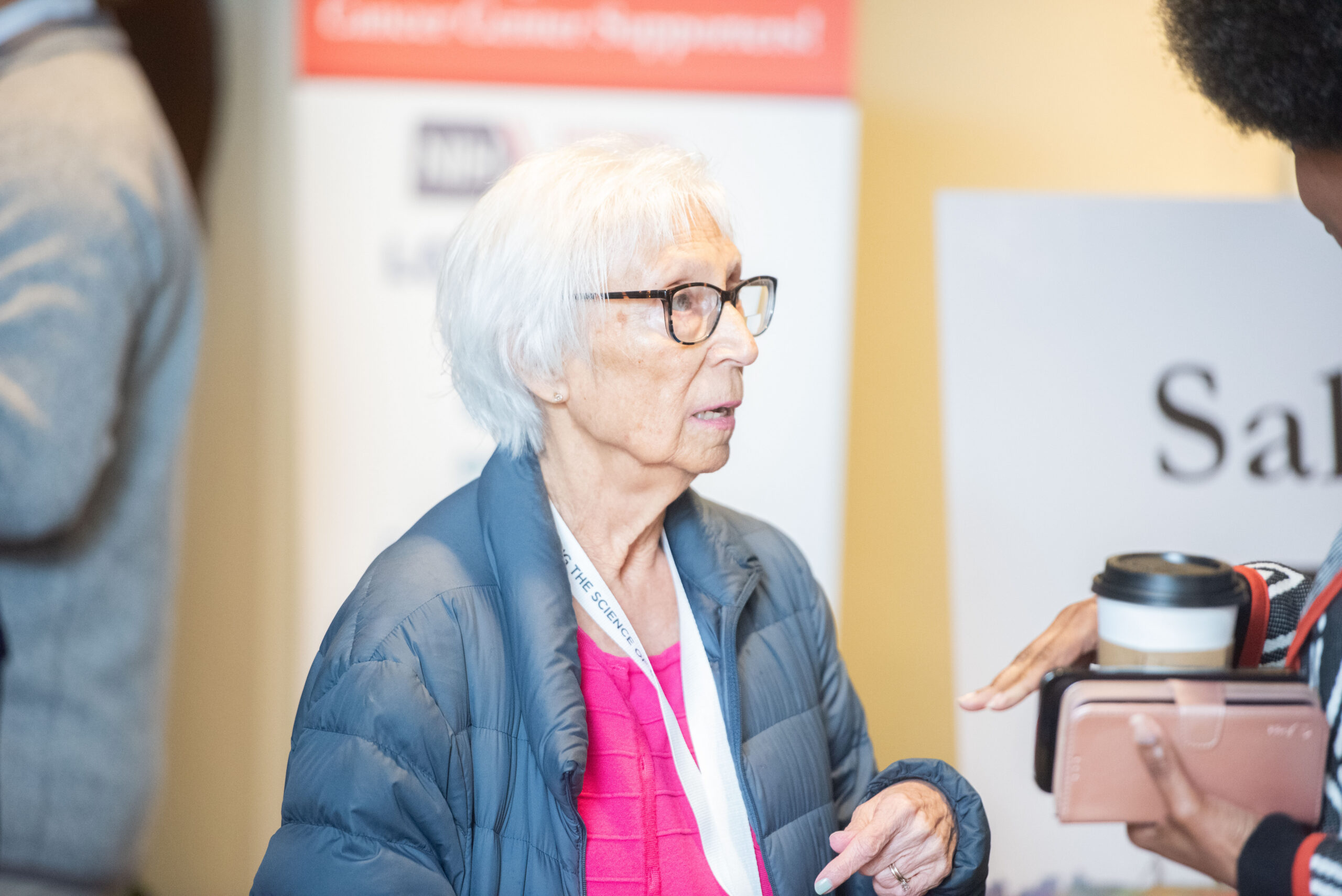
Driven by this realization, upon completing her own grueling treatment, Stanford decided to walk the path of advocacy, dedicating her time, energy, and voice to helping and mentoring other women facing a breast cancer diagnosis.
Sandi Stanford and the Alamo Breast Cancer Foundation
Stanford’s formal advocacy journey began right in her hometown in 1995 when she became involved with the Alamo Breast Cancer Foundation. Established in 1993, the organization was originally founded to support breast cancer patients by hosting local support group meetings.
However, the leadership quickly realized that the deep systemic support breast cancer patients and survivors truly needed could not be fulfilled merely through a support group. After a founding member attended a symposium highlighting cutting-edge research for local oncologists, the nonprofit expanded its mission, developing an innovative advocacy program designed to bring everyday advocates directly into the San Antonio Breast Cancer Symposium (SABCS).
Stanford quickly emerged as one of the key architects of the Alamo Advocate Program, understanding intimately that traditional support groups were no longer enough to change the broader landscape of the disease.
“Originally, we would just have a helpline. We just had a support group, and the thought was, we don’t need to do something else to accomplish what we need,” Stanford told Cancer Today magazine. “Now we know we need to be talking to the researchers. We need to be a part of their grants. We need to understand the science. We need to be able to talk to them face to face so we can understand what they are saying, and they can understand us. There’s a respect there now.”
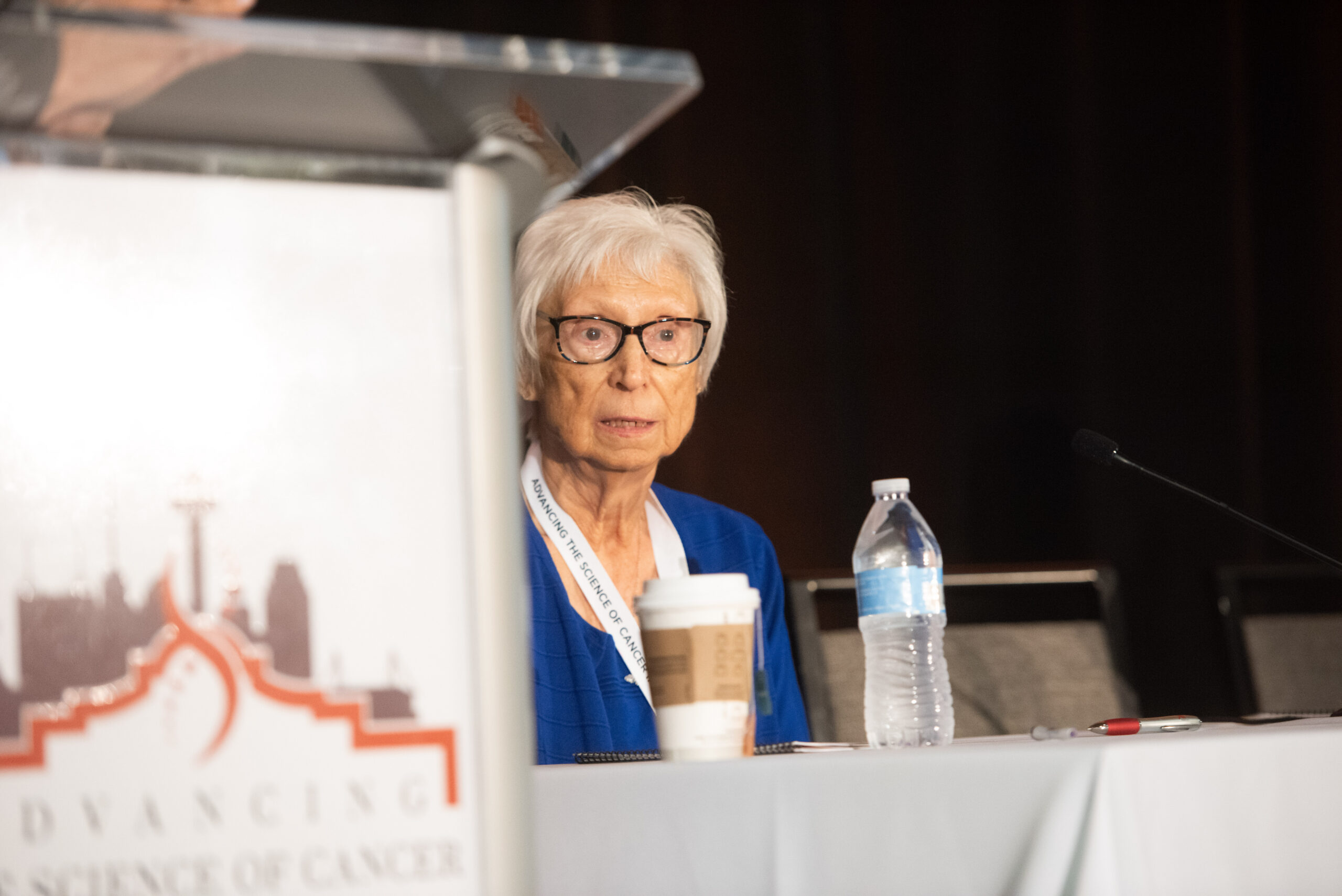
Stanford served with distinction as a board member of the Alamo Breast Cancer Foundation from 1999 until her passing, and she stepped up to lead the organization as its president from 2009 to 2011. This pivotal local involvement served as the launchpad for an extensive, international career in advocacy.
A Global Voice for Breast Cancer Advocacy
From Denmark to her home base in San Antonio, Stanford’s advocacy career took her across the globe. She frequently addressed leading researchers and industry stakeholders, emphasizing the critical need for patient advocates to inform better research protocols and develop more effective therapies for future patients.
Throughout her remarkable career, Stanford served in prominent advocacy and planning leadership roles across major medical institutions and cancer centers. In 1999, she began volunteering with the American Cancer Society as a public speaker and a certified breast self-exam trainer. She also served on several planning and steering committees for the San Antonio Breast Cancer Symposium.
Staying true to her local roots, Stanford remained heavily involved with UT Health San Antonio’s Mays Cancer Center, serving as the chair of its Community Advisory Board from 2019 to 2024. She also lent her expertise to University Health Systems, serving on various committees from 2011 to 2020.
Her extensive resume included sitting on the board of directors for the San Antonio Clinical Trials Task Force, working as an advocate member for the California Breast Cancer Research Program across multiple terms, and contributing her insights to the Department of Defense Breast Cancer Research Program from 2005 to 2008. She took her message everywhere she could, even partnering with initiatives like the WNBA Stars breast health programs in San Antonio to promote early detection and prevention.
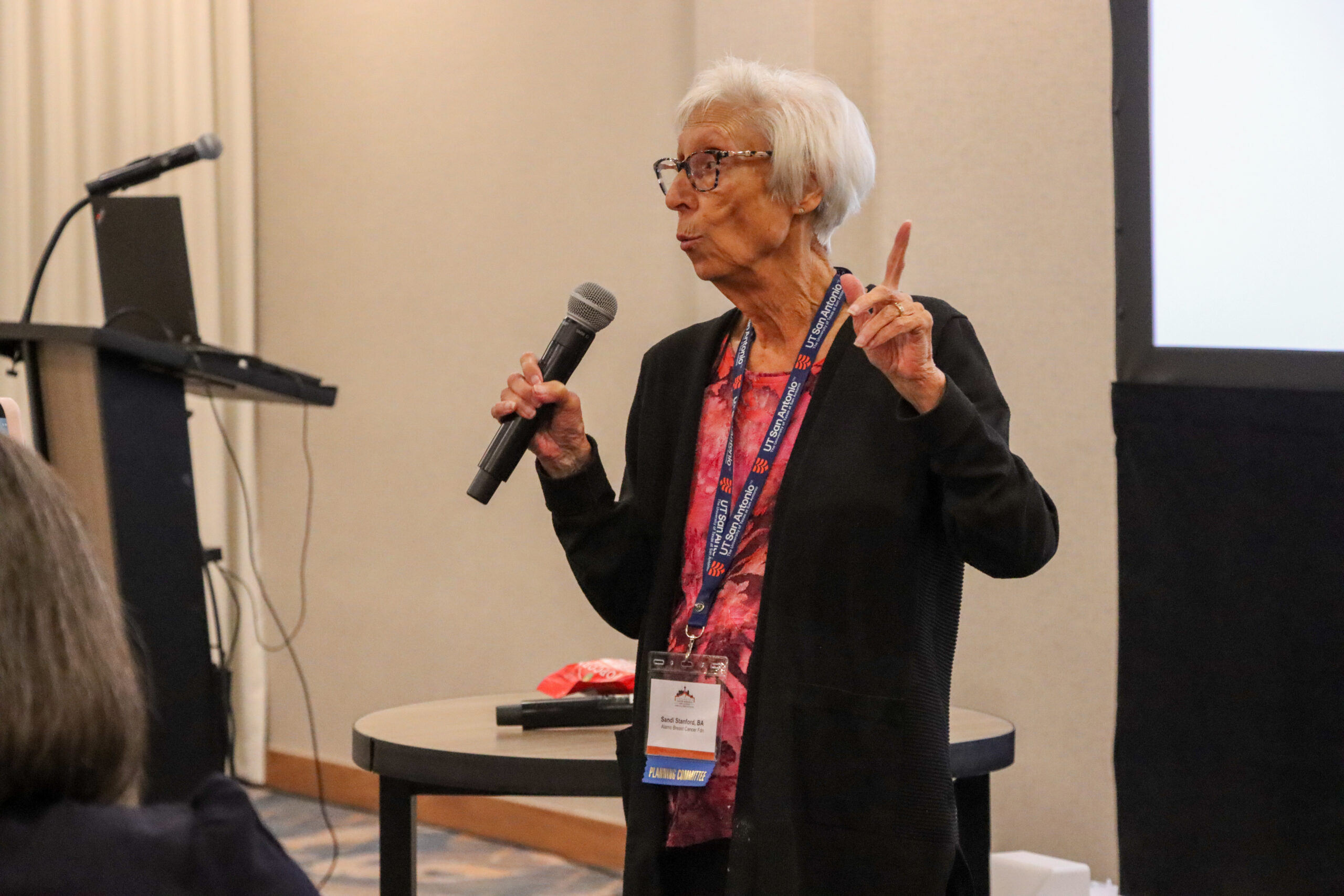
Shepherding a New Generation of Advocates
While her influence reached far beyond national borders, Stanford always cherished grassroots advocacy close to home, including her work with the Advancing Cancer Research for Latinos and All Populations conference.
Under the leadership of Dr. Amelie Ramirez, the biennial conference brings together prominent researchers, physicians, healthcare professionals, student leaders, and patient advocates from around the world to address disparities in cancer care impacting Latinos and all underserved populations. As a respected research advocate and close colleague of Dr. Ramirez, Stanford served proudly on the scientific planning committee for the event.
In this role, Stanford helped raise awareness about the vital need for patient advocates, coordinating the survivorship components alongside fellow committee member Dr. Barbara Segarra-Vázquez of the University of Puerto Rico. Recognizing that their impact could be amplified even further, Stanford and Segarra-Vázquez set out to secure support for a dedicated, comprehensive patient advocacy program attached to the conference. Their shared goal was to bring survivors together to learn directly from experts on how to successfully navigate the complex healthcare system and elevate the Latino patient voice in medical research.
“You really have to have passion to become a patient advocate,” Segarra-Vázquez said of the calling. “It’s that desire to help others, that desire to speak for those who cannot speak, maybe because they’re not sitting at the table, or maybe because they’re not here anymore. It’s our role to continue the legacy and to have less people or no people at all die from cancer.”
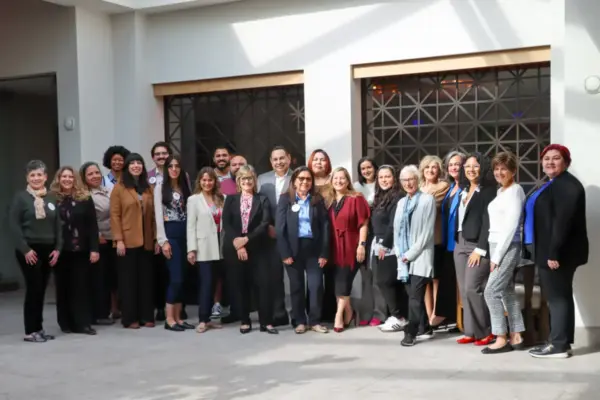
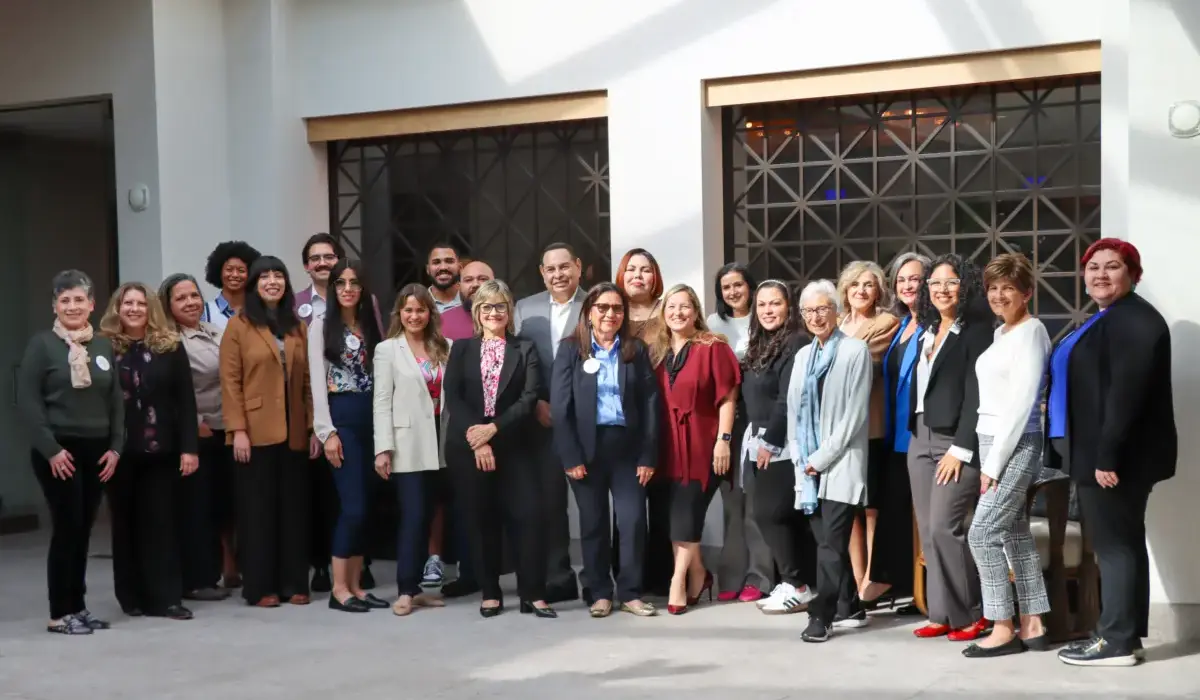
With the backing of Dr. Ramirez and major sponsors including Abbott, Pfizer, and Susan G. Komen, Stanford and Segarra-Vázquez successfully launched the first-ever Latino Cancer Patient Advocate Training Program in February 2024. The inaugural training welcomed 15 dedicated Latinas ready to follow in their footsteps.

With guidance from Stanford and Segarra-Vázquez, these new advocates went on to secure seats on national panels, steering committees, and stakeholder meetings, using their personal stories to prove that survivors are an essential component in the creation of future cancer therapies and interventions.
In 2026, the program returned for a second cohort, welcoming 16 new Latino cancer survivors, which notably included male cancer survivors and caregivers for the first time. Spanning diverse borders, backgrounds, and cancer types, this latest cohort completed their training on August 26, 2026.
“Since I met Sandi in 2012, I could tell that she was one of a kind. She was always selfless and just wanted to help new advocates find their voice. I am grateful she believed in my vision of Latino advocates and partnered with me to make it happen. She was family to me,” Segarra-Vázquez reflected.
Through this groundbreaking program, Stanford helped mentor the newest crop of leaders, ensuring they were fully equipped to make a difference for cancer patients, just as she had done for over 25 years.
Remembering Sandi Stanford’s Enduring Legacy
Sandi Stanford will be remembered forever for her unwavering commitment to breast cancer advocacy and her fearless approach to helping survivors find their voices.
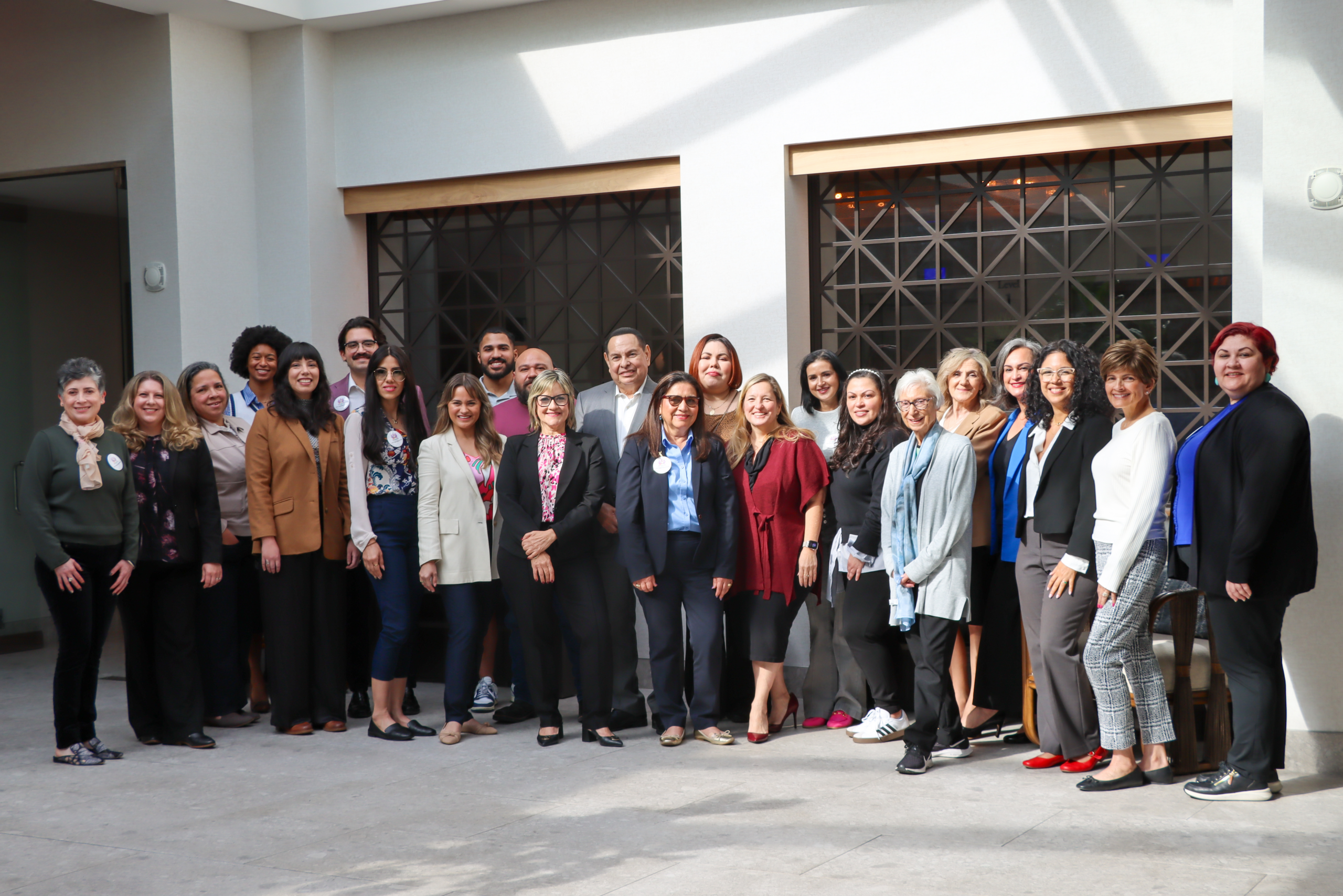
Her peers and colleagues at the San Antonio Breast Cancer Symposium remembered her as a pioneer in patient advocacy, a fierce leader, a devoted mentor, and a dear friend. For decades, Stanford championed the patient voice at SABCS, warmly welcoming and guiding incoming advocates.
Since her passing, an overwhelming outpouring of gratitude, love, and remembrance has poured in from across the medical community. The Alamo Breast Cancer Foundation fondly remembered Stanford as an “energizer bunny” and a “true powerhouse in breast cancer advocacy.”
“For years, she poured her heart into empowering patients, elevating the voices of advocates, and demanding better research, care, and outcomes for all,” the foundation shared in a statement. “Her strength, sharp insight, and boundless warmth transformed countless lives across the globe. While her presence leaves an irreplaceable void, Sandi’s extraordinary legacy of courage, service, and compassion will continue to guide our work every single day.”
Texas Wings similarly described Stanford’s life as a “beautiful testament to what can happen when survivorship becomes service.”
“Her influence reached beyond titles and boardrooms,” the organization noted. “It lived in the patients she encouraged, the advocates she befriended, the knowledge she shared, and the countless lives touched because she chose to turn her own experience into a lifetime of service.”