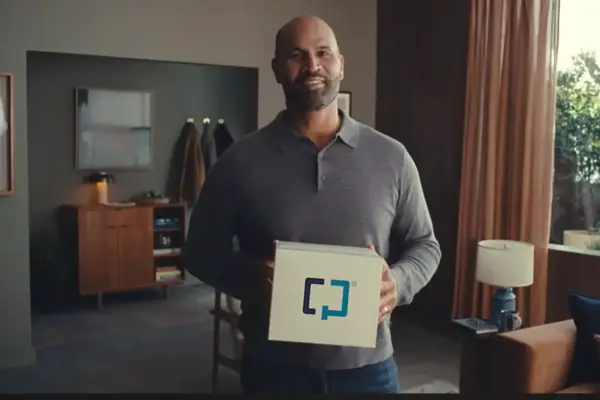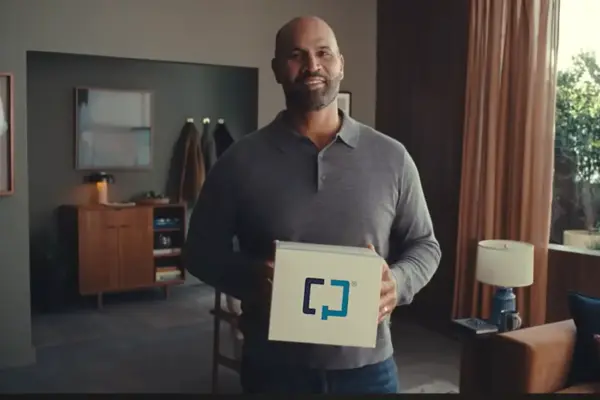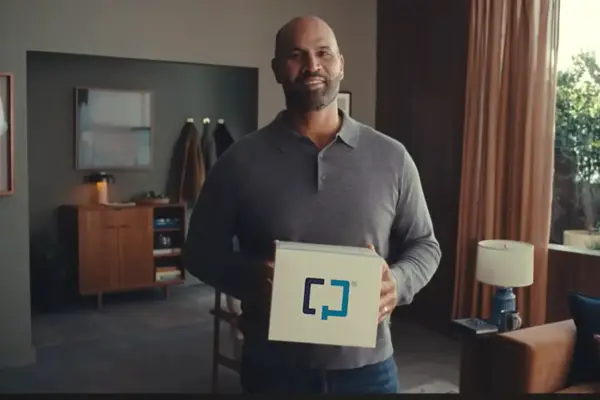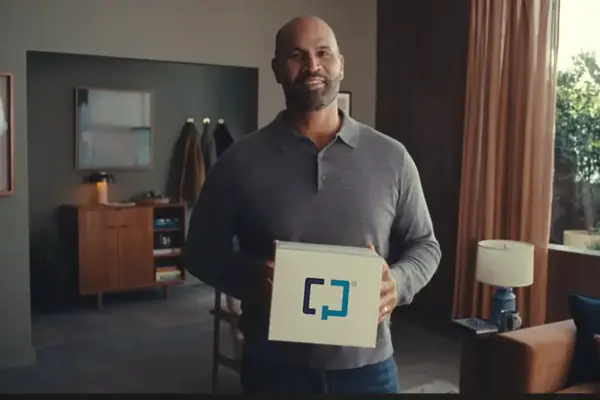










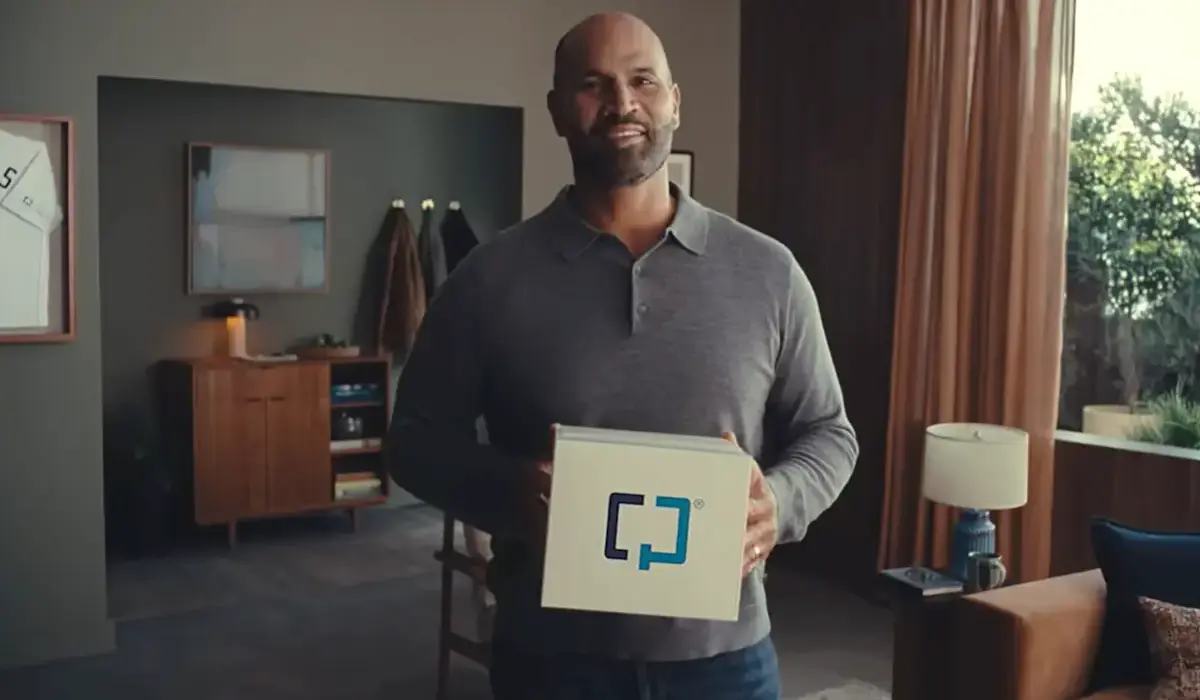
For millions of baseball fans, watching a game involves a familiar, lighthearted appreciation for the players on the field. Now, healthcare company Abbott is channeling that unique fan perspective into a public health initiative designed to save lives. In a new bilingual advertising campaign titled “Mind Your Behind,” Abbott is urging adults aged 45 and older to prioritize colorectal cancer screening using the Cologuard Plus test, an at-home option designed to detect the disease early.
The campaign features baseball legend Albert Pujols, who was born in the Dominican Republic and hit 703 home runs during a legendary Major League Baseball career, alongside current Seattle Mariners catcher Cal Raleigh. By combining sports culture with humor, the campaign aims to dismantle the traditional stigma and discomfort surrounding colorectal cancer screenings and encourage actionable health habits among an aging demographic.
According to Jake Orville, Abbott’s Senior Vice President of Cancer Diagnostics, the messaging is intentionally crafted to bridge the gap between a serious medical topic and accessible conversation. Orville noted that while colorectal cancer screening is a vital health matter, the way people talk about it does not always have to be intimidating. The objective is to make conversations about screening easier to initiate and, more importantly, easier for individuals to act upon.
The campaign launches at a critical time when nearly 60 million Americans remain unscreened for colorectal cancer, highlighting a widespread gap in early detection and prevention efforts. By adopting a playful, sports-oriented angle, the initiative seeks to capture public attention and redirect it toward preventive healthcare.
Pujols expressed pride in lending his voice to the initiative, acknowledging that colorectal cancer is not typically a topic of casual dinner table conversation. He noted that if a touch of humor can inspire adults in his age group to think seriously about screening and introduce them to a convenient, at-home testing method that integrates into their daily lives, it serves a deeply positive purpose.
The campaign actively promotes the Cologuard Plus test as a preferred, stool-based screening option that individuals can use once every three years. The test is designed to be completed entirely at home in approximately 15 minutes without requiring special preparation, dietary restrictions, or invasive procedures before being mailed to a laboratory for analysis.
Seattle Mariners catcher Cal Raleigh echoed those sentiments, pointing out that the campaign offers a clever method to transition fans’ focus from the physical aspects of the game to a much more critical health priority.
As part of its broader reach, the campaign includes bilingual outreach, featuring Spanish-language advertisements to ensure vital health information resonates with diverse communities across the United States.
Understanding the Impact of Colon Cancer in Latino Communities
The urgency of expanding screening outreach is particularly pronounced in specific demographics. According to data from the American Cancer Society, colorectal cancer ranks as the second-leading cause of cancer death among Latino men and the third-leading cause among Latinas, underscoring a disproportionate health burden within these populations.
Geographic disparities further complicate the landscape of early detection. In Bexar County, Texas, more than half—specifically 57 percent—of all colorectal cancers are diagnosed at a late stage, a proportion significantly higher than that found in many other counties across the state. Late-stage diagnoses dramatically reduce treatment efficacy and survival rates, reinforcing the imperative for timely, routine screenings.
Medical professionals emphasize that the symptoms of colorectal cancer can frequently mimic those of less severe health issues. Common indicators include the presence of blood in the stool, persistent constipation, and abdominal pain. Because these symptoms frequently overlap with common, less threatening ailments that often affect younger individuals more frequently than cancer, patients often dismiss them or delay seeking professional medical evaluation.
Pujols emphasized that prioritizing personal wellness has always been a central focus of his life, and reaching his mid-40s has made colorectal cancer screening an essential component of that ongoing commitment.
For individuals seeking to take the next step, resources and screening kits are available through official channels, with dedicated Spanish-language information provided to ensure language barriers do not prevent access to preventive care.
The Vital Role of Clinical Trial Participation in Addressing Community Health
Beyond routine screening, addressing complex conditions like cancer requires continuous medical research and community engagement. Diseases such as cancer frequently impact beloved family members, including parents, grandparents, and other cherished relatives, making the advancement of medical treatments a collective family concern.
Clinical trials represent an essential pathway in this ongoing fight. These structured research studies provide researchers with critical insights needed to understand, slow, manage, and ultimately treat cancer, dementia, and a wide array of other health conditions for current and future generations. However, without active participation and volunteerism from diverse communities, the resulting medical advancements may fail to adequately serve all populations.
Public health advocates stress that clinical trial participants play a dual role in healthcare progress. Not only do volunteers actively explore potential medical interventions that may benefit their own health, but they also contribute to the creation of superior treatment options that can protect their families in the future.
Research leadership underscores the deep community impact of these initiatives. Dr. Amelie Ramirez, director of Salud America! and the Institute for Health Promotion Research at UT Health San Antonio, noted that clinical trial volunteers are actively building a foundation for a healthier future through better treatments capable of supporting their families down the line.
For individuals seeking opportunities to participate in medical research, local and national avenues are readily available. Residents in the San Antonio area can utilize the Mays Cancer Center at UT Health San Antonio’s dedicated database to review open clinical trials and examine specific eligibility requirements. On a national level, comprehensive listings and trial locations can be accessed through federal clinical trial registries, connecting interested volunteers with researchers working on next-generation medical breakthroughs.