





When Ben Affleck took the director’s chair for the upcoming Netflix political thriller Animals, he had
absolute creative control. As the director, co-writer, and one of the film’s leading stars, nobody in Hollywood would have batted an eye if he had simply handed out completed scripts to Mexican actors Adriana Paz and Luis Gerardo Méndez and expected them to deliver their assigned lines. It is an industry standard that has persisted for decades, where creators outside a specific cultural community dictate how marginalized groups speak, act, and exist on screen.
Instead, Affleck chose a different path—one that remains exceptionally rare in major Hollywood productions. He handed them the pen, asked them to write their own parts completely, and actively listened to what they had to say. Ahead of the film’s October 9th premiere, this collaborative approach has drawn significant attention, highlighting a refreshing shift toward authentic representation and storytelling that respects the lived experiences of its characters.
Affleck has spoken candidly about the decision, noting that he asked both actors to take on a responsibility far exceeding what is typically expected of performers in mainstream cinema. He explained to them that they were carrying the representation of millions of people worldwide who would watch the film and look for reflections of their own lives. Recognizing the gravity of that responsibility, Affleck admitted he did not feel entitled to handle it alone. He did not merely want them to flag dialogue that felt inauthentic; he wanted them to help build a narrative foundation that felt genuinely true. In his view, the story belonged just as much to the community they were representing as it did to anyone else involved in the production process.
What It Meant to Paz and Méndez to Be Asked
For actors who have navigated an industry often dominated by one-dimensional caricatures, being invited to co-create their characters was a transformative experience. Adriana Paz described the collaboration with a warmth that underscored how uncommon this level of trust is on a professional set. According to Paz, Affleck continuously checked in to ensure the dialogue felt organic, asking whether their characters would genuinely use certain phrases or if there were missing elements that needed addressing.
Rather than feeling like an additional burden or unpaid writing work, Paz viewed it as an extraordinary privilege. She recalled sitting down with Luis Gerardo Méndez to work through the nuances of their roles together, describing the process as a poignant reminder of why they entered the acting profession in the first place. Instead of executing someone else’s preconceived notion of who they were supposed to be, they were building something real alongside a fellow artist.
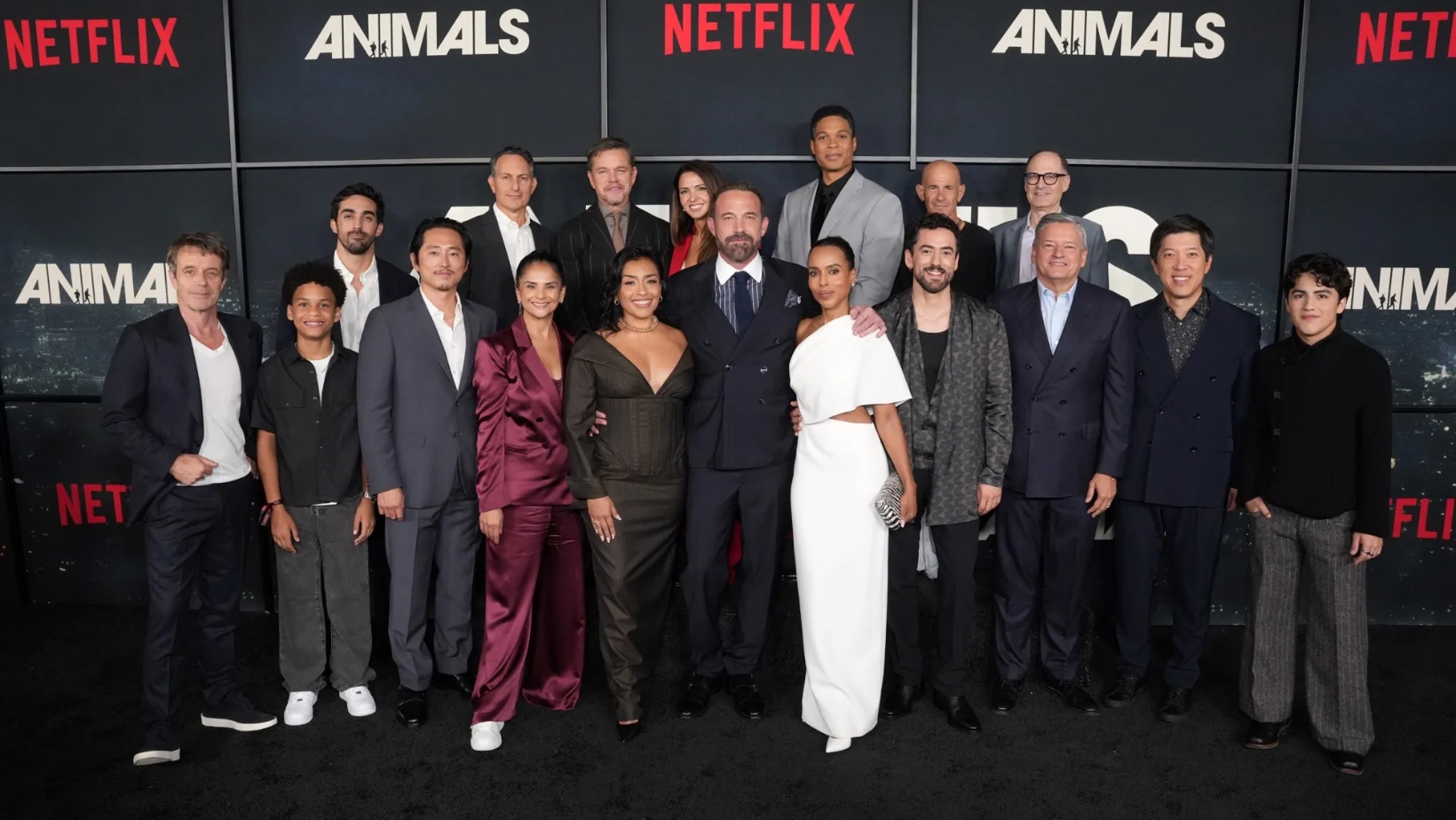
Luis Gerardo Méndez, internationally recognized for his standout work in Club de Cuervos, approached the task with a profound sense of duty. He emphasized that the weight of their work on Animals extended well beyond the confines of the film itself. Méndez pointed out that the project required them to represent a vast community of millions, encompassing migrants and refugees living both inside the United States and across the globe in environments where they often feel unwelcome. That clarity of purpose informed every single creative choice he made regarding his character. In reflecting on his career, Méndez noted that while some projects are purely fun and others carry distinct messages, Animals fell into a rare category that demanded his absolute best effort and unwavering commitment.
Why This Matters for How Latino Migrants Are Depicted on Screen
The characters brought to life by Paz and Méndez in Animals deliberately reject tired Hollywood tropes. They are not portrayed as criminals, threats, or simple cautionary tales designed to advance a suspenseful plot. Instead, Paz portrays Cecilia, a dedicated housekeeper working in the Los Angeles home where Affleck’s character is running a high-stakes political campaign. Cecilia occupies a space where she is often rendered invisible by the people around her, despite being the one directly caring for what they value most in the world.
Méndez takes on the role of a man striving to support his family without legal documentation, navigating every day within a rigid system that offers him no legal protection and zero recognition for the immense risks he takes. Both actors emphasized that these portrayals were deliberate choices to depict migrants with dignity and humanity, arriving at a critical moment when public discourse and mainstream media productions frequently reduce vulnerable populations to a single, threatening image.
Affleck expanded on this perspective during discussions about the film, directly challenging the political rhetoric that frames migrants as criminals. He described that narrative as an absurd political lie with a long, recurring history of deployment whenever societies face internal pressure and politicians require a scapegoat. In Affleck’s view, fiction holds a unique, disruptive power because it forces audiences to recognize an individual’s humanity before they can be safely tucked away into a reductive category. Once a viewer genuinely identifies with a person’s lived reality, it becomes infinitely harder to revert to a dehumanized version of who they represent.
What the Film Is Actually About
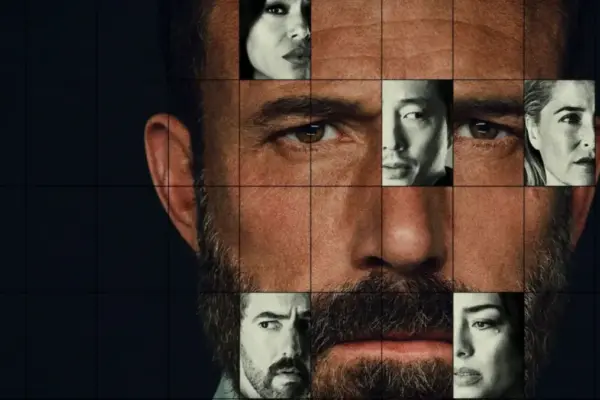
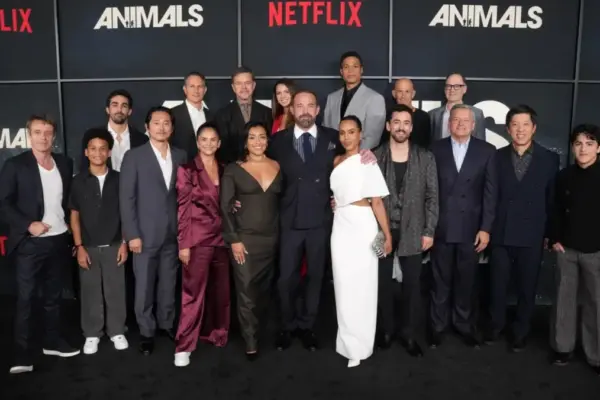
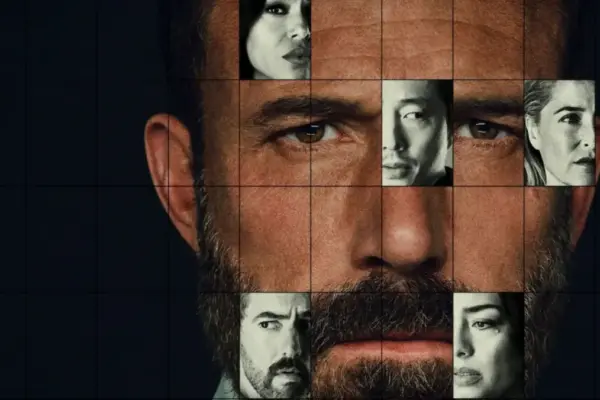
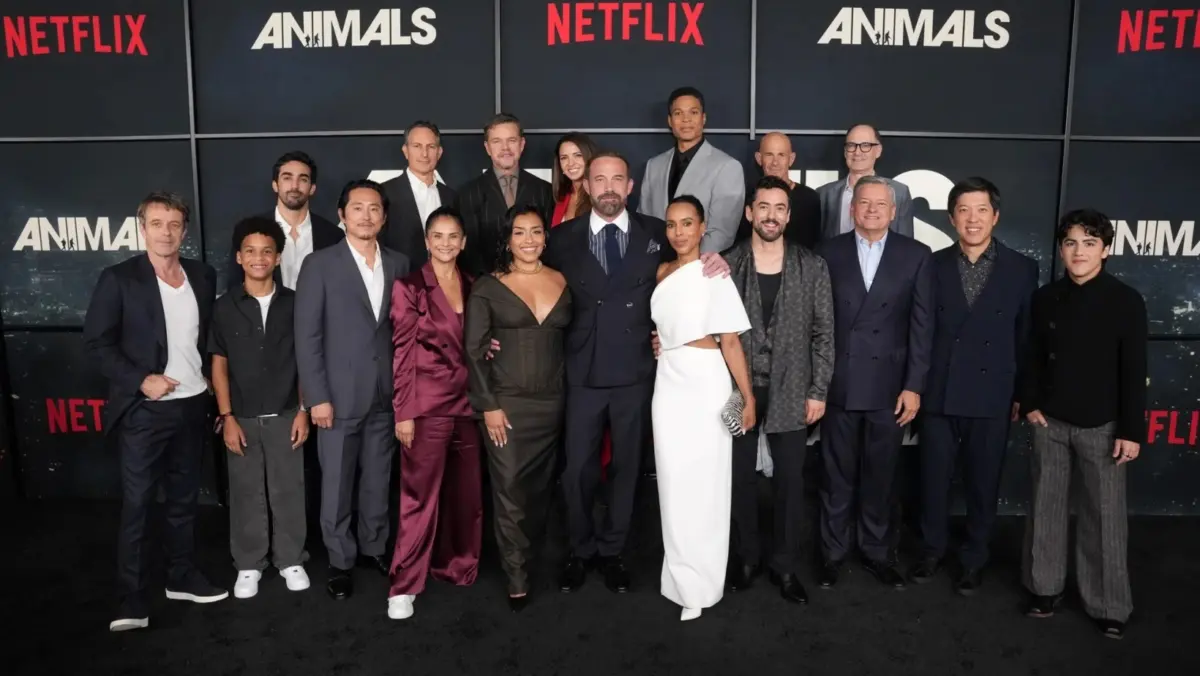
At its narrative core, Animals centers on the tense, high-stakes kidnapping of the young son of Mark and Abigail Kimball, played by Affleck and Kerry Washington. The film uses this gripping premise to examine complex moral dilemmas and gray areas that every character is forced to navigate when the institutions and systems surrounding them fail to provide easy answers. The star-studded ensemble cast also features acclaimed performances from Gillian Anderson, Steven Yeun, Ray Fisher, and others, bringing further depth to the thriller’s intense atmosphere.
The project was produced in association with Artists Equity, the prominent production studio that Affleck co-founded alongside his longtime collaborator Matt Damon. Reflecting on the final product, Paz shared her hopes for how audiences will respond when the film drops on streaming. She described Animals as the kind of movie that leaves viewers deeply unsettled in a way that lingers long after the final credits roll, while remaining entirely compelling from start to finish. Animals premieres on Netflix on October 9th.