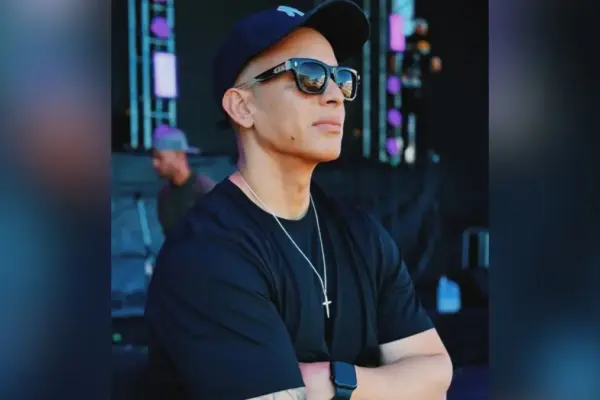








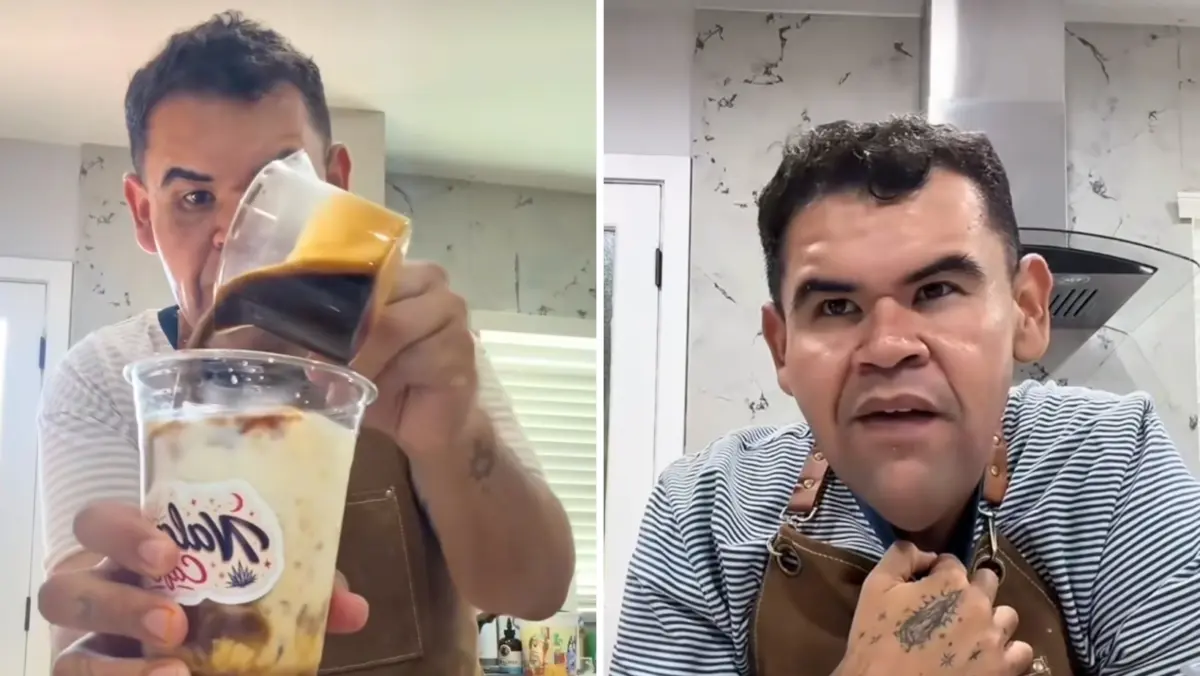
The rise of digital creators often mirrors the communities that sustain them, built on a foundation of shared culture, humor, and mutual support. However, when success changes the dynamic between a creator and their audience, the fallout can be swift and unforgiving. Jesus Zapien, widely known to millions of followers on TikTok as Jesus Nalgas, has found himself at the center of a severe community backlash in 2026. Known initially for his deeply relatable sketches depicting working-class Hispanic and Mexican family life, Zapien cultivated a loyal following by making his audience feel genuinely seen in a digital landscape that historically lacks such cultural specificity. Yet, a recent chain of events—sparked by an attack on a customer who merely left a glowing review—has alienated the very community that propelled him to prominence.
The controversy erupted when a customer named Natalie visited Nalgas Cafe, a home-based coffee shop operated by Zapien in Downey, California. Impressed by her experience, Natalie posted a positive five-star review of the establishment on TikTok. The video quickly gained traction, viral momentum pushing it past the one-million-view mark. For any small business owner, such organic, positive exposure from a patron is typically considered a major victory. Instead of welcoming the support, Zapien responded with hostility. During a public TikTok Live broadcast, he accused Natalie of being a "clout chaser" and publicly claimed that she had doxxed him by revealing his business location.
The internet, and particularly the Latino demographic that formed the bedrock of his platform, rejected his narrative entirely. What followed was a swift unraveling of public goodwill, exposing deeper fractures in how Zapien has treated his supporters as his platform and business ventures have expanded.
The Doxxing Accusation That Collapsed Under Scrutiny
Before Zapien chose to attack Natalie publicly, the customer had taken proactive steps to ensure his privacy and comfort. After a viewer in her comments pointed out that the house number was briefly visible in her viral video, Natalie immediately reached out to Zapien via direct message. She asked him directly whether the visible address made him uncomfortable and whether he preferred that she delete the post altogether.
Zapien chose not to respond to her private message. Instead of communicating directly to resolve any potential privacy concerns, he took his grievances to a public livestream, casting her as a malicious actor attempting to expose his private residence for clout.
The public defense mounted by the internet was swift, logical, and entirely unsympathetic to Zapien’s claims. Nalgas Cafe operates directly out of his private residence in Downey, but it functions as a commercial entity complete with a large promotional sign planted firmly on the front lawn facing a main boulevard—a sign that Zapien himself installed specifically to attract foot traffic and customers. Furthermore, Zapien had previously shared TikTok videos displaying the exact same exterior of the house and had actively reposted other customer reviews featuring the identical storefront without voicing any concerns.
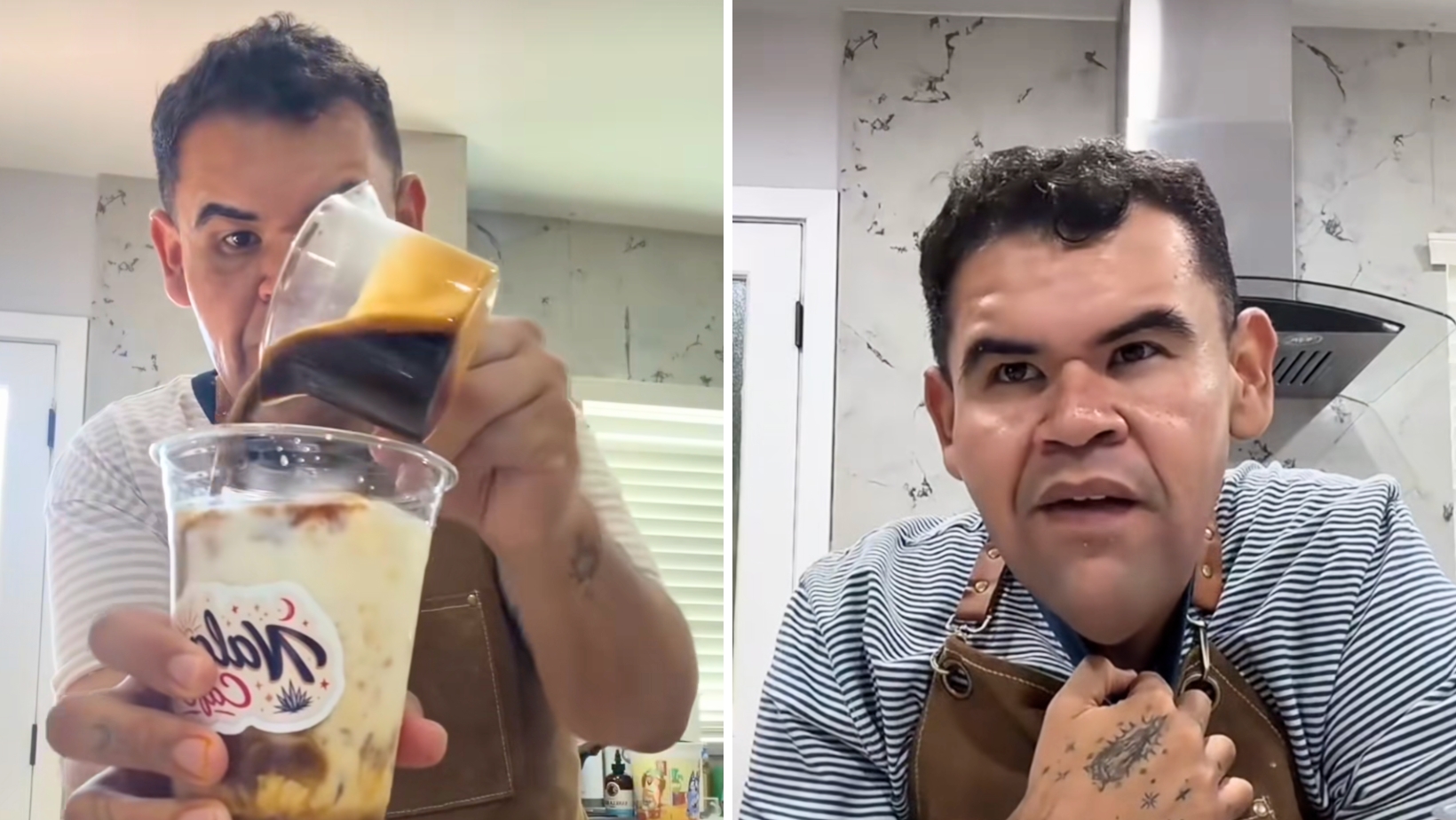
The assertion that a customer filming the exterior of an active commercial enterprise with a prominent roadside advertisement constitutes doxxing fell apart under basic logic. Commentary channels, reaction creators, and everyday users across social media pointed out the blatant hypocrisy of his claims. The situation soon devolved into widespread parody, with other creators mocking the absurdity of a business owner publicly chastising a patron for a five-star review. As reaction videos accumulated views, comment sections filled with users sharing their own past unpleasant encounters with Zapien, suggesting that his treatment of Natalie was reflective of a broader pattern of behavior away from the camera’s favorable lens.
The "White People Money" Comment and the Erosion of Grassroots Support
The hostility shown toward Natalie did not occur in a vacuum. Months prior to the coffee shop controversy, Zapien had already begun alienating his core audience through remarks regarding "white people money" in connection with his commercial aspirations, including Nalgas Cafe. These comments left many viewers with the distinct impression that he was actively distancing himself from his cultural roots and working-class supporters as he achieved financial success.
For an audience that championed Zapien precisely because of his authentic portrayal of Hispanic life, these remarks signaled a troubling shift in priorities. The underlying philosophy behind such statements raises fundamental questions about a creator who built his livelihood on cultural relatability. A dollar earned from a working-class Hispanic family carries the exact same value at a cash register as a dollar from any other demographic. Imbuing one category of income with superior status based on the race of the consumer reveals an internalized hierarchy. It suggests an absorption of historical biases that diminish Latino economic power, treating the community as a stepping stone or a mere audience to perform for rather than an economic foundation to respect and build alongside.
Projections indicate that Latino purchasing power in the United States will reach $3.4 trillion by 2030, rendering the concept of "white people money" not only culturally offensive but economically detached from reality. The working-class Hispanic families who consumed his content, shared his videos, and funded his transition into business ownership are the sole reason Nalgas Cafe exists. His longtime supporters built the very platform he leveraged to launch his enterprise, yet many noticed his shifting attitude long before the doxxing accusations ever surfaced.
What Both Incidents Reveal About a Creator’s Trajectory
Taken together, the "white people money" remarks and the unwarranted public attack on a supportive customer illustrate a consistent narrative. They point to a creator who has begun to view the community responsible for his success as an impediment rather than a vital foundation. Jesus Zapien did not build his massive following in spite of his Latino identity, but because of it; his cultural specificity resonated deeply with an audience starved of representation in mainstream media.
Treating that same audience as a temporary phase rather than the bedrock of his career reflects an ingratitude that digital communities are increasingly quick to identify and reject. Natalie went out of her way to leave a positive review and even attempted to handle a perceived privacy issue discreetly and respectfully, only to be met with public humiliation. The audience that witnessed this interaction, already primed by months of questionable commentary regarding his financial ambitions, has made up its mind. In the digital space, where community trust is the ultimate currency, the consequences of alienating one’s foundational supporters are difficult to reverse.