







Breast cancer remains one of the most pressing public health challenges in the United States, standing as the second-leading cause of cancer-related death among women overall and the leading cause of cancer-related mortality specifically for Latina women. Despite significant medical advancements in preventative care, diagnostic technologies, and early detection protocols, women across diverse communities continue to receive diagnoses at advanced stages. When breast cancer is detected late, treatment becomes vastly more taxing on the body, and clinical outcomes are frequently less optimistic.
Public health experts note that this persistent disparity is largely driven by non-medical drivers of health—often referred to as social determinants of health—rather than biological factors alone. Low access to comprehensive health insurance, routine preventive screenings, reliable transportation, healthy foods, and culturally competent medical education create formidable barriers for marginalized and underserved populations. Addressing these systemic hurdles requires expanded resources, targeted community education, and robust clinical research.
As communities mark National Breast Cancer Awareness Month, individuals touched by the disease—whether they are current patients, survivors, caregivers, family members, healthcare professionals, or those simply assessing their personal risk—have access to a wide array of vital resources designed to ease the journey. From navigation support and financial assistance to specialized clinical trials and survivor networks, numerous organizations are working to bridge the gap in cancer care.
Finding Breast Cancer Patient Navigation Support
Navigating a cancer diagnosis involves digesting complex medical terminology, coordinating appointments across multiple specialists, and understanding treatment options while managing overwhelming emotions. To help patients and their families shoulder this burden, major advocacy organizations provide dedicated navigation programs.
The Susan G. Komen Patient Care Center offers comprehensive support and services designed to guide patients, families, and caregivers through every phase of the disease. Their extensive educational resources cover critical topics including risk factors, prevention strategies, routine screenings, diagnostic procedures, treatment pathways, and long-term survivorship. In addition to educational tools, the program offers specialized financial assistance to help ease the crushing economic burdens frequently associated with prolonged cancer treatment. Patients can also access emotional support services, guidance on navigating a newly confirmed diagnosis, and assistance in finding appropriate clinical trials.
Individuals seeking personalized assistance can connect directly with a trained patient navigator by calling the Komen national helpline or reaching out via email. Furthermore, community members and advocates looking to support patients and survivors can undergo specialized training through Komen’s Patient Navigation Training Program, helping to build a stronger network of grassroots assistance.
Accessing Free and Low-Cost Breast Cancer Screenings
Health insurance coverage gaps remain one of the most formidable obstacles preventing women from staying current with their routine breast cancer screenings. When women miss these essential preventive checks, it frequently leads to advanced-stage diagnoses and an elevated risk of mortality, a vulnerability that disproportionately impacts Latina women and other underserved populations.
To combat these disparities and expand early detection, the Centers for Disease Control and Prevention (CDC) administers the National Breast and Cervical Cancer Early Detection Program. This federally backed initiative is specifically designed to increase access to free and low-cost breast and cervical cancer screenings for women with low incomes who might otherwise go without care.
Screenings through the program are available nationwide and are primarily designated for women who lack health insurance, have reached the age where regular mammograms are medically recommended, and live at or below the federal poverty level. By connecting eligible individuals with local health clinics and screening providers, the program works to catch malignancies at their earliest, most treatable stages.
Utilizing Local and Community-Based Support Organizations
While national health organizations provide broad frameworks and large-scale assistance, local non-profits and community groups often deliver the immediate, tangible support that families need on a daily basis. Across the country, regional organizations are stepping in to address the logistical hurdles of cancer treatment.
In major metropolitan areas throughout the Northeast and in San Francisco, organizations such as Pink Ribbon Good provide vital services to women battling cancer, delivering nutritious meals, offering reliable transportation to and from medical treatments, and easing daily household pressures. In Miami, a city with a vibrant and large Latino population, women undergoing treatment can access customized transportation support, childcare assistance, and grocery deliveries through the nonprofit 305 Pink Pack.
Further west in San Antonio, the Thrive Well Cancer Foundation supports cancer patients and their families by offering financial assistance, transportation services, and holistic wellness programs. Similarly, women residing in Central and South Texas can turn to the Texas WINGS organization for localized support tailored to their regional needs, ensuring that help is available regardless of a patient’s zip code.
Connecting Through Breast Cancer Support Groups
A cancer diagnosis can often feel like an isolating experience, cutting patients off from their normal routines and social circles. Surrounding oneself with peers who share similar lived experiences can significantly reduce the mental and emotional load of the disease.
Organizations such as CancerCare offer specialized 15-week online support groups, targeted post-treatment survivorship groups, and dedicated communities for individuals navigating metastatic breast cancer. Additionally, BreastCancer.org hosts regular free virtual support groups conducted through video conferencing platforms to ensure accessibility for patients regardless of their mobility or geographic location.
For continuous community engagement, Living Beyond Breast Cancer connects patients and survivors through digital platforms like the Flourish mobile app. These virtual spaces allow participants to ask candid questions, share personal experiences, and build enduring connections rooted in mutual understanding.
Expanding Education on Breast Health and Long-Term Wellness
Successfully navigating breast treatment and recovery requires extensive knowledge regarding the long-term effects of various therapies and the lifestyle modifications necessary to reduce the risk of recurrence. National organizations offer robust educational tools to help patients understand these complexities.
The National Breast Cancer Foundation has developed comprehensive guides dedicated to helping patients manage stress, protect their mental health, prepare nutritious meals, and fully comprehend their clinical treatment options. Meanwhile, Susan G. Komen continues decades of educational outreach by providing toolkits on how to effectively communicate with physicians about breast health, alongside a library of webinars and instructional videos.

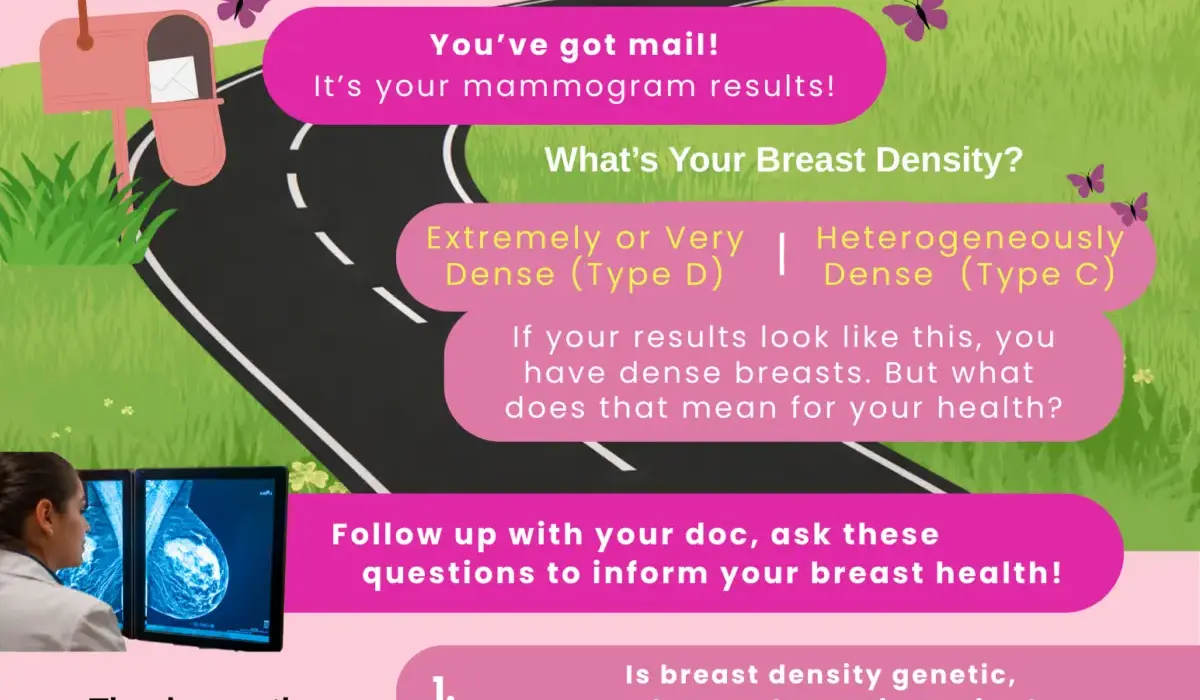
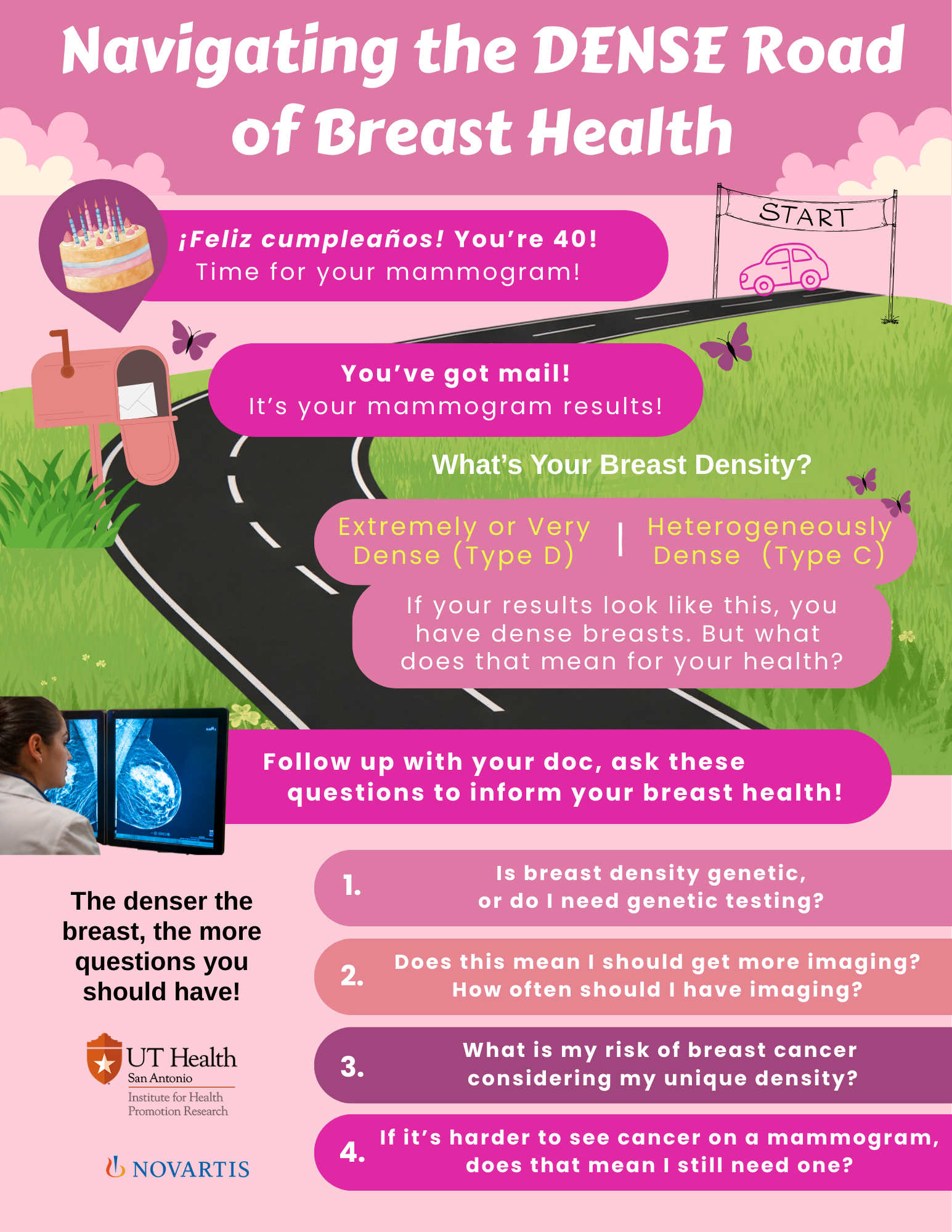
Recognizing the specific educational needs of diverse populations, initiatives like "The Breast Density Road Map"—created through a partnership between Salud America! and Novartis—help women interpret mammogram results. This resource is particularly valuable for women who receive a dense breast diagnosis, offering clear guidance on how to discuss personal risk factors and supplemental screening options with their healthcare providers.
Choosing the Right Breast Cancer Oncologist
Selecting the appropriate medical team is a foundational step in establishing a successful treatment path. Patients require care providers who not only possess deep clinical expertise in oncology but also take individual personal needs, cultural backgrounds, and personal beliefs into consideration.
For patients residing in South Texas, institutional resources such as the Mays Cancer Center provide dedicated directories, including a "Find a cancer care provider" tool designed to match patients with oncologists specializing in their specific cancer type. On a national level, professional organizations maintain extensive databases where patients can search for board-certified oncologists based on geographic location and clinical subspecialty.
Furthermore, comprehensive resources provided by major cancer advocacy groups break down the distinct types of oncologists, outline key considerations for evaluating medical practices, and offer guidance on finding physicians who accept Medicare and other specialized health plans.
Participating in Breast Cancer Clinical Trials
Clinical trials represent a vital frontier in the ongoing fight against cancer, allowing researchers to evaluate innovative therapies aimed at slowing, managing, and ultimately curing the disease. However, historical gaps in clinical trial participation among minority and underserved populations mean that new treatments may not always reflect the broader patient demographic.
Dr. Amelie Ramirez, director of Salud America! and the Institute for Health Promotion Research at UT Health San Antonio, emphasizes the multi-generational impact of clinical research participation. "Volunteers in clinical trials are not only helping themselves, but they’re also building a future with potentially better treatments that can help their families in the future," Dr. Ramirez noted.
Patients in the San Antonio area can utilize the Mays Cancer Center’s clinical trial database to explore regional research opportunities and eligibility requirements. Nationally, platforms like clinicaltrials.gov allow patients and their families to search for active studies being conducted across the country.
Reading and Sharing Survivorship Stories
The personal narratives of breast cancer survivors offer powerful testimony that can guide newly diagnosed patients, encourage routine screenings, and foster a sense of shared resilience. Stories from individuals who successfully navigated treatment or participated as research volunteers help demystify the disease for others facing similar health scares.
Building on the power of shared experiences, the Avanzando Caminos Hispanic/Latino Cancer Survivorship Cohort study at UT Health San Antonio is actively capturing the stories of cancer survivors across South Texas. The study is currently enrolling participants who have completed primary treatments for a wide variety of malignancies, including breast, prostate, colorectal, lung, stomach, liver, endometrial, cervical, kidney, bladder, melanoma, ovarian, thyroid, and lymphoma cancers.
Dr. Derek Rodriguez, program manager for the study, highlights the therapeutic and scientific value of capturing these narratives. "We want to be able to promote healing because for the first time in a long time, this may be someone’s first opportunity to give their cancer story," Dr. Rodriguez explained. "We want to be able to empower others to share their story as well. And we want to be able to better understand, detect, treat, and prevent cancer in the long run for other future survivors."
Individuals interested in participating in the Avanzando Caminos study or seeking further information can contact the research team at the Institute for Health Promotion Research at UT Health San Antonio or complete the brief eligibility survey available through their English and Spanish digital portals.