




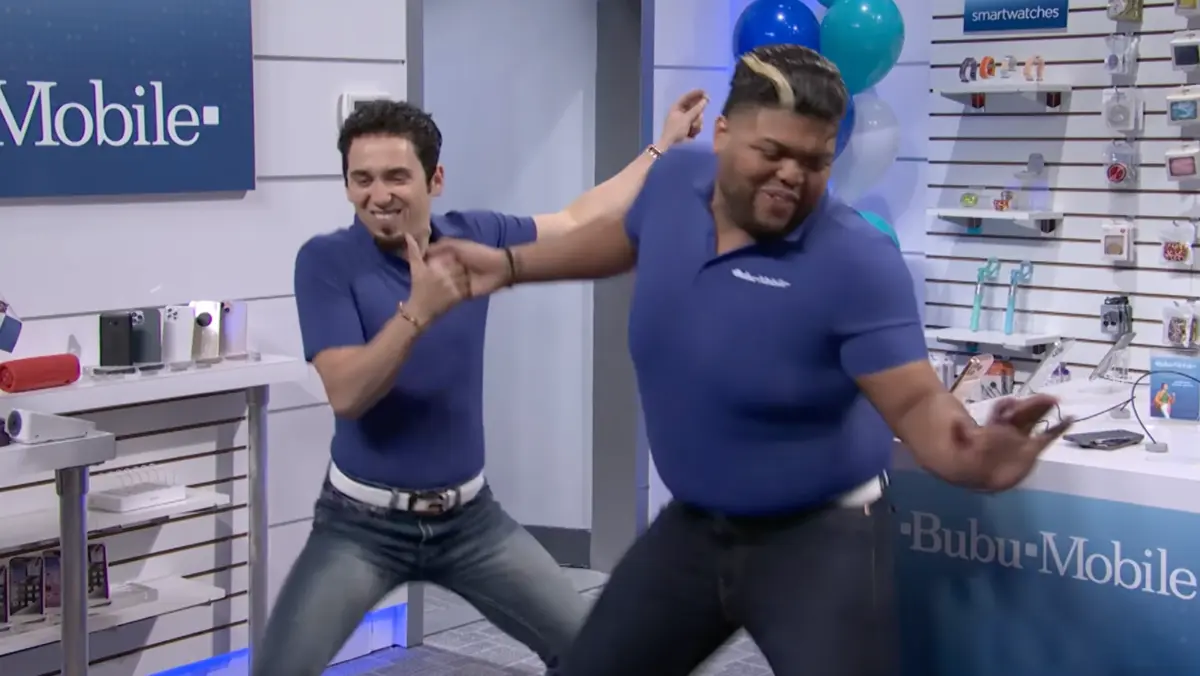
Saturday Night Live has long anchored its legacy in satire, utilizing sketch comedy to poke fun at political power, cultural trends, and the everyday absurdities of American life. Yet, a sketch that aired during the November 7 episode has stirred considerable debate, proving that not everyone in the audience was laughing. The segment, titled "Bubu Mobile," quickly became a focal point of online discussions across Dominican and broader Latino communities, shining a light on the delicate and often contentious line between cultural humor and tired stereotyping on mainstream television.
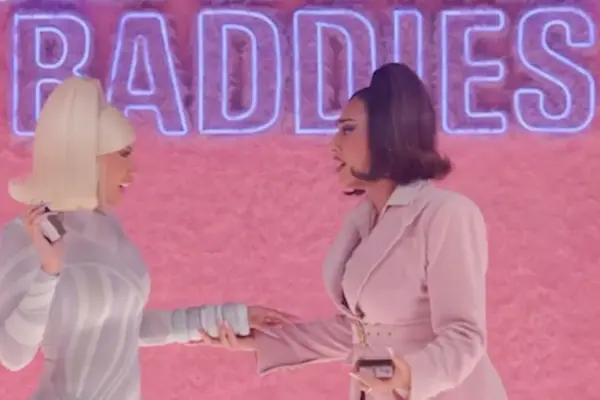
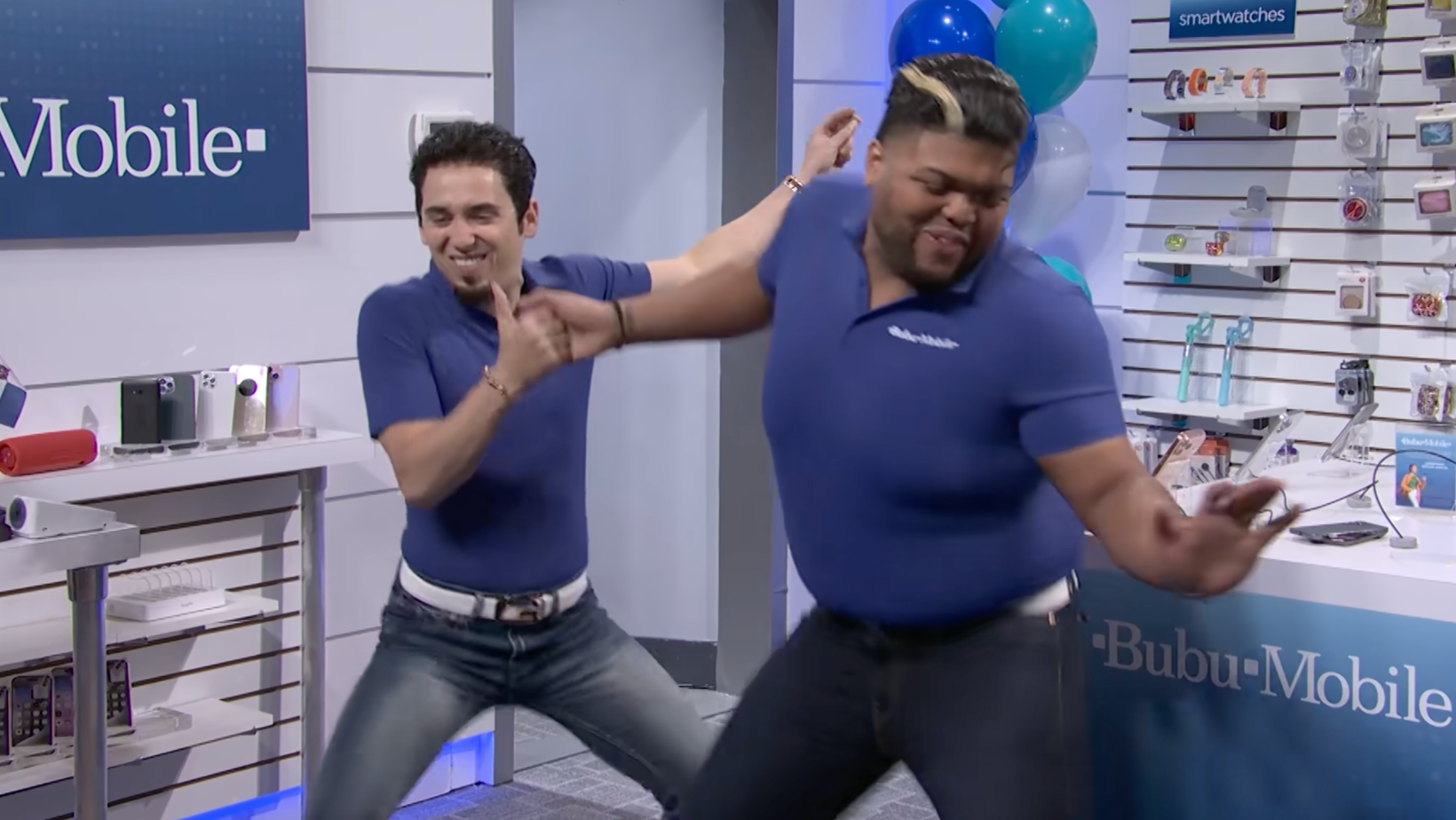
The segment featured recurring cast member Marcello Hernandez alongside guest comedian Druski playing employees at a bustling neighborhood cell phone shop. From its opening moments, the humor leaned heavily on exaggerated Dominican accents, broken English, rapid-fire deliveries, jokes about personal space, and recurring tropes regarding infidelity and domestic chaos. While the live studio audience offered standard laughs, many viewers at home felt the sketch did not achieve genuine satire. Instead, critics argued it reduced an entire community and its rich cultural identity to a set of recycled caricatures rather than offering anything resembling true comedic observation or storytelling.
Why Marcello Hernandez’s Involvement Stung
The inclusion of Marcello Hernandez in the sketch intensified the reaction from viewers. Hernandez is of Cuban and Dominican descent and has frequently leaned into his heritage as a core component of his rising stardom on the show, earning praise for bringing visibility to Latino experiences in a traditionally homogenous space. Consequently, his decision to participate in and co-write or perform a sketch that relied so heavily on traditional immigrant caricatures left some audiences deeply disappointed.
For many fans and cultural critics, the core issue was never about whether Dominican culture, or any Latino culture, is off-limits for comedy. Rather, the frustration stemmed from whether the material added anything real to the cultural conversation or simply recycled imagery that has historically been used to diminish and marginalize Latino immigrants in American media. When a performer with direct cultural ties to a community helps package those tropes for a mainstream, predominantly non-Latino audience, the impact can feel particularly painful to those who look to these platforms for authentic reflection.
The Difference Between Satire and Stereotype
Comedy has always provided a space to exaggerate human behavior, push boundaries, and make audiences uncomfortable in ways that ultimately reveal deeper truths about society. However, the online and offline conversations reopened by "Bubu Mobile" center on what happens when ethnicity, language, and culture become the entire punchline rather than the framing device for a broader narrative.
When an accent, a language barrier, or cultural mannerisms are treated as inherently funny without any underlying subversion, perspective, or clever writing, the material lands very differently depending on who is watching. To audiences unfamiliar with the nuances of Dominican culture, the sketch risks reinforcing flat, one-dimensional perceptions. Meanwhile, for those who live within that culture, seeing complex people flattened into broad tropes feels frustratingly familiar, echoing decades of television history where minority communities served as the butt of the joke rather than the architects of it.
What the Response Reveals
The intensity of the backlash highlights a broader shift in how communities consume and critique media representation. Over the past several years, Dominican audiences have witnessed their culture achieve unprecedented visibility in U.S. pop culture. From mainstream music charts and blockbuster films to the growing presence of Dominican actors, musicians, and comedians in spaces that once ignored them entirely, the cultural footprint has expanded dramatically.
This rising tide of visibility has naturally brought with it an expectation of more thoughtful, multi-dimensional representation. When mainstream institutions like Saturday Night Live miss the mark, moments of misrepresentation tend to land much harder precisely because audiences expect more from the creators and performers who represent them. As the conversation continues to unfold across social media platforms and cultural commentary spaces, neither NBC, Saturday Night Live, nor Marcello Hernandez has issued a public response to the criticism. Nevertheless, the debate remains active, serving as a reminder of the ongoing challenges of balancing broad sketch comedy with respectful cultural portrayal in contemporary television.