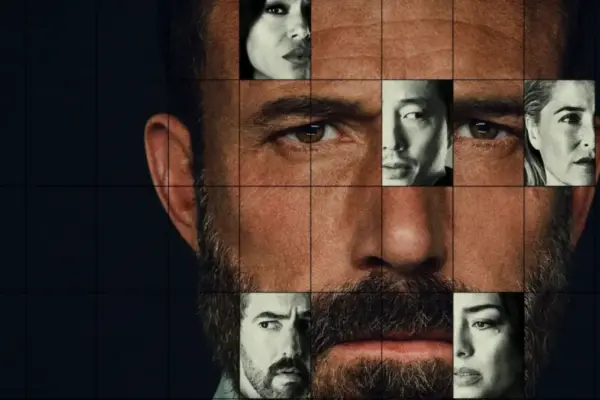





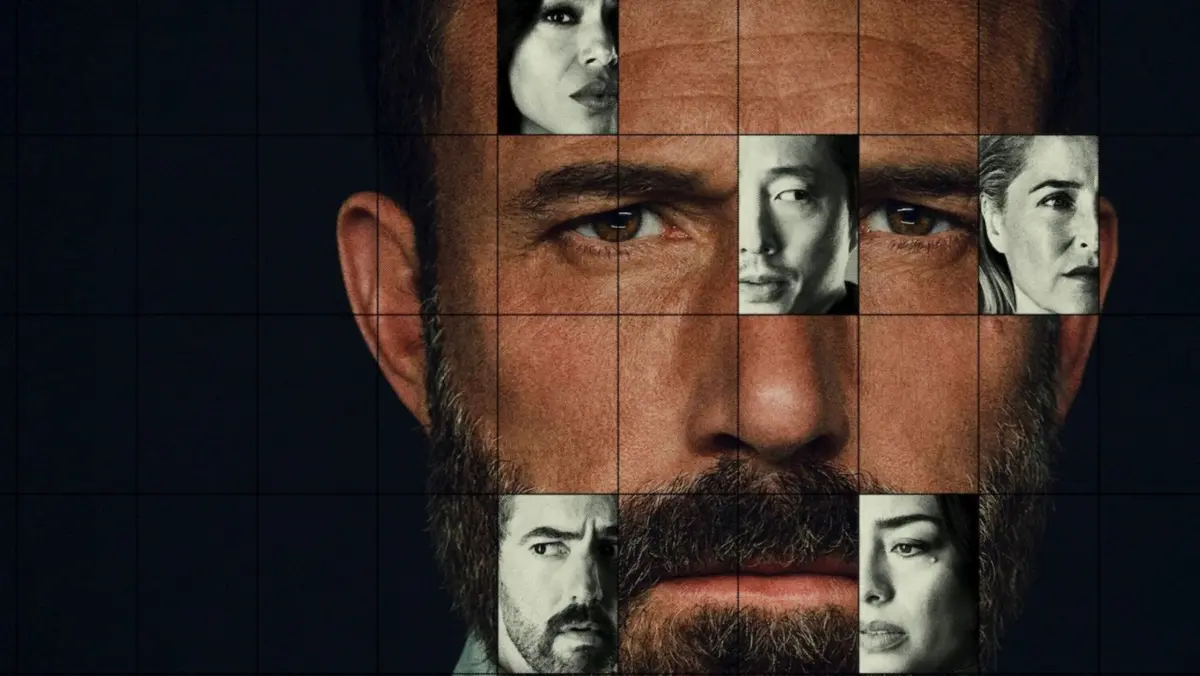
Ben Affleck recently sat down for an in-depth conversation with veteran journalist Jorge Ramos to discuss his latest directorial project, the Netflix film Animals. Throughout the interview, the actor and filmmaker made it abundantly clear that this cinematic endeavor was never intended to be a mere detached creative exercise or a safe commercial venture. Instead, the project represents a deeply personal exploration of modern migration, human dignity, and the complex social fabric of the United States. Speaking with Ramos, Affleck reflected on his belief that the United States is fundamentally a nation built by immigrants, noting that his own family history and heritage heavily inform his worldview.
At the center of Animals are two Mexican characters, Luis and Adriana, whose struggles and triumphs serve as a microcosm for the broader immigrant narrative in America. For Affleck, framing the story this way was not a calculated marketing angle, but rather an artistic and moral conviction that guided every single decision he made while co-writing and directing the film. That foundational belief also meant confronting the very real, often tense political climate surrounding immigration in the United States today—a reality that ultimately bled into the physical production of the movie in ways the filmmaker could never have anticipated when he first signed on to the project.
He Knew Making This Film Was a Risk and He Made It Anyway
Affleck was remarkably direct during his conversation with Ramos about the inherent risks of steering a high-profile production centered explicitly on the dignity, humanity, and daily struggles of immigrant characters. In the current socio-political environment in the United States, tackling immigration head-on in mainstream entertainment can often invite controversy or polarization. Yet, Affleck emphasized that he deliberately chose to accept those risks because the topic was simply too vital to ignore.
He explained to Ramos that his primary creative objective was to portray immigrants not as flat background figures or passive victims in someone else’s narrative, but as fully realized human beings acting as the true protagonists of their own stories. In a media landscape where non-English language stories and foreign narratives are occasionally treated with commercial hesitation, Affleck also pushed back against long-held industry assumptions. He openly addressed the pervasive perception among Hollywood executives that English-language audiences suffer from "subtitle resistance"—the idea that viewers will disengage from productions that require reading translations on screen. By moving forward with the film regardless of these commercial calculations, Affleck demonstrated his belief that the social relevance, honesty, and emotional resonance of the immigrant experience far outweighed traditional box-office formulas or risk-averse studio strategies.
Furthermore, Affleck ensured that the authenticity of the characters extended behind the camera as well as in front of it. Recognizing the importance of genuine cultural representation, he handed creative control over to his Mexican lead actors, Adriana Paz and Luis Gerardo Méndez. Rather than forcing them to recite dialogue written purely from an outside perspective, Affleck gave them the autonomy to write their own lines. This collaborative approach guaranteed that the conversations on screen reflected authentic experiences, nuances, and linguistic rhythms, elevating the film beyond a standard Hollywood portrayal of the immigrant community.
ICE Was Operating on His Filming Locations and the Script Was Playing Out in Real Life
The interview between Affleck and Ramos unfolded against a broader national backdrop marked by intense debates over U.S. immigration policy, border enforcement, and the widespread community impact of Immigration and Customs Enforcement (ICE) operations. Animals enters this charged cultural dialogue precisely when the boundary separating cinematic fiction from everyday reality has grown razor-thin.
During the interview, Affleck recounted a startling aspect of the production process that fundamentally altered the atmosphere on set. The movie was shot on location in Los Angeles, a sprawling metropolis with deeply rooted immigrant communities. According to the director, there were specific days during production when the crew had to abruptly suspend filming because active ICE operations were unfolding directly in the surrounding neighborhoods where the cameras were rolling.
Affleck described witnessing this collision between his script and the daily reality of his filming locations as an extraordinary and sobering experience. Watching the very situations written into his screenplay play out in real life on the exact same streets gave the production an undeniable gravity. It transformed what might have been an ordinary film shoot into a visceral encounter with contemporary social realities, providing a depth and emotional urgency that no amount of traditional pre-production research could ever manufacture. This surreal overlap between fiction and reality reinforced to Affleck just how critical it was to handle the subject matter with profound respect, care, and accuracy.
He Said This Is a Country of Immigrants and His Family Proves It
For Affleck, the decision to helm Animals is inextricably linked to his personal background and his view of American history. Speaking candidly to Ramos, he reiterated that his own people and his own family share an immigrant history, anchoring his artistic choices in a broader historical framework. In his view, the trials faced by the characters in the film are inseparable from the ongoing narrative of the United States—a nation whose identity has continuously been forged by newcomers who crossed borders, settled down, and built their lives from the ground up.
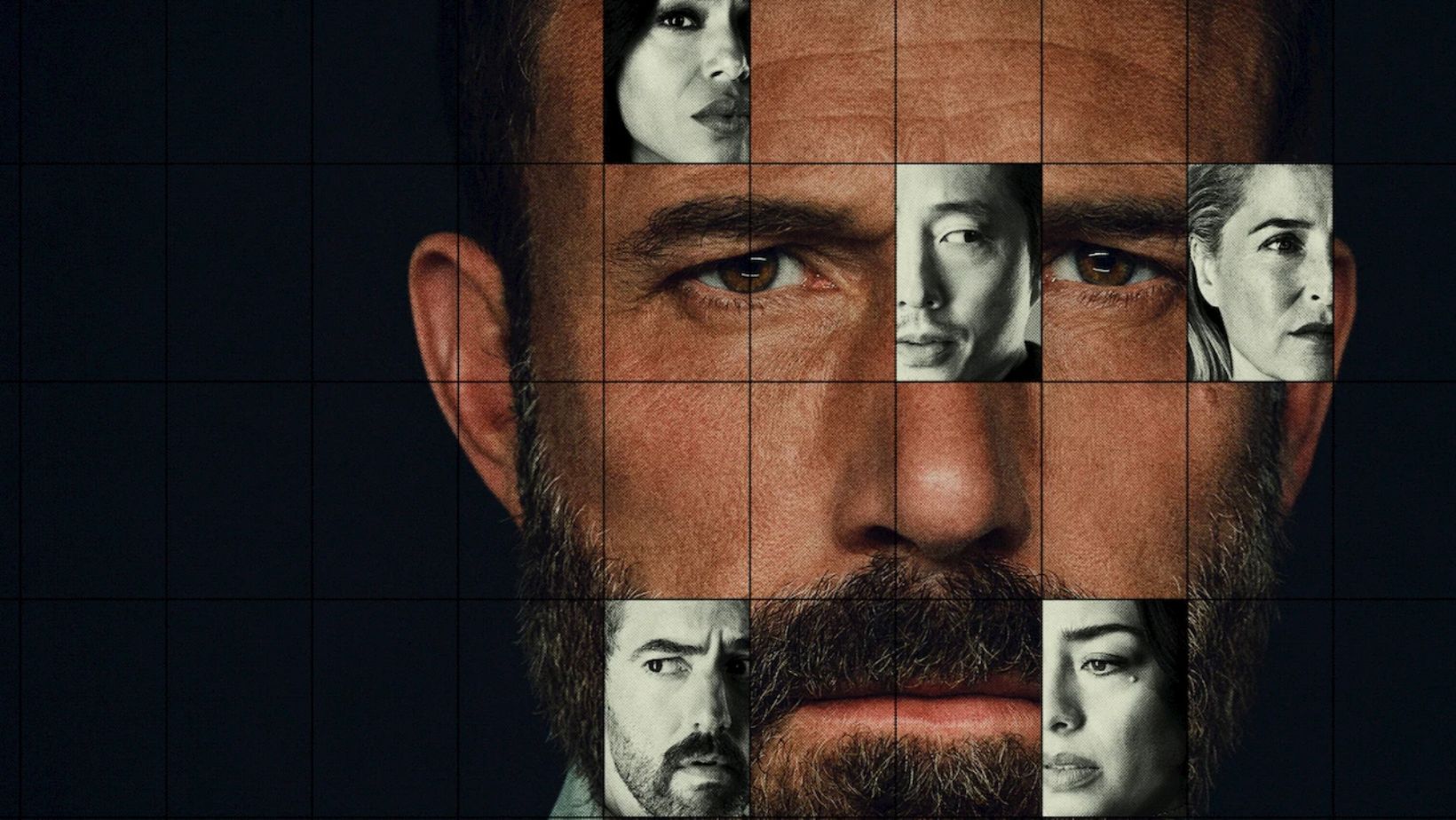
This personal ethos complements the high-profile nature of the production. Animals boasts a celebrated ensemble cast, featuring prominent actors such as Kerry Washington, Gillian Anderson, Steven Yeun, and Ray Fisher alongside its Mexican leads, Adriana Paz and Luis Gerardo Méndez. The project was brought to life in association with Artists Equity, the independent production studio that Affleck co-founded alongside longtime collaborator Matt Damon. By championing a project of this scale through their studio, Affleck and his team signaled a willingness to use their industry leverage to back stories that push boundaries and engage with complex societal themes.
As Animals begins streaming on Netflix, it steps directly into a national conversation that is already deeply personal and politically charged for millions of viewers across the country. Through his candid discussion with Jorge Ramos, Affleck made it clear that the challenges faced during production—from navigating real-world ICE operations on the streets of Los Angeles to fighting against industry assumptions about foreign-language subtitles—only served to validate the necessity of the film. By trusting his actors to shape their own narratives and refusing to shy away from the realities of the modern immigrant experience, Affleck has delivered a project that uses the power of cinema to reflect the complex, ever-changing face of America itself.