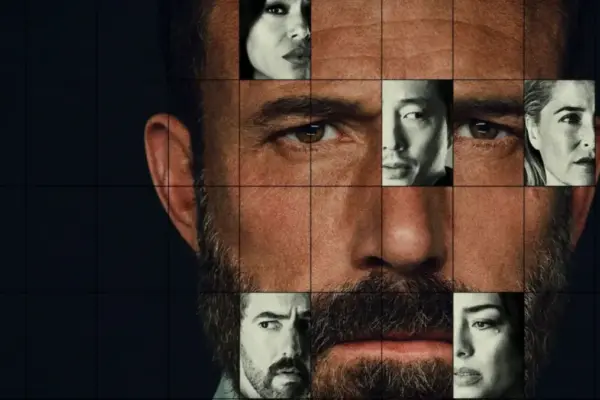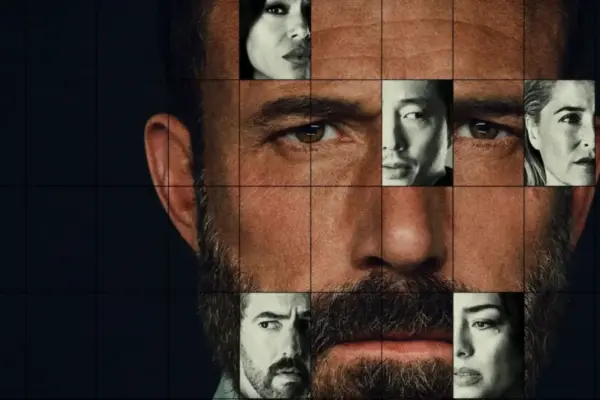











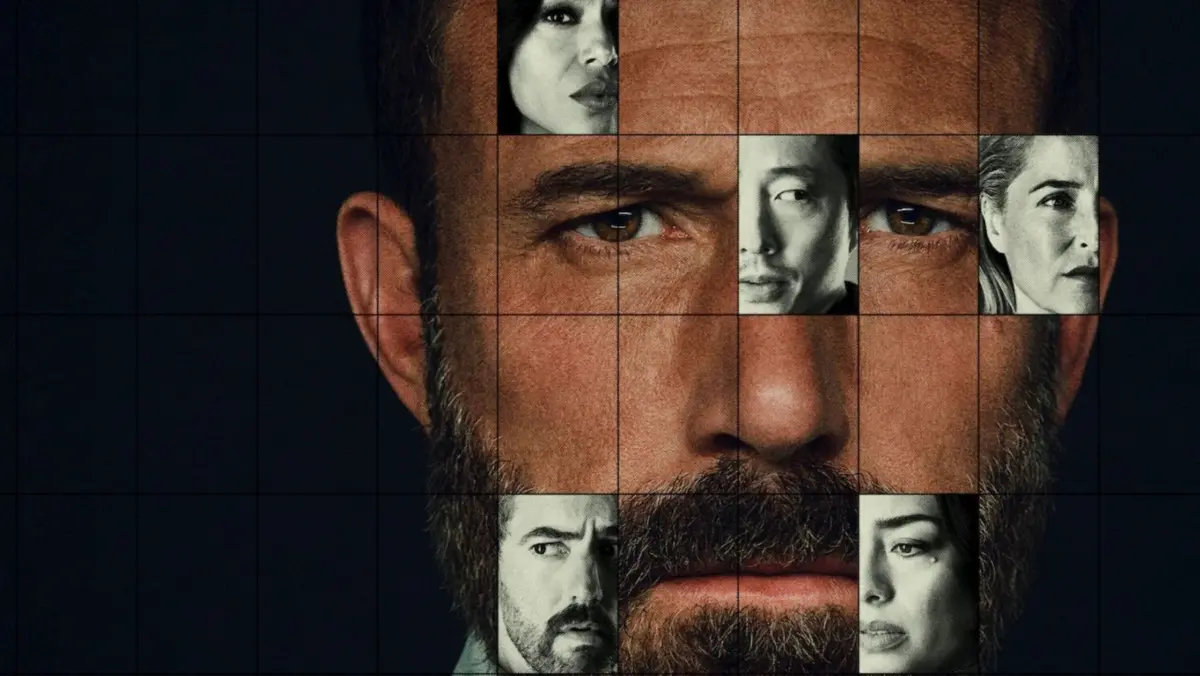
Ben Affleck recently sat down for an in-depth interview with veteran journalist Jorge Ramos to discuss his latest directorial project, the Netflix film Animals. During the conversation, the Academy Award-winning filmmaker made it clear that this particular project was never intended to be a detached creative exercise or a safe commercial venture. Instead, the film represents a deeply personal and socially conscious exploration of the immigrant experience in the United States.
Speaking to Ramos, Affleck emphasized that the United States is fundamentally a country of immigrants, noting that his own family and heritage share in that narrative. He explained that the central story of Luis and Adriana—the two Mexican characters at the heart of Animals—is ultimately the story of America itself. This guiding philosophy was not merely a marketing angle or a superficial talking point; rather, it served as the foundational conviction that drove every creative and logistical decision he made while co-writing and directing the film. Furthermore, this perspective heavily influenced how he navigated the substantial professional and political risks associated with producing such a timely narrative in the current sociopolitical climate.
Affleck candidly acknowledged that fear and anxiety among immigrant communities across the United States have escalated significantly in recent years. This harsh reality manifested itself directly during the production of Animals in a manner that the director admitted he could not have fully anticipated when the project first began development. The film was shot on location in Los Angeles, a sprawling metropolis with a vibrant, deeply rooted immigrant culture, but also a frequent focal point for federal immigration enforcement.
During the Los Angeles shoot, production crews occasionally had to halt filming entirely because Immigration and Customs Enforcement (ICE) operations were actively taking place in the immediate neighborhoods where the cast and crew were working. Affleck described the surreal and sobering experience of watching the exact geopolitical tensions and human struggles depicted in his script play out in real life right outside the perimeter of the set. For the director, witnessing this collision of fiction and reality on the same city streets at the same time added an extraordinary layer of urgency and emotional weight to the production.
He Knew Making This Film Was a Risk and He Made It Anyway
Affleck was refreshingly direct about the fact that centering a major motion picture on the dignity, humanity, and struggles of immigrant characters represents a calculated risk within the contemporary American political and cultural landscape. Despite knowing that the subject matter would likely court controversy or face headwinds in a polarized environment, he made the deliberate choice to move forward because he believed the topic urgently demanded cinematic attention.
In his discussion with Jorge Ramos, Affleck articulated his desire to portray immigrants not as flat supporting players or background elements in someone else’s narrative, but as fully realized human beings with dignity who serve as the true protagonists of their own stories. He recognized that holding a prominent platform in Hollywood comes with a distinct social responsibility, and the intense relevance of the current political moment made it impossible for him to look away or shy away from telling an authentic story.
The director also addressed a pervasive assumption within the traditional film industry regarding English-language audiences and their alleged aversion to subtitles. For decades, commercial Hollywood has operated under the widespread belief that non-Spanish-speaking audiences strongly prefer English-language content and will quickly disengage from major productions that require reading subtitles. Affleck actively pushed back against that commercial calculation. By moving forward with the film regardless of these industry conventions, he demonstrated his belief that the social relevance of the story and the ethical importance of representing the immigrant experience with honesty and respect far outweighed any potential box-office risks tied to language barriers.
ICE Was Operating on His Filming Locations and the Script Was Playing Out in Real Life
The interview with Jorge Ramos unfolded against a backdrop of ongoing national discourse surrounding U.S. immigration policy, border enforcement, and the tangible human impact of ICE operations on local communities. Affleck’s film arrives at a critical juncture when the distance between cinematic fiction and everyday reality has narrowed dramatically.
Reflecting on the days when production had to be paused due to active ICE operations in Los Angeles, Affleck explained that these interruptions did not merely serve as inconvenient logistical hurdles. Instead, they sharpened his fundamental understanding of the project, reinforcing why Animals needed to exist in the first place.
Witnessing federal immigration enforcement unfold in the very neighborhoods where they were working provided a stark, real-world parallel to the narrative themes woven into the script. This strange intersection of art and life gave the film a profound depth that no amount of traditional pre-production research or academic preparation could have generated. This immersive, high-stakes environment profoundly influenced how seriously Affleck approached his responsibility to get the immigrant characters right. In an effort to ensure authenticity, he took the collaborative step of asking Mexican actors Adriana Paz and Luis Gerardo Méndez to help write their own dialogue, allowing them to shape their characters’ voices rather than relying solely on pre-written lines.
He Said This Is a Country of Immigrants and His Family Proves It
Ben Affleck’s personal connection to the overarching themes of immigration is not a superficial narrative device; it is central to why he chose to champion this specific project at this particular point in his career. He told Jorge Ramos plainly that his own people and his family are immigrants, reinforcing his belief that the struggles and triumphs of the characters in Animals mirror the broader history of the United States. In his view, America has always derived its identity, resilience, and cultural richness from the millions of people who arrived from foreign shores to build their lives and futures anew.
This personal ethos aligns closely with his professional trajectory. Animals boasts a high-profile ensemble cast featuring acclaimed actors such as Kerry Washington, Gillian Anderson, Steven Yeun, and Ray Fisher, alongside its talented Mexican leads. The film was produced in association with Artists Equity, the independent studio Affleck co-founded alongside longtime collaborator Matt Damon. Affleck pursued this ambitious vision fully aware that the film would step directly into a fiercely charged national conversation—one that remains deeply personal and emotionally resonant for millions of viewers across the country. Animals is currently available for streaming on Netflix.