
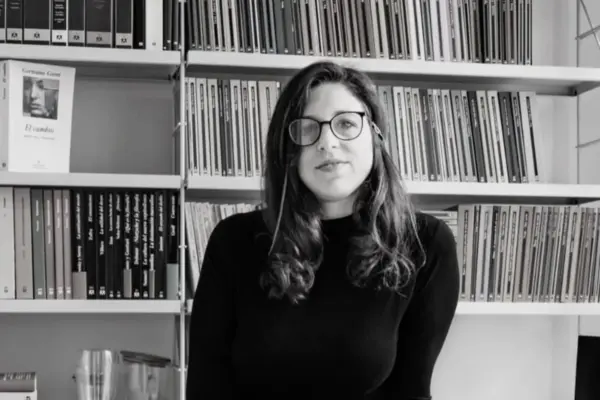



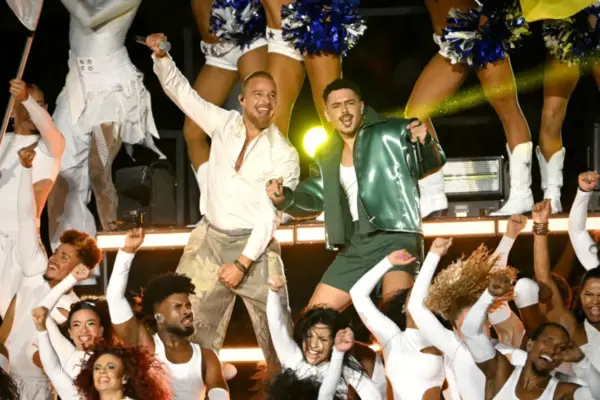

When Gap unveiled its latest campaign featuring Puerto Rican music star Young Miko, cultural observers immediately recognized a distinct shift in the iconic American brand’s creative direction. The collaboration is much more than a high-profile casting choice designed to capture momentary attention; it serves as a clear reflection of a deeper structural evolution happening behind the scenes at the executive level. At the center of this transformation is Faby Torres, Gap’s Chief Marketing Officer, whose leadership and vision are actively reshaping how the heritage apparel brand shows up culturally, the stories it chooses to tell, and the diverse talent it decides to align with on a global scale.
Torres’s influential presence at the executive table demonstrates that modern representation in corporate America is moving far beyond performative gestures. Instead, her perspective is directly embedded into the decision-making process itself. From the viral success of the KATSEYE campaign to the current co-creative partnership with Young Miko, Gap is leaning heavily into global, multicultural storytelling in a way that feels intensely deliberate rather than purely trend-chasing. For Torres, this shift begins at the very top of the corporate hierarchy, where leadership sets the standard for authenticity and cultural resonance.
Reflecting on her journey to one of the most visible marketing roles in the fashion industry, Torres often returns to her roots and the foundational experiences that shaped her ambitions. As a Latin woman, and specifically as a Mexican woman who grew up in her home country, she harbored deep-seated aspirations from a young age. Even today, she maintains the same level of curiosity, intellectual engagement, and expansive ambition that fueled her early dreams.
Rather than viewing her background and identity as a limitation within traditional corporate environments, Torres has systematically reframed it as a distinct professional advantage. Throughout her career, she has challenged traditional notions of what it means to be a Latina operating in global executive rooms. Instead of allowing her identity to box her in, she uses it as a lens that expands her worldview and enhances her ability to build culturally relevant brands.
As Torres explains, she chose to embrace her cultural heritage as a superpower. Recognizing her deep expertise in brand marketing, coupled with her natural curiosity and creative instincts, she views her multicultural background as an integral part of her professional arsenal.
This unique perspective is precisely what infuses campaigns like the one with Young Miko with a different kind of energy. The collaboration goes far beyond simply hiring a famous Latina artist to model clothes; it demonstrates a genuine understanding of the cultural weight, artistic integrity, and community influence she carries. By giving Young Miko the space to show up fully in her own language, distinct sound, and authentic energy, Gap has created a moment that feels both timely and necessary. Torres emphasizes that this partnership was never a random occurrence, but rather a long-overdue alignment. According to Torres, it is the right time and the right moment for the brand, noting that Gap had not previously collaborated with a Latin artist in this new era, making Young Miko a seamless fit for the creative brief.
Equally telling is the collaborative process behind the campaign’s construction. Under Torres’s guidance, inclusion is never treated as a final, superficial step added at the end of production; rather, it is thoroughly embedded into every stage of the process. From the initial strategy rooms where creative concepts are developed to the diverse groups of people shaping the final output, Torres places a heavy emphasis on ensuring that every voice in the room contributes meaningfully to the ultimate outcome.
Torres believes strongly in the power of collective input, noting that all voices in a room need to be heard, from experienced team members to younger contributors. By fostering an environment of open dialogue, she ensures that leadership learns from the team just as the team learns from leadership, creating a cyclical exchange of ideas that keeps the brand fresh and relevant.
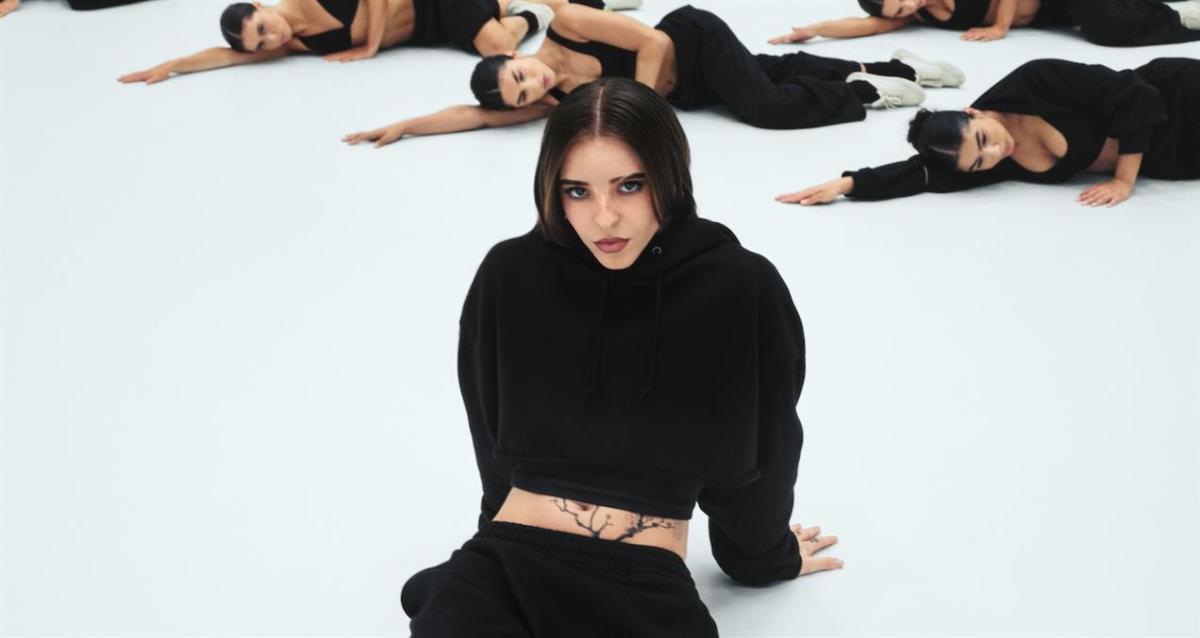
This inclusive ethos translates directly into the tangible work seen by the public. In the context of the Young Miko campaign, this meant going beyond merely spotlighting the artist as the primary face of the collection. Gap invested heavily in her artistry by co-producing music content, building a cohesive visual and cultural world around her, and ensuring that the entire supporting cast reflected the same level of authenticity.
Highlighting the importance of the supporting talent, Torres points out that the dancers are a vital part of the overall cast. With many of them coming from Latin backgrounds, their inclusion offered the brand a genuine opportunity to demonstrate care while bringing the authentic energy, movement, and distinct swag that define the Gap identity.
Ultimately, what Faby Torres is successfully building at Gap serves as a powerful reminder that true representation at the executive level is structural rather than purely symbolic. It fundamentally dictates who receives visibility, how complex cultural stories are told, and whether culture is treated as a fleeting aesthetic or a deeply respected lived experience.
The results speak for themselves. When Latinas occupy decision-making seats in executive boardrooms, the resulting work does not merely look different—it feels different.
Interview conducted by Caroline Salinas.