





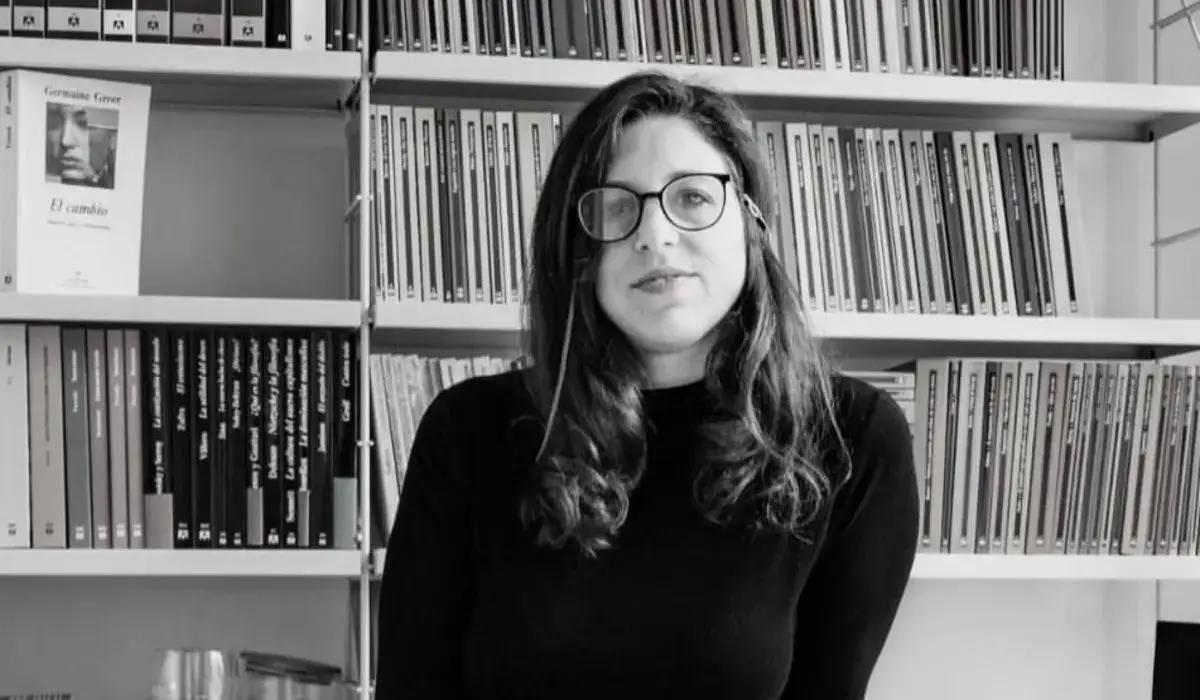
The diplomatic fallout surrounding the cancellation of acclaimed Argentine author Ariana Harwicz from a high-profile literary event in Spain has escalated significantly, drawing a formal intervention from the Argentine Embassy. In an official diplomatic communication sent on Monday, the embassy called upon the University of Granada to take immediate and concrete steps to redress the author and restore fundamental guarantees of non-discrimination.
The controversy centers on Harwicz’s abrupt exclusion from the CULTUR-ALH International Festival of Art, Literature and Humanities, an event held in the historic Andalusian city. In its letter directed to the university’s rector, the Argentine Embassy categorized the decision to drop the author as a matter of "special institutional gravity," urging university administrators to implement corrective mechanisms to address what it views as a severe breach of cultural and institutional fairness.
The dispute began to unfold when Harwicz was stripped of her scheduled appearance following intense pressure from the University Network for Palestine of Granada, alongside one of the participating local book clubs. The multi-day festival features a distinguished lineup of international literary figures, including renowned authors such as John Banville, Gabriela Cabezón Cámara, Patrick Boucheron, María Fernanda Ampuero, and Juan Villoro.
Harwicz, an Argentine writer currently residing in France who achieved international acclaim as a finalist for the International Booker Prize in 2018, had been scheduled to participate in a panel discussion on September 26. The session, titled "Opposing the World," was set to take place at the prominent Plaza de las Pasiegas alongside fellow writer Jesús Ortega.
Uninvited and Canceled
The sequence of events leading to Harwicz’s removal was swift. Following the release of an open letter from the University Network for Palestine of Granada urging festival organizers to reconsider and rescind Harwicz’s invitation, the organizers ultimately yielded to the pressure, resulting in her sudden uninvitation from the program.
Speaking to the prominent Spanish newspaper El País, Harwicz voiced her belief that she was targeted and removed from the festival because she is Jewish. Describing the experience of being "unprogrammed at the last minute," she expressed deep concern over the social climate, remarking that "today Jews are being turned into pariahs."
Taking to social media to break her silence, Harwicz published a post on the platform X in which she asserted that the festival organizers had "given in to pressure from activists" and "given in to terror." She added that she had been fully prepared to attend and participate in the event even if it meant facing active demonstrations against her presence.
In a swift defense of their actions, the University Network for Palestine of Granada issued a public statement pushing back against the author’s characterization of the events. "We pose no danger to anyone," the Network responded. "A letter is not a threat. Protesting is a right and, in the face of genocide, an obligation." To substantiate their campaign and explain their objection, the activist group highlighted a prior social media post by Harwicz in which she stated that "there is no genocide" taking place in Gaza.
The controversy deepened as several fellow authors participating in the festival stepped forward to clarify their stance. A joint statement was released by seven writers on the festival roster—Rita Laura Segato, Lina Meruane, Sabina Urraca, Gabriela Wiener, María Fernanda Ampuero, Ángelo Néstore, and Brenda Navarro—stating that their objections were strictly rooted in Harwicz’s public political statements rather than her Jewish identity.
"We criticize public positions, not identities," the writers declared in their joint statement, explicitly endorsing the position taken by the Granada activist network. At the same time, the group of authors offered a critique of the festival’s administrative handling of the situation, faulting the organizers both for extending the invitation to Harwicz in the first place and for revoking it only after it had been publicly confirmed.
In their communication, the writers acknowledged that they "value" Harwicz’s literary contributions and her distinct exploration of human complexity through her fiction. However, they argued that her controversial public commentary created an ethical dilemma that made it problematic for them to share a festival platform with her. Specifically, they accused her of denying what they define as a genocide against Palestinians, "endorsing extermination," and using insulting language toward individuals who vocally oppose military actions by Israel.
Furthermore, these participating authors rejected the festival management’s initial framing of the cancellation, which had hinted at security concerns or potential disruptions. They argued that if the decision was rooted in ethical disagreements, the organizers should have stated those reasons openly and transparently rather than attributing the change to logistical pressures.
As the debate polarized the cultural event, the University of Granada sought to distance itself institutionally from the controversy. In an official statement, the university’s governing team clarified that the removal of Harwicz was an exclusive decision made solely by the festival’s independent organizers, emphasizing that the university administration did not share or endorse that decision.
Meanwhile, the fallout has resonated broadly across the broader Latin American literary community, drawing varied reactions from prominent authors and artists. Harwicz has found staunch solidarity among several notable Argentine writers. Award-winning author Claudia Piñeiro publicly weighed in on the controversy, noting that while she does not personally share Harwicz’s political viewpoints, she strongly criticized the festival organizers for revoking the invitation.
Similarly, renowned Argentine illustrator Ricardo Siri, widely known by his pen name Liniers, responded directly to Harwicz’s post on X, emphasizing the fundamental necessity of open discourse in the arts.
"There is no culture without debate," he wrote.