


The intersection of sudden celebrity, immense wealth, and complex family dynamics has once again laid bare a deeply personal crisis in the Latin music community. Wanda Díaz, the mother of Dominican urban music star Yailin La Más Viral, recently appeared on a high-profile radio program and made startling public admissions, including expressing regret over motherhood and making controversial remarks about her daughter’s ex-partner, Anuel AA. The remarks have triggered a wave of public reactions and prompted an emotionally charged response from the artist herself, who publicly declared herself an "orphan" of both parents. This very public unfolding of private family grievances highlights the profound pressures that emerge when pre-fame relationships collide with extraordinary financial success and intense media scrutiny.
What Wanda Díaz Said During the Radio Interview
The controversy began when Wanda Díaz appeared as a guest on the popular radio program hosted by broadcaster Luinny Corporán. Over the course of the interview, Díaz addressed various facets of her life, her relationship with her famous daughter, and the emotional toll she claims to have experienced. Rather than presenting a picture of a supportive family unit enjoying the fruits of success, Díaz’s remarks painted a picture of deep-seated resentment and persistent strain.
When the conversation turned to the realities of her life, Díaz made the candid and striking declaration that she wished she could return to the version of herself that existed before her relationship with her daughters evolved into its current state. When directly asked about motherhood, she stated that she would prefer not to have been the mother of her children, adding that no matter what actions she takes, she always finds herself cast in the role of the villain within the family narrative. She described dedicating herself entirely to Yailin during her formative years and early career struggles, but argued that an accumulation of unresolved disagreements and mounting friction ultimately eroded that dedication over time, likening the deteriorating dynamic to an ever-deepening hole.
Díaz also detailed specific financial and personal disputes that contributed to the rift. Among them was a disagreement involving a car that Yailin had gifted her. According to Díaz, she wanted to sell the luxury vehicle to secure starting capital for a business venture, a proposal that Yailin opposed. Furthermore, Díaz expressed frustration over instances where she felt she lacked expected financial support from her successful daughter, alongside grievances that Yailin allegedly failed to back her own aspirations of pursuing a music career.
Perhaps the most viral and widely discussed portion of the interview involved Díaz’s comments regarding Puerto Rican trap and reggaeton star Anuel AA, Yailin’s ex-partner and the father of her young daughter, Cattleya. Díaz spoke about the artist in terms that left little room for misinterpretation, mentioning that she had always expressed to Yailin how attractive she found him. She went so far as to suggest that had circumstances been different and he had not been involved with her daughter, she would have pursued a romantic relationship with him herself. These remarks quickly transcended the original broadcast, spreading rapidly across platforms like TikTok, Instagram, and X, generating widespread commentary and amplifying the public nature of the family feud.
Yailin’s Response and Her Declaration of Independence
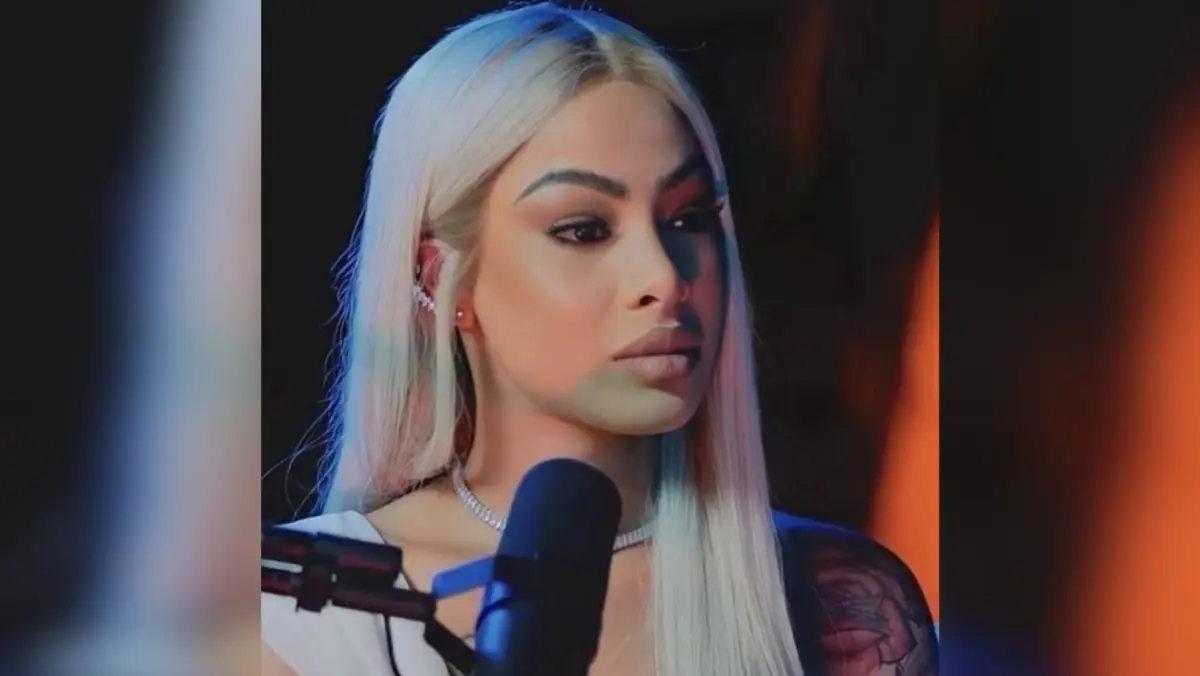
As the interview clips circulated widely across digital media networks, capturing the attention of millions of followers, Yailin La Más Viral chose to address the situation directly through her official Instagram broadcast channel. Eschewing a formal press release or a traditional sit-down interview, the urban artist communicated straight to her loyal fan base, urging them to disconnect her name from people and circumstances that no longer belong to her life.
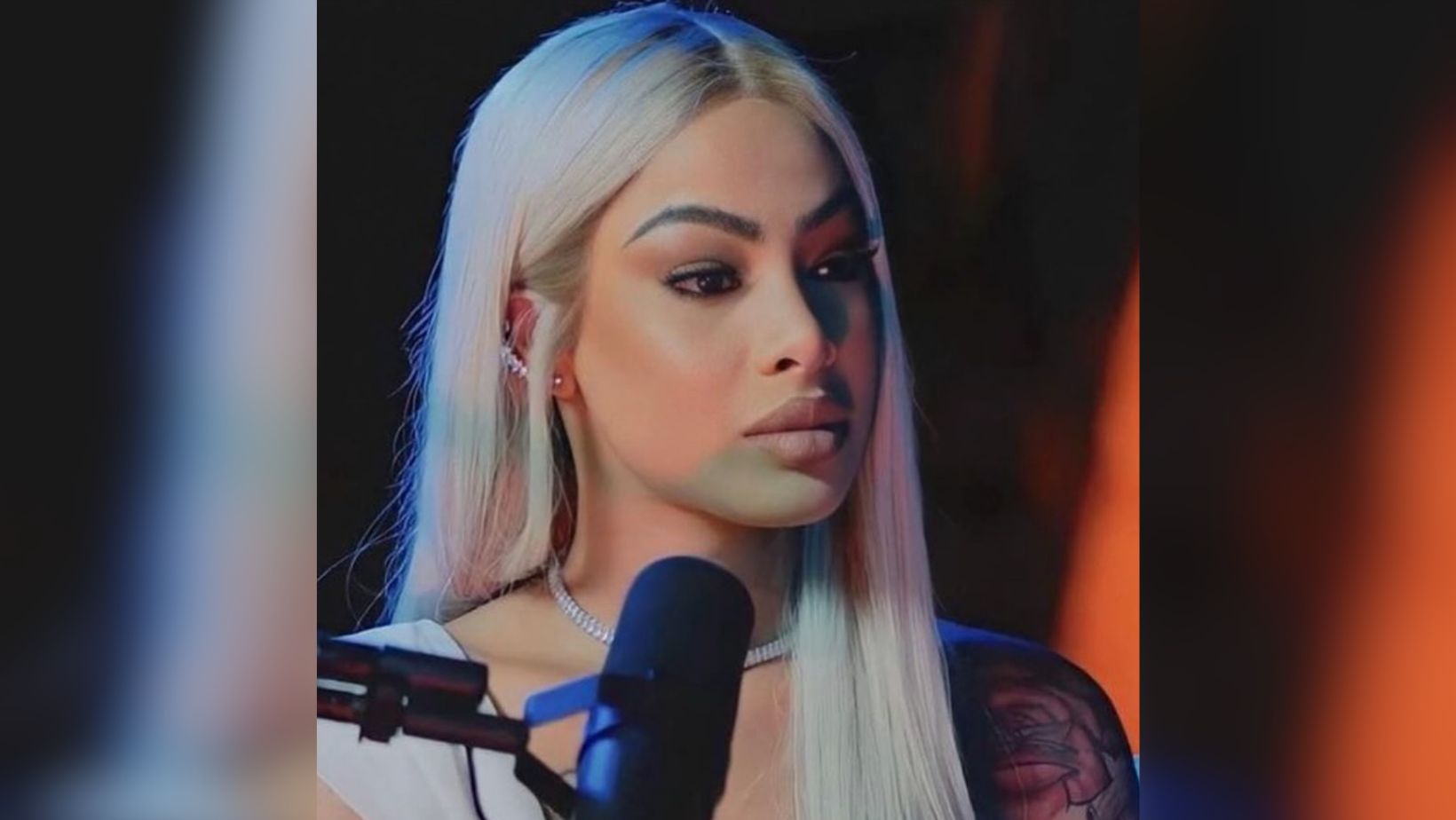
Reflecting on her journey, Yailin described herself as someone who has consistently given everything of herself to ensure the well-being of the people in her circle. She explained that taking care of others has long filled her heart because it provides an opportunity to extend support and resources that she herself went without during her earlier years. However, the tone of her message quickly shifted from reflection to a stark and definitive declaration regarding her personal life and emotional boundaries.
In a statement that left her followers and observers stunned, Yailin declared herself a woman who has been forced to navigate life entirely on her own. She described herself as an orphan of both her father and mother, asserting that despite this harsh reality, she is currently in a stable and productive place. Emphasizing a desire to protect her hard-earned peace, calm, and professional accomplishments, she stated that her focus is entirely on safeguarding everything she has built through intense effort and dedication.
Concluding her message with an expression of resilience, Yailin maintained that regardless of how difficult or painful circumstances might feel, she will continuously push forward. She noted that even if she felt the entire world stood against her, she possesses an internal strength far greater than any adversity she might face.
The Broader Context of Fame, Family, and Wealth in Urban Music
The very public fallout between Yailin La Más Viral and her mother is far from an isolated incident. Instead, it mirrors a recurring and recognizable pattern within the Latin urban music industry, where young artists often rise rapidly from modest and challenging backgrounds to sudden international fame and wealth. In many cases, the family and social networks that existed before the onset of celebrity struggle to adapt to the profound structural, financial, and emotional changes that accompany extraordinary success.
The expectations placed upon artists by their families, the shifting dynamics of financial support when one member’s income dramatically eclipses the rest, and the psychological burden of managing public scrutiny while tending to private familial roles are all prominent elements in the narrative described by Díaz. For artists like Yailin, who have frequently found themselves at the center of media attention—ranging from career milestones to well-documented personal struggles, including a recent public disclosure regarding extortion involving intimate content—maintaining personal boundaries becomes an arduous task.
Yailin’s measured yet unambiguous response via her broadcast channel indicates an intentional strategy to shield herself from external narratives that she did not author and refuses to let define her future. While representatives for the artist have chosen not to issue formal statements regarding Díaz’s television interview, Yailin’s direct words appear to serve as her definitive and singular commentary on the matter as she continues to focus on her music career and the protection of her personal peace.