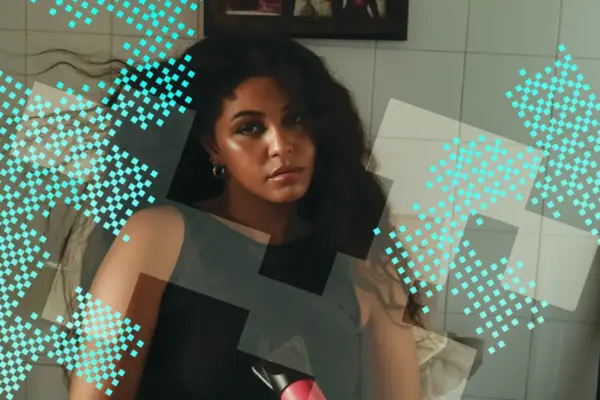



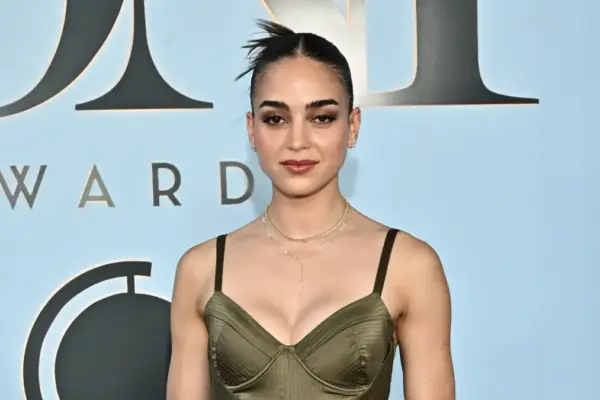



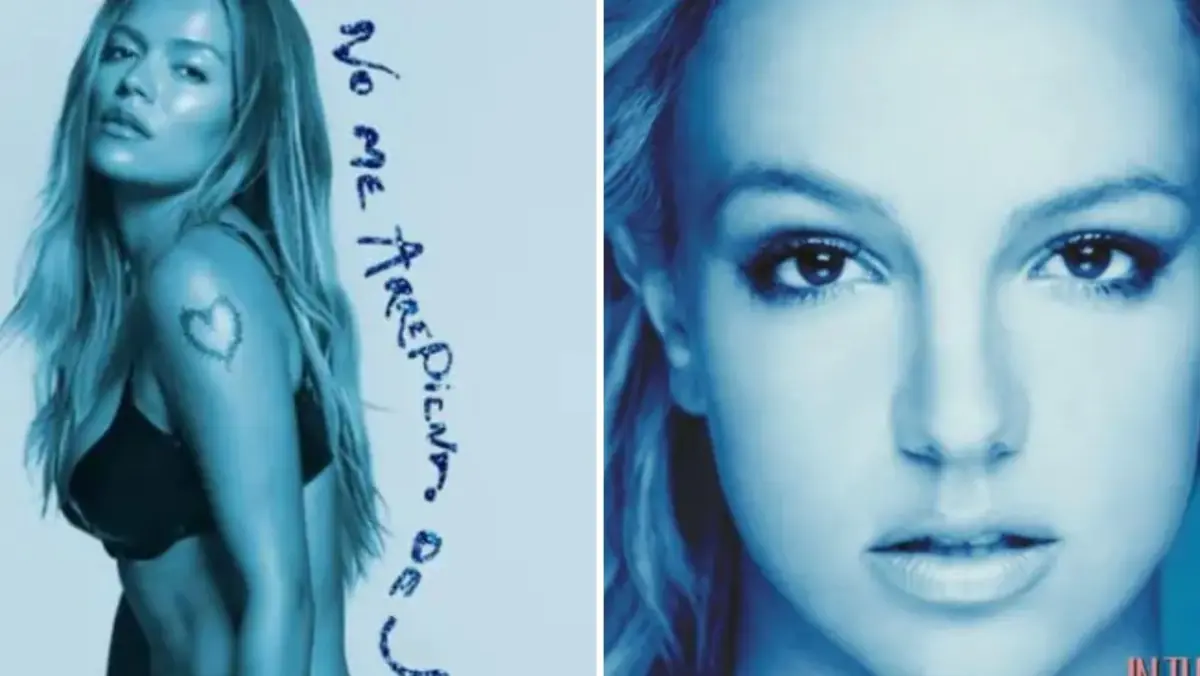
When global Latin music superstar Karol G announced her upcoming studio album, No Me Arrepiento de Sentir Tanto, set for release on August 7, 2026, anticipation was immediately palpable among her millions of fans. However, before a single track could be previewed or analyzed by music critics, the promotional cover art sent shockwaves through social media. Dominated by cool blue tones, soft ambient lighting, and a striking, introspective pose, the visual immediately reminded countless viewers of Britney Spears’ iconic In the Zone era from 2003.
The striking resemblance instantly ignited a polarized debate across platforms like X, Instagram, and TikTok. While some internet users quickly accused the Colombian powerhouse of lifting visual concepts from American pop history, others championed the imagery as a brilliant and intentional nod to a foundational era in pop culture. Yet, for anyone who has closely followed Karol G’s career trajectory and her frequent acknowledgments of the artists who paved the way for modern female superstars, the answer to the debate is neither complicated nor controversial.
Karol G has repeatedly stated in multiple past interviews that Britney Spears stands out as one of her biggest childhood inspirations. Because of this well-documented admiration, the visual similarities on the cover of No Me Arrepiento de Sentir Tanto feel far less like an accidental coincidence and much more like a deliberate, affectionate artistic choice. Even if the artist has not explicitly confirmed that this specific imagery directly references the In the Zone rollout, the broader context of her career makes hasty accusations of plagiarism feel remarkably ungenerous.
To label such artistic alignment as theft is to fundamentally misunderstand how culture and creative expression actually evolve. Inspiration, reference, and homage are not synonymous with intellectual property theft. Rather, they serve as the vital mechanisms through which culture moves forward, allowing modern creators to locate themselves within a historical lineage of artists who shaped them. It is a way of paying tribute to those who came before. The internet commentators demanding immediate outrage over a blue-tinted album cover evoking early 2000s pop aesthetics overlook the foundational ways in which musical and visual genres continuously converse with their past.
What the Album Cover Actually Represents
Art has always built directly upon the foundation of what preceded it. Painters have spent centuries referencing fellow masters, filmmakers routinely insert visual quotes into their cinematic frames, and musicians constantly absorb the sonic and visual textures of the artists who formed their musical tastes, eventually forging something entirely new from that rich inheritance. Karol G grew up during a defining era of pop music, watching Britney Spears completely redefine the visual, auditory, and cultural boundaries of what a mainstream pop star could achieve. She has never attempted to hide these roots.
An album cover that channels that specific early-2000s energy functions as an artist honoring her roots in real-time. Fans and casual observers who celebrate the reference on social media understand a fundamental truth that critics frequently miss: influence is never mere imitation. Karol G has meticulously constructed one of the most commercially successful and culturally impactful careers in the history of Latin music precisely by absorbing her multifaceted influences and transforming them into a sound and persona that is unmistakably her own. This upcoming album appears to be a conscious, respectful nod to the exact era that molded her sensibilities long before she went on to reshape an entire global genre herself.
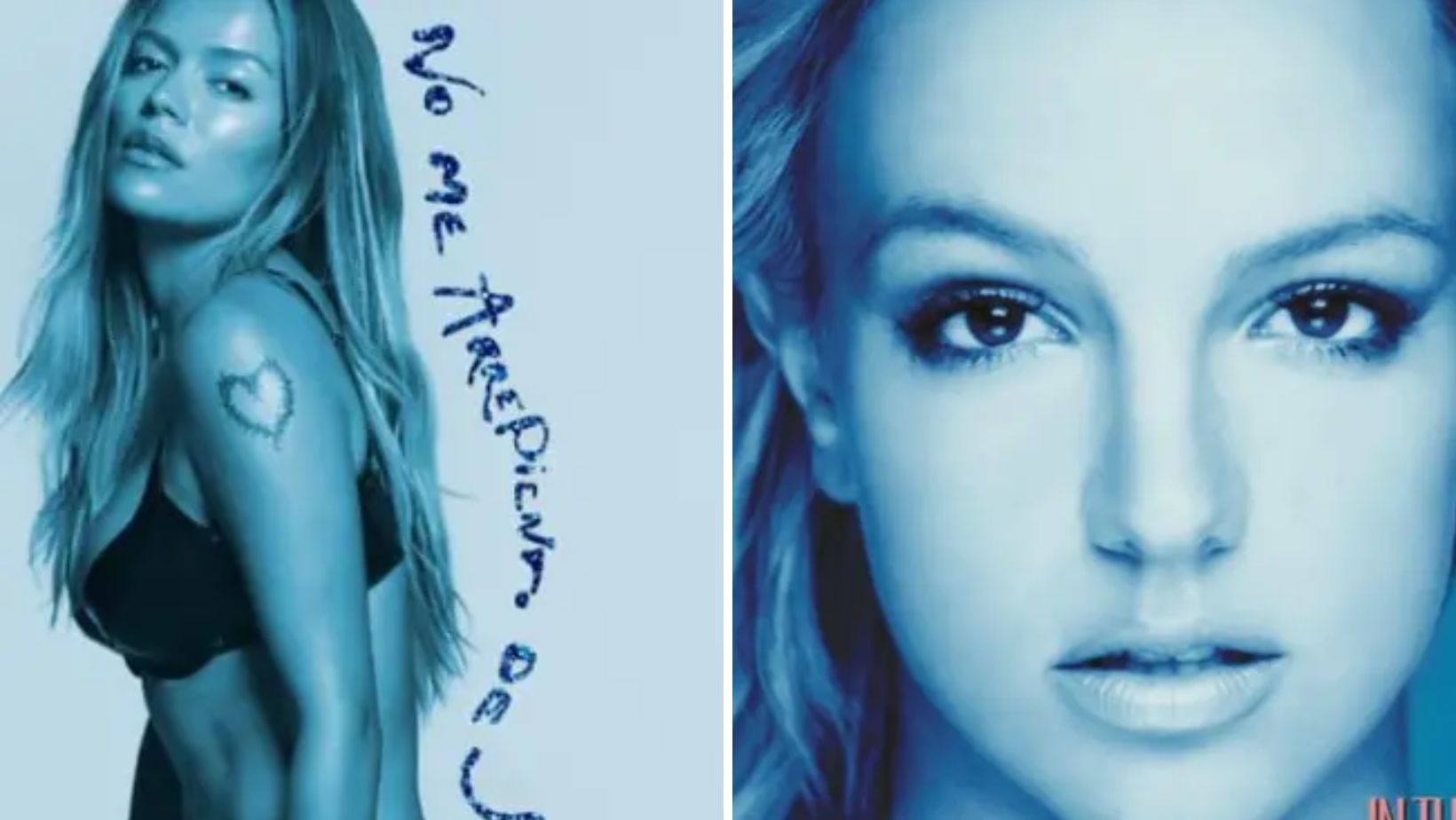
The commentary circulating online in the wake of the cover reveal spans a wide spectrum, ranging from enthusiastic recognition to manufactured online outrage. Fans have flooded comment sections with observations like, "It’s giving Britney Spears In the Zone," while others celebrate the broader cultural resurgence of a visual aesthetic rooted in the golden age of early-2000s pop stardom. Those celebrating the homage are undeniably closer to understanding the artistic reality of the project.
The Tour Moment That Showed Exactly Who She Is
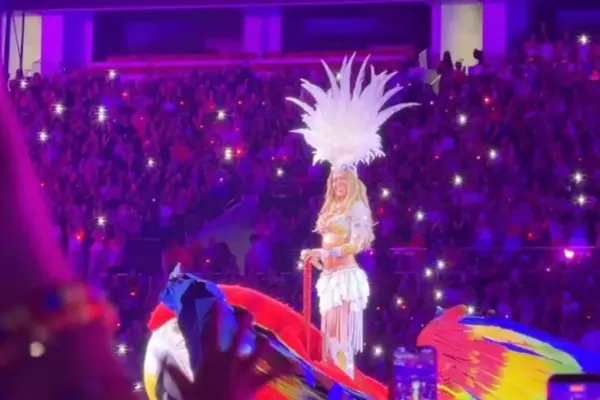
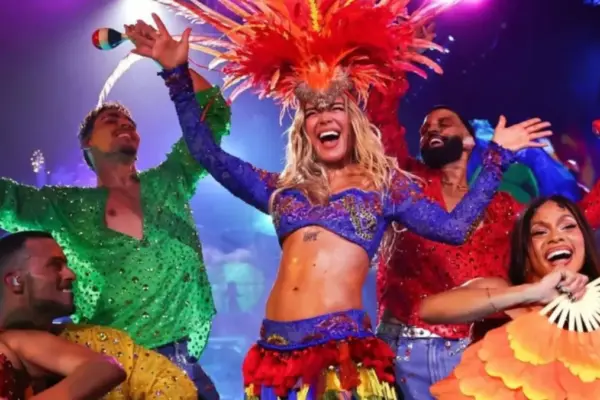
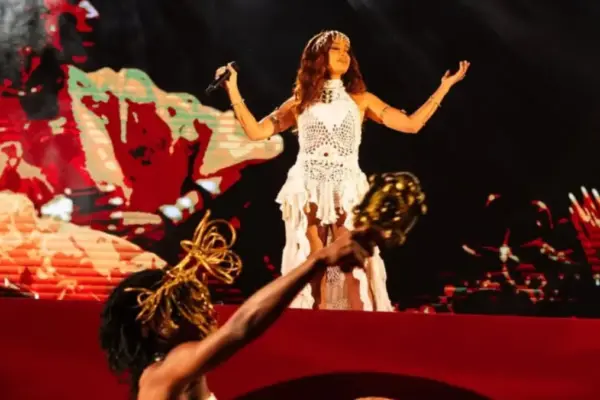
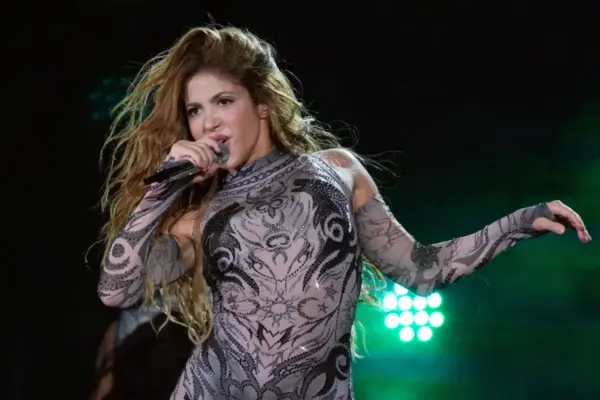
While the digital debate over the album cover consumed social media feeds, Karol G’s ongoing Viajando Por El Mundo TropiTour was generating headlines of its own for reasons that were considerably more heartwarming and compelling. During a high-energy stop on the tour, the superstar paused her set to invite a five-year-old girl named Khloé onto the massive stage. Khloé was attending her very first live concert, adding an extra layer of sweetness to the unexpected interaction.
When Karol G handed the microphone to the young fan and asked her to name her favorite song, the child answered with absolute, unscripted honesty: “Dai Dai,” the hit track by fellow Colombian icon Shakira from the 2006 World Cup. Rather than being fazed, defensive, or momentarily awkward about a fan naming a contemporary’s song at her own headlining concert, Karol G simply smiled, brought the show to a temporary halt, and performed an impromptu fragment of the song alongside the little girl. She actively encouraged the entire arena audience to sing along, transforming a potentially unpredictable moment into one of the most endearing and viral highlights of the entire tour.
The overwhelmingly positive public reaction across social media platforms spoke volumes about how the audience perceives the singer’s character. Fans widely praised the natural grace and humility with which she handled the interaction, turning a spontaneous childhood preference into a masterclass in humility. The moment encapsulated everything about who Karol G is as a live performer: a superstar completely secure in her own identity and artistic standing, confident enough to celebrate another legendary artist’s music in the middle of her own arena concert simply because a five-year-old asked her to.
Why the Criticism Misses What Karol G Is Actually Doing
The critics determined to frame the visual similarities between the new album cover and Britney Spears’ historic era as a controversy are ultimately arguing against the foundational premise of how artistic influence functions across every creative discipline in human history. An album cover that gracefully evokes an era Karol G has openly and consistently admired deserves genuine curiosity and cultural appreciation rather than baseless accusations of artistic theft.
Art has never existed in a vacuum, and the trailblazing artists who shaped contemporary icons deserve to be honored and remembered within the work of those who followed in their footsteps. As the countdown to August 7th continues, the noise surrounding the album’s visual direction highlights a persistent eagerness on the internet to manufacture scandal where none exists, overshadowing the artistic evolution of one of Latin music’s most dynamic modern figures.