





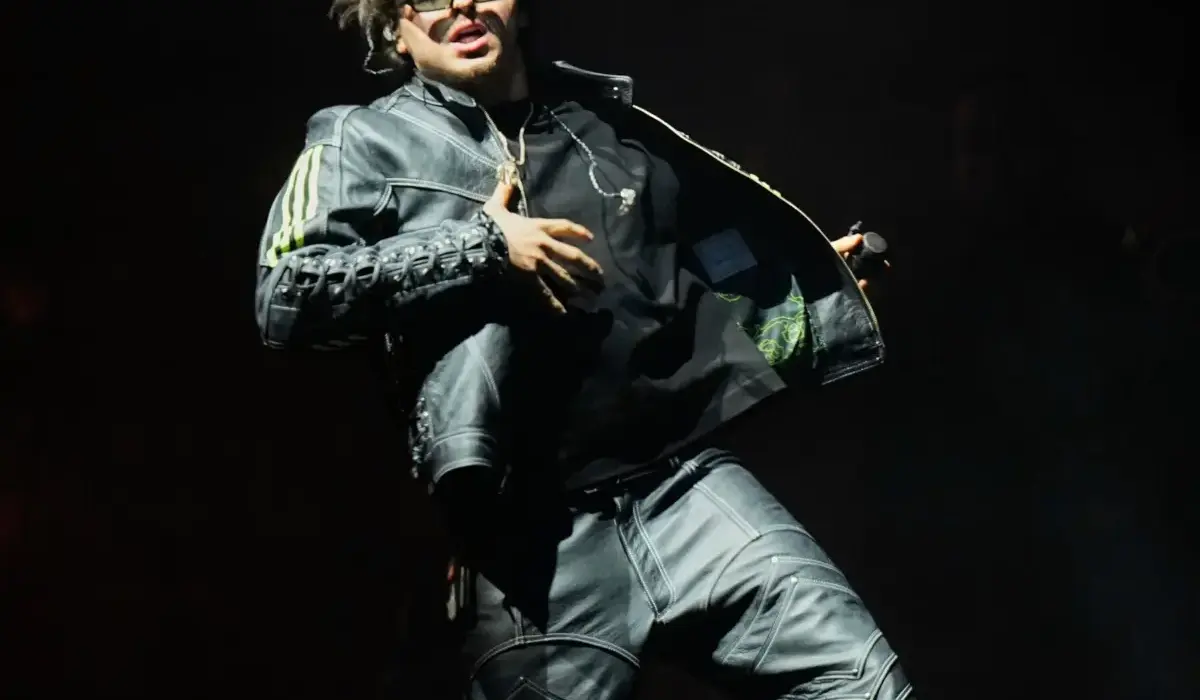
A high-profile concert by popular Mexican singer Gabito Ballesteros was abruptly suspended on Friday night after he performed songs that authorities deemed to be in violation of local bans on glorifying cartel culture. The dramatic intervention, which saw law enforcement officials escort the artist directly off the stage, makes him the latest and most prominent musician to be ensnared in an escalating government crackdown on the controversial musical genre known as narcocorridos.
Following the mid-concert suspension, federal authorities subsequently arrested the 27-year-old singer in connection with an unrelated ongoing investigation, drawing intense renewed attention to the ongoing friction between artistic expression, regional legislation, and the pervasive shadow of organized crime in Mexico.
Mr. Ballesteros, whose contemporary regional Mexican tracks have accumulated billions of streams across major digital platforms, was performing before a large crowd at a traditional fair in Querétaro State in central Mexico when the show was halted. According to an official statement issued by the fair’s organizers, the artist’s set list had been thoroughly reviewed and formally approved by state officials prior to the performance. Under the regulatory framework agreed upon beforehand, songs that explicitly or implicitly glorified criminal activities, cartel violence, or illicit lifestyles were strictly excluded in compliance with state statutes.
Over the past year, Querétaro State has joined a growing coalition of states and municipalities throughout Mexico that have enacted strict measures effectively prohibiting the public performance of narcocorridos. These modern iterations of traditional Mexican folk ballads historically chronicled historic conflicts, everyday struggles, and legendary figures, but contemporary versions frequently focus on the wealth, power, and violent exploits of modern drug cartels. Under regional laws, public performances of these songs can carry severe administrative penalties, including substantial fines or even jail time for organizers and performers who flout the restrictions.

The intervention on Friday night underscores the delicate balancing act facing Mexican authorities as the nation continues to grapple with the devastating social and security impacts of organized crime. This domestic pressure has been further amplified by external geopolitical factors, including persistent pressure from the United States—particularly from the Trump administration—urging Mexican authorities to intensify their crackdowns on drug cartels and their cultural footprints. At the same time, the crackdown has ignited a fierce national debate regarding cultural identity, censorship, and freedom of speech, transforming local concerts into flashpoints for a broader cultural referendum.
According to the statement released by the fair organizers, the confrontation began when Mr. Ballesteros performed a song that had not been cleared on his approved set list. Local authorities intervened backstage, temporarily halting the show to remind the performer of the legal boundaries and the prior agreement he had signed. However, the situation escalated when the singer returned to the stage and immediately launched into another unauthorized track, the 2022 smash hit "AMG."
The song, a massive collaboration that features references to the luxurious lifestyles, high-end weaponry, and exotic cars associated with high-ranking cartel members, has achieved immense commercial success, boasting nearly one billion streams on Spotify alone. By choosing to perform the prohibited track in defiance of the earlier warning, Mr. Ballesteros triggered an immediate enforcement action, leading to the second and definitive suspension of the concert as security personnel moved in to pull him from the stage.
While the suspension of the concert was directly tied to the breach of local performance regulations regarding narcocorridos, the situation took a more serious turn when federal authorities detained the singer shortly after the incident. Officials confirmed that the subsequent arrest was linked to an entirely separate, unrelated federal investigation involving the artist. The dual nature of the enforcement—combining local cultural policing with federal criminal inquiries—highlights the mounting regulatory scrutiny facing artists who operate at the intersection of mainstream commercial success and the lucrative, yet legally perilous, subculture of cartel-influenced music.
As legal proceedings develop and federal authorities continue their unrelated inquiries, the incident involving Mr. Ballesteros has left cultural critics, legal experts, and fans alike wondering how the government’s aggressive stance will shape the future of regional Mexican music. With billions of global listeners tuning into the genre, the tension between commercial popularity and state-enforced censorship shows no signs of abating, leaving performers, event organizers, and local governments to navigate an increasingly complex and high-stakes landscape.