









As the Institute for Health Promotion Research (IHPR) at UT Health San Antonio marks its 20th anniversary on October 1, 2026, the milestone offers a vital opportunity to reflect on initiatives that have fundamentally reshaped the academic and professional landscapes for underrepresented communities. Among its most transformative efforts is the ¡Éxito! program, a specialized initiative designed to address a persistent and glaring disparity in American medicine and academia: the profound underrepresentation of Latinos in doctoral fields, research careers, and nursing, despite accounting for roughly 20 percent of the total United States population.
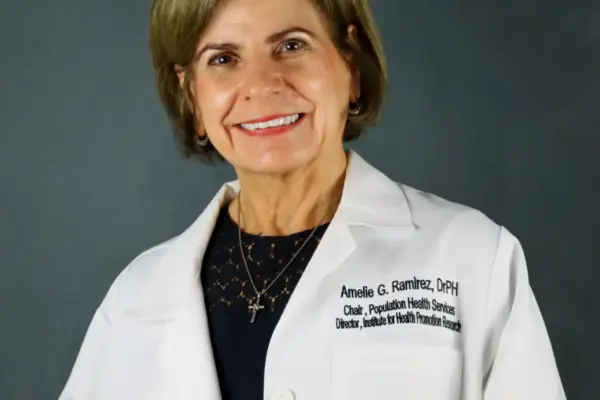
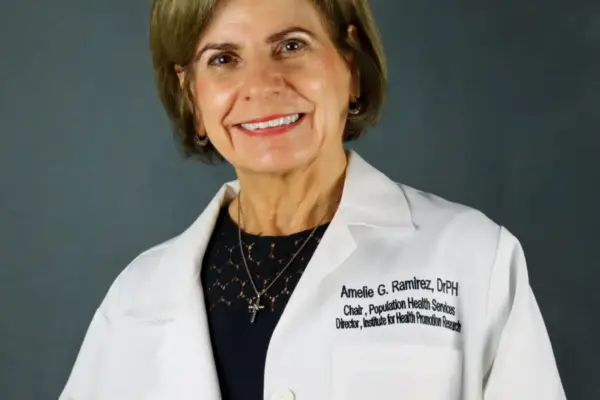
Created by Dr. Amelie G. Ramirez, director of the IHPR, ¡Éxito! was built to dismantle the systemic barriers that discourage or prevent Latino students and health professionals from advancing to terminal degrees. Over an intensive 11-year operational span, the program successfully recruited and trained 226 participants. By offering a culturally tailored curriculum focused on cancer research and doctoral advancement, the program catalyzed a movement that continues to ripple across universities, health systems, and research laboratories nationwide.
About the ¡Éxito! Program at the IHPR
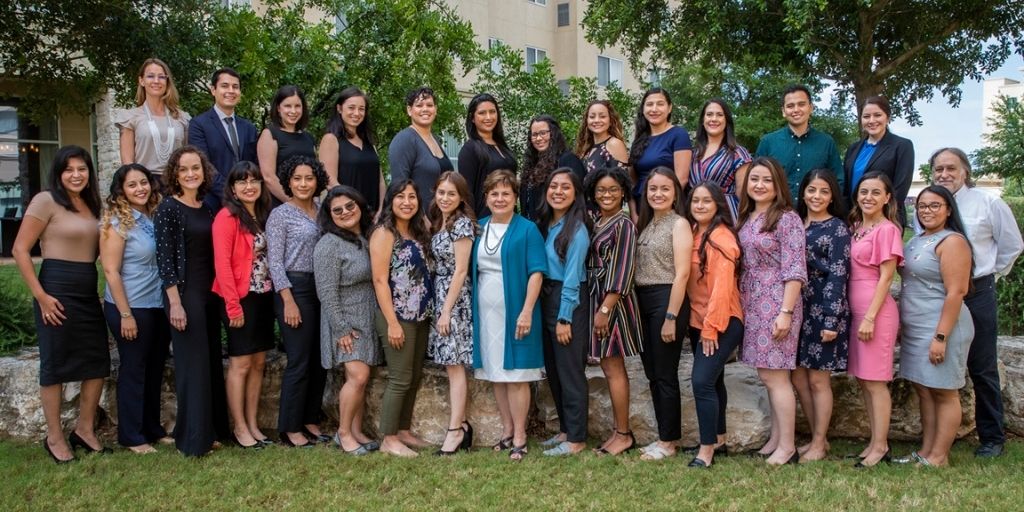
Between 2011 and 2021, the IHPR’s ¡Éxito! program welcomed cohorts to a five-day summer institute held annually in San Antonio, Texas. Designed as an immersive professional and academic boot camp, the gathering featured prominent Latino researchers, scholars, and program alumni. These leaders shared cutting-edge developments in Latino cancer research, provided advanced career development strategies, and delivered powerful motivational mentorship aimed at encouraging attendees to apply to doctoral programs.
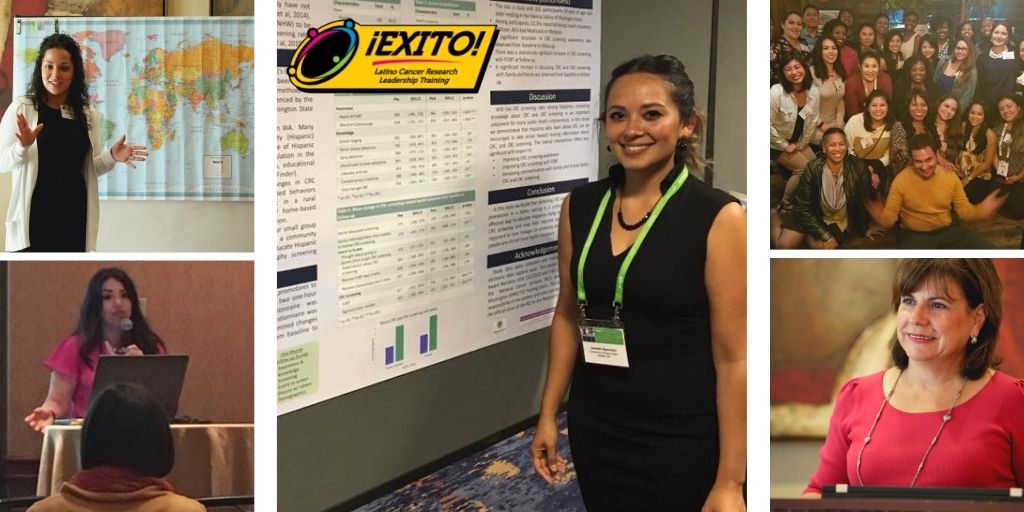
Beyond traditional lectures and panels, institute participants engaged in rigorous group discussions. These sessions were specifically structured to foster organic networking, encourage the sharing of personal cultural experiences, and equip scholars with the coping mechanisms and tactical advice needed to thrive in historically exclusionary academic environments.
The strategy yielded measurable, lasting results. Of the 226 trainees who passed through the program since its inception, more than 30 percent have gone on to either enroll in or graduate from a doctoral program. Furthermore, empirical research evaluating the initiative demonstrated that the ¡Éxito! summer institute significantly elevated trainees’ academic self-efficacy and bolstered their overall confidence regarding the daunting doctoral application process. The study also highlighted marked improvements in the core research skills of the program’s interns.
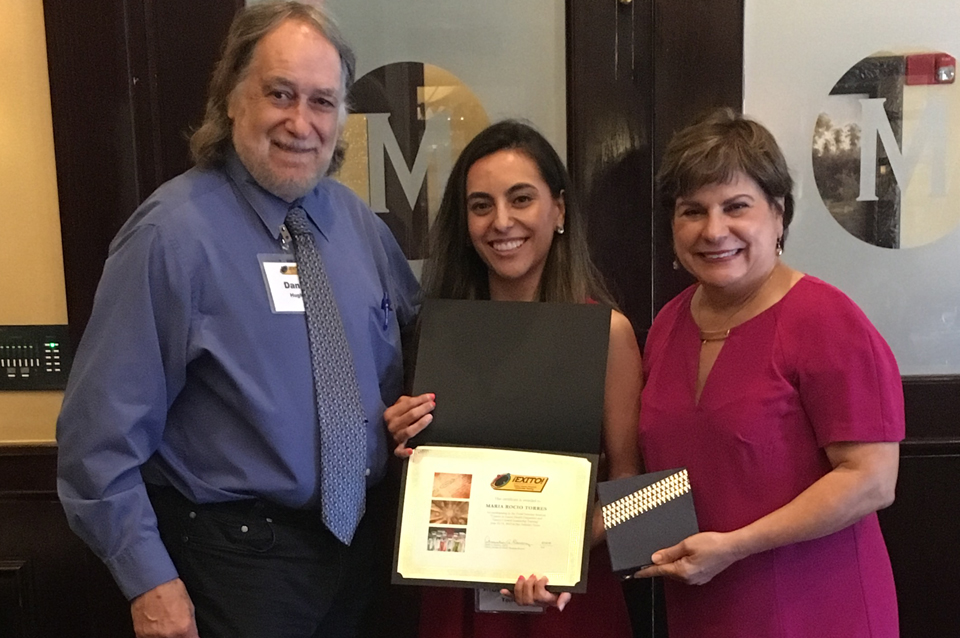
These successes did not go unnoticed. In 2018, ¡Éxito! earned national recognition when it was named a winner of Excelencia in Education’s prestigious “Examples of Excelencia” awards, an initiative that shines a spotlight on evidence-based programs proven to accelerate Latino student success in higher education.
To truly understand the legacy of ¡Éxito!, one only needs to examine the trajectories of its alumni, who are now assuming leadership roles across the country.
Ileana Cepeda: 2018 ¡Éxito! Trainee at the IHPR
Reflecting on her time in the program, Ileana Cepeda, MPH, CCRP, describes her ¡Éxito! experience as deeply inspiring and fundamentally motivating. At the point of her participation, pursuing a doctorate felt like a distant aspiration—something to perhaps consider in the indefinite future. However, ¡Éxito! accelerated that timeline, transforming a vague ambition into a concrete, actionable goal. The environment provided her with the essential tools and psychological encouragement required to believe in her capacity to take the next step.
Cepeda notes that the program planted the seed that ultimately guided her back to formal education. Following her summer in San Antonio, she began seriously investigating doctoral programs, evaluating her long-term career trajectory, and mapping out how to balance graduate studies with professional responsibilities. That professional spark eventually propelled her into a Doctor of Public Health program, where her studies concentrate on expanding healthcare access and improving health outcomes for the vulnerable communities she serves.
Today, Cepeda works as a Clinical Research Coordinator at Children’s Mercy, bringing pediatric research opportunities directly to children and families in the Wichita, Kansas area, including rural and Spanish-speaking populations. Among her proudest recent milestones is her ongoing professional growth while concurrently navigating her Doctor of Public Health studies at the University of Illinois Chicago as a member of the 2024 cohort. Her work seamlessly integrates her passions for community-engaged research and healthcare equity.
Mayra Serrano: 2013 ¡Éxito! Trainee at the IHPR
For Mayra Serrano, DrPH, MPH, CHES, participating in the 2013 institute was a transformative milestone that redefined both her personal outlook and her professional trajectory. The program introduced her to a supportive, tightly knit community of Latino scholars, mentors, and senior leaders who shattered the myth that a career in high-level research and academia was out of reach. Seeing Latino faculty members operating successfully in prominent leadership positions provided tangible proof of belonging in spaces where Latinos have historically been sidelined.
The network built during her time at ¡Éxito! proved invaluable throughout her subsequent doctoral journey. Her fellow scholars offered constant mentorship, motivation, and friendship, celebrating victories and helping her navigate the inevitable hurdles of graduate school.
Serrano has since built a distinguished career dedicated to health equity and cancer prevention. After serving in leadership roles addressing non-medical drivers of health for underserved populations within managed care, she transitioned to the City of Hope Comprehensive Cancer Center. As the Associate Director of Community Outreach and Engagement, she currently builds and leads programs that connect diverse communities to vital cancer prevention, screening, and educational resources, all while actively mentoring the next wave of Latino public health professionals.
Erica Chavez Santos: 2017 ¡Éxito! Trainee at IHPR
Erica Chavez Santos, PhD, MPH, remembers ¡Éxito! as a vital sanctuary designed to celebrate and uplift underrepresented student voices while imparting tangible, practical skills for aspiring health researchers. For her, the intensive week was about forging lasting relationships, expanding professional networks, and demystifying the transition into graduate school.
At the time she applied to the program, Chavez Santos was actively debating whether a PhD was the correct path for her. Having access to a peer and mentor network that enthusiastically cheered her on fundamentally altered her perspective. She realized she no longer had to navigate the solitary rigors of doctoral education alone, thanks to living proof that other Latinos shared her passions and obstacles.
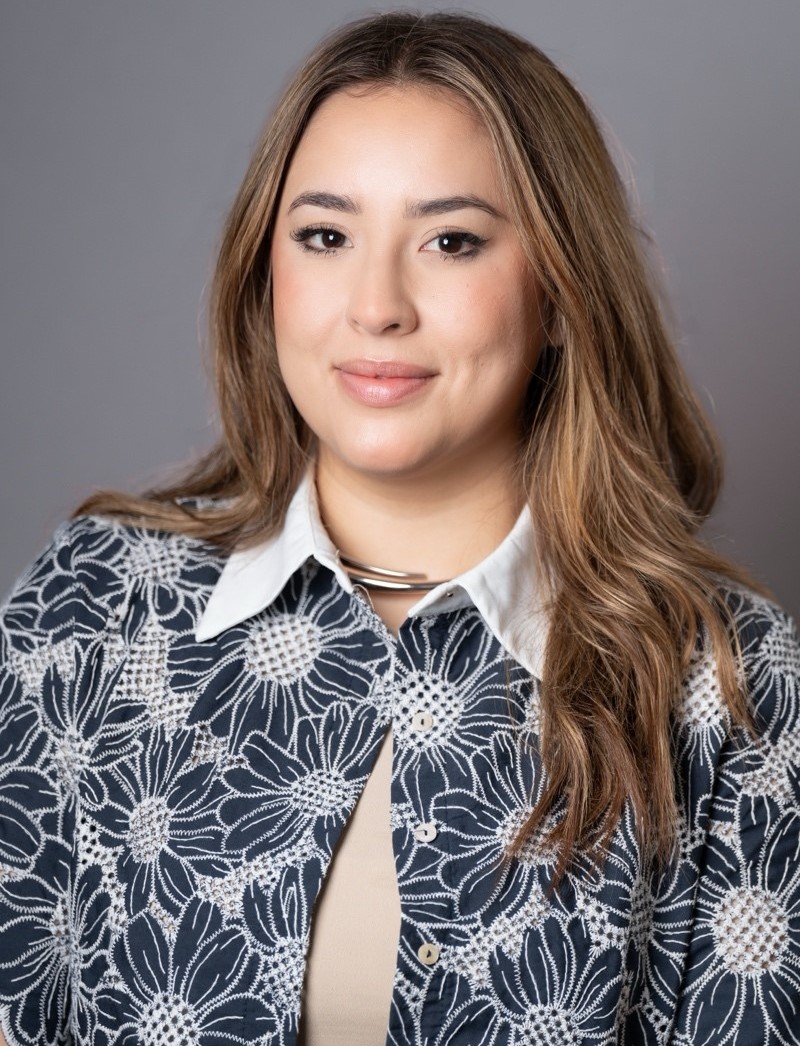
Chavez Santos successfully completed her PhD program in 2024 and recently celebrated the publication of her dissertation papers. Today, she works as an occupational health equity researcher and epidemiologist for Washington State Labor & Industries. Her daily work fulfills a long-held vision: ensuring that occupational health research involving working-class communities is directly informed and led by individuals who share those exact lived experiences and cultural backgrounds.
Crystal Costa: 2019 ¡Éxito! Trainee at the IHPR
Describing her experience in a single word, Crystal Costa, MPH, RPCV, calls it "impactful." During the in-person Summer Institute, her cohort was exposed to numerous leaders in cancer control who fostered a culturally responsive, highly collaborative environment. The relatable, lived experiences of these mentors reflected the cultural realities of the communities the trainees aimed to serve, while honestly addressing the systemic barriers inherent in higher education.
For Costa, the training deepened her appreciation for cancer control research and underscored the absolute necessity of tackling persistent health disparities. The program offered concrete guidance as she prepared her doctoral applications and connected her directly with renowned figures like Dr. Amelie Ramirez.
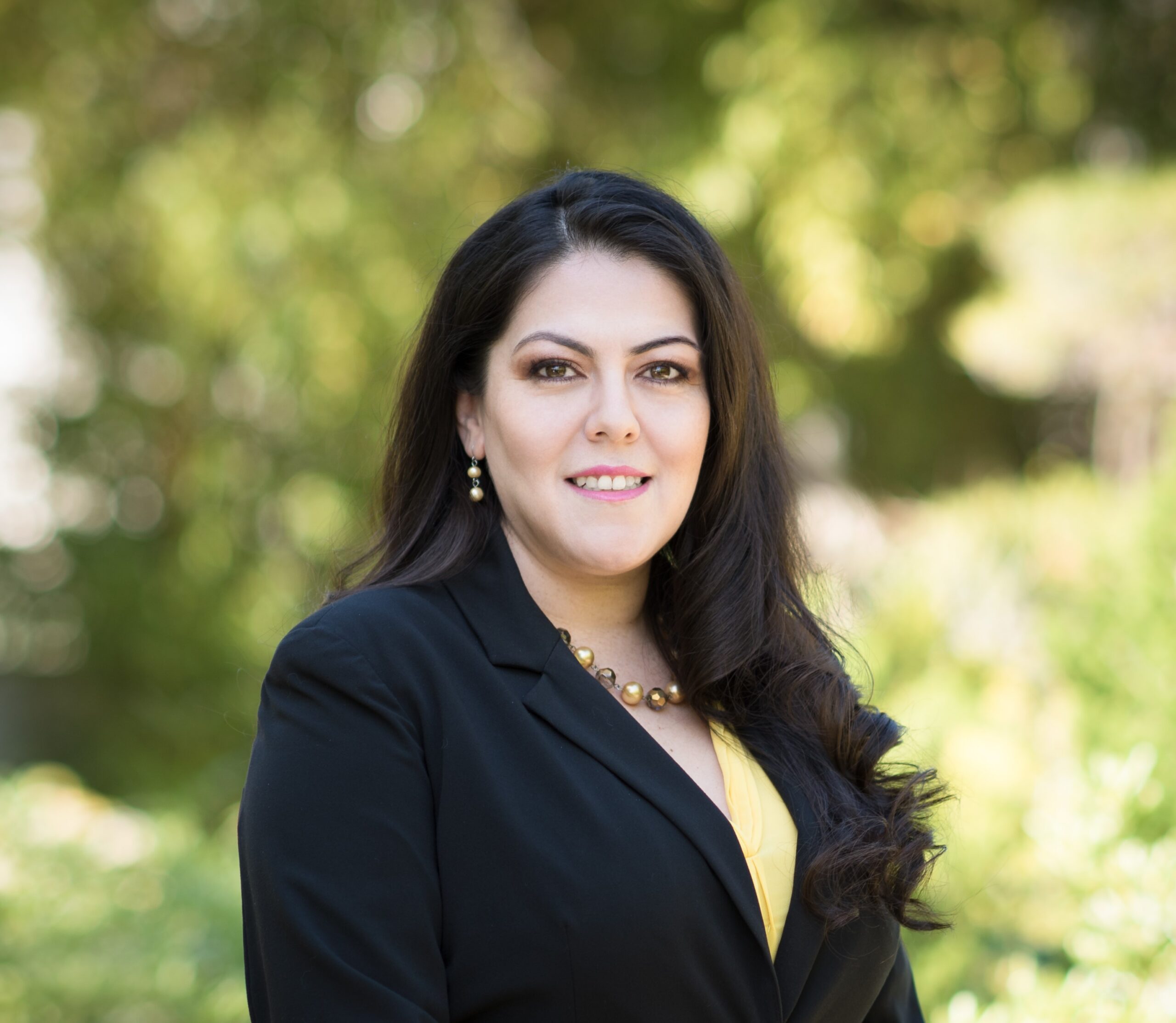
Currently serving as a doctoral research assistant, Costa has collaborated extensively on multiple cancer control initiatives. Her academic milestones include delivering oral presentations at prominent national convenings, such as the American Society of Preventive Oncology and the Adolescent and Young Adult Cancer Global Congress, alongside co-authoring important peer-reviewed literature. As she finalizes her dissertation, she is simultaneously developing an implementation framework designed to support the national scale-up of an evidence-based survivorship program for children.
Looking Back at the ¡Éxito! Program at the IHPR
The individual stories of Cepeda, Serrano, Chavez Santos, and Costa echo the sentiments of numerous other ¡Éxito! trainees who found the courage and structural backing needed to cross the doctoral finish line. Salud America!, the IHPR’s digital health communication program, has documented many of these journeys, highlighting the profound impact of targeted mentorship.
Among them is Angela Gutiérrez, a 2014 ¡Éxito! trainee who went on to earn her doctoral degree in public health from the UCLA Fielding School of Public Health. After serving as an assistant professor, Gutiérrez expanded her academic footprint and is currently an associate professor at Western University of Health Sciences in Pomona, California.
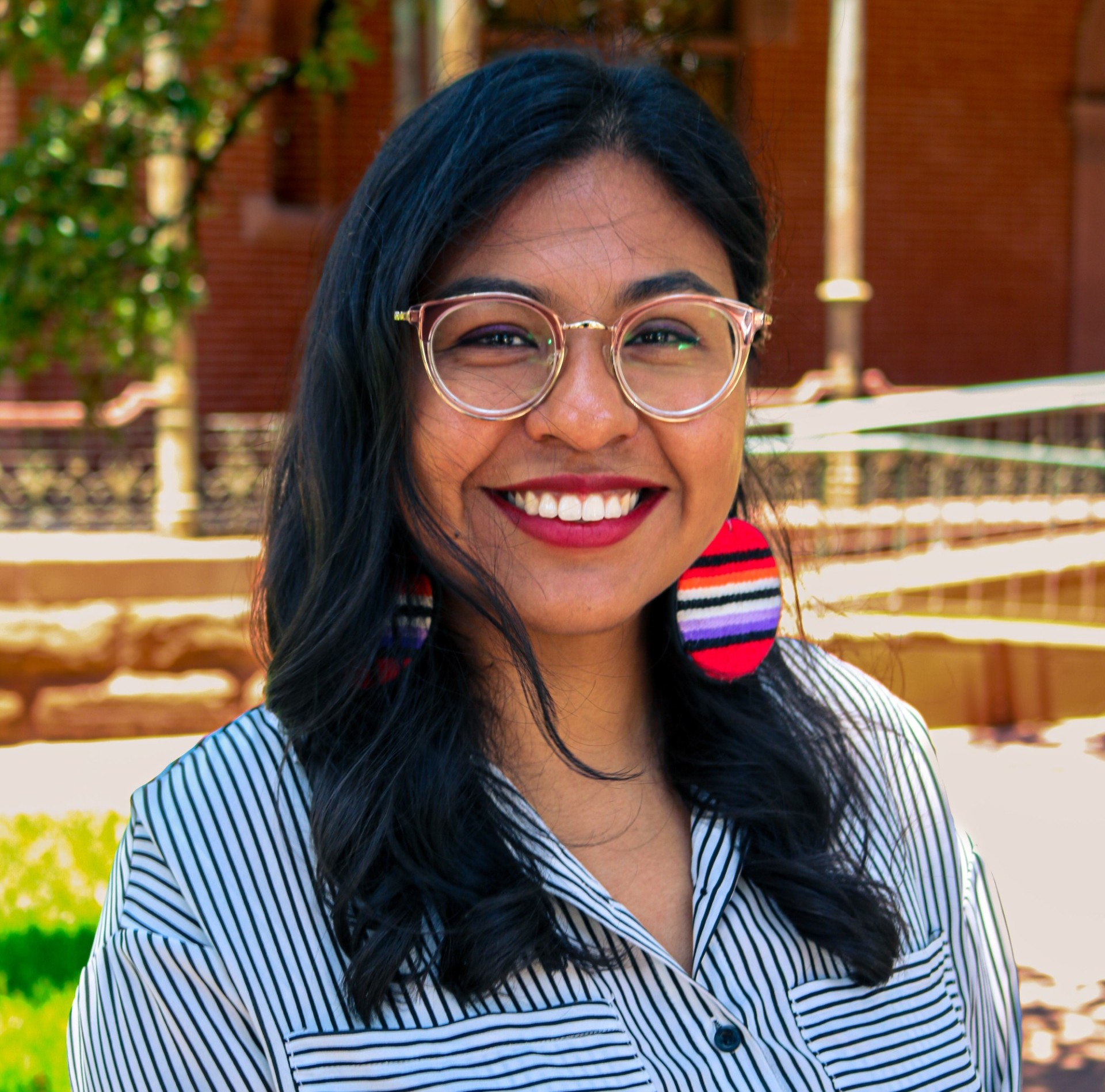
Utilizing the life course framework and social stress theory, Gutiérrez’s quantitative research investigates psychosocial and behavioral risks and resources affecting health outcomes among Latinos and other historically overlooked groups. Her qualitative work focuses heavily on evaluating the working conditions experienced by community health workers.
Reflecting on her foundational days in San Antonio, Gutiérrez credits ¡Éxito! with demystifying the mechanics of doctoral applications. Receiving granular, one-on-one feedback on her statement of purpose from seasoned professionals gave her an invaluable roadmap. Entering her first round of doctoral applications fully prepared made all the difference in navigating an otherwise opaque system.
As the IHPR commemorates two decades of institutional excellence, programs like ¡Éxito! stand as proof that targeted investment in cultural representation, mentorship, and academic empowerment can permanently alter the face of American health research.