







In the bustling culinary landscape of New York City’s West Village, a new concept is quietly making waves by bringing the vibrant, coastal flavors of the Pacific coast of Mexico to Manhattan. Known widely for their mastery of roasted and slow-cooked meats at the celebrated Taqueria Ramirez, hospitality veterans Tania Apolinar and Giovanni Cervantes have joined forces with talented chef Carlos Barrera to establish El Camarón Peludo this year. Described as a seafood-focused wine bar, the establishment has quickly drawn the attention of local food enthusiasts and critics alike, offering a fresh perspective on Mexican dining that centers heavily on pristine seafood, inventive preparations, and an eclectic global curation of natural wines.
To understand what makes the restaurant tick, one must look far before the doors open to the public each evening. A full day of meticulous preparation at El Camarón Peludo reveals a rigorous culinary operation where attention to detail dictates every single step of the process. The kitchen’s rhythm is established hours before service begins, grounded in tradition yet infused with modern techniques and global influences.
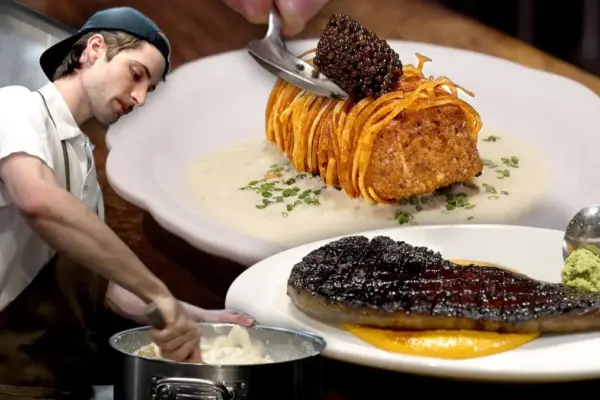
The morning prep routine starts with the seafood itself. Fresh shrimp, carefully sourced from international locales such as Sinaloa, Mexico, and Ecuador, are delivered to the West Village kitchen. Here, the kitchen team meticulously de-shells and de-veins the shellfish, laying the groundwork for three of the establishment’s central shrimp dishes. This dedication to fresh, high-quality sourcing is a cornerstone of the El Camarón Peludo philosophy, ensuring that the natural sweetness of the shrimp remains the star of the plate.
Simultaneously, Giovanni Cervantes begins crafting the day’s salsas, a task approached with scientific precision and artistic intuition. In an effort to maintain absolute consistency across every service, Cervantes taste-tests each fresh batch, comparing its flavor profile directly to the salsa produced the previous week. This rigorous quality control ensures that regular patrons experience the exact same balance of heat, acidity, and depth with every visit. Among these creations is a bright, vibrant red salsa that is meticulously blended with mayonnaise to create the signature sauce for the restaurant’s camarones zarandeados. This dish serves as a direct nod to the traditional seafood preparations of Mexico’s Pacific coast, where fish and shellfish are typically grilled to smoky perfection in flat wire grill baskets over open flames.
While the kitchen staff handles the heavy lifting of raw ingredients and sauce production, Tania Apolinar focuses her efforts upstairs, preparing the physical space of the wine bar for its evening opening. Her duties involve curating an inviting visual and atmospheric experience for incoming guests, which includes laying out fresh, chilled seafood on a bed of ice in the front window—a visual display that immediately signals the restaurant’s culinary focus to passersby on the West Village sidewalk. She also organizes the wine bottles that will soon be placed in chilled buckets for prompt and efficient service throughout the evening. Apolinar often recommends that diners secure a seat at the long, winding bar, where guests have an unobstructed view of the bartenders and chefs working in unison to craft drinks and dishes.
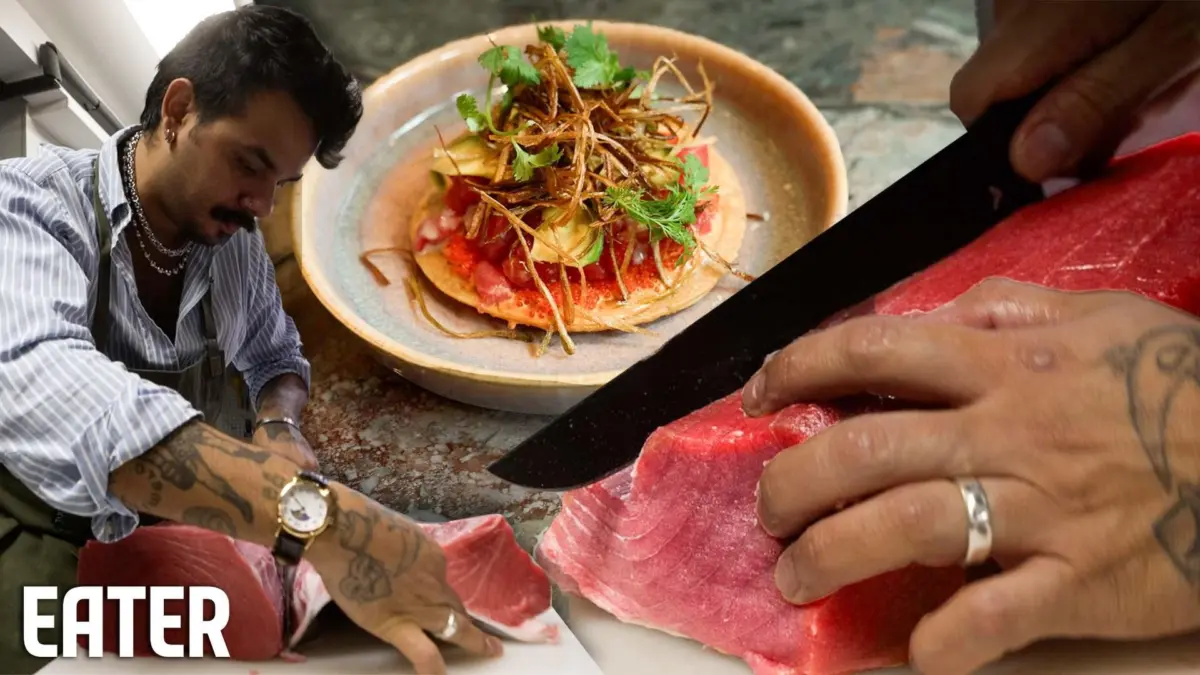
Back downstairs in the heart of the kitchen, chef Carlos Barrera dives into the intricate process of breaking down Spanish tuna. This premium fish is utilized for one of the menu’s standout creative offerings: a sophisticated tuna tostada. The dish is meticulously layered with a spicy mayonnaise, delicate fish eggs, a fragrant habanero-lime oil, fresh avocado, and a crown of crispy leeks, offering a complex interplay of textures and temperatures that showcase the kitchen’s creative range.
Following the tuna preparation, the team pivots to tackle the extensive taco prep required for the evening shift. This includes readying the ingredients for the pescadilla, a traditional deep-fried fish taco that offers a satisfying crunch, as well as a specialized shrimp taco enriched with creamy queso fresco, hearty refried beans, and delicate slices of roasted poblano peppers. The attention to detail extends outward to the raw bar area, where Cervantes and Barrera collaborate to whip up specialized house-made condiments, notably a verdant salsa verde and a deeply complex salsa negra. While the green salsa relies on fresh parsley for its bright herbaceous notes, the black salsa is a bolder, more complex creation layered with fiery habaneros, piquin chile, and rich squid ink, adding both dramatic color and a profound umami depth to the accompanying seafood plates.
The conceptual origins of El Camarón Peludo are rooted in a casual idea that evolved over time. Cervantes has previously explained that the initial vision was simply to pair innovative, high-end seafood plates with bubbly wine. However, that concept organically expanded into a full-fledged natural wine bar program. Today, El Camarón Peludo sources its diverse bottles from winemakers all over the world, moving far beyond traditional pairings to offer a curated selection that complements the bright acidity, spice, and richness of the Mexican coastal dishes.
For those looking to experience the dedication, precision, and culinary artistry that goes into running the establishment, the team’s behind-the-scenes workflow—from assembling intricate tostadas and tacos to whipping up flavor-packed aguachiles—is highlighted in detail in the newest episode of Now Open, offering food lovers a comprehensive look at how one of the city’s newest culinary destinations comes to life each day.