








CARACAS, Venezuela — Like generations of Venezuelans before him, Leonardo Silva grew up steeped in a deep cultural mythology surrounding the extraordinarily abundant natural resource that made his country unique on the global stage. Growing up, the prevailing sentiment across Venezuela was absolute: all the oil resting beneath their feet belonged exclusively to them. Virtually free gasoline was viewed as an inalienable birthright, and to be born atop such massive petroleum reserves felt akin to winning a permanent lottery of geography and history.
Mr. Silva, who is now 38 years old and works at a foundation in Caracas helping individuals with disabilities, reflects on how his generation viewed oil as an unshakeable cornerstone of national identity. During the height of the mid-20th-century oil booms, a flourishing economy allowed Venezuela to occupy a privileged, affluent tier in the international order, where foreign travel, imported goods, and robust social spending defined daily life. But when looking at his own children today, Mr. Silva notes a stark, sobering contrast. They hold a far less rosy, much more pragmatic view of the world.
"To them, oil isn’t important; it’s secondary," Mr. Silva said. "They don’t have that culture of us being a rich country. They just know that if you don’t work, you don’t eat."

For more than a century, oil has shaped Venezuela to an extent that remains remarkably rare outside the Middle East. It has long transcended mere economics, becoming a deeply embedded defining feature of the country’s social fabric—sharing cultural space with legendary baseball achievements, world-renowned beauty pageants, and the near-religious veneration of the South American liberation hero Simón Bolívar. The national consciousness was built on the premise of absolute sovereignty over the nation’s subsurface wealth, a foundational belief reinforced by successive political movements that promised to use petroleum riches to uplift the masses.
However, those long-held nationalist convictions are rapidly fraying. Today, the landscape is undergoing a profound and wrenching transformation as the United States government exerts direct control over a huge portion of Venezuela’s prized oil assets. Pressed by severe economic need, geopolitical shifts, and the stark realities of domestic decline, the traditional doctrine of sovereign control is giving way to a much more complex and fragmented web of public perspectives.
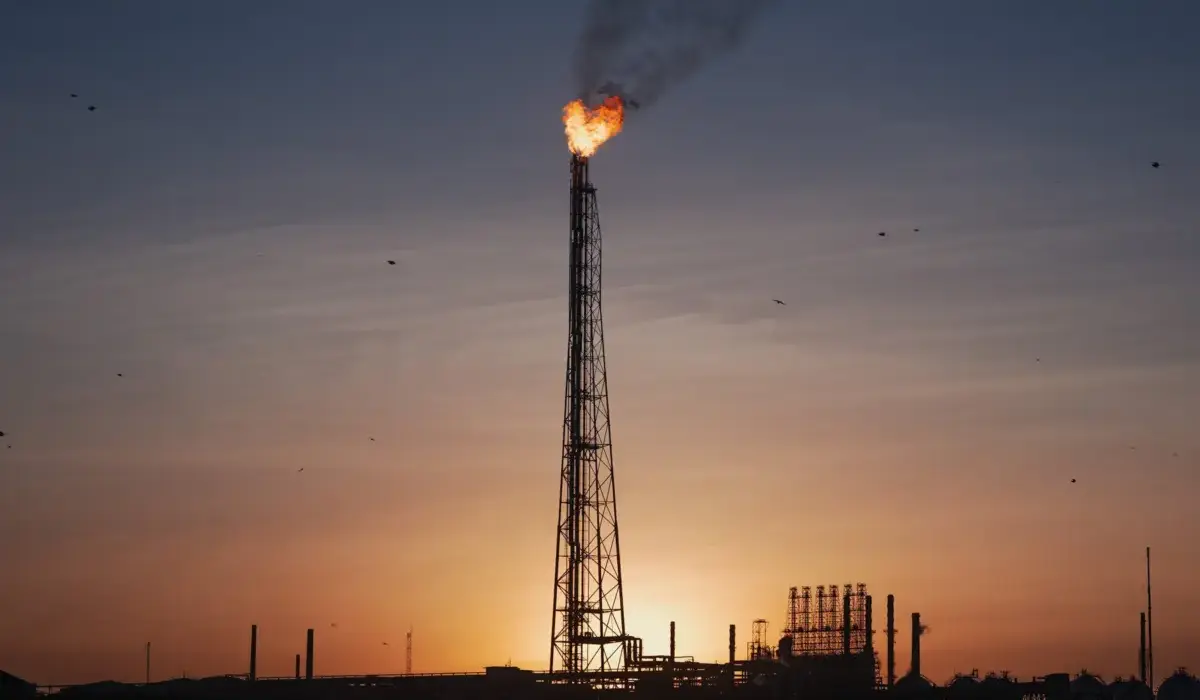
The ways in which ordinary Venezuelans are re-evaluating oil—and, by extension, their historic reliance on it—are the direct result of immense, compounding upheaval over the past decade. Once boasting one of the most sophisticated energy sectors in the Western Hemisphere, Venezuela watched its oil production plummet to historic lows. This catastrophic decline was not triggered by a single event, but rather by decades of severe institutional mismanagement, sweeping political purges within the state-owned oil company, rampant corruption, and punishing international economic sanctions that choked off foreign investment and technology.
As the physical infrastructure rusted and crumbled, the daily lives of citizens transformed from relative prosperity into prolonged scarcity. Hyperinflation, severe shortages of food and medicine, and the collapse of public utilities drove millions of Venezuelans to emigrate in search of survival. In this altered reality, the romantic notion of oil as a national birthright has steadily lost its grip on the popular imagination, replaced instead by the immediate concerns of daily survival, employment, and the reinvention of a society that can no longer rely on petrodollars to sustain itself.