









For many breast cancer survivors, the narrative follows a familiar, linear path: a routine self-examination reveals a suspicious lump, a doctor orders immediate diagnostic testing, and a swift diagnosis sets the medical journey into motion. But for Deb Blake-Ontiveros, a single mother living in Salt Lake City, Utah, the path to a diagnosis was fraught with systemic roadblocks, medical dismissal, and compounding personal hurdles. Her experience highlights a sobering reality for many young women of color—particularly Latinas—whose early symptoms are frequently overlooked or misdiagnosed, altering the trajectory of their health and survivorship.
Today, Deb’s ongoing battle with cancer is a lifelong journey. Yet, rather than letting her story remain a private struggle, she has transformed her trauma into a powerful platform for advocacy, shedding light on the critical intersections of breast cancer, systemic healthcare disparities, and living with a severe mental illness.
A Mother’s Mission Interrupted
The journey began in 2016. Deb was a 35-year-old single mother navigating the chaotic, beautiful, and demanding world of raising a two-year-old toddler in Utah. Her days were a whirlwind of balancing motherhood, managing her mental health, organizing local community rallies, maintaining relationships, and fighting a custody battle. Often stepping into the role of a community leader, she dedicated much of her time to helping others find vital resources. However, when it came down to her daily priorities, motherhood reigned supreme.
"I felt like a super mom. That was my whole concentration all the time. Everything else came second," Deb recalled.

While life was moving at a breakneck speed, her body began sending warning signs. While breastfeeding her daughter, Deb discovered a lump on her right breast. Trusting the healthcare system, she scheduled an appointment with her primary care physician, an older male doctor who had provided great care throughout her pregnancy. She had no reason to expect skepticism.
Instead, she encountered a dismissive attitude that she believes was compounded by her identity. As a single mother, a woman of color, and someone relying on Medicaid, Deb felt as though the odds were stacked against her from the start. Due to her age, the physician brushed off the lump as a clogged milk duct resulting from infrequent nursing, ultimately diagnosing her with mastitis—a painful inflammation of the breast tissue.
Trusting her medical provider, Deb accepted the diagnosis, continued breastfeeding, and pushed the concern to the back of her mind. Two years slipped by as she chased the demands of single motherhood, preschool applications, and daily survival. The lump remained, but life was simply too busy to dwell on it.
The turning point came when Deb began dating again. Her new partner noticed the lingering lump and urged her to seek a second opinion, sharing that he had previously lost a friend to breast cancer. This time, Deb saw a female physician who immediately recognized the need for concern during a physical examination.

What followed was a cascade of clinical appointments: a mammogram that rapidly escalated into a biopsy. Finding herself alone at her first biopsy, gripped by fear while a nurse held her hand, Deb experienced physical pain that she describes as one of the most agonizing moments of her life. Yet, true to her nature, her mind immediately pivoted back to maternal duties. Two days later, while boarding a train on her way to a parent-teacher conference, she received the devastating phone call. At age 37, Deb was diagnosed with breast cancer. True to form, her immediate concern was not her own mortality, but whether she would make it to her daughter’s school on time.
The Staggering Reality of Metastatic Breast Cancer
Receiving the initial diagnosis was overwhelming, but processing the reality of chemotherapy proved even more daunting for Deb, who was already managing a bipolar disorder diagnosis. Terrified of the physical toll of chemo and hoping to find a holistic alternative, she initially attempted to postpone her treatment, granting herself a month-long grace period to search for natural cures.
Before that grace period concluded, a scheduled PET scan revealed a terrifying truth. The cancer was no longer localized; it had advanced to metastatic breast cancer, spreading aggressively to her lungs, lymph nodes, and the central region of her chest cavity.
"I was just like a Christmas tree up in the chest area," Deb confessed, admitting she did not fully grasp what the word "metastatic" meant at the time.

Spurred into a manic "Super Woman" mode by the diagnosis, Deb launched into what she calls her "hot chemo summer." She filled her days with poetry readings, motorcycle rides, concerts, and dating—keeping her mind actively engaged while chemical treatments fought the disease. Miraculously, after a few months of rigorous chemotherapy, her follow-up scans came back clear. Believing she had achieved complete victory, she anticipated her oncologist telling her the chapter was closed.
Instead, her doctor delivered a reality check: she would need to return for treatment indefinitely.
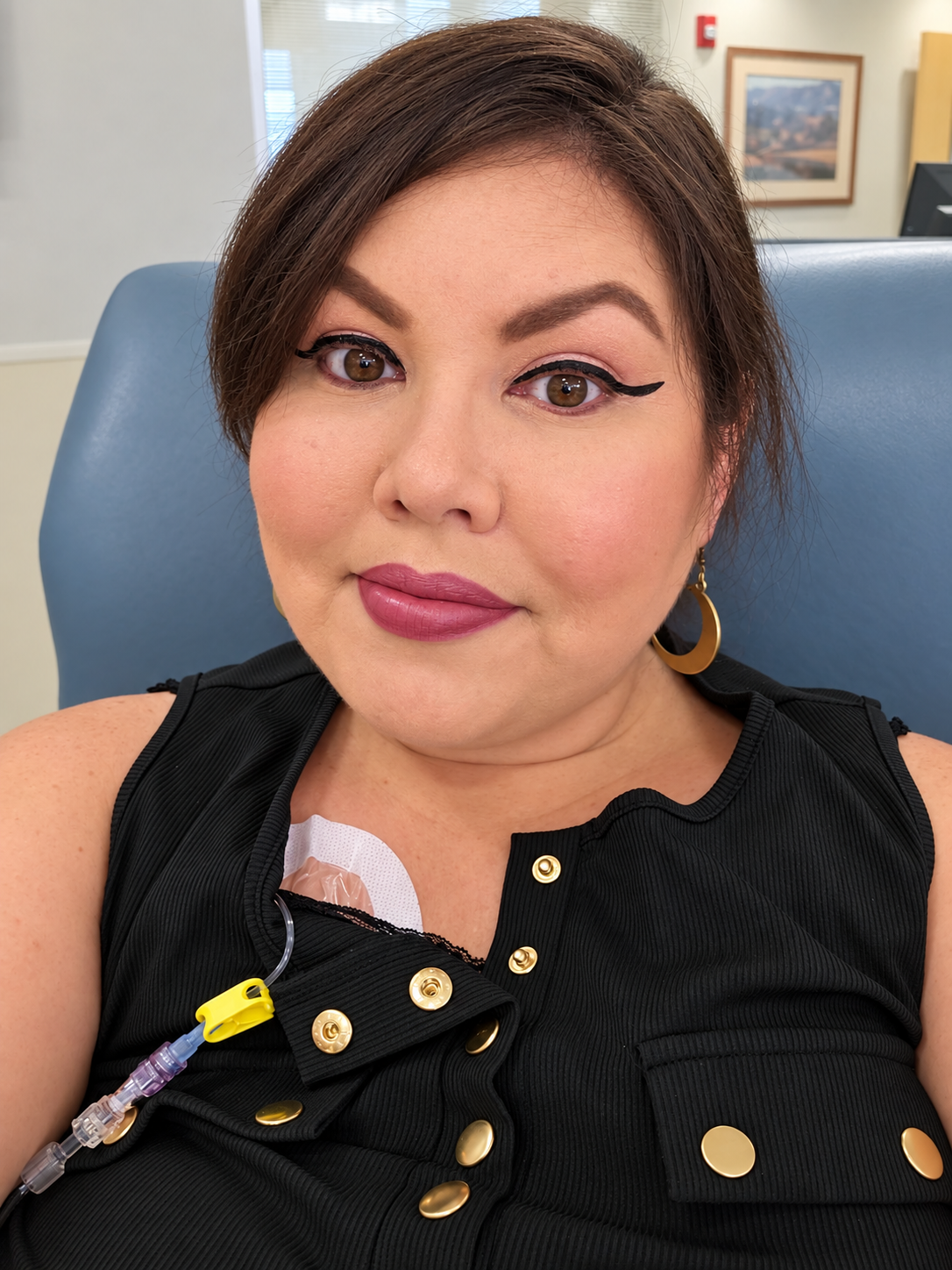
"That’s when it hit me that that’s what metastatic meant. Oh, I’m [showing no evidence of disease], but that’s not the same as cured. This can come back, and I’m going to have to be on medicine for the rest of life," Deb said. Every three weeks, she faced the reality of lifelong infusions.
A Fresh Start and an Unexpected Relapse
Seeking a fresh start for herself and her daughter, Deb relocated from Salt Lake City to a rural part of Utah, moving in with her partner. With her protests and community organizing days behind her in the big city, her partner suggested she channel her considerable energy into a new arena: breast cancer advocacy.
Building on her natural leadership skills, Deb quickly immersed herself in the advocacy space. She began working with organizations like Living Beyond Breast Cancer, contributing guest essays to WebMD, participating in state-level cancer initiatives, sharing her personal journey with media outlets, and speaking on expert panels.
Just as she was finding her footing in this new chapter, life introduced another unexpected plot twist. In 2023, while performing a routine self-examination on the first of the month, Deb discovered a new lump in the same breast.
Recognizing the familiar protocol, she underwent a mammogram, an ultrasound, and a biopsy. This time, however, she was supported by a committed partner whose hand she could hold while music played in the background. Despite the comforting presence, the results delivered a heavy blow: an unrelated stage 2-3 breast cancer diagnosis.
The familiar cycle of chemotherapy, severe physical illness, and hair loss began anew. But this time, the toll extended beyond her physical body. Her partner, who had not witnessed her first battle during their long-distance relationship, found the reality of her illness too heavy to bear. The relationship ended, leaving Deb once more as a single mother navigating cancer treatment without a daily caregiving partner.
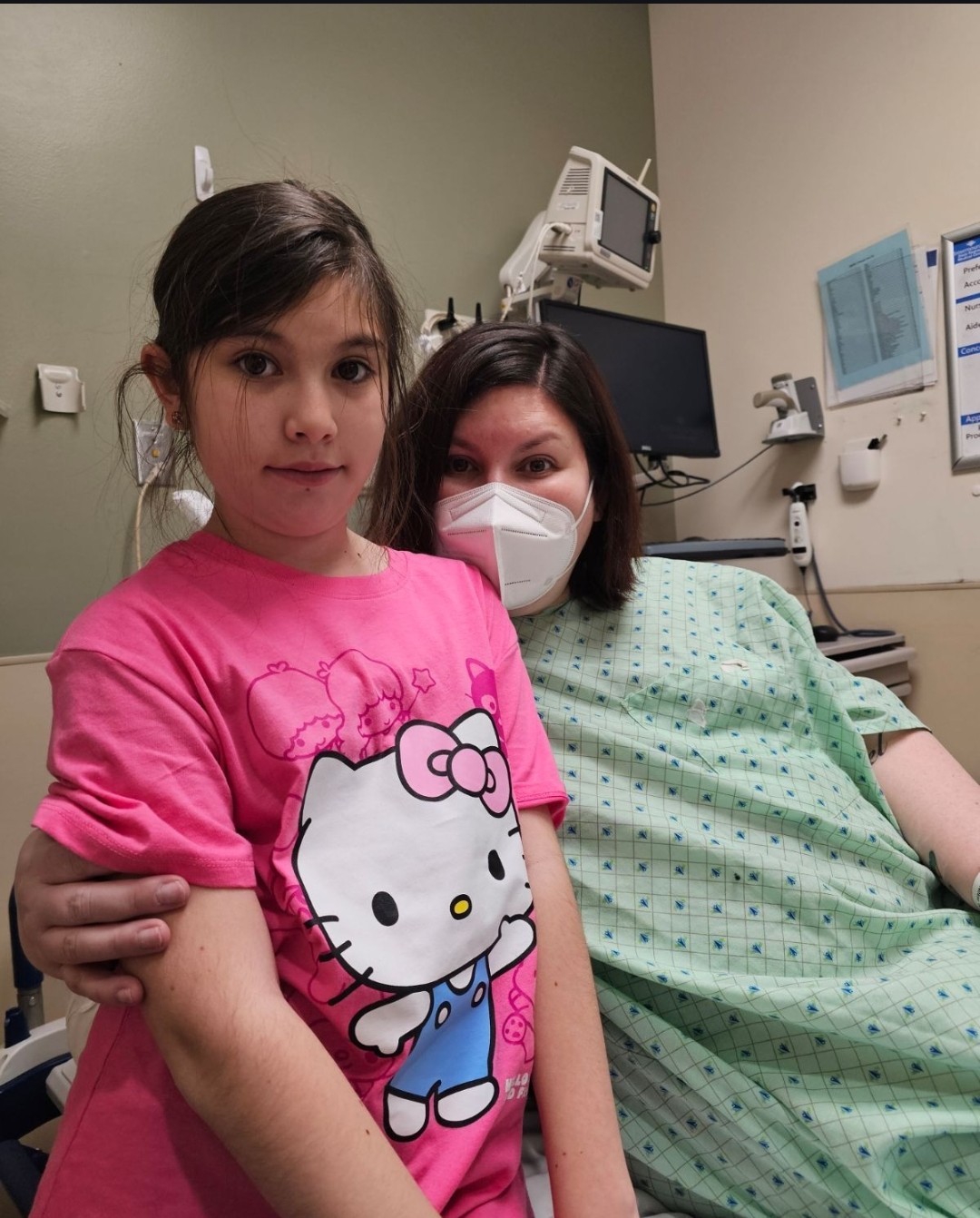
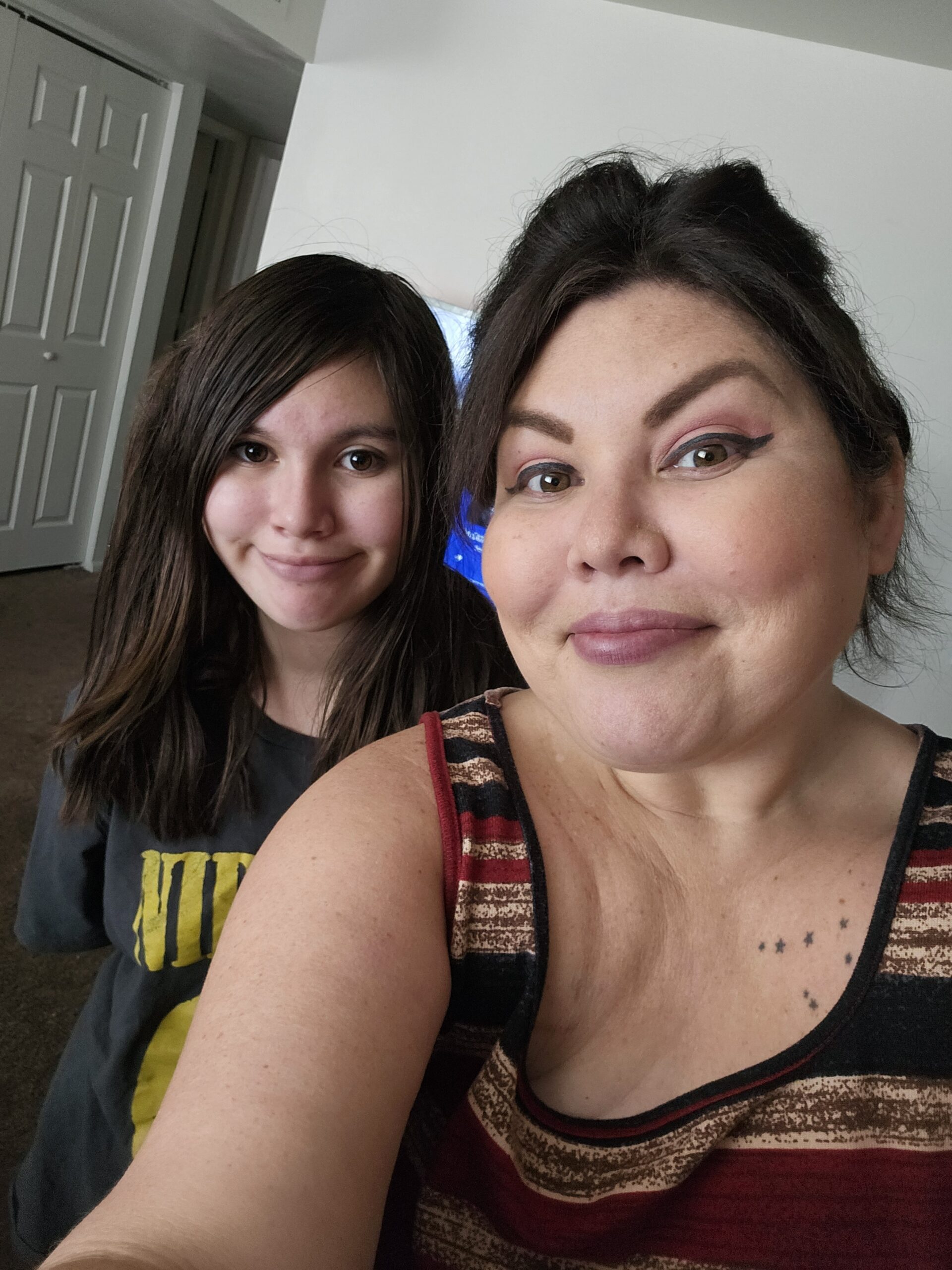
The transition proved particularly difficult for her daughter, who had been only four years old during the initial diagnosis. Now a preteen, her daughter began taking on caregiving responsibilities around the house to help her mother cope with lingering fatigue and side effects. As of 2026, Deb remains in active treatment for her second brush with the disease.
Bridging the Gap Between Cancer and Mental Health
Throughout the trials of the past eight years, Deb’s life has remained a continuous balancing act of parenting, medical appointments, and patient advocacy. Yet, a core pillar of her public work involves a topic frequently skirted around in medical spaces: mental illness.
Deb has been openly vocal about how her bipolar disorder has influenced both her diagnosis and her physical and emotional capacity to handle survivorship. While mental illness has at times proved a hindrance during her medical journey, she also views her neurodivergence as a source of resilience.
Cancer is profoundly taxing on mental health, a burden magnified for patients managing pre-existing psychological conditions. These challenges are often compounded within marginalized communities, such as the Latino population, where cultural stigmas surrounding mental health run deep. Refusing to let shame dictate her narrative, Deb has chosen radical transparency.
"My family acts like cancer is an embarrassing thing, because there were other family members that have had cancer and stuff. I don’t. I’m like, ‘This happened, and I don’t want it to happen to any other person in this family, so I’m going to talk about it, even if it makes you uncomfortable,’" she stated.
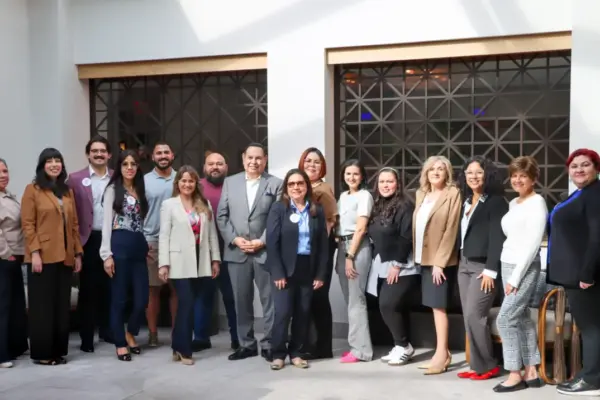
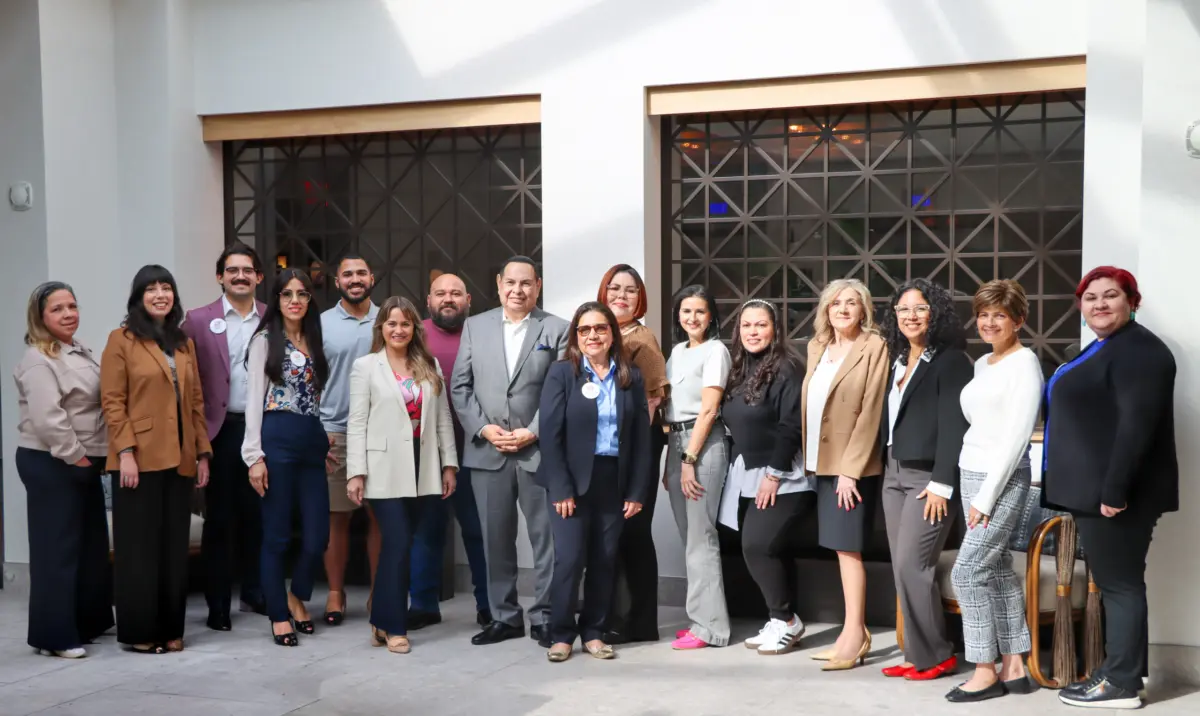
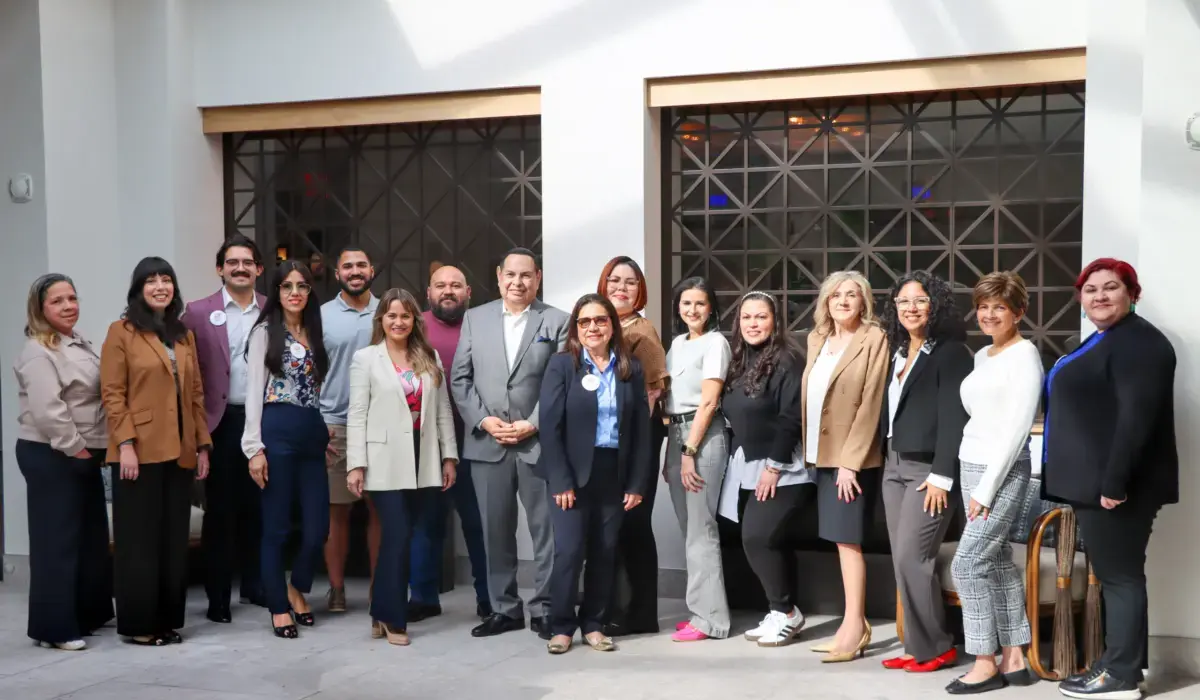
By sharing her story, Deb aims to ensure that others facing overlapping battles with cancer and severe mental health issues feel seen and supported. Her dedication recently brought her to the 2026 Latino Cancer Patient Advocate Training Program, held ahead of the biennial Advancing Cancer Research for Latinos and All Populations Conference in San Antonio, Texas. The program, co-led by Dr. Barbara Segarra-Vázquez of the University of Puerto Rico, equips Latino cancer survivors with the tools to serve as effective community leaders.
Armed with new insights from the program, Deb continues to advocate for expanded mental health resources within cancer care networks. Though her journey has been marked by systemic oversights, personal heartbreak, and physical exhaustion, Deb remains steadfastly authentic.
"I’m never going to stop being me. Cancer will not change that about me. I will never stop being me, but I will adapt and keep adapting," she vowed.