









By Lissete E. Lanuza
September 17, 2026
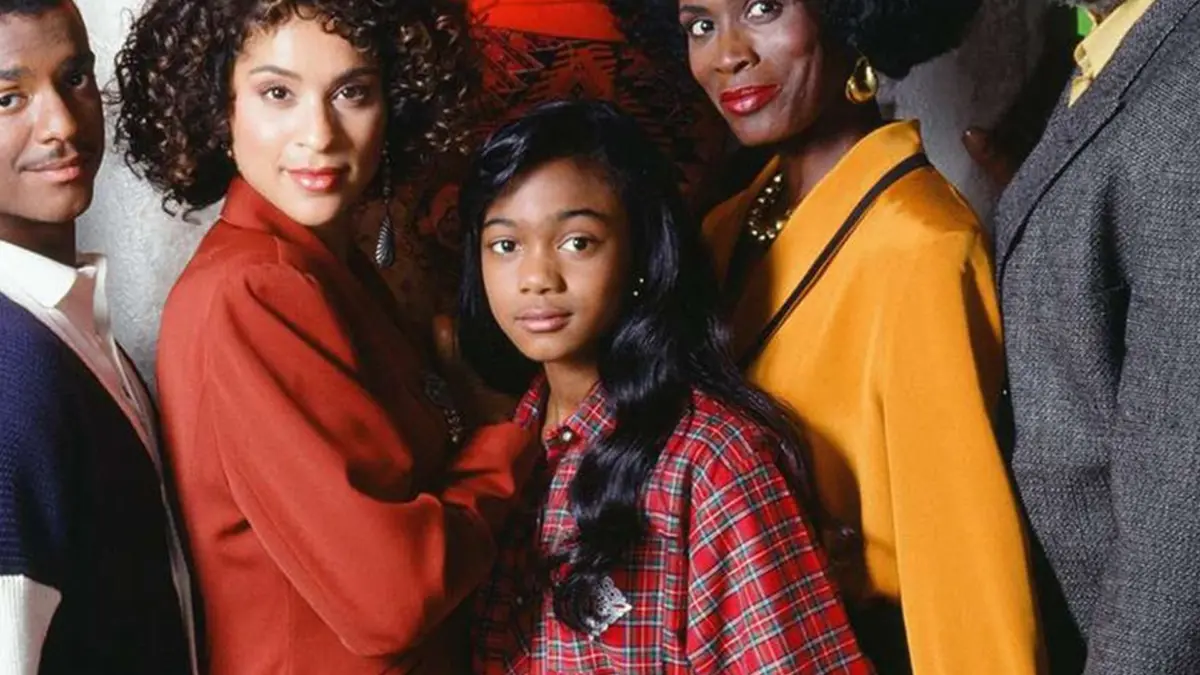
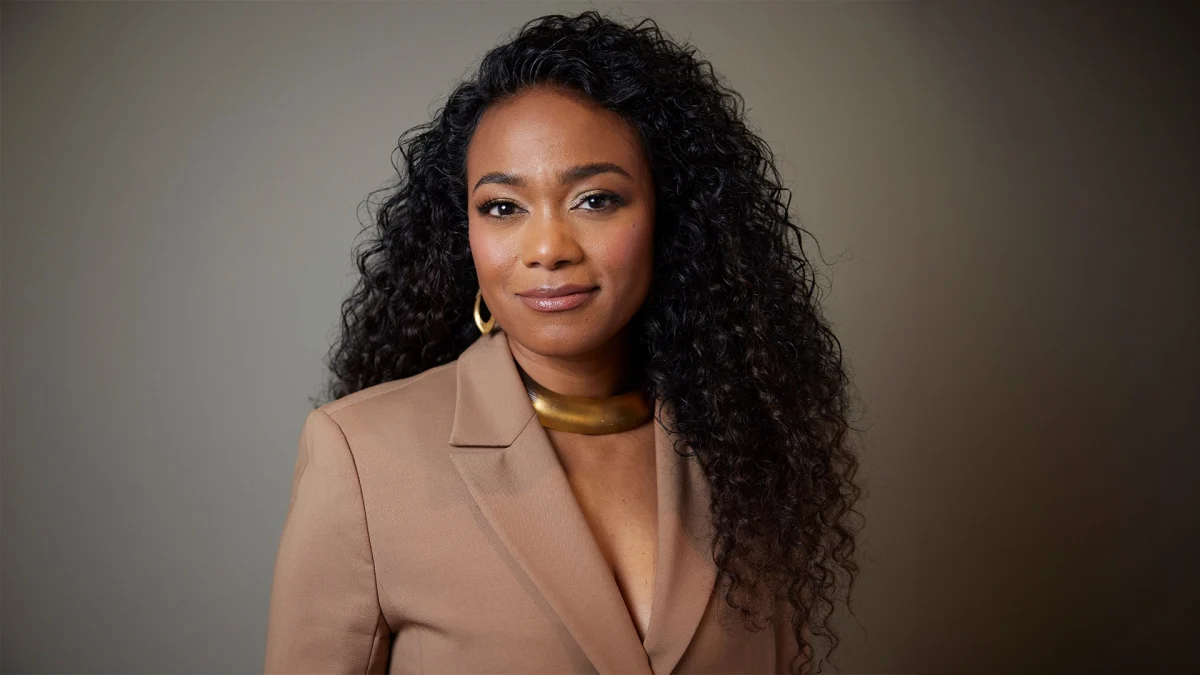
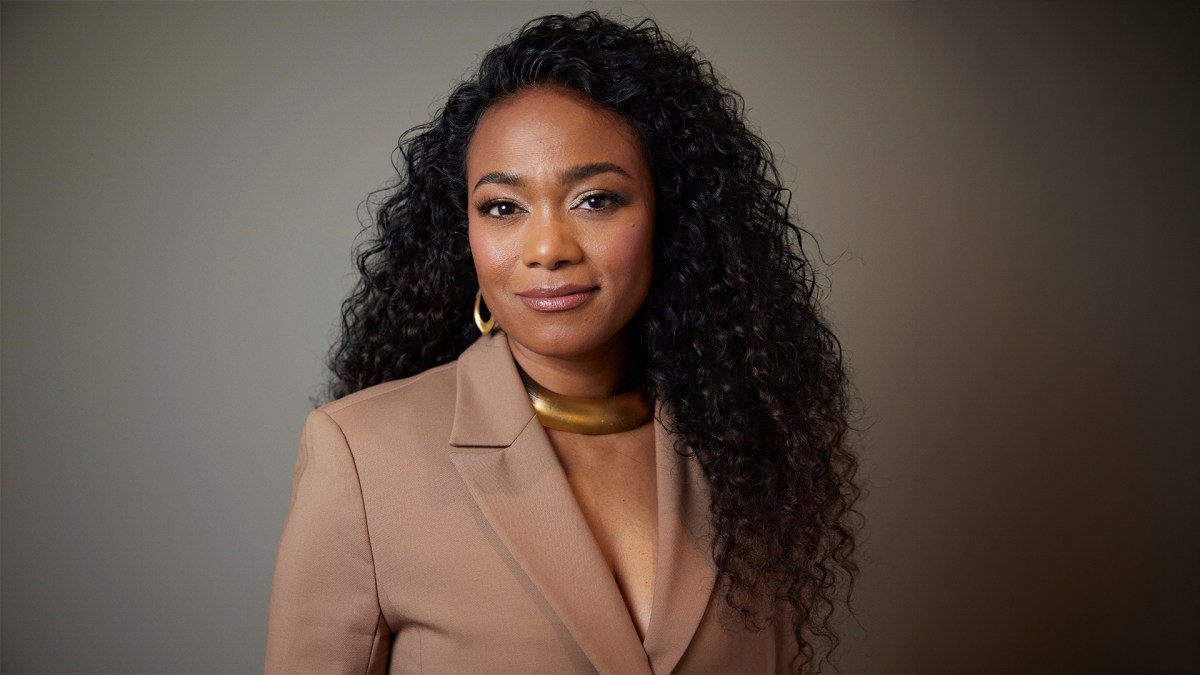
Actor, singer, and current Dancing With the Stars contestant Tatyana Ali, best known to millions around the world for her iconic role as Ashley Banks on the beloved 1990s sitcom The Fresh Prince of Bel-Air, has stepped forward into a powerful new role as a leading voice for maternal health equity. Over recent years, she has emerged as a prominent advocate in the nationwide movement to dramatically improve maternity health outcomes for Black and Indigenous mothers and their babies. Her mission centers squarely on confronting and dismantling systemic racism and deep-seated inequities that continue to plague maternity care across the United States.
Ali’s fierce dedication to this cause is rooted in a deeply personal and traumatic experience. In a candid and emotional interview with NPR, Ali revealed that she experienced what she and advocates define as "obstetric violence" during the delivery of her firstborn son, Aszi, in 2016. According to the actress, her carefully considered birth plan was entirely ignored by medical personnel, and she was subjected to physical restraint during a moment that should have been marked by safety and joy.
Recalling the harrowing event, Ali described how a routine medical environment rapidly devolved into a frightening ordeal. She explained that the situation escalated from having a small group of healthcare professionals in the room to a chaotic scene filled with numerous individuals shouting and yelling directly at her. In a moment of absolute vulnerability and fear, Ali stated that she was forcibly held down by approximately four people.
Reflecting on the terrifying encounter, Ali openly blames systemic racism within the broader healthcare infrastructure for the severe mistreatment she endured. She recognized early on that her nightmare was not an isolated incident or a rare procedural anomaly, but rather a glaring symptom of a much larger, systemic failure. Describing the pervasive nature of the crisis, she noted that her experience was merely one tiny drop in a very large bucket that has been overflowing for an exceedingly long time.
The grim statistical reality of maternal healthcare in the United States fully supports Ali’s assertions and provides a sobering backdrop to her advocacy. Despite being one of the wealthiest nations in the world, the United States suffers from a maternal mortality rate that far exceeds those of other high-income countries. According to official data released by the Centers for Disease Control and Prevention (CDC), 649 women in the United States tragically died from maternal causes in 2024 alone. Furthermore, the data exposes stark, systemic racial disparities within these tragic figures, revealing that Black mothers were more than three times as likely to die from pregnancy-related causes compared to white women.
Faced with these alarming disparities and her own lived trauma, Ali decided that awareness alone was not enough; tangible, community-driven action was urgently required. To address the crisis head-on, she founded a purposeful business venture called Baby Yams. The core mission of Baby Yams is to generate vital funding and resources to support grants specifically designated for Black and Indigenous birth workers and students entering the field. To ensure a direct and lasting impact, Baby Yams proudly donates a portion of its corporate proceeds to the Birth Future Foundation, a respected organization dedicated to providing financial grants to midwives, doulas, and student birth workers who are actively working to change the face of maternal care.
Ali remains firmly convinced that while the challenges within the medical system are formidable, viable solutions are already within reach and being implemented by dedicated community members on the ground. Emphasizing the importance of grassroots momentum, Ali noted that the solutions exist right now, pointing to the emergence of dedicated birth centers, midwives taking the initiative to continuously educate themselves, and passionate doulas entering active practice. She stresses that it is crucial for advocates, healthcare professionals, and communities to keep pushing for higher standards and better treatment across the board.
For Ali, the fight for maternal health equity is ultimately about dignity, autonomy, and fundamental human rights. Summing up the core philosophy of her advocacy work, she emphasized that mothers everywhere deserve to be properly cared for, deserve to have meaningful choices regarding their own healthcare journeys, and deserve absolute control over their own bodies. Concluding her powerful message on a note of enduring strength and resilience, Ali declared that mothers are beautiful, completely deserving of loving hands, and worthy of a healthcare system that honors and protects them at every stage of life.