







Growing up in New Jersey as the child of Dominican immigrants, cultural connection did not always arrive through grand gestures or formal lessons. More often than not, it flickered to life in the corner of the living room, cast in the blue-white glow of a television screen while dinner simmered on the stove.
In households like these across the United States, Spanish-language broadcasting served as an auditory anchor. The rapid-fire delivery of news anchors, the sweeping orchestral swells of dramatic serials, and the booming laughter of variety show hosts competed daily with the clatter of pots and pans, overlapping family conversations, and the occasional good-natured argument over who got to control the remote control. Most nights, the household dial inevitably settled on Univision or Telemundo, pulling the Caribbean and Latin America directly into suburban American homes.
For many first- and second-generation Americans, those ordinary evenings of "appointment television" laid the groundwork for an enduring cultural identity. Decades later, media scholars and sociologists recognize that what happened in those living rooms was far more than mere entertainment. For immigrant families navigating the complex terrain of assimilation, broadcast media functioned as an essential bridge between the homeland left behind and the new reality being built abroad.
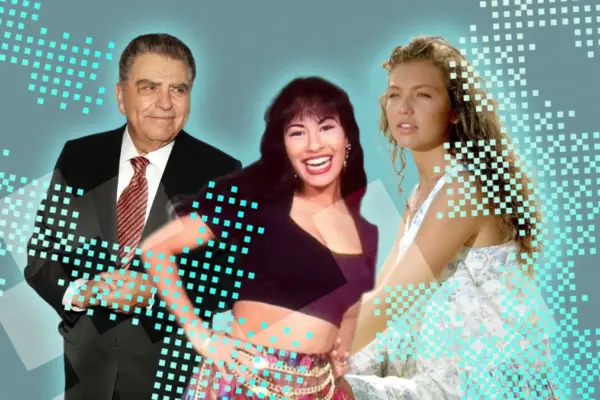
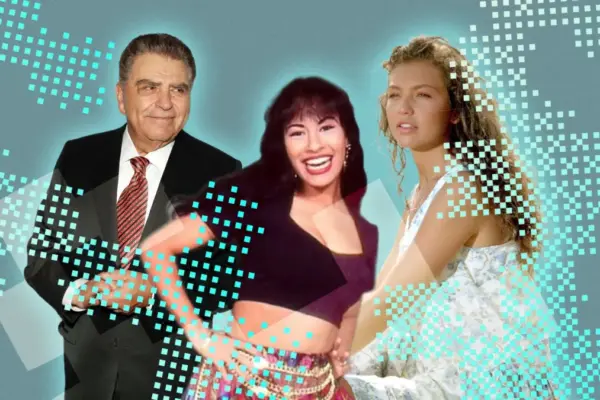
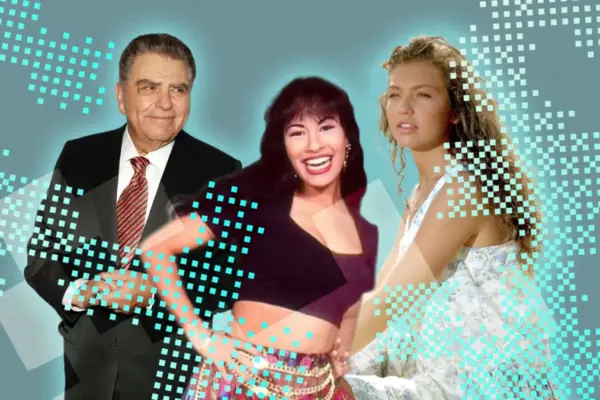
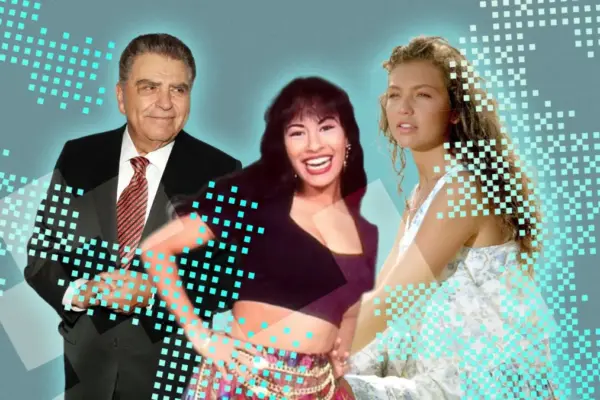
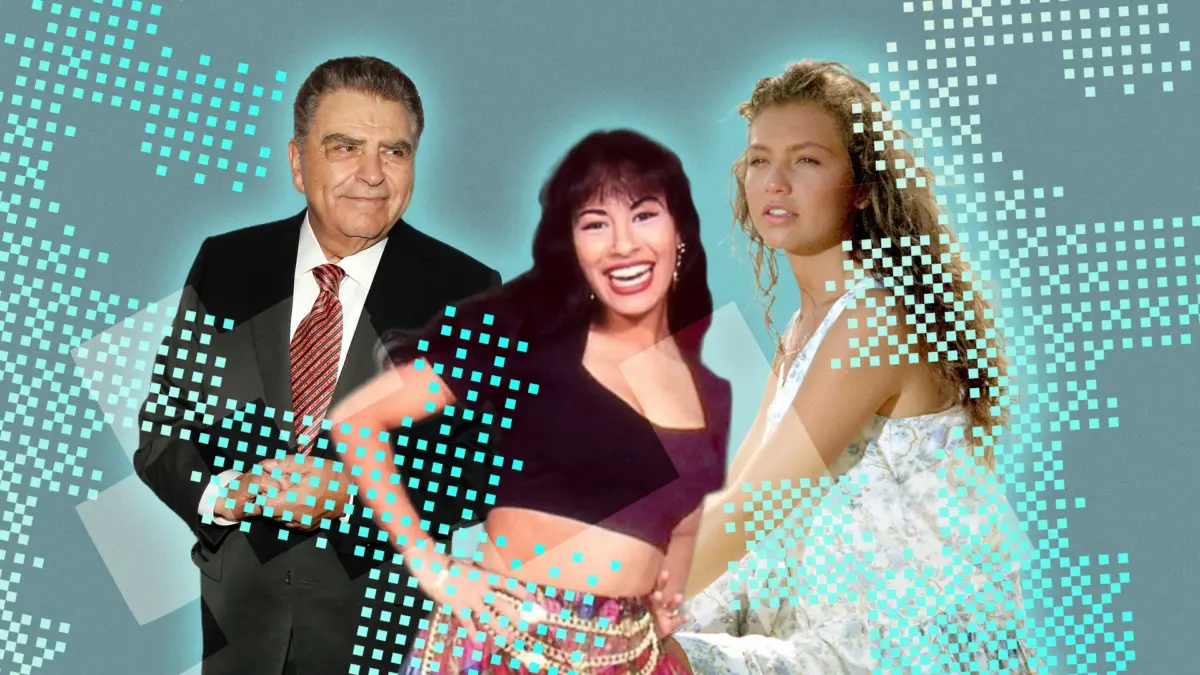
During the 1990s and 2000s, this shared media diet created a unique collective experience. Viewers tuned in religiously to Marimar, the classic Televisa telenovela starring Thalía and Eduardo Capetillo, watching the trials and tribulations of its characters with rapt attention. Weekend afternoons belonged to Sábado Gigante, the legendary Spanish-language variety show hosted by Don Francisco, which families anticipated all week long. Musical icons like Selena transcended traditional borders, their performances, interviews, and music videos played on a loop by families who never seemed ready to let those cultural moments fade.
Crucially, these broadcasts did not always need to reflect a specific nationality to resonate. For a Dominican family in New Jersey, watching a Mexican-American pop star or a Mexican soap opera still felt intimately familiar. The underlying expressions, complex family dynamics, distinct humor, and larger-than-life personalities mirrored pieces of a broader diaspora culture that viewers instinctively recognized and understood.
Watching these programs was never a passive, quiet affair. When a character on Marimar made a predictably disastrous romantic or financial decision, a chorus of reactions would erupt across the room. A mother might shake her head in disapproval, prompting an immediate family member to chime in with an emphatic, "¡Te dije que eso iba a pasar!" Within moments, the living room would fill with layered voices, teasing banter, laughter, and lighthearted debates over who had predicted the plot twist first.
This dynamic closely mirrored the energy of extended Dominican family gatherings, where adults routinely debated everything from local gossip to the unfolding drama on television. Someone was always calling out from an adjacent room, yet somehow, everyone remained part of the overarching conversation. Even though the shows did not tell the exact story of a Dominican household in the Northeast, the communal viewing experience felt unmistakably like home. Culture, it turned out, was not solely transmitted through direct representation; it was forged through recognition and shared emotional responses.
At the time, children growing up in these environments rarely viewed these evening routines as acts of cultural preservation. They were simply kids watching television with their parents. Yet, looking back years later, those ordinary rituals served as powerful foundational lessons in identity, teaching young people where they came from while they figured out who they were.
This television-driven bridge allowed youth to successfully compartmentalize their worlds. A child could speak English all day at school among peers, only to return home to a living room completely enveloped in Spanish. It offered a rare luxury: the ability to grow up rooted in New Jersey while maintaining a vibrant, daily connection to Latin America and the Caribbean. Ultimately, young people did not have to choose between being Dominican and being American—they could effortlessly occupy both spaces at once.
The media landscape that fostered this dual identity, however, has undergone a profound transformation. Today, hearing the iconic opening notes of a telenovela like Marimar still invokes a powerful wave of nostalgia for those quiet evenings with family. Yet, the mechanics of how people consume media have shifted entirely. The era of waiting anxiously for a specific time slot to watch a broadcast with the entire household has largely been replaced by on-demand streaming.
Modern viewers now stream content independently, whenever and wherever schedule permits. When a contemporary show triggers a laugh or evokes a sudden pang of homesickness, the reaction is rarely shouted across the living room. Instead, it is digitized and dispatched instantly via a clip or a meme shared in a family group chat.
While the underlying cultural connection remains strong, its delivery mechanism has changed shape entirely. In the past, a dramatic telenovela plotline, a standout performance on Sábado Gigante, or a memorable music video automatically transformed into the next day’s family conversation without any prior planning. Everyone had watched the exact same broadcast; everyone possessed an informed opinion. In the modern era of fragmented, personalized algorithmic feeds, audiences diverge. People follow different digital creators, watch entirely different streaming platforms, and encounter culture along vastly different pathways. Shared cultural moments have not vanished altogether, but they have undeniably become less automatic.
Concurrently, the nature of representation has shifted from passive consumption to active production. Latino creators today no longer wait for traditional gatekeepers to grant them representation; they build platforms and produce content that mirrors their exact realities from the ground up. A young Dominican viewer in New Jersey can pull out a smartphone and immediately plug into a vibrant digital community that reflects their specific lived experiences. This unprecedented creative freedom and accessibility represent a massive cultural victory.
Yet, this hyper-individualized media consumption also leaves room for a distinct kind of longing—a subtle ache for the collective unity of the past.
As digital platforms have multiplied to encompass TikTok, independent podcasts, YouTube channels, and subscription streaming services, the underlying human desire for connection remains entirely unchanged. Audiences still yearn for content that evokes the warmth of home, and more importantly, they still want to share those touchstones with the specific people who made their upbringing feel like home in the first place.
For communities that grow up navigating the spaces between multiple cultures, heritage is transmitted through far more than oral histories or formal origin stories. It lives and breathes in everyday language, cherished kitchen recipes, inherited music, and the ordinary hours spent in close proximity with loved ones.
For millions, that heritage is permanently etched into the memory of a television glowing softly in a suburban living room, filling the air with the cadence of Spanish. What once felt like simple, transient evening entertainment is revealed, in hindsight, to be a powerful formative force. The true magic was never solely located inside the broadcast itself, but rather in the shared experience of watching it together.
As media ecosystems continue to evolve, audiences enjoy more avenues for cultural exploration and connection than at any point in history. The ongoing challenge, however, lies in preserving the communal nature of those bonds. Culture is never merely a product to be consumed in isolation; it remains something deeply human to be experienced, collectively remembered, and actively passed on from one generation to the next.