










Flooding accounts for approximately 11% of all billion-dollar weather and climate disaster events across the United States, according to the National Oceanic and Atmospheric Administration (NOAA). As climate patterns shift and severe weather events grow increasingly frequent and intense, emergency management officials and public health agencies are emphasizing the critical importance of comprehensive disaster planning. For families, neighborhoods, and local communities, understanding these risks and establishing proactive safety measures can mean the difference between safety and catastrophe.
Government bodies and emergency response organizations continue to stress that preparation is the most effective defense against the unpredictable nature of severe storms. Ensuring household readiness requires a multi-layered approach that includes securing proper insurance coverage, assembling essential emergency supplies, and maintaining constant vigilance through real-time weather monitoring.
According to guidance issued by the Texas General Land Office, preparing for floods involves getting adequate flood insurance, gathering disaster supplies ahead of time, and staying constantly informed on potential weather alerts issued by official monitoring agencies. By taking these steps locally, residents can protect not only their own households, but also their neighbors and the broader community.
Knowing Your Risk and Staying Informed Amid Potential Floods
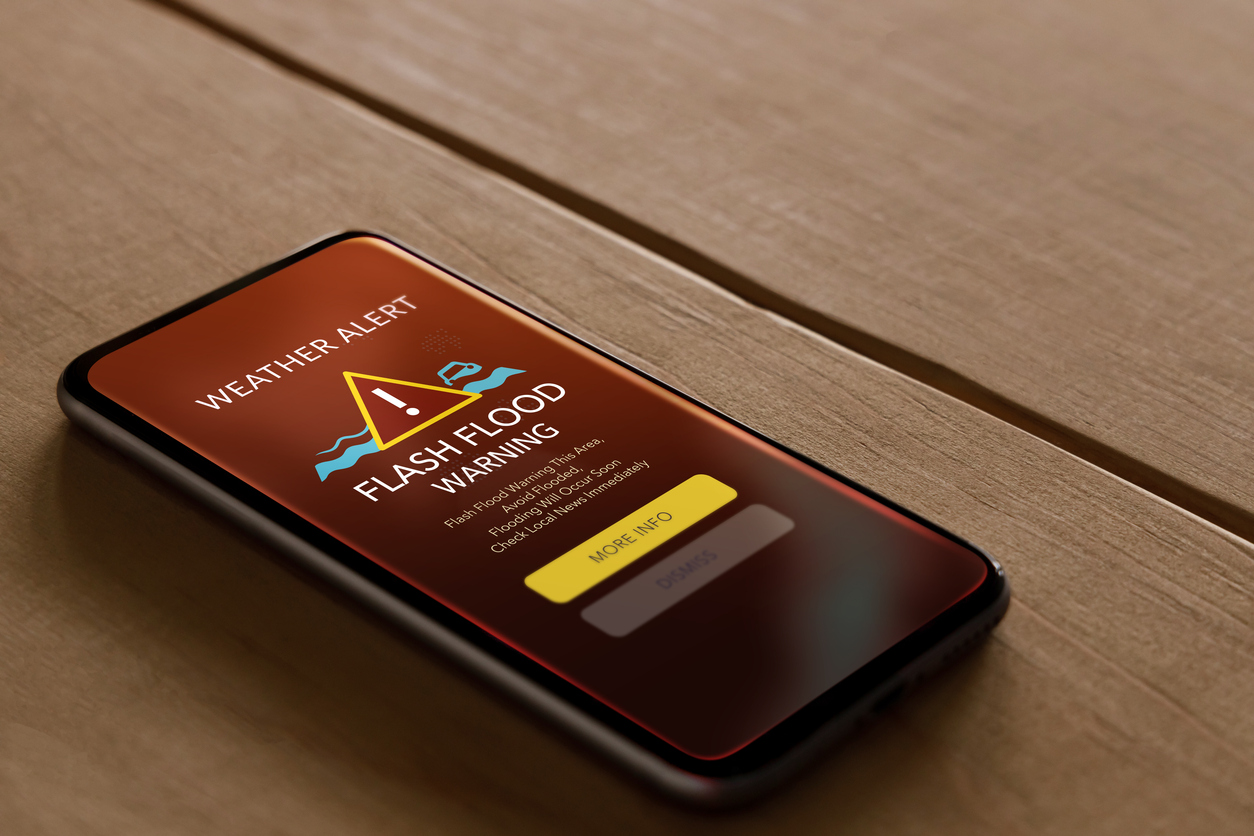
During periods of severe weather and potential flooding, maintaining awareness of rapidly changing environmental conditions is vital. Staying up to date with local news and weather broadcasts via television, radio, or digital social media channels helps residents track the progression of storms and heed critical weather alerts, such as flash flood warnings, before conditions deteriorate.
Public health authorities, including the Centers for Disease Control and Prevention (CDC), urge individuals to sign up for local emergency alerts and notifications wherever available. Smartphone users are strongly encouraged to enable the Wireless Emergency Alerts feature on their mobile devices to receive automated, geographically targeted warnings about imminent life-threatening hazards. Furthermore, understanding the precise definitions and distinctions among various weather watches, advisories, and warnings is a fundamental step during the preparation phase.
Communication strategies extend beyond digital alerts. Establishing reliable lines of communication with family members, designated emergency contacts, caretakers, and vulnerable neighbors forms an essential pillar of any household safety plan. The CDC highlights that a person’s ability to access, understand, and use reliable information during an emergency is paramount to protecting overall health and safety. When networks are strained or power fails, pre-established communication protocols ensure that everyone knows how to check on one another and confirm their safety status.
Developing a Comprehensive Household Plan for Severe Weather
When a weather disaster strikes, having a well-rehearsed and documented plan can protect households from chaos and confusion. Comprehensive emergency plans should explicitly outline designated meeting places in the event of separation, compile a list of emergency phone numbers, and safeguard important personal documentation, financial records, and identification papers in waterproof containers.
According to guidance from Ready.gov, households must make a plan that includes pets, ensuring that every family member knows exactly what to do, where to go, and what supplies will be needed to protect themselves from rising floodwaters. Safety plans must also be customized to accommodate specific daily living needs and household responsibilities. This includes planning for household pets, individuals with disabilities or specific medical needs, infants, elderly family members, and any other unique logistical considerations relevant to the household.
In Texas, the Department of State Health Services provides a customizable Emergency Plan Form to help residents organize their emergency strategies. Additional resources, flood maps, and recovery guidelines are readily available through specialized federal and nonprofit portals, including the FEMA Flood Map Service Center, Floods.gov, and the American Red Cross. Utilizing these tools allows residents to map their vulnerability and tailor their preparations to the specific geography of their neighborhoods.
Understanding the Hidden Dangers of Floodwaters
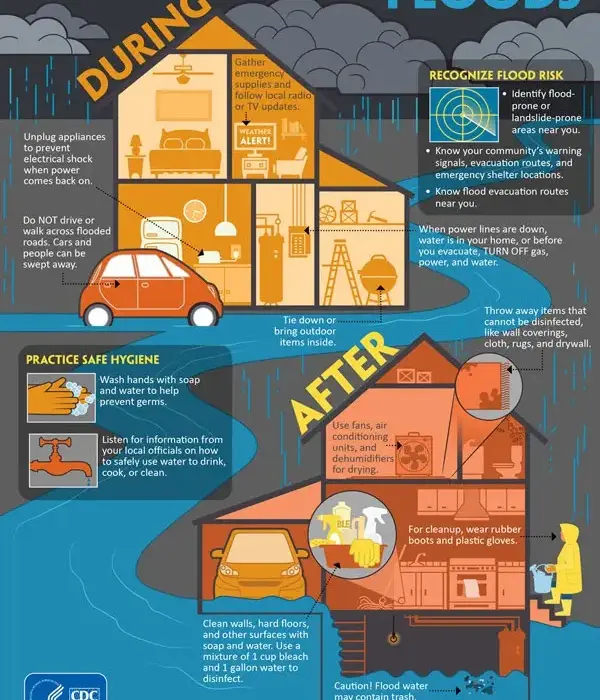
Floodwaters present severe and multifaceted threats to public health and safety, regardless of an individual’s swimming ability or physical fitness. Swiftly moving shallow water possesses tremendous kinetic force and can easily become deadly, while even seemingly benign, shallow standing water can harbor hidden hazards and pose significant dangers to small children and household pets.

The CDC warns that floodwaters frequently contain hazardous biological and chemical particles that are deeply detrimental to human health. These contaminants can include agricultural runoff, sewage, industrial pollutants, sharp debris, and biological pathogens stirred up from overwhelmed drainage systems.
Beyond water quality concerns, the sheer physical power of moving water is frequently underestimated by the public. The National Weather Service reports that a significant number of flood-related fatalities occur when motorists attempt to drive through water and find their vehicles swept downstream. Many of these tragic drownings are entirely preventable. Authorities emphasize the absolute necessity of the rule, "Turn Around, Don’t Drown," reminding drivers never to drive around physical barriers, barricades, or warning signs blocking a flooded roadway.
Assessing and Strengthening Community Health and Resilience
The impact of floods, whether major regional catastrophes or localized urban inundations, extends far beyond immediate property damage, frequently exposing underlying vulnerabilities within neighborhoods and communities. Understanding the baseline health, economic stability, and resource access of a local area is critical for building long-term disaster resilience.
Organizations such as Salud America! provide tools designed to help residents and community advocates examine local well-being through resources like the Health Report Card. These report cards offer detailed metrics regarding local socioeconomic challenges, such as the proportion of children living in poverty, the prevalence of food deserts, rates of low food access, and community participation in nutritional assistance programs like SNAP, allowing users to compare local conditions against state and national benchmarks.
By analyzing these community health indicators, local leaders and residents can better understand where neighborhoods are most vulnerable to compounding crises. Sharing these findings with community stakeholders, local officials, and online networks helps build momentum to address systemic resource gaps and support the most vulnerable populations before the next severe weather event strikes.