





Growing up in the suburban neighborhoods of New Jersey, the intricate tapestry of a Dominican heritage was often woven not just through stories told at the dinner table, but through the flickering light of a television screen. For many children of immigrants, broadcast media served as an essential anchor, connecting them to a culture and a language that lived thousands of miles away. Even when the programming did not feature characters with their exact background, the familiar cadences, expressions, and family dynamics offered a profound sense of recognition and belonging.
In households across the region, the evening routine often centered around the kitchen and the living room, where the ambient sounds of Spanish-language networks competed with the clatter of pots and pans. Long before the era of streaming services, on-demand platforms, and personalized algorithms, television viewing was an active, communal ritual. For many families, tuning into Spanish-language giants like Univision and Telemundo was as natural as preparing the evening meal.
The Soundtrack of an Immigrant Childhood
The television landscape of those years was defined by appointment viewing, creating shared cultural touchstones that resonated across entire communities. Afternoon and evening schedules were dictated by beloved telenovelas, while weekends brought high-energy variety shows that families anticipated all week long.
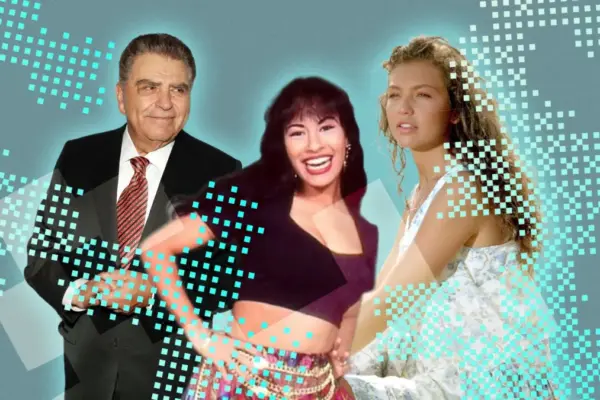
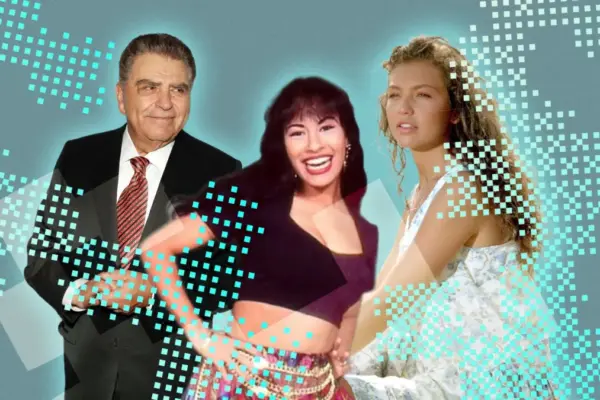
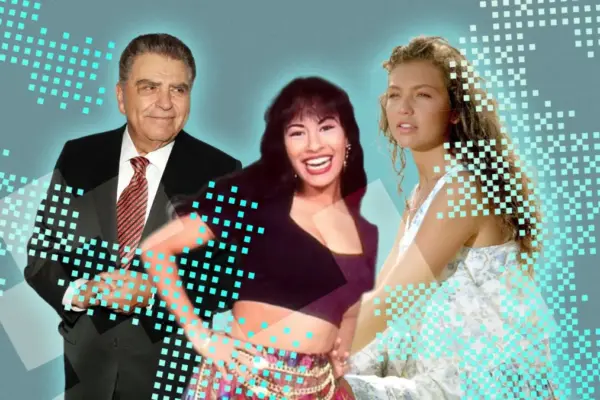
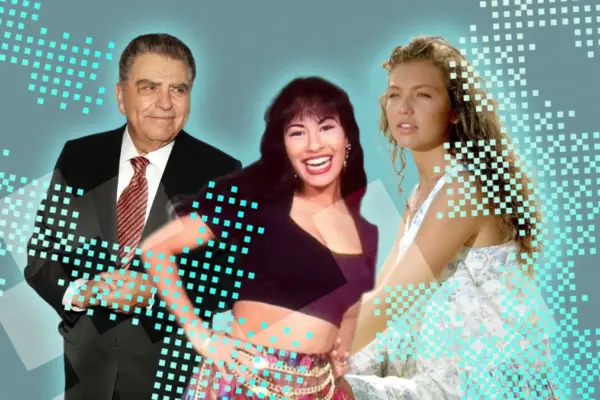
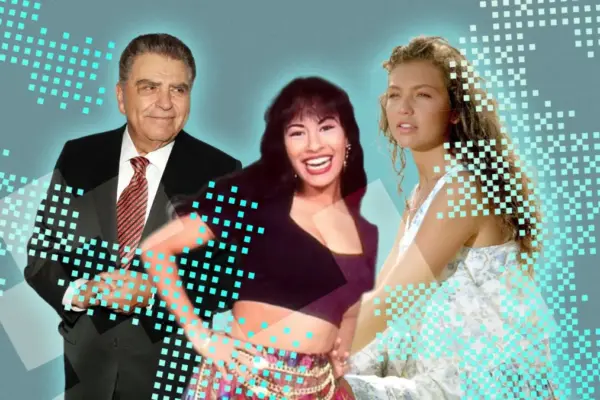
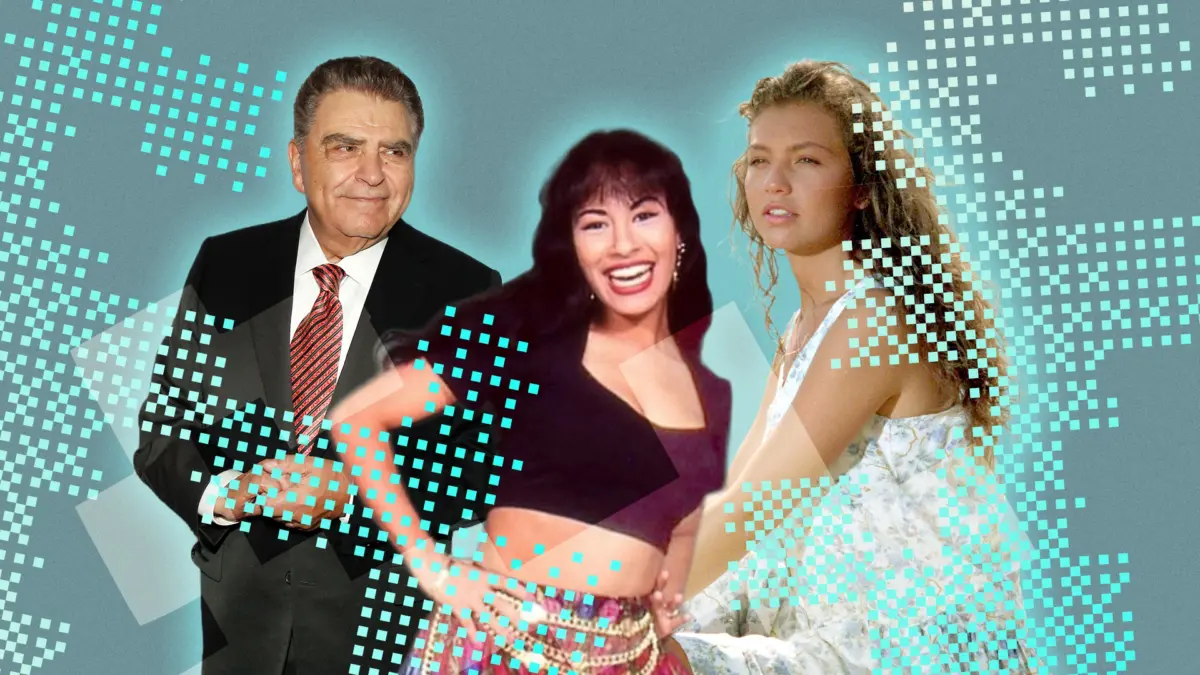
Among the most enduring memories for many viewers of that generation was Marimar, the classic melodrama starring Thalía and Eduardo Capetillo. For children growing up balancing two distinct cultural identities, characters on screen became early icons. Weekends brought a different kind of excitement with Sábado Gigante, hosted by the legendary Don Francisco. The iconic variety show was a staple of weekend routines, offering a sprawling mix of comedy, human interest stories, and musical performances that brought families together on the couch.
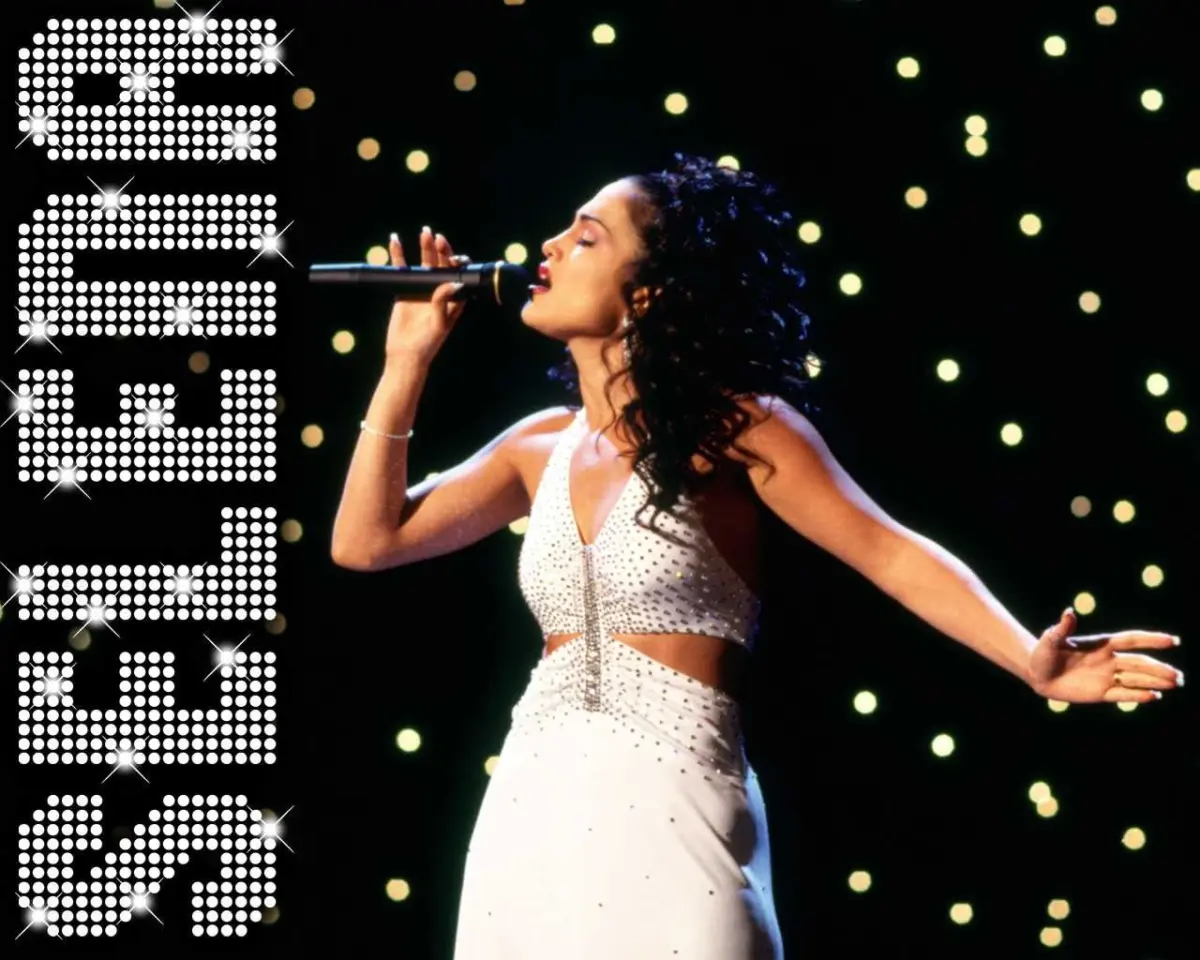
Performances and interviews by artists like Selena—whose tragic loss left an indelible mark on her fans—were replayed on television screens and in home recordings, becoming part of the emotional fabric of the household. Though Selena was Mexican American, her music and presence transcended specific regional borders, resonating deeply with Latino audiences throughout the United States.
Crucially, watching these programs was never a quiet, passive experience. The living room acted as an extension of the drama unfolding on the screen. A character’s questionable decision on Marimar would draw immediate commentary, headshakes, and sharp critiques from mothers and grandmothers, quickly followed by triumphant choruses of agreement from other family members. These lively reactions mirrored the atmosphere of typical family gatherings, where adults debated everything from daily gossip to the latest plot twists.
Bridging Two Worlds Through Broadcast Media
At the time, these ordinary evenings were rarely viewed as acts of cultural preservation. To a child growing up in New Jersey, it was simply entertainment—a way to unwind after a long day at school. Decades later, however, the deeper significance of those moments becomes clear. For immigrant families navigating the complexities of assimilation, broadcast media functioned as a vital bridge. It linked the world parents left behind with the new reality their children were experiencing.
This dual existence allowed young people to speak English in the classroom while returning home to a living room filled with Spanish. It eliminated the need to choose between being Dominican and being from New Jersey, enabling children to embrace both identities simultaneously. The television acted as a cultural conduit, transmitting language, music, humor, and traditions into homes far from the Caribbean and Latin America.
The magic of this era lay in its universality within the community. Because everyone watched the same broadcasts at the same time, television provided conversational currency. A dramatic scene from a telenovela, a memorable segment from Sábado Gigante, or a popular song would naturally evolve into family discussions the following day.
The Evolution of Shared Culture in the Digital Age
In contemporary households, the way audiences consume media has undergone a fundamental transformation. The rigidity of broadcast schedules has been replaced by the flexibility of streaming platforms, allowing individuals to watch whatever they want, whenever they want. Families no longer need to gather around a single television set to negotiate channel choices or wait anxiously for a weekly episode to air.
While the modern media landscape offers unprecedented convenience and choice, the nature of shared cultural experiences has shifted. Today’s audiences are splintered across different shows, streaming networks, and digital platforms. Shared cultural moments still happen, but they are often less automatic. Rather than sitting together in the living room, family members now share clips, memes, and highlights through digital group chats, maintaining their connections across physical distances in new ways.
At the same time, the media ecosystem has empowered a new generation of creators. Latino artists, writers, and digital creators no longer have to wait for traditional networks to grant them representation; they are actively building their own platforms. A young person today can easily find online communities and content that mirror their exact lived experiences, fostering a direct and accessible form of representation that previous generations could only imagine.
The Enduring Legacy of Communal Viewing
Despite the vast expansion of digital platforms—spanning TikTok, podcasts, YouTube, and prestige streaming services—the fundamental human desire for connection remains unchanged. The longing to see reflections of one’s heritage and to share those discoveries with loved ones is as strong as ever.
For those who grew up between cultures, heritage is transmitted through far more than historical accounts or geographic origins. It lives on in daily language, culinary traditions, musical tastes, and the quiet, ordinary moments spent together in the glow of a living room screen. What initially appeared to be simple entertainment ultimately proved to be a powerful formative force, anchored not just by the content of the broadcasts, but by the shared experience of watching them alongside family.
As media continues to evolve and offer more avenues for cultural exploration than ever before, the primary challenge lies in preserving those shared connections. Culture remains something that is not merely consumed, but actively experienced, remembered, and passed down from one generation to the next.