






By Anna Ortega
September 08, 2026 – 13:18
Growing up, the cinematic landscape of Chicano films offered a vital mirror for generations of viewers seeking to see their lived experiences reflected on the big screen. Iconic movies such as Selena, Blood In, Blood Out, Real Women Have Curves, Mi Familia, and La Bamba did far more than simply entertain audiences; they served as cultural touchstones that taught young people to take pride in their roots, validate their bicultural identities, and feel fully seen in a media landscape that frequently overlooked them.
These cinematic works transcended standard Hollywood storytelling by exploring the intricate, often delicate tensions that many Chicano and Latine families know intimately. They captured the ongoing negotiation between pride and assimilation, the balance of honoring traditional values while striving for personal independence, and the profound push-and-pull between family loyalty and the personal desire to break boundaries and become something more. Decades after their initial theatrical releases, these films continue to hold a cherished place in the cultural zeitgeist, drawing audiences back for repeated viewings not merely out of a sense of nostalgia, but because the fundamental human need to be authentically seen on screen never stops mattering.
The cultural impact of these movies lies in their unflinching portrayal of the multifaceted Chicano experience. Rather than flattening characters into monolithic tropes, filmmakers and actors brought forth complex narratives that resonated deeply within households across the United States. Whether dealing with the heavy realities of systemic struggle, the euphoria of musical triumph, or the quiet, everyday resilience of multigenerational households, these films carved out a permanent space for stories that Hollywood had historically marginalized.
Among the titles that defined an era, Blood In, Blood Out remains a monumental and gritty exploration of brotherhood, systemic adversity, and survival. The film follows Chicano relatives Paco, Cruz, and Miklo as their lives diverge dramatically while navigating the treacherous worlds of drugs, gang life, and institutional violence. Directed by Taylor Hackford, the sprawling epic examines how environment, socioeconomic pressures, and systemic failures shape the trajectories of young men caught in the crossfire of systemic inequities. Through its uncompromising lens, the film shed light on realities that were rarely discussed openly in mainstream media at the time, offering a sobering look at the fractures within communities while maintaining a core focus on family ties and personal redemption.

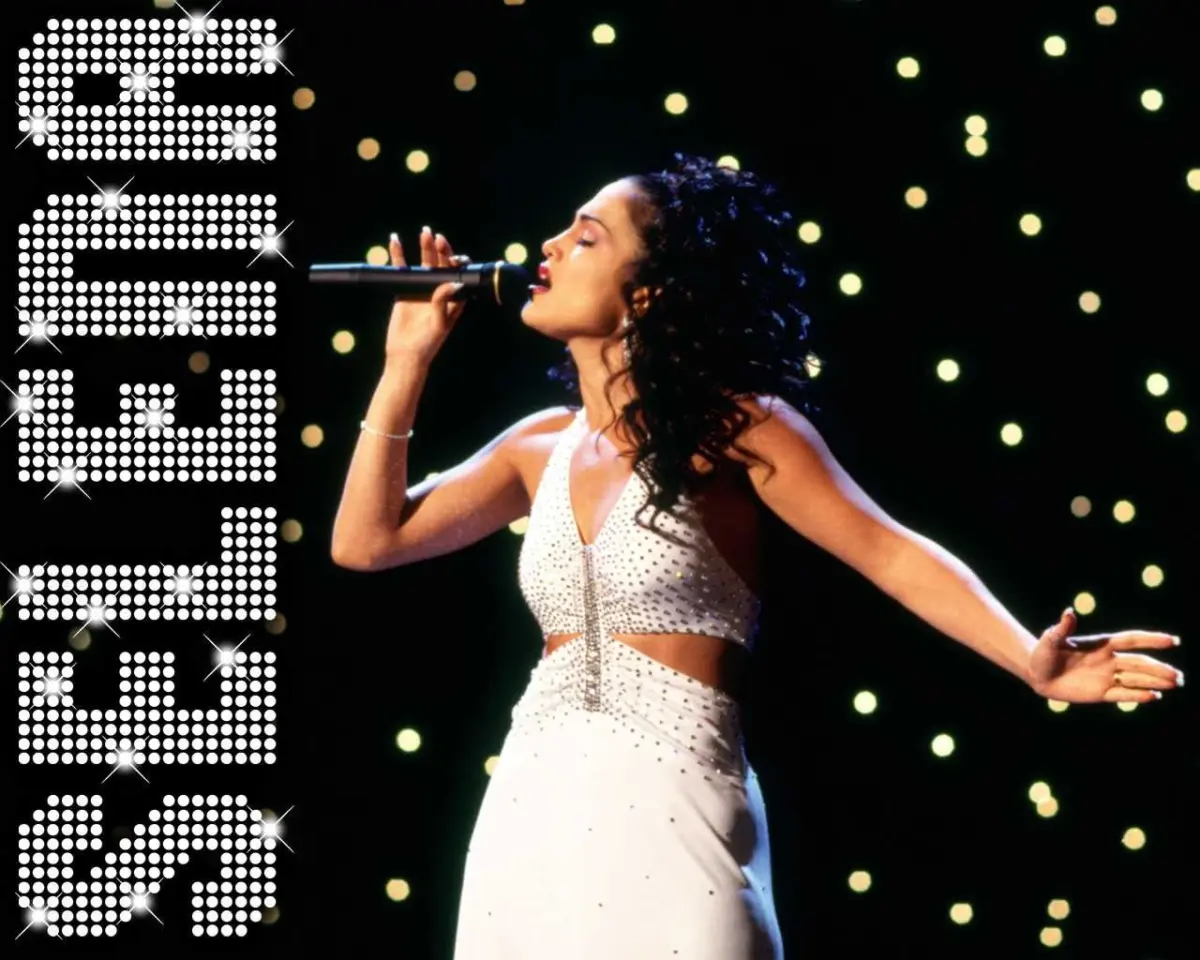
In stark yet complementary contrast, Selena captured the vibrant spirit, undeniable talent, and tragic brevity of the life of the late Queen of Tejano music, Selena Quintanilla-Perez. Starring Jennifer Lopez in a career-defining role, the biographical drama celebrated the rich cultural fusion of bicultural life, urging audiences to embrace their heritage with unashamed confidence. The film detailed Selena’s meteoric rise to stardom, her deep connection with her family, and her groundbreaking impact on the male-dominated Tejano music genre. For countless young fans, Selena became an anthem of self-belief, teaching generations that pursuing one’s dreams does not require turning one’s back on where one comes from. The phrase "Anything for Selenas" evolved from a memorable line in the film into a permanent cultural mantra, symbolizing absolute devotion and cultural solidarity.
Equally resonant is Mi Familia, also known as My Family, which traces the multigenerational journey of a Mexican-American family living in East Los Angeles. Spanning several decades, the film captures the profound resilience, everyday struggles, and enduring triumphs of Latine communities in the United States. By focusing on the Sanchez family, the narrative weaves together individual stories of immigration, labor, love, and heartbreak into a sweeping tapestry of collective endurance. The film underscored the idea that a family’s history is built upon the quiet sacrifices of those who came before, laying down roots in unfamiliar soil and weathering political and social shifts with unwavering dignity.
The celebration of complex female identities found a powerful vehicle in Real Women Have Curves, which introduced audiences to the immense talents of America Ferrera in her breakout film role. Set in the heart of East Los Angeles, the movie focuses on Ana Garcia, a young, ambitious first-generation Mexican-American woman caught between her personal aspirations of pursuing higher education and the traditional expectations of her immigrant mother, who works tirelessly in a garment factory. The film celebrated the realities of the Latina experience while fearlessly highlighting the internal and external struggles associated with body image, cultural expectations, class mobility, and generational friction. By championing self-acceptance and refusing to pander to Hollywood beauty standards, Real Women Have Curves offered a refreshing, authentic depiction of young womanhood that resonated far beyond the Latine community.
No retrospective of foundational Chicano cinema would be complete without acknowledging La Bamba, the poignant biographical drama that chronicled the brief yet legendary life of rock-and-roll pioneer Ritchie Valens. Directed by Luis Valdez, the film charted Valens’ rapid ascent from a migrant agricultural worker to a mainstream musical sensation whose life was tragically cut short in the fateful 1959 plane crash alongside Buddy Holly and The Big Bopper. Starring Lou Diamond Phillips as Valens and featuring the unforgettable musical contributions of Los Lobos, La Bamba captured the optimism of the American Dream tempered by the deep sorrows of loss and cultural dislocation. The film cemented Valens’ legacy in music history while providing audiences with deeply emotional moments that have moved viewers to tears across generations.
The enduring legacy of these films extends far beyond their initial box office runs or critical reception. They provided a generation of viewers with characters who carried their families, their cultural contradictions, and their unique identities wherever they went. These stories made audiences laugh, cry, and commit entire lines of dialogue to memory, fostering a shared cultural language that bridged geographic and generational divides. Most importantly, they recognized parts of personal identity that mainstream entertainment had historically ignored or misrepresented.
Decades after their premieres, audiences continue to return to these cinematic milestones. This sustained engagement speaks to a larger truth about representation in media: the desire to see authentic reflections of one’s culture, family dynamics, and historical struggles on screen is an ongoing necessity. As new generations discover these films alongside those who watched them upon their original releases, the cultural footprint left by Selena, Blood In, Blood Out, Mi Familia, Real Women Have Curves, and La Bamba continues to expand, proving that stories rooted in cultural authenticity hold a timeless and universal power.