








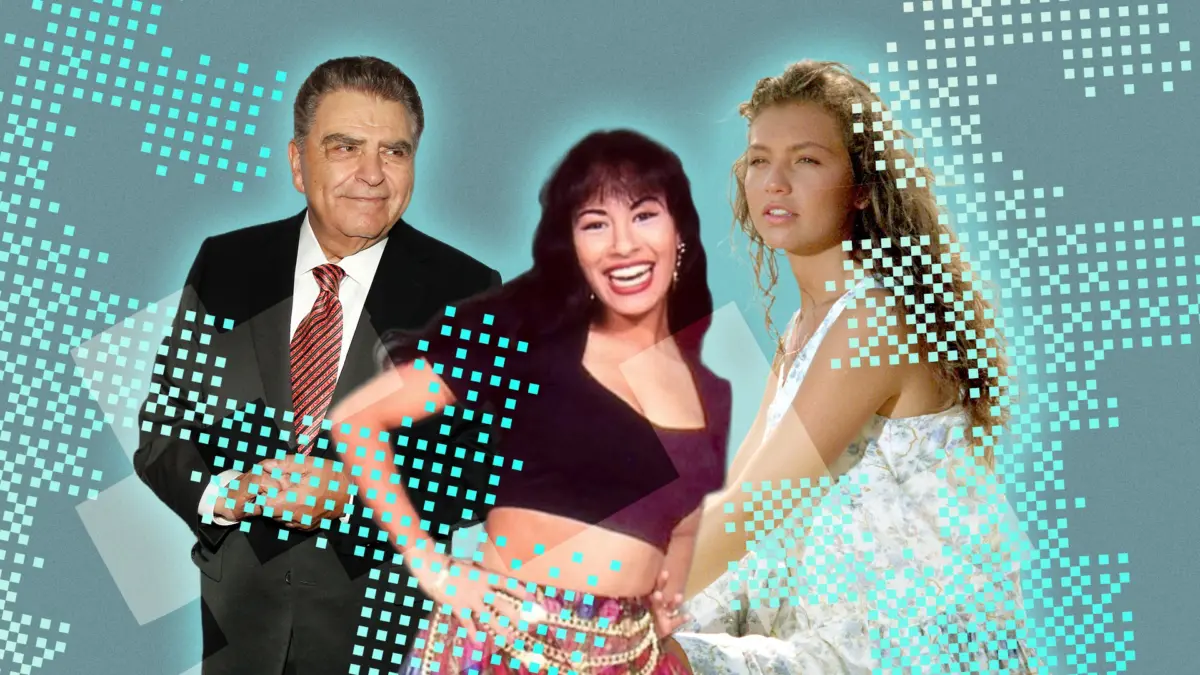
Growing up as a first-generation Dominican American in New Jersey, the cultural markers of home were rarely grand or monumental. They were woven into the ordinary, everyday fabric of life, often anchored by the steady, glowing light of a television screen in the corner of the living room. While dinner preparations filled the air with the clatter of pots, pans, and family chatter, the Spanish language poured steadily through the television speakers. It competed for airspace with lively household debates, phone calls to relatives, and the occasional good-natured argument over who got to wield the remote control. More often than not, the battle lines were drawn between Univision and Telemundo, setting the nightly soundtrack for an immigrant household trying to bridge two distinct worlds.
For many families navigating life in the United States, broadcast media served as far more than a source of passive evening entertainment. It acted as an essential cultural bridge, connecting the world parents had left behind in Latin America and the Caribbean with the rapidly expanding American landscape their children were growing up in. In this New Jersey home, tuning into Spanish-language television helped preserve vital ties to language, regional humor, music, and a deep-seated connection to home, all while building a secure footing in a new country.
The Soundtrack of an Immigrant Household
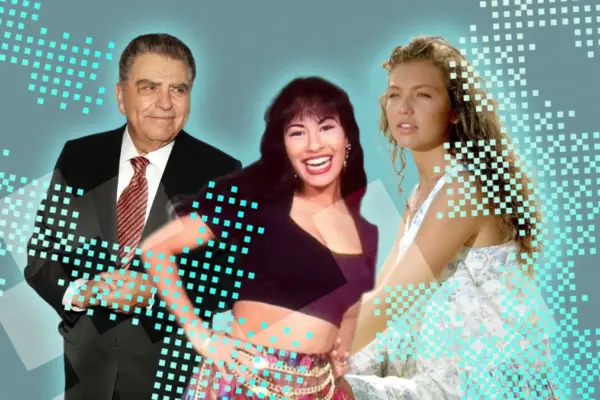
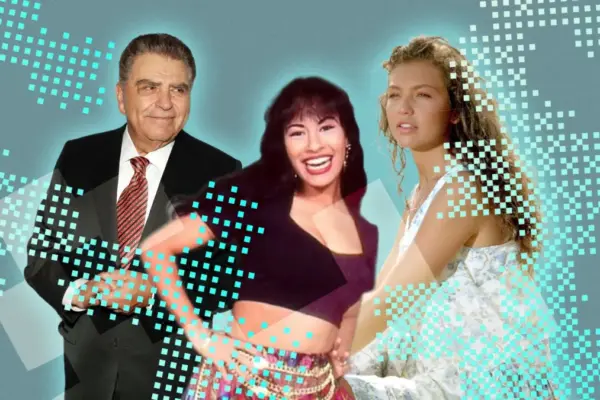
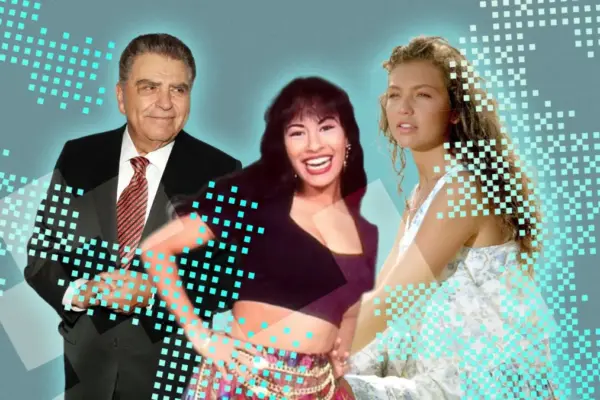
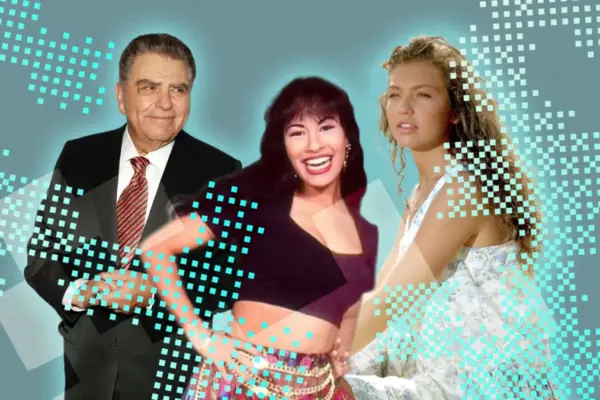
The programming of the era provided an enduring lineup of shared household memories. Weekday evenings often brought iconic telenovelas like Marimar, starring Thalía and Eduardo Capetillo, a series that captured the young viewer’s first television crush while dominating living room conversations. Weekends brought a different kind of communal excitement with Sábado Gigante and its larger-than-life host, Don Francisco, a variety powerhouse that the entire family looked forward to watching week after week. Alongside it came the magnetic performances of Selena, whose music videos and televised interviews were replayed endlessly by a household that never seemed quite ready to let those cultural moments fade.
What made these viewing experiences truly powerful was not necessarily that the narratives mirrored exact Dominican realities. Instead, it was the immediate, instinctive recognition of cultural DNA. Even when the specific plots belonged to other Latin American contexts, the underlying expressions, intricate family dynamics, musical cadences, humor, and expressive personalities reflected pieces of a shared heritage that required no translation.
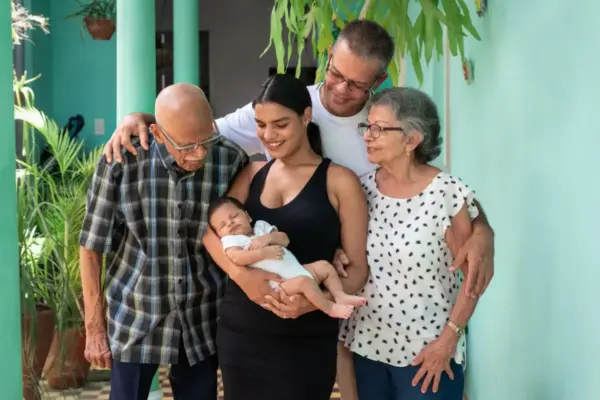
Watching Marimar was never a quiet, solitary affair. A character’s questionable decision on screen would instantly provoke a shake of the head from a mother, followed swiftly by an emphatic family declaration of "¡Te dije que eso iba a pasar!" Within moments, the room would fill with overlapping voices, contagious laughter, playful teasing, and lighthearted arguments over who had predicted the plot twist correctly.
This dynamic mirrored the exact energy found at traditional Dominican family gatherings, where adults laughed over classic stories and passionately debated everything from local family gossip to whatever unfolding drama was currently captivating the television screen. Someone was always calling out from another room, and somehow, the entire household was drawn into the conversation. The television show did not have to tell a strictly Dominican story to make the viewer feel completely at home.
Between Two Worlds: The Era of Appointment Television
At the time, these evening rituals were not viewed through the academic lens of cultural preservation. They were simply the normal routines of a kid growing up in New Jersey, spending quality time watching television alongside family members. Decades later, however, the profound impact of those ordinary moments becomes strikingly clear. They were instrumental in teaching a growing child who they were and where their family’s roots lay.
This phenomenon relied heavily on the magic of appointment television. Families tuned in simply because a broadcast was scheduled, and those programs naturally bled into everyday family conversation because everyone had experienced the exact same broadcast at the exact same moment. A child could navigate English-language public schools all day and return home to a living room completely enveloped in Spanish, effortlessly straddling life in New Jersey while maintaining a vivid, daily connection to Latin America and the Caribbean. There was no internal pressure to choose between being Dominican and being from New Jersey; the television screen allowed a child to comfortably be both.
Even today, hearing the opening notes of Marimar instantly evokes the sensory memory of those evenings surrounded by family. Yet, the mechanics of how television is consumed have shifted dramatically over the years. The era of waiting patiently for a specific broadcast time or gathering physically in the living room to negotiate a viewing choice has largely been replaced by modern streaming habits. Today, content is consumed individually on personal devices whenever schedule permits. When a modern show or digital clip triggers a memory of home or sparks a laugh, the medium of communication has shifted from the living room couch to a digital family group chat via shared memes and video clips.
The Evolution of Shared Cultural Moments
While the underlying cultural connection remains robust, its shape has transformed entirely. In the past, a compelling telenovela storyline, a memorable musical performance on Sábado Gigante, or a breakthrough song on broadcast television automatically fueled family conversations the very next day because mass audiences had collectively tuned in. Everyone shared a baseline familiarity with the content and held an opinion on it.
In the contemporary media landscape, characterized by endless choices, algorithms, and personalized feeds, audiences diverge into niche viewing habits. People follow different digital creators, stream entirely separate series, and discover culture through fragmented pathways. Shared cultural moments have not vanished entirely, but they have undeniably become less automatic and more decentralized.
Concurrently, the landscape of representation has evolved past the point of waiting for traditional networks to grant visibility. Latino creators are actively building their own platforms and communities, ensuring that a young Dominican kid in New Jersey can open a smartphone and immediately find content that mirrors their exact modern experiences. That unprecedented creative freedom and accessibility represent a massive step forward, one that trades old limitations for limitless expression.
Yet, there remains a distinct nostalgia for the collective synchronization of the past—the unique feeling of knowing an entire community was watching the very same screen at the very same time.
Preserving the Connection in a Digital Age
As media platforms have expanded far beyond traditional telenovelas and variety shows to encompass TikTok, podcasts, YouTube, and vast streaming libraries, the fundamental human desire for connection remains unchanged. The underlying impulse persists: to find media that evokes the warmth of home and to share that discovery with the people who originally made life feel like home.
For individuals growing up at the intersection of multiple cultures, heritage is transmitted through far more than verbal family histories. It lives vibrantly in spoken language, cherished culinary recipes, rhythmic music, and the simple, unscripted moments shared together in everyday spaces.
For many, that heritage is permanently anchored to the memory of a television glowing brightly in a New Jersey living room, filling the air with the cadence of Spanish dialogue. What initially appeared to be simple, transient entertainment ultimately proved to be a foundational building block of identity, driven not just by the content on the screen, but by the act of experiencing it together as a family.
As technology provides more avenues than ever to connect with cultural roots, the central challenge shifts toward maintaining the communal nature of those experiences. Culture remains something that is not merely consumed individually, but something that must be actively lived, experienced, remembered, and passed down across generations.