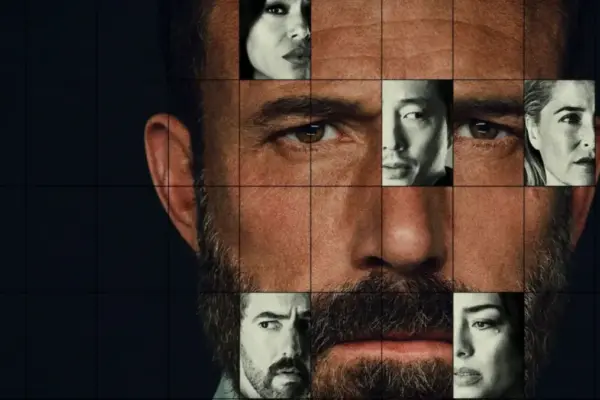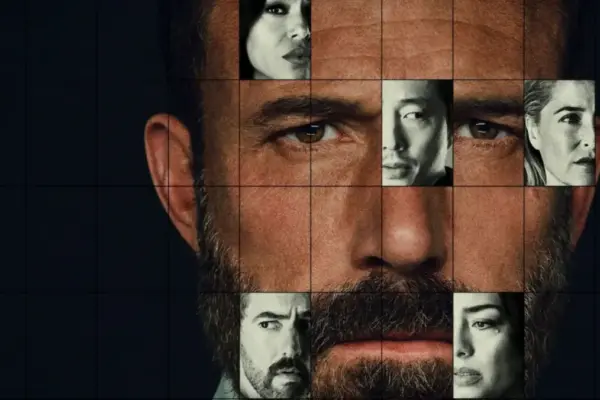








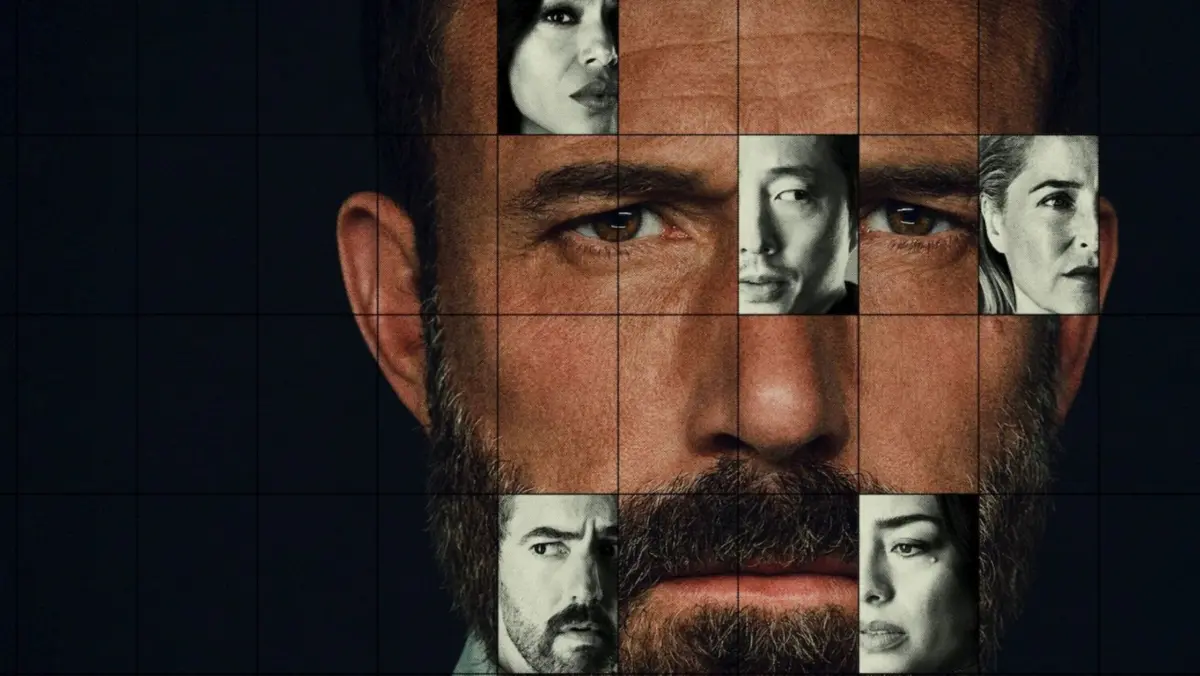
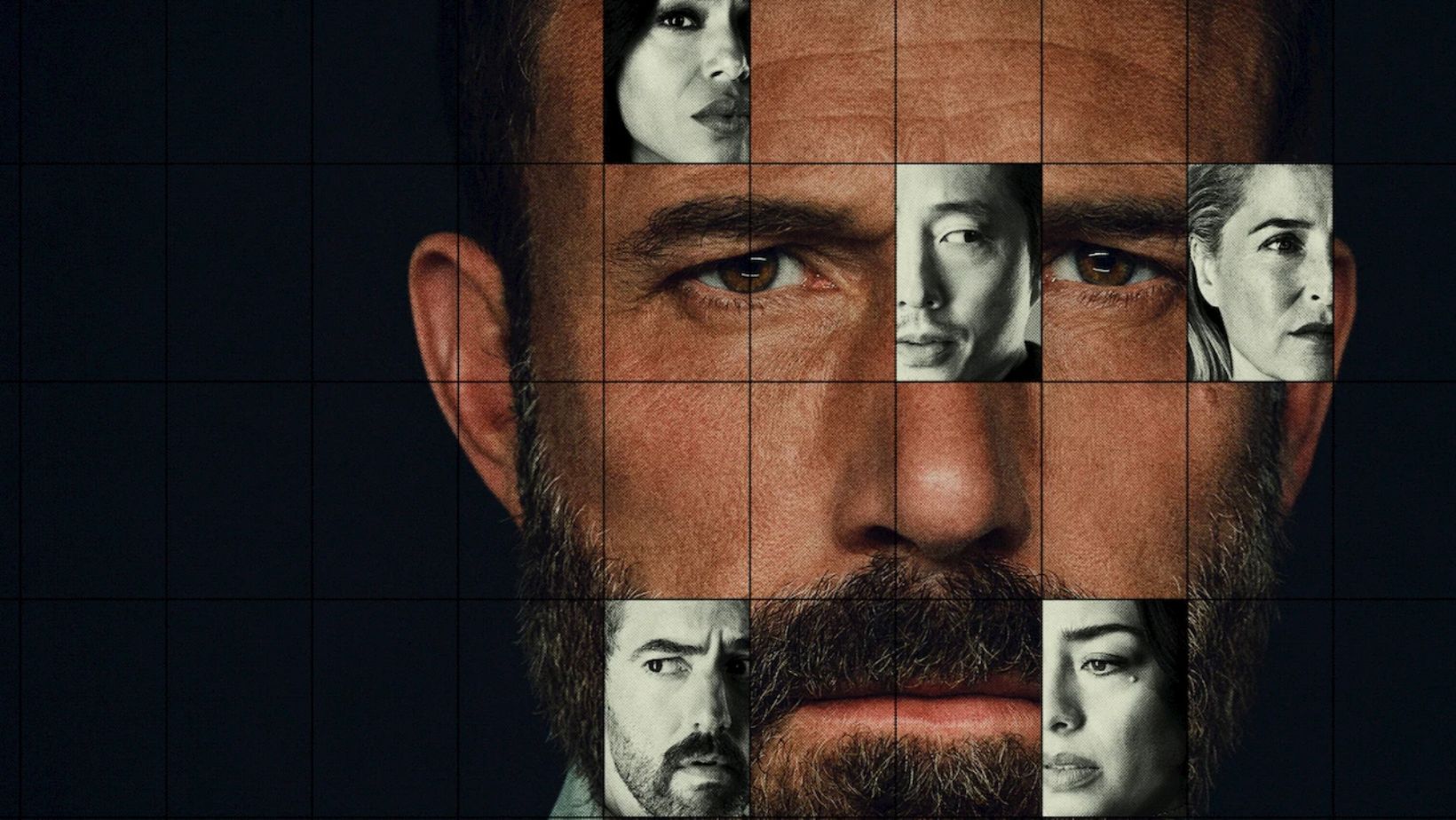
Ben Affleck recently sat down with veteran journalist Jorge Ramos for his digital show to discuss his latest directorial venture, the Netflix film Animals. During the extensive conversation, the filmmaker made it clear that this project was never intended to be a detached, purely aesthetic exercise. Instead, Animals represents a deeply personal and deliberate exploration of the American immigrant experience, a narrative that Affleck views not as an external topic, but as a reflection of the country’s core identity.
Speaking with Ramos, Affleck emphasized that the United States is fundamentally a nation of immigrants. Pointing to his own family and personal background, he argued that the story of Luis and Adriana—the two Mexican characters at the emotional center of the film—is inherently the story of America itself. This ideological framing was not adopted as a calculated marketing angle; rather, it served as the driving conviction behind every creative and logistical decision Affleck made while co-writing and directing the feature. Throughout the interview, he reflected openly on the creative risks he knew he was taking by bringing such a politically and socially charged narrative to the screen in the current sociopolitical climate.
He Knew Making This Film Was a Risk and He Made It Anyway
Affleck was remarkably direct about the inherent risks of centering a major streaming release around the dignity, humanity, and struggles of immigrant characters in contemporary America. In an environment often fraught with polarizing political rhetoric surrounding immigration, choosing to direct a film that highlights these themes was a deliberate choice. He explained to Ramos that his primary goal was to portray immigrants not as flat supporting players in someone else’s narrative, but as fully realized human beings who act as the protagonists of their own stories. For Affleck, the urgency of the cultural and political moment made it impossible to look away from the responsibility that comes with having a prominent platform to tell such a story.
This creative conviction also extended to how he approached traditional industry assumptions regarding language and audience engagement. Affleck addressed the widely held perception within Hollywood that English-language audiences harbor a strong resistance to subtitles, an industry bias that often discourages studios from backing projects driven by non-English dialogue. By moving forward with the film regardless of these commercial calculations, Affleck pushed back against that systemic hesitation. He maintained that the social relevance of the story and the absolute necessity of representing the immigrant experience with honesty and dignity far outweighed any conventional box-office or streaming metrics concerning subtitle preferences.
To ensure that authenticity, Affleck took the unusual step of handing creative control over dialogue directly to his principal actors. Rather than imposing pre-written lines that might feel foreign or inauthentic, he collaborated closely with Mexican stars Adriana Paz and Luis Gerardo Méndez. He gave them the creative space and the literal pen to write their own dialogue, ensuring that the conversations depicted on screen captured genuine cultural nuance, emotional depth, and realistic human interactions. This collaborative approach reinforced his commitment to honoring the lived experiences of the characters rather than relying on external Hollywood approximations.
ICE Was Operating on His Filming Locations and the Script Was Playing Out in Real Life
The conversation between Affleck and Ramos unfolded against the backdrop of an ongoing, highly contentious national debate regarding U.S. immigration policy, border enforcement, and the frequent impact of Immigration and Customs Enforcement (ICE) operations on immigrant neighborhoods. As it turned out, Animals entered this cultural space at a precise historical moment when the boundary between cinematic fiction and stark reality narrowed dramatically.
During production in Los Angeles, the grim realities of current immigration enforcement directly intersected with the making of the film. Affleck recounted that there were multiple days when the production crew had to abruptly suspend filming because active ICE operations were unfolding in the immediate neighborhoods where they were working. Describing the surreal experience of watching the dramatic situations outlined in his script play out in real life right outside the production trailer, Affleck called it an extraordinary and sobering phenomenon.
Rather than viewing these interruptions as inconvenient logistical hurdles, Affleck acknowledged that witnessing these events sharpened his understanding of the project’s profound necessity. The collision of fiction and reality on the very streets where they were shooting gave the production a visceral gravity and depth that no amount of standard research or pre-production preparation could have manufactured. This lived proximity to the anxieties faced by immigrant communities reinforced the director’s sense of duty to get the story right, validating the collaborative scriptwriting process he shared with Paz and Méndez and cementing the film’s contemporary urgency.
He Said This Is a Country of Immigrants and His Family Proves It
For Affleck, the subject of immigration is not an abstract political talking point or a trendy cinematic theme; it is deeply rooted in personal history. He told Ramos plainly that his own family and people are immigrants, tying his personal heritage directly to the broader tapestry of the United States. In Affleck’s view, the struggles and aspirations of the characters in Animals mirror the historical and ongoing creation of America, a country whose cultural and economic identity has perpetually been shaped by individuals who crossed borders to build their lives anew.
This personal ethos aligns closely with his expanding professional footprint as a filmmaker and producer. Animals was produced in association with Artists Equity, the artist-driven studio Affleck co-founded alongside longtime collaborator Matt Damon. The film features a diverse and high-profile ensemble cast, starring Kerry Washington, Gillian Anderson, Steven Yeun, and Ray Fisher alongside its Mexican leads. Affleck brought this ambitious project to life fully aware that it would enter a fiercely charged national conversation—one that remains deeply personal and immediate for millions of viewers across the country. Animals is currently streaming on Netflix, inviting audiences to engage with a story born from real-world urgency, creative collaboration, and a profound respect for the immigrant experience.