





Few athletes become living embodiments of national pride, yet for more than a quarter-century, Francisco Guillermo "Memo" Ochoa has carried that exact mantle. Arriving at Club América over twenty-five years ago as an ambitious young forward, life and instinct ultimately steered him toward the penalty box, where he would secure his place in history as arguably the most important Mexican goalkeeper of all time.
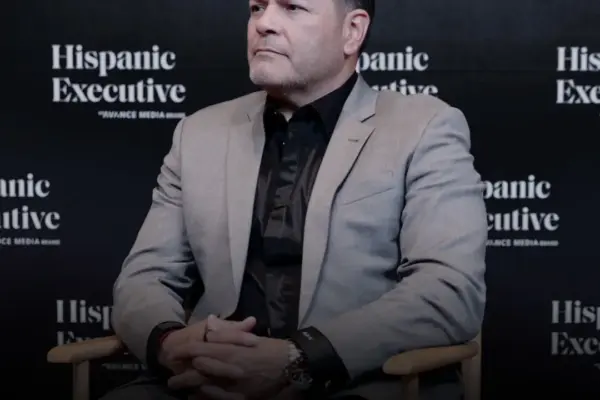
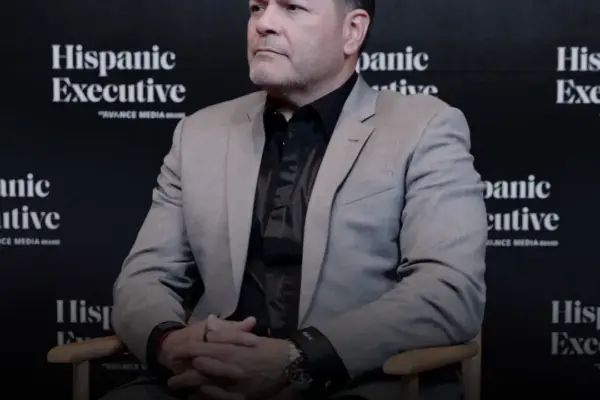
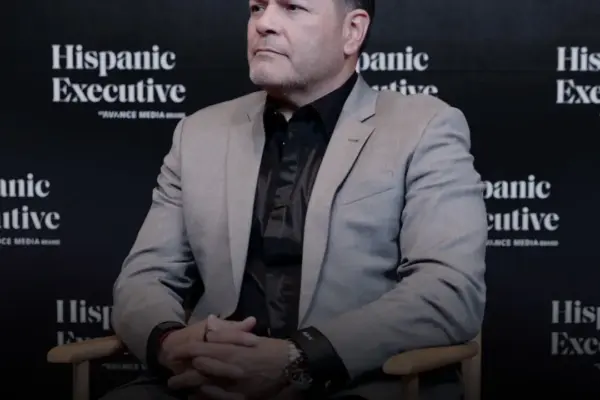
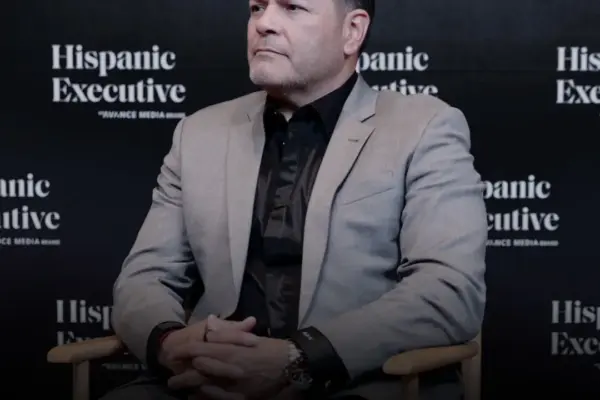
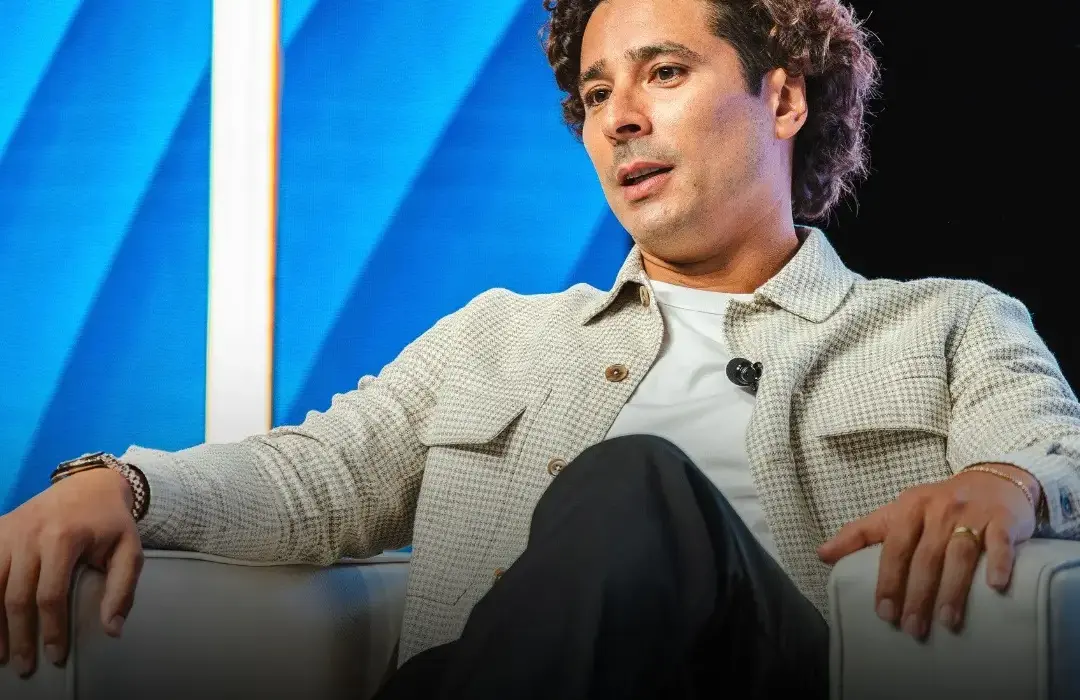
Fresh off a whirlwind summer that marked his historic sixth and final World Cup appearance—made all the more poignant by playing in front of his home crowd at the legendary and historic Estadio Azteca—Ochoa sat down for an exclusive interview with The Latino Majority at AVANCE Global 2026 in Las Vegas. Looking back on a career defined by breathtaking saves, global stages, and immense national expectations, Ochoa opened up about the evolution of his mindset, his deep connection to the Latino diaspora in the United States, and the intentional steps he is taking to build a lasting legacy far beyond the soccer pitch.
For a goalkeeper of Ochoa’s stature, operating under the relentless microscope of international competition means living in the crosshairs of public scrutiny. The margin between hero and villain in professional soccer is razor-thin, and the pressure of standing alone in goal taught him early on that mistakes are not just inevitable; they are essential teachers.
Reflecting on the psychological endurance required to survive decades at the highest level, Ochoa offered a candid perspective on handling failure.
"You have to learn from mistakes, learn to live with them, and get back up the next day. You start from zero," Ochoa shared during the discussion. "As the years go by, you learn how to let them go and not carry that weight with you."
That resilience has been the cornerstone of a career that spanned generations, taking him from the passionate stadiums of Liga MX to high-profile stints across Europe. Yet, no matter where his career took him, Ochoa’s journey has remained inextricably linked to the millions of fans who see a reflection of their own identity in his achievements.
The bond between soccer and the Latino community in the United States is profound, emotional, and difficult to separate from everyday cultural life. A club jersey—whether it bears the crest of América, Chivas, Cruz Azul, or the colors of the Mexican national team—often functions as an anchor for identity, heritage, and nostalgia for millions of Latinos living far from home. That community, in turn, has served as a fundamental pillar of support throughout Ochoa’s professional trajectory, lifting him up through triumphs and remaining steadfast during challenging campaigns.
Recognizing the depth of that relationship, Ochoa expressed a deep sense of responsibility to give back to the supporters who have championed him across decades. As he navigates the twilight of his active playing days, his focus has shifted toward meaningful engagement and tangible support for communities north of the border.
"Now, as I reach the end of my career, I’ve tried, and will continue trying, to give some of that affection back by helping, finding ways to be closer to them, and seeing how we can support communities here in the United States," he noted.
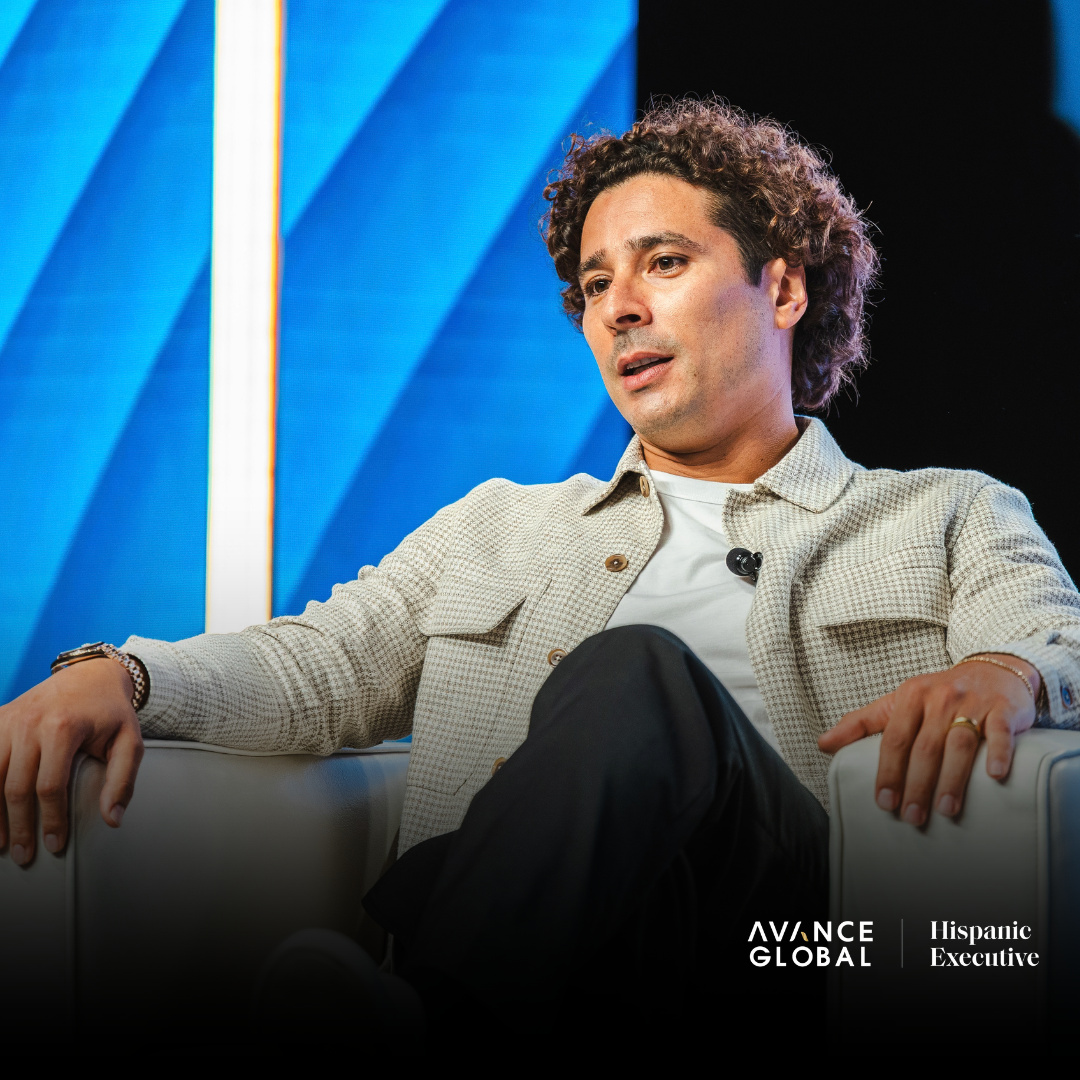
Yet, life naturally extends far beyond the boundaries of a soccer field. For any professional athlete, the day eventually arrives when the roar of the stadium fades, the referee blows the final whistle of a career, and what remains is the reality of life after sports. While many athletes struggle with this abrupt transition, Ochoa has been quietly preparing for this next chapter for quite some time. Transitioning from a world-class athlete to an entrepreneur, he is stepping onto a new playing field—one where success is measured not by clean sheets or penalty saves, but by economic vision and social impact.
"It’s something I started building a while ago, preparing for life after my career and looking for different types of investments," Ochoa explained, detailing his deliberate approach to post-athletic longevity.
Among these ventures is One Sport, an initiative that originates on the athletic field but aims to extend its reach deep into the social fabric of underserved communities. The project addresses a stark reality in sports development: while millions of dollars and endless media attention focus on the elite tier of professional soccer, an immense ecosystem of talented youth exists beneath the surface, often unseen and lacking a clear pathway to success.
"So much attention goes to professional soccer, but underneath it there is a huge community of kids who play and sometimes don’t have the opportunity to be seen," Ochoa observed. "They don’t have a clear path if they want to become professionals someday."
Crucially, Ochoa’s vision for One Sport transcends the narrow pursuit of athletic stardom. He understands that the pyramidal structure of professional sports means only a tiny fraction of hopeful youngsters will ever sign a professional contract. For Ochoa, true impact is defined much more broadly, focusing on personal development, discipline, and opening doors to alternative futures.
"Everyone wants to go pro. Not everyone will," Ochoa reflected. "But if you help a kid who might otherwise be out on the street, or help them get on a path toward a serious job, well, that’s already a success story."
This pragmatic yet deeply compassionate outlook highlights the personal transformation Ochoa has undergone in recent years. Today, he appears reflective, mature, and profoundly grateful for the journey that brought him from the youth ranks of Club América to global prominence. Records, he acknowledges, are temporary by nature. Someday in the future, another gifted Mexican goalkeeper will emerge, potentially surpassing his milestones by playing in not six, but seven World Cups, or capturing titles with even larger European clubs.
Because statistics are ultimately made to be broken, Ochoa’s primary objective today lies in a realm far more enduring than the record books: his legacy as a human being.
"The same thing I did as a player: leave a legacy," Ochoa said, summarizing his vision for the future. "Now, as a person, I want to leave a legacy through sports, something that, someday, people can remember me for: as someone who helped through sports, who tried to improve society and the community—or at least tried to."