











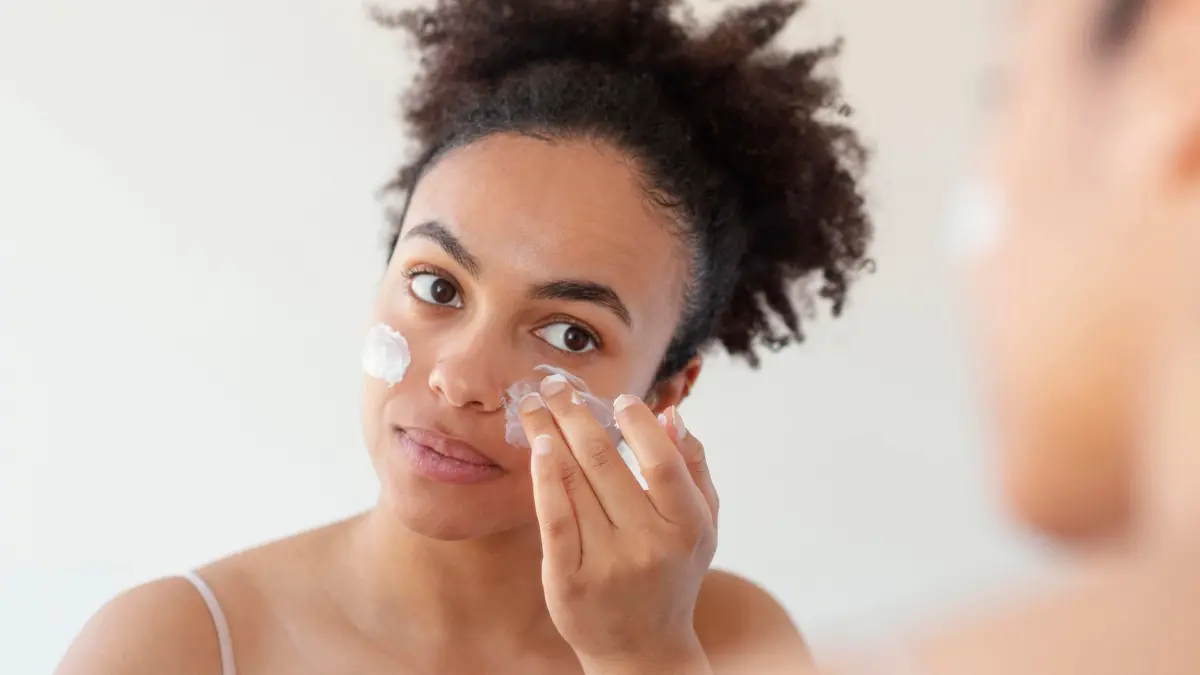
These days, settling on the optimal skincare routine feels more complicated than ever. With so many options crowding the shelves and digital feeds, it can be exceptionally hard to distinguish what you genuinely want from what your skin actually needs. From viral peptides to barrier-repair creams, consumers face a relentless parade of new solutions. Yet, for anyone dealing with stubborn hyperpigmentation, post-acne marks, or uneven skin texture, the number one question on their mind probably remains singular and direct: will azelaic acid actually help?
To understand whether this increasingly popular ingredient lives up to the hype, it helps to start with the foundational basics. Azelaic acid is a naturally occurring dicarboxylic acid that is also produced organically by the yeast naturally living on normal skin. In dermatology and cosmetic chemistry, it is celebrated for its ability to target multiple complex skin issues simultaneously, including post-acne discoloration, uneven skin tone, and stubborn inflammation.
At a cellular level, azelaic acid works primarily by inhibiting tyrosinase, which is a crucial enzyme directly involved in melanin production. By slowing down this enzymatic pathway, the ingredient may help fade dark spots, sun spots, and post-inflammatory hyperpigmentation marks left behind by previous breakouts. Beyond its pigment-inhibiting capabilities, it may also help reduce underlying skin inflammation. Chronic or acute inflammation is frequently what triggers excess melanin production after a skin injury, such as a deep cyst or a picked blemish, while simultaneously calming visible redness and swelling across the face.
But that is not all that this versatile compound can do for troubled complexions. Azelaic acid also helps keep pores from clogging by encouraging normal skin cell turnover, which in turn may reduce the formation of new blemishes that would otherwise leave behind fresh dark marks in the future.
Those are certainly a lot of big claims for a single skincare ingredient in an already crowded market. But can azelaic acid actually help the average person fight stubborn hyperpigmentation in real-world conditions? Looking at the clinical record, a notable 24-week clinical study published back in 1998 found that a 20% azelaic acid cream significantly reduced facial pigment intensity more than the cream base alone when tested on individuals with darker skin tones, who are often more susceptible to stubborn hyperpigmentation and post-inflammatory discoloration.
Later research continued to explore these pigment-correcting properties. A small 2011 study compared the efficacy of a 20% azelaic acid formulation directly against 4% hydroquinone—long considered a gold-standard prescription treatment in dermatology—in a group of 29 women diagnosed with melasma, a notoriously difficult type of hyperpigmentation characterized by patchy brown discoloration on the face. The study suggested that azelaic acid cream applied twice daily may help reduce mild melasma after two months of consistent use. However, the study authors themselves appropriately called for larger, more comprehensive clinical trials to confirm these promising preliminary findings across broader demographics.
Despite these positive findings documented in clinical literature, some important questions and uncertainties remain for everyday consumers. For instance, the clinical studies cited in dermatological literature predominantly used a potent 20% concentration of azelaic acid. Therefore, their specific findings do not tell us exactly what kind of results a user should expect from a milder 10% concentration found in common over-the-counter products available at local pharmacies or beauty retailers. On the other hand, experts note that this does not automatically mean lower strengths are entirely ineffective, nor does it mean that doubling the concentration from 10% to 20% will automatically double your aesthetic results or speed up the healing process.
Furthermore, prescription requirements and product availability vary significantly from country to country around the globe. In the United States, common prescription-strength options include a 20% Azelex cream, which is officially approved by regulatory bodies for the treatment of mild-to-moderate inflammatory acne, as well as a 15% Finacea gel, which is specifically approved to address the inflammatory bumps and pimples associated with mild-to-moderate rosacea rather than just severe or persistent clinical conditions.
When evaluating any new skincare product, dermatologists always advise assessing formulas based on your individual skin type and specific daily needs rather than chasing trends. Like any active treatment, azelaic acid is not without potential side effects. It can occasionally cause stinging, burning, dryness, peeling, redness, or general skin irritation, particularly when first introduced into a routine or when used in higher concentrations.
Significantly, the official prescribing information for the 20% Azelex cream also notes isolated reports of hypopigmentation—which is the abnormal lightening of the skin—though clinical monitoring has not yet established exactly how often this rare side effect occurs. Because of this, prescribing guidelines often advise healthcare providers to carefully monitor individuals with darker complexions for any early signs of unusual color changes and to report any abnormal skin-color shifts to a clinician immediately.
Much like PDRN and other buzzy, trend-driven skincare ingredients that frequently dominate social media feeds, azelaic acid is ultimately not a one-size-fits-all solution for every complexion. Real-world results can depend heavily on how a specific product is formulated, the exact type of discoloration you are attempting to treat, your skin’s overall baseline condition, and your daily sun exposure habits. For example, many individual users and beauty enthusiasts regularly incorporate products like The Ordinary’s Azelaic Acid Suspension 10% cream into their regimens, finding that it helps fade lingering hyperpigmentation on the cheeks and gradually evens out overall skin tone over weeks of consistent application.
To minimize the risk of adverse reactions, skincare professionals always recommend testing new products on a small, discreet area of skin before committing them to your full face. The American Academy of Dermatology specifically recommends patch-testing a new skincare product twice daily for roughly seven to ten days before incorporating it into your regular daily or nightly routine.
Ultimately, no single skincare ingredient works universally for every person. The overarching goal of any thoughtful routine is to find products that genuinely suit your skin’s unique physiology, fit comfortably within your personal budget, and integrate smoothly into your daily life—rather than endlessly chasing a single miracle ingredient that promises to solve every concern overnight.