

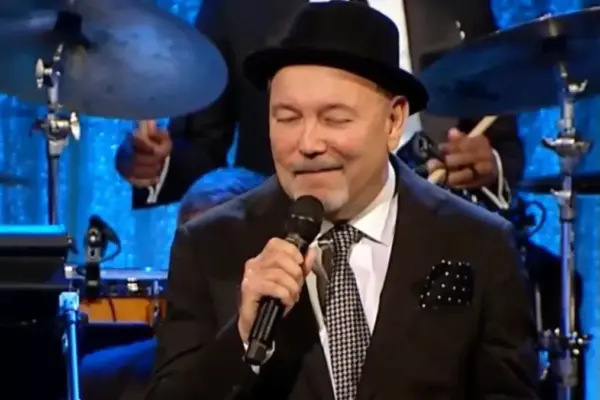


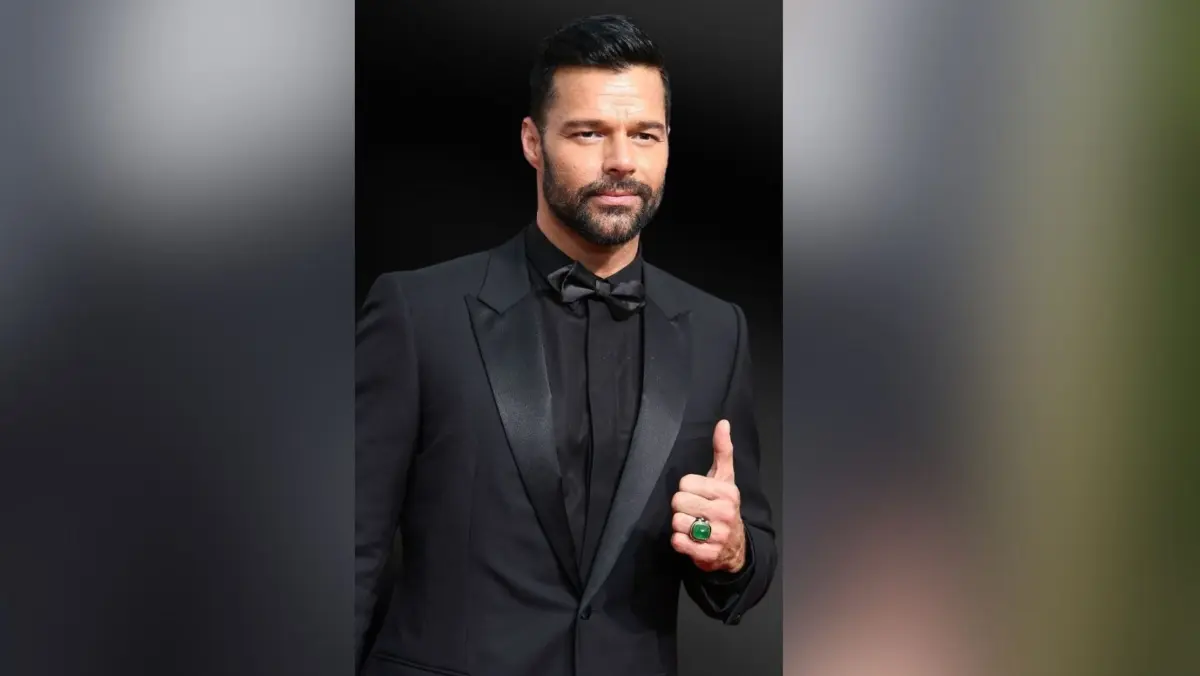
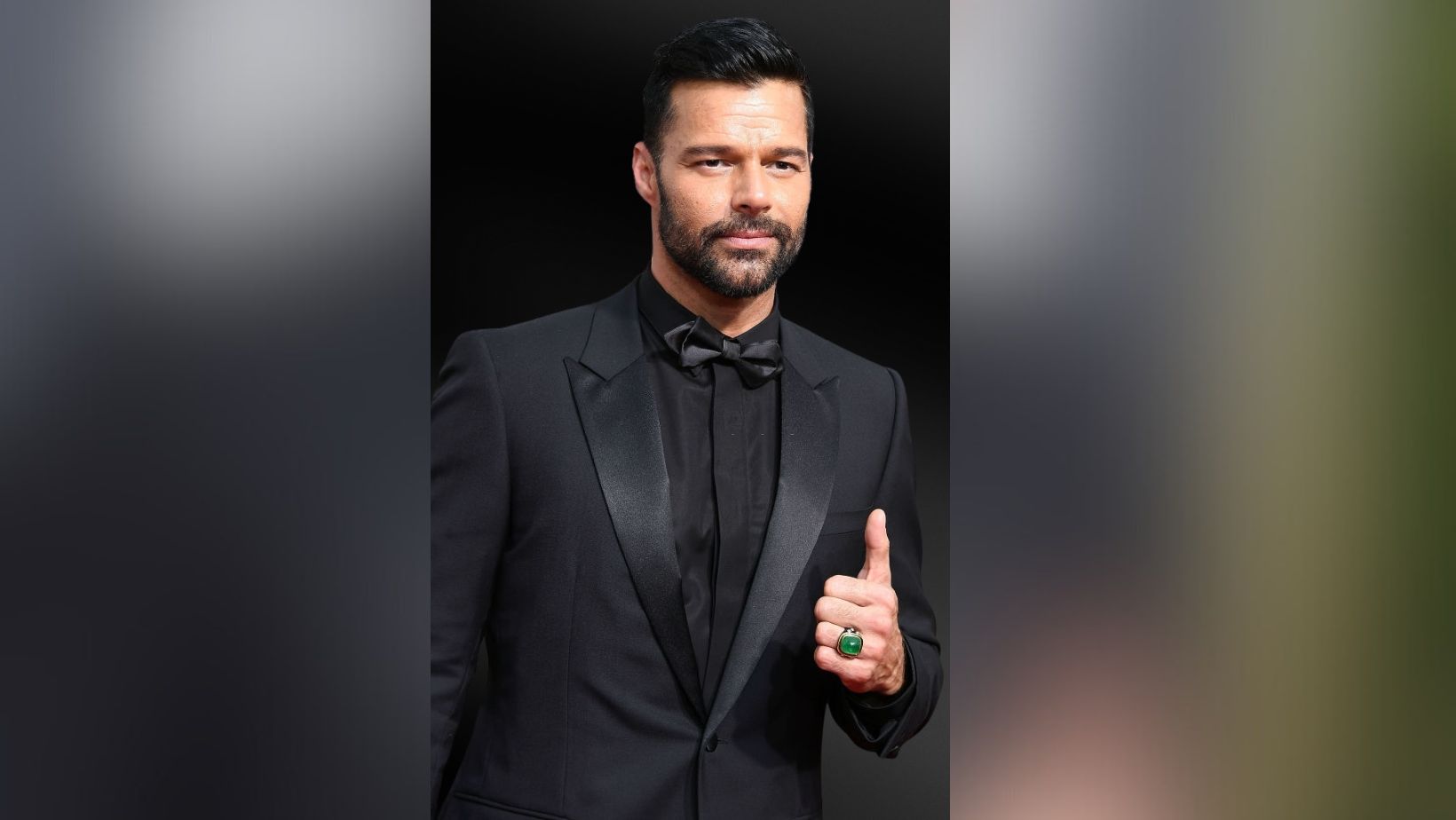
VENICE — Global music icon and acclaimed actor Ricky Martin brought his multifaceted career to the international stage on Tuesday, arriving at the 83rd Venice Film Festival to support Hombre al Agua. The new feature film is directed by acclaimed Mexican actor and filmmaker Gael García Bernal and is screening out of competition at the prestigious Mostra, which runs from September 2 to September 12.
At 54 years old, the Puerto Rican superstar sat down with the Spanish news agency EFE on the occasion of the film’s screening. During the conversation, Martin spoke with the trademark openness that has come to define how he discusses his creative journey. He described storytelling as his ultimate refuge—the sacred space where he feels most truly himself, regardless of whether he is expressing that narrative through music, television, theater, or the silver screen.
Hombre al Agua arrives at the Venice Film Festival amid a heavily buzzed lineup of international cinema. Notably, fellow Spanish-language superstars Penélope Cruz and Javier Bardem are also at the festival competing with their own film, Bunker. Directed by García Bernal, the narrative of Hombre al Agua centers on a Cuban lifeguard whose life is upended after he rescues a wealthy Mexican businessman. Following the rescue, the lifeguard goes to work for the businessman and eventually marries his daughter, only to discover that his seemingly charmed new life is far more complex and deceptive than it initially appears.
García Bernal stars as the lifeguard, while Martin steps into a fascinating supporting role as an actor. In a clever meta-narrative twist, Martin’s character is hired by the protagonist’s wife to portray her husband in a biographical film production that exists as a film within the film. The layered, conceptual nature of the script clearly appealed to Martin’s established appetite for work that allows him to simultaneously play with themes of identity, performance, and perception.
The Role That Only Took One Day to Film
Despite the thematic complexity of Hombre al Agua, Martin’s contribution to the project was remarkably concise. The multi-platinum singer’s scenes were completed in a single day of filming. Martin mentioned this detail with an infectious enthusiasm, noting that the brevity of the shoot did nothing to diminish the richness of the overall experience.
Instead, he described the entire cinematic endeavor as genuinely fun. He was quick to credit García Bernal’s leadership behind the camera for making the fast-paced shoot even more enjoyable. According to Martin, García Bernal possesses a rare directorial gift: the ability to give actors absolute freedom to play, experiment, and contribute their own creative instincts while simultaneously maintaining a firm structural vision that keeps the production moving forward efficiently.
When asked about the initial decision to take on the role, Martin revealed that the answer was never truly in question. He characterized the project as an opportunity he would never have even considered turning down. For an artist who has spent more than three decades navigating the demanding worlds of international music, television, and film across multiple languages and markets, recognizing a project of distinct artistic caliber is second nature. Martin appears to regard the ability to spot such quality—and to say yes to it without hesitation—as both an innate professional skill and a personal responsibility.
Furthermore, Martin noted that the film continues to offer him something fresh and unexpected every time he watches it. This observation suggests that the multi-layered storytelling built into García Bernal’s narrative rewards repeated viewings in a way that simpler, more conventional cinematic productions rarely manage to achieve.
Storytelling as the Thread That Runs Through Everything
To truly understand a career as expansive and varied as Ricky Martin’s, one must examine his core philosophy regarding narrative. His description of storytelling as his personal refuge serves as a vital framework for interpreting a professional journey that has moved with remarkable fluidity across genres, industries, and artistic disciplines.
During his conversation in Venice, Martin emphasized the necessity of vulnerability. He spoke about emotional exposure as the key to convincing an audience of something genuinely lived or witnessed, expressing a profound desire to spark an authentic conversation through that vulnerability rather than simply aiming to entertain the masses.
As the creative force behind global, culture-shaping hits like “María,” “La Copa de la Vida,” and “Livin’ la Vida Loca,” Martin has spent many years proving through his career choices that his artistic ambitions extend far beyond the boundaries of pop stardom. His prominent presence at the Venice Film Festival alongside a respected auteur like Gael García Bernal serves as yet another compelling data point in that ongoing artistic argument.
Martin articulated a continuous hunger to keep seeking out compelling stories, to create them from scratch, and to make the stories of other people his own. He views music, film, theater, and literature not as separate silos, but as equally valid, interconnected containers for that fundamental human impulse. Whether he is publishing books, performing demanding roles on the theatrical stage, or accepting quick film cameos, every creative outlet feeds the exact same inner drive. Martin speaks about this seamless continuity with an easy, settled grace, suggesting that he stopped needing to justify the diverse range of his intellectual and artistic interests a very long time ago.
On Parenthood and Staying Open
One of the most striking and reflective moments of Martin’s conversation with EFE arrived when the conversation shifted away from the red carpet and onto the deeply personal terrain of parenthood. Martin reflected candidly on the profound role his children play in keeping him intellectually, emotionally, and creatively open to the world.
He noted with remarkable self-awareness that the decisions he made ten years ago bear little resemblance to the choices he makes today. He directly attributed a significant portion of that personal and professional evolution to the daily, grounding recalibration that comes with the responsibilities of being a parent. According to the artist, his children regularly present him with fresh perspectives, unexpected questions, and alternative stories that actively challenge his long-held assumptions in ways he could never have anticipated. Rather than viewing these generational clashes with frustration, Martin embraces them as vital catalysts for growth.
Artists, Martin observed, run a constant professional risk of becoming extremely rigid in their habits, tastes, and worldviews. Against that backdrop, making a conscious effort to stay open is both a creative necessity and a personal imperative.
The 83rd Venice Film Festival—which annually showcases some of the most anticipated, challenging, and boundary-pushing films of the global cinematic calendar—provided a fitting backdrop for Martin to articulate that philosophy. His willingness to carve out time to film a supporting role in a Gael García Bernal project simply because the creative invitation felt right is, in many ways, a living expression of the very openness he preaches. As festival attendees and critics alike discuss his artistic priorities on the Lido, it is clear that Martin’s instinctive approach to his life and career continues to serve him well.