


Growing up as a child of immigrants in New Jersey, the cultural fabric of home was woven from a unique blend of American suburban life and vibrant Caribbean traditions. For many first-generation families, this dual identity was not negotiated through grand, deliberate cultural lessons, but rather through the ambient glow of a television set tuned to Spanish-language broadcast networks. Telenovelas, weekend variety shows, and iconic musical performances served as an invisible thread connecting living rooms in the Northeast to the homelands parents had left behind.
When reflecting on childhood in a Dominican household in New Jersey, the most enduring memories are rarely grand milestones. Instead, they are rooted in ordinary, sensory-rich evenings where the television screen cast a steady light from the corner of the room while dinner preparations were underway in the kitchen. The sounds of Spanish spoken through the speakers competed with the familiar clatter of pots and pans, overlapping family conversations, and occasional playful arguments over television privileges. More often than not, the household remote was locked in a familiar tug-of-war between Univision and Telemundo.
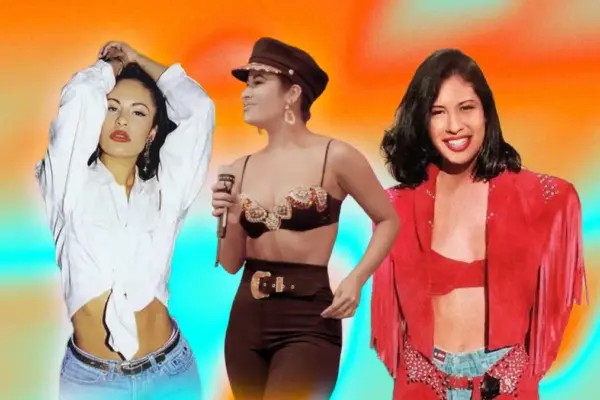
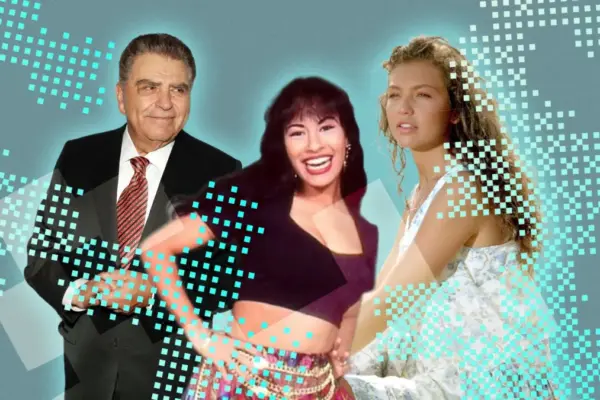
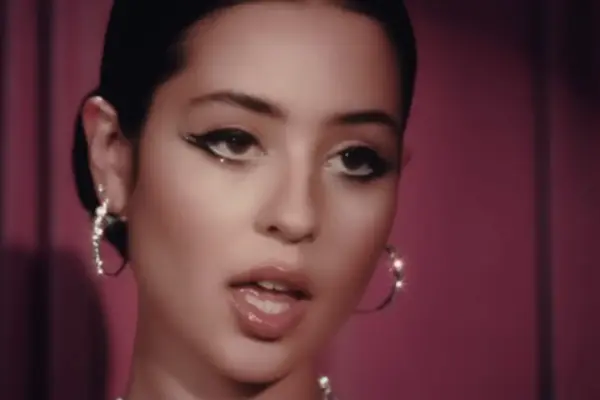
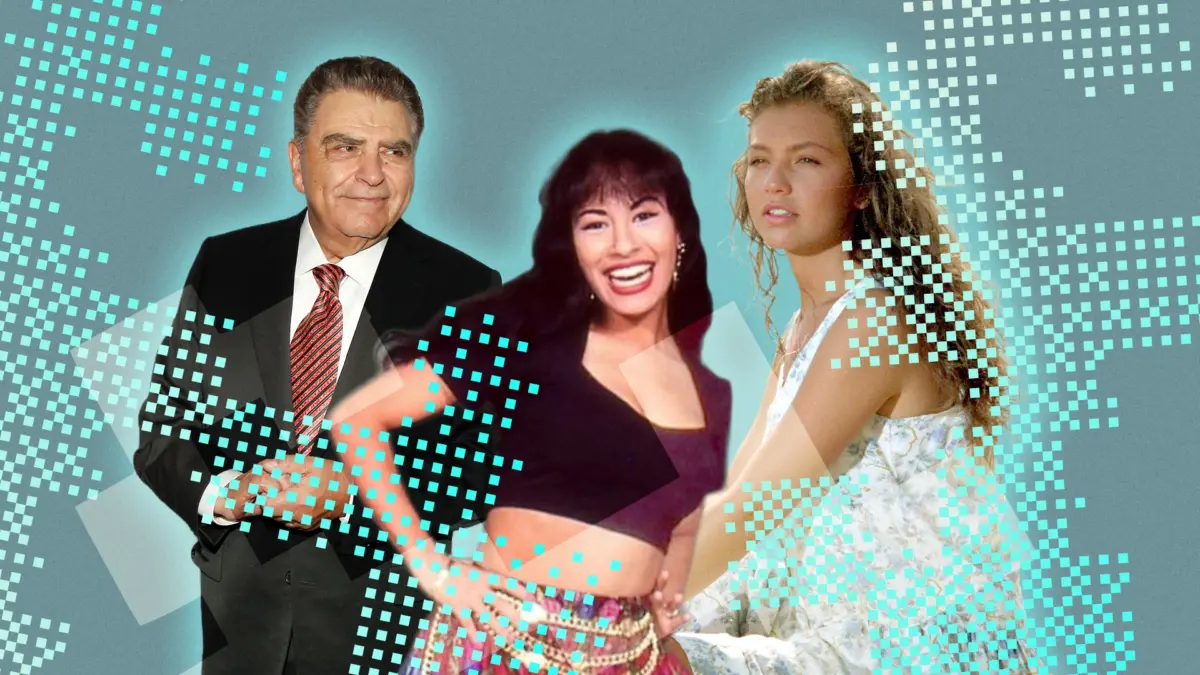
During these evenings, broadcast television offered a gateway to a shared cultural universe. Viewers tuned into Marimar, the classic melodrama starring Thalía and Eduardo Capetillo, alongside weekend fixtures like Sábado Gigante hosted by the legendary Don Francisco, a program families looked forward to all week. Musical icons like Selena captured the public imagination, their interviews and music videos replayed endlessly because audiences never seemed ready to let those fleeting moments of cultural resonance slip away.
There was something profoundly powerful about hearing the Spanish language spoken dynamically within the domestic space. Even when the specific plots of the telenovelas or variety acts did not mirror the exact lived experiences of a Dominican family in New Jersey, the underlying emotional cadence felt instantly familiar. The colloquial expressions, intricate family dynamics, rapid-fire humor, and larger-than-life personalities reflected fragments of a culture that children of immigrants recognized on an instinctive level.
Watching a program like Marimar was never a passive or quiet viewing experience. Mothers might shake their heads in disapproval at a character’s ill-fated decisions, prompting immediate retorts from other family members shouting phrases like, "¡Te dije que eso iba a pasar!" Within moments, the room would fill with overlapping voices, contagious laughter, gentle teasing, and spirited debates over who was right and who was wrong.
This lively atmosphere mirrored the exact energy found at traditional Dominican family gatherings, where adults laughed over shared history, debated family gossip, and weighed in on the events unfolding on the television screen. Someone was always calling out from an adjacent room, yet somehow, everyone remained part of the overarching conversation. Even though the broadcast dramas did not explicitly tell a Dominican story, watching them collectively with family made the living room feel undeniably like home.
Cultural connection does not always rely on direct, literal representation. Sometimes, it is forged through profound recognition. Marimar was a Mexican production, and Selena was a celebrated Mexican-American artist, yet their presence on screen bridged geographical and national divides for Caribbean-American viewers.
At the time, these routine evening rituals were not viewed as intentional acts of cultural preservation. To a kid growing up in New Jersey, it was simply television viewed in the company of loved ones. Decades later, however, those seemingly mundane moments reveal themselves as foundational lessons in identity, heritage, and belonging.
For countless immigrant families navigating the complexities of a new country, broadcast media functioned as much more than mere entertainment. It acted as a vital cultural bridge spanning the distance between the world parents left behind and the one their children were actively growing up in. For a Dominican family trying to put down roots in the United States, these broadcasts helped preserve the Spanish language, traditional music, distinct humor, and an emotional tether to the Caribbean while simultaneously building a future in America.
This phenomenon defined the era of appointment television. Families tuned in simply because a program was scheduled to air at a specific time, and those broadcasts naturally morphed into family discussions because everyone had experienced them together. Children could navigate the English-dominant world of American public schools during the day and return home to a living room enveloped in Spanish by evening. Growing up in New Jersey did not require choosing between being Dominican and being American; through the magic of shared media, young people could seamlessly be both.
Even today, hearing the iconic opening notes of Marimar instantly conjures memories of those evenings spent with family. Yet, the mechanics of how television is consumed have shifted dramatically. Modern audiences no longer wait anxiously for a scheduled broadcast time or gather physically in the living room to negotiate a shared viewing schedule. Contemporary media consumption is largely individualized, characterized by streaming content on personal devices whenever schedules permit. When a modern viewer encounters something humorous or evocative of their roots, the sharing process has likewise evolved, migrating from living room banter to digital clips and memes exchanged in family group chats.
While the fundamental connection to culture remains robust, its physical manifestation has transformed. Decades ago, a telenovela episode, a standout musical performance on Sábado Gigante, or a televised concert automatically generated synchronized family conversations the following day because a critical mass of the community had tuned in. Today, amidst endless choices, algorithmic feeds, and personalized content, audiences scatter across different shows, follow disparate creators, and encounter culture along fragmented pathways. Shared cultural moments have not vanished entirely, but they have undeniably lost their automatic synchronization.
Concurrently, the landscape of representation has undergone a profound revolution. Latino content creators no longer wait passively for traditional studios to grant them representation; they are actively producing and distributing their own stories across digital platforms. A young Dominican child in New Jersey can now open a smartphone and instantly tap into a vast, decentralized community that directly reflects their unique intersectional experiences. This unprecedented creative freedom and accessibility represent a golden age of digital media.
Yet, this progress coexists with a quiet nostalgia for the collective viewing experience of the past. The media ecosystem has expanded exponentially—stretching from traditional telenovelas and variety hours to TikTok, independent podcasts, YouTube channels, and subscription streaming services—yet the core human desire for shared cultural connection remains entirely unchanged. Audiences still seek out content that evokes the warmth of home, and more importantly, they still yearn to share those touchstones with the specific people who defined what home felt like in the first place.
For those who grow up straddling two distinct worlds, cultural heritage is transmitted through far more than formal oral histories or textbook narratives about ancestral homelands. Culture lives and breathes in everyday language, culinary recipes, traditional rhythms, and the unscripted, ordinary moments families share under one roof.
For many, that heritage is permanently preserved in the fading memory of a television glowing brightly in a New Jersey living room, filling the domestic space with the cadence of Spanish dialogue. What once seemed like simple, everyday entertainment is revealed in hindsight as a powerful formative force. Ultimately, the lasting impact stemmed not just from the specific programs on the screen, but from the simple act of watching them together as a family.
Modern audiences possess more technological avenues for cultural connection than ever before, but the ongoing challenge lies in figuring out how to keep those connections shared. Culture has never been merely a product for passive consumption; it is an active, communal experience to be lived, remembered, and deliberately passed on to the next generation.