









By Anna Ortega
September 08, 2026 – 13:18
For generations of viewers, the enduring cultural battle cry of "Anything for Selenas!" has served as more than just a memorable movie quote; it has been a guiding ethos of representation, emotional validation, and community pride. Growing up, defining cinematic works centered on the Chicano and broader Mexican-American experience—such as Selena, Blood In, Blood Out, Real Women Have Curves, and La Bamba—provided audiences with something that mainstream Hollywood rarely offered: a mirror. These films taught viewers to take profound pride in their roots, validate their lived experiences, and feel entirely and authentically seen in a media landscape that frequently marginalized or overlooked their stories.
The impact of these motion pictures extended far beyond simple entertainment or representation on a screen. They reflected the intricate, often delicate tensions that many families and individuals knew intimately from their daily lives. The balancing act between cultural pride and the pressures of assimilation, the friction between traditional expectations and personal independence, and the profound weight of family loyalty combined with the burning desire to achieve something greater were all laid bare. These themes resonated deeply across generations, capturing the complex reality of navigating a bicultural existence in the United States.
Among the foundational works of this movement, Blood In, Blood Out carved out a gritty, uncompromising space in Chicano cinema. Directed by Taylor Hackford, the epic crime drama follows three Chicano relatives—Paco, Cruz, and Miklo—as they navigate the turbulent landscapes of drugs, gang life, and institutional violence. Spanning decades, the narrative exposes the systemic challenges and harsh realities faced by young men in East Los Angeles. Rather than offering a sanitized version of urban life, the film delves into the complexities of brotherhood, cultural identity, and the heavy price of survival within a fractured society, leaving an indelible mark on cinematic depictions of the Chicano experience.
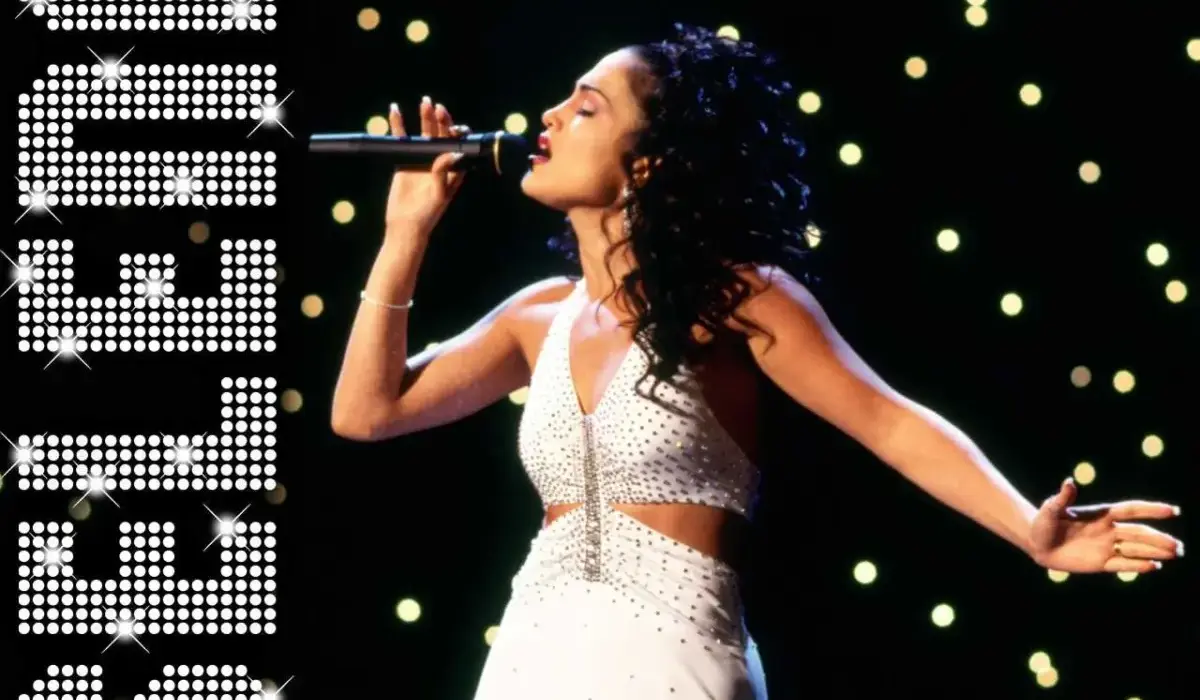
In a vastly different register, the biographical musical drama Selena, directed by Gregory Nava, captured the vibrant spirit, immense talent, and tragic brevity of Selena Quintanilla-Perez, the late Queen of Tejano music. Immortalized by Jennifer Lopez in a career-defining breakout role, the film chronicled Selena’s meteoric rise to stardom, her tight-knit family’s unwavering support, and her deep connection to her cultural heritage. For countless young viewers, Selena served as a masterclass in embracing bicultural roots with grace, passion, and pride, proving that language barriers and cultural gatekeepers could be conquered through authenticity and perseverance while never giving up on one’s dreams.

Another cornerstone of this cinematic canon is Mi Familia (also known as My Family), which weaves a sprawling, multigenerational narrative centered on a Mexican-American family living in East Los Angeles. Spanning several decades, the film captures the profound resilience of Latine communities through the triumphs, heartbreaks, and everyday struggles of the Sánchez family. From the patriarch’s arduous journey across the border to the varied paths chosen by his children and grandchildren, the movie illustrates how history, memory, and love bind a family together through changing times and social upheaval.
The cinematic landscape of the era also championed the specific, intersectional realities of Latina womanhood, most notably through the critically acclaimed adaptation of Real Women Have Curves. Starring a young America Ferrera in a powerhouse performance, the film celebrates the multifaceted Latina experience while unflinchingly highlighting the personal and familial struggles associated with body image, cultural expectations, class boundaries, and the pursuit of higher education. Set against the backdrop of a garment factory in East Los Angeles, the movie challenged narrow Hollywood beauty standards and offered a refreshing, nuanced portrayal of a young woman fiercely determined to carve out her own destiny without abandoning her community.
No discussion of this cultural legacy would be complete without remembering La Bamba, the poignant biographical film that chronicles the meteoric and tragically short life of Chicano rock-and-roll legend Ritchie Valens. Directed by Luis Valdez, the movie captured the joy of Valens’s sudden rise to national prominence with hits like the title track, while also confronting the painful realities of discrimination, family sacrifice, and sudden loss. Decades after its release, the film remains famous for its emotionally devastating climax, continuing to move audiences to tears with its iconic, heartbreaking depiction of grief and the enduring power of music to transcend tragedy.
The enduring resonance of these films lies in their ability to present characters who carried their families, their cultural contradictions, and their rich heritages wherever they went. These stories made audiences laugh, cry, quote entire scenes line by line, and recognize vital parts of themselves that mainstream American cinema had historically ignored or stereotyped. They established a cinematic vocabulary that honored the nuances of bicultural life, bridging generational divides within families and fostering a collective sense of identity that transcended regional boundaries.
Decades after their initial theatrical releases, audiences continue to return to these timeless stories. This sustained engagement is driven by more than just a sense of nostalgic comfort; it stems from the fundamental truth that being seen and represented on screen never stops mattering. As new generations discover these films alongside those who watched them in theaters upon their debut, the cultural footprint of Selena, Blood In, Blood Out, Mi Familia, Real Women Have Curves, and La Bamba continues to expand, cementing their status as essential pillars of American cinema and enduring testaments to the power of authentic storytelling.