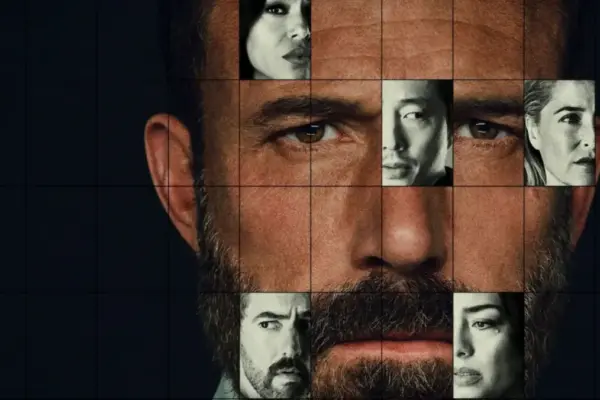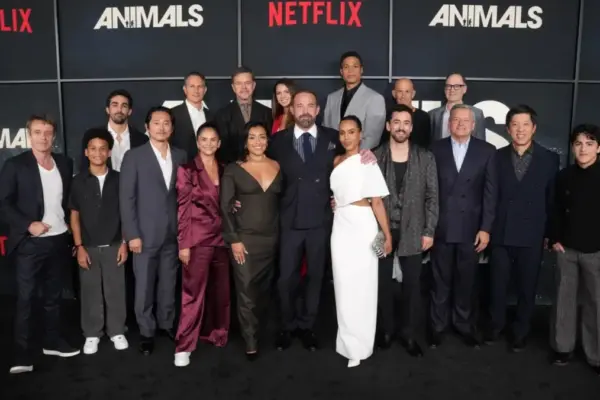





Ben Affleck recently sat down with acclaimed journalist Jorge Ramos for a deeply reflective conversation regarding his latest directorial project, the Netflix film "Animals." During the interview, Affleck made it unequivocally clear that this cinematic endeavor was never intended to be a detached or purely commercial exercise. Instead, the director approached the project with a profound personal and social conviction, asserting that the United States is fundamentally a nation of immigrants, that his own family history is rooted in immigration, and that the emotional core of the film—embodied by the Mexican characters Luis and Adriana—mirrors the broader, ongoing story of the United States. This perspective was not merely adopted as a promotional angle or a marketing strategy; rather, it served as the driving philosophy behind every single creative choice Affleck made while co-writing and directing the feature.
The depth of this commitment became evident as Affleck discussed the inherent professional and personal risks he knew he was taking by bringing such a story to the screen during a period of heightened social and political tension surrounding immigration in the United States. Acknowledging that fear within immigrant communities has increased significantly in recent years, Affleck revealed that this volatile socio-political climate directly intersected with the physical production of "Animals" in ways he could never have anticipated when the film was first conceived. Shot on location in Los Angeles, the production faced moments of profound disruption when crew members and filmmakers had to suspend operations entirely because U.S. Immigration and Customs Enforcement (ICE) enforcement actions were actively taking place in the immediate neighborhoods where they were scheduled to shoot.
Describing the surreal and unsettling experience of watching the dramatic situations depicted in his screenplay play out in real life right outside the production’s perimeter, Affleck noted how fiction and reality collided on the very same streets at the exact same time. This jarring convergence provided a powerful, sobering backdrop to the entire filmmaking process, sharpening the director’s focus and reinforcing the urgent necessity of the story he was attempting to tell.
He Knew Making This Film Was a Risk and He Made It Anyway
Affleck was refreshingly direct when discussing the calculated risks associated with anchoring a major film project on the dignity, humanity, and daily struggles of immigrant characters in the current American sociopolitical landscape. He explained to Ramos that choosing to spotlight these narratives was a deliberate decision, driven by the belief that the subject matter was simply too important to ignore. His explicit intention was to portray immigrants not as marginalized supporting players or background elements in someone else’s narrative, but as fully realized human beings who serve as the rightful protagonists of their own lives and stories. Given the high-stakes cultural environment surrounding immigration policy, Affleck recognized that taking such a stance could court controversy or alienate certain segments of the audience, yet he chose to move forward because he felt an undeniable responsibility to use his substantial creative platform meaningfully.
Furthermore, Affleck addressed a persistent, long-standing bias that frequently influences decision-making within the traditional Hollywood film industry: the pervasive assumption that English-speaking audiences harbor a deep-seated resistance to subtitles. For decades, studio executives and commercial analysts have operated under the widespread belief that mainstream viewers in the United States overwhelmingly prefer English-language dialogue and will quickly disengage from foreign-language or bilingual productions that require reading subtitles. Affleck actively pushed back against this commercial orthodoxy by forging ahead with his creative vision anyway. He maintained that the urgent social relevance of the narrative, combined with the absolute necessity of representing the immigrant experience with unwavering honesty and dignity, far outweighed any traditional commercial calculations or generalized industry assumptions regarding audience preferences.
ICE Was Operating on His Filming Locations and the Script Was Playing Out in Real Life
The extensive interview between Affleck and Ramos unfolded against a broader national backdrop defined by intense polarization over U.S. immigration policy, enforcement strategies, and the pervasive fear generated by ICE operations within Hispanic and immigrant neighborhoods across the country. "Animals" enters this turbulent cultural conversation at a precise historical moment when the boundary dividing cinematic fiction from harsh everyday reality has grown remarkably thin. Affleck reflected candidly on the specific days during the Los Angeles shoot when production had to be abruptly paused due to active ICE operations occurring mere blocks away from the set. Rather than viewing these sudden interruptions as mere logistical inconveniences or disruptions to the shooting schedule, Affleck interpreted them as profound, reality-check moments that deepened his comprehension of the project’s gravity and reinforced its ultimate purpose.
Witnessing firsthand the exact kinds of tensions, anxieties, and enforcement actions written into his script manifest in the surrounding neighborhoods gave the film an authentic, lived-in weight that no amount of pre-production research or academic preparation could ever manufacture. This extraordinary collision between art and reality clearly informed the immense reverence and seriousness with which Affleck approached the immigrant characters within the script. It was precisely this commitment to authentic representation that inspired Affleck to take the unprecedented step of handing the pen directly to his Mexican lead actors, Adriana Paz and Luis Gerardo Méndez, allowing them to write their own dialogue to ensure that every conversation felt genuinely rooted in the lived experiences of the characters they were portraying, rather than relying solely on pre-written Hollywood conventions.
He Said This Is a Country of Immigrants and His Family Proves It
For Affleck, the decision to explore these themes is deeply personal rather than merely topical. He articulated to Ramos that his own family background and heritage are intrinsically tied to the immigrant experience, reinforcing his belief that the struggles and aspirations of characters like Luis and Adriana form an inseparable part of the broader American historical tapestry. The United States, in Affleck’s view, has always derived its identity, resilience, and cultural richness from successive waves of people who arrived from foreign shores to build new lives, establish communities, and contribute to the nation’s growth.
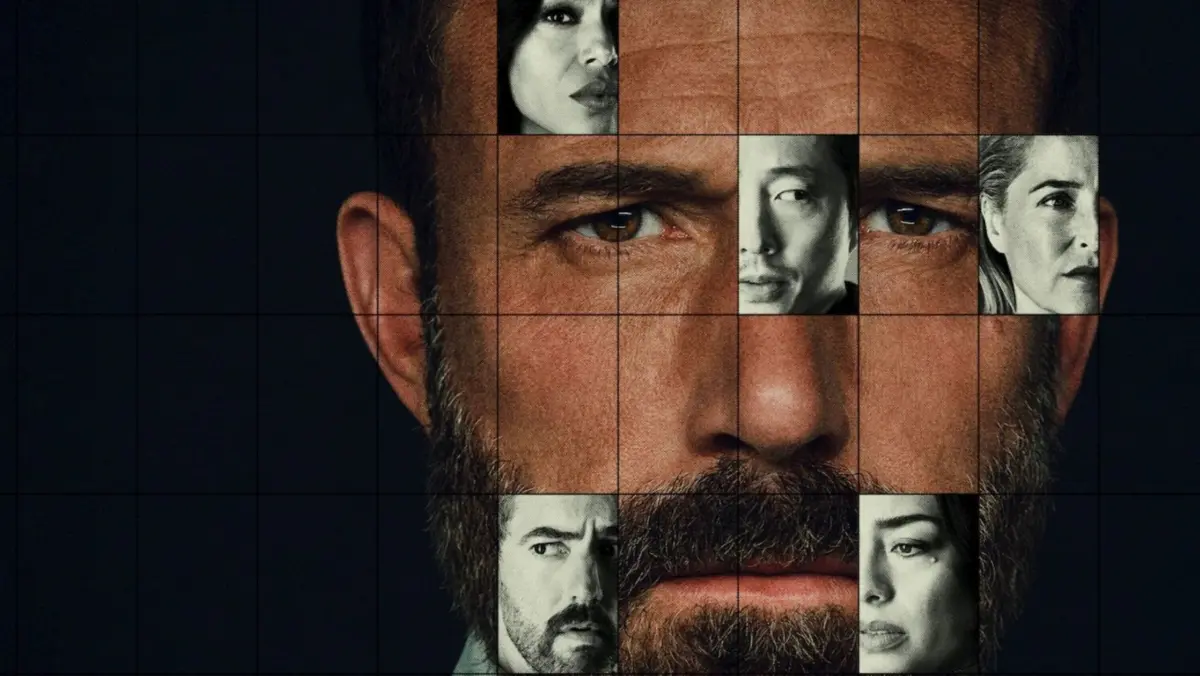
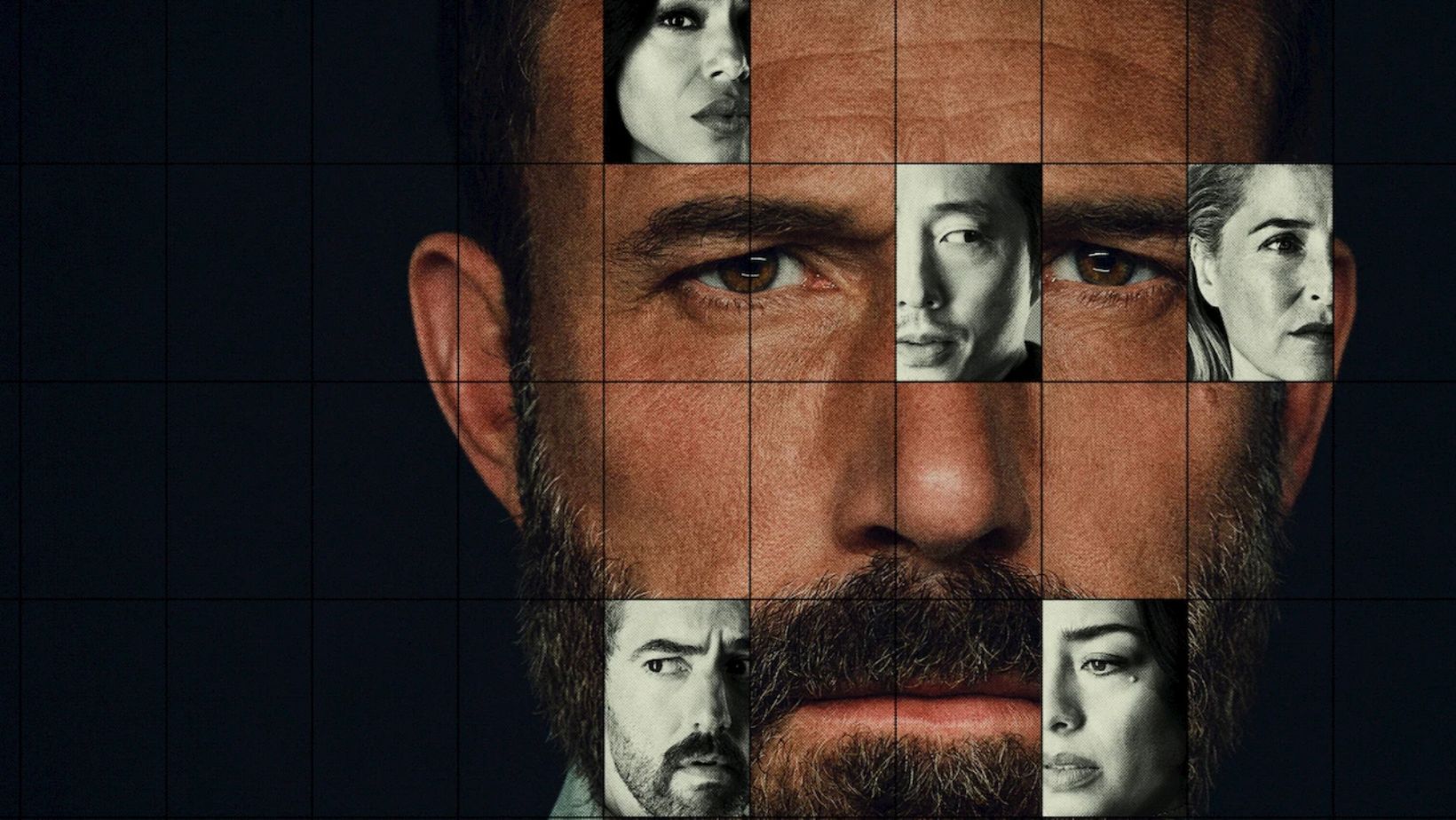
This deeply held personal conviction aligns seamlessly with a broader professional vision. Affleck directed and co-wrote "Animals" with a talented, diverse ensemble cast that features prominent actors such as Kerry Washington, Gillian Anderson, Steven Yeun, and Ray Fisher, alongside its acclaimed Mexican leads. The film was produced in association with Artists Equity, the independent production studio Affleck co-founded alongside longtime collaborator Matt Damon, reflecting a joint commitment to backing stories that challenge mainstream conventions and spark meaningful dialogue. Affleck entered the production fully aware that the film would debut within a charged sociopolitical climate where immigration remains a deeply personal and contentious issue for millions of viewers across the nation. "Animals" is currently streaming on Netflix, inviting audiences worldwide to engage with its timely narrative and the urgent human questions at its core.