





A federal judge in Argentina has ruled that the administration’s refusal to comply with a 2025 statute mandating increased funding for public universities is unconstitutional, ordering authorities to immediately implement the legislation. The decision marks a major escalation in the ongoing legal and political battle over higher education spending under President Javier Milei.
According to local media reports, the federal government intends to appeal the decision. Meanwhile, the Human Capital Ministry did not respond to multiple requests for comment from the press regarding the ruling or its enforcement timeline.
The judicial decision represents the latest development in a prolonged legal standoff. Over the past year, various judges have ordered the executive branch to release the funds stipulated by the law. However, national authorities have consistently refused to disburse the money, arguing that the legislation failed to specify the precise economic sources or budgetary allocations required to cover the increased expenses.
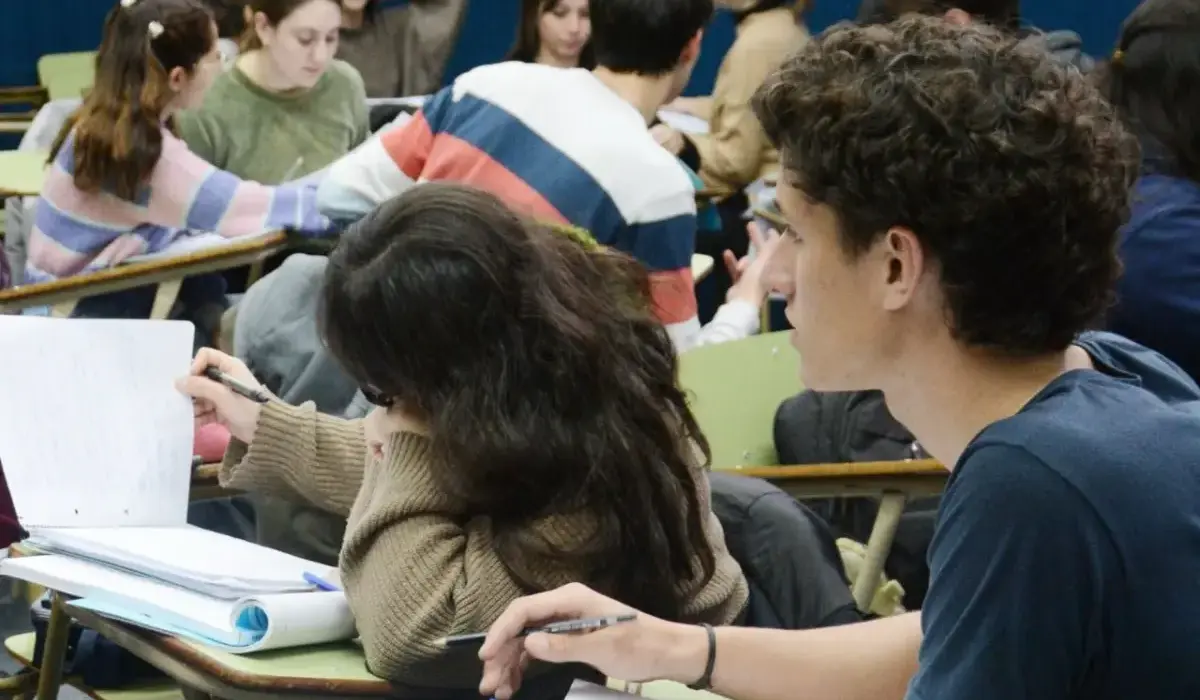
The country’s educational community has responded to the impasse with a combination of legal actions and widespread public demonstrations. Students, professors, and university administrators have spent months demanding full implementation of the funding law. As tensions continue to mount, organizers have scheduled yet another massive nationwide march to defend public higher education, set to take place on October 15.
Since President Javier Milei assumed office in December 2023, public universities across Argentina have experienced sharp reductions in financial support as part of the administration’s broader, aggressive fiscal consolidation and spending-cut policies. According to data compiled by the Institute for Research in Economics at the University of Buenos Aires (IIEP-UBA), regular financial transfers to national universities currently hover approximately 40% below their 2023 levels when adjusted for inflation and operational needs.
These sweeping fiscal adjustments have also severely impacted academic and administrative personnel. University salaries have suffered steep declines, losing roughly 34% of their overall purchasing power under the current administration, leaving educators and staff struggling to keep pace with economic inflation.
The Ruling
On Tuesday, Judge Martín Cormick issued a comprehensive ruling challenging the executive decree that the government had published specifically to halt the implementation of the university funding law.
The contested decree, made public in October 2025, attempted to justify halting the legislation—which had been originally approved by Congress in August of that same year—on the grounds that the official source of funding remained legally unclear and economically unfeasible for the current fiscal year.
Prior to issuing the decree, the executive branch had attempted to veto the funding bill entirely, but that presidential veto was decisively overturned by lawmakers in Congress.
In his written decision, Judge Cormick stated that the government’s reasoning for bypassing the law was entirely unreasonable. He characterized the administration’s maneuvering as a prohibited form of veto that is not authorized or included in the National Constitution.
Consequently, the judge concluded that the government’s decree had operated as an extra-constitutional tool designed to block a normative act duly approved by the legislative branch.
Judge Cormick formally ordered national authorities to immediately comply with the University Funding Law by enacting the necessary regulatory frameworks and administrative implementing rules to ensure the funds are properly allocated and disbursed.
The judicial ruling was issued in response to a formal judicial protection request filed collectively by the National Inter-University Council and various public universities, alongside a parallel lawsuit brought forward by the University of Buenos Aires (UBA).
Protests
The federal court’s decision arrives as friction between the academic sector and the federal government intensifies once again. Professors, researchers, and university staff have organized rolling strikes and localized work stoppages over recent weeks. The upcoming October 15 protest in Buenos Aires and cities across the country will mark the fifth major national march held to defend public universities and demand adequate operational conditions since April 2024.
In addition to the broader funding dispute, Wednesday morning marked a critical legal deadline for the government to comply with a separate judicial ruling previously issued by Judge Cormick. That specific injunction established that authorities were legally bound to fulfill a portion of the university funding norm dedicated directly to raising employee salaries.
Against this backdrop of legal pressure and labor unrest, university authorities affiliated with the National Inter-University Commission scheduled their monthly meeting for Wednesday afternoon directly in the Plaza de Mayo, immediately outside the presidential palace, the Casa Rosada, to visually and symbolically demand the full enforcement of the law.
Tuesday also marked a culturally significant moment for Argentina’s higher education system and the University of Buenos Aires in particular. Amidst the ongoing political crisis, the UBA formally bestowed an honorary doctorate upon iconic football star Lionel Messi, an event that coincided with his final appearance as a member of the Argentine men’s national football team.