









Over the past decade, a troubling social trend appears to have steadily increased across Mexico and the broader Latin American region: the rise of the entitled foreign tourist. From demanding that local residents communicate exclusively in English to blatantly disrespecting deeply rooted cultural traditions and community norms, a segment of visitors—particularly from the United States—has grown increasingly comfortable displaying overt xenophobia while vacationing abroad. This ongoing cultural friction has now found its way back into the international spotlight, as a new incident involving an American tourist in Mexico City goes viral on TikTok, dramatically reigniting fierce local conversations about rapid gentrification, economic disparity, and urban displacement in the country’s capital.
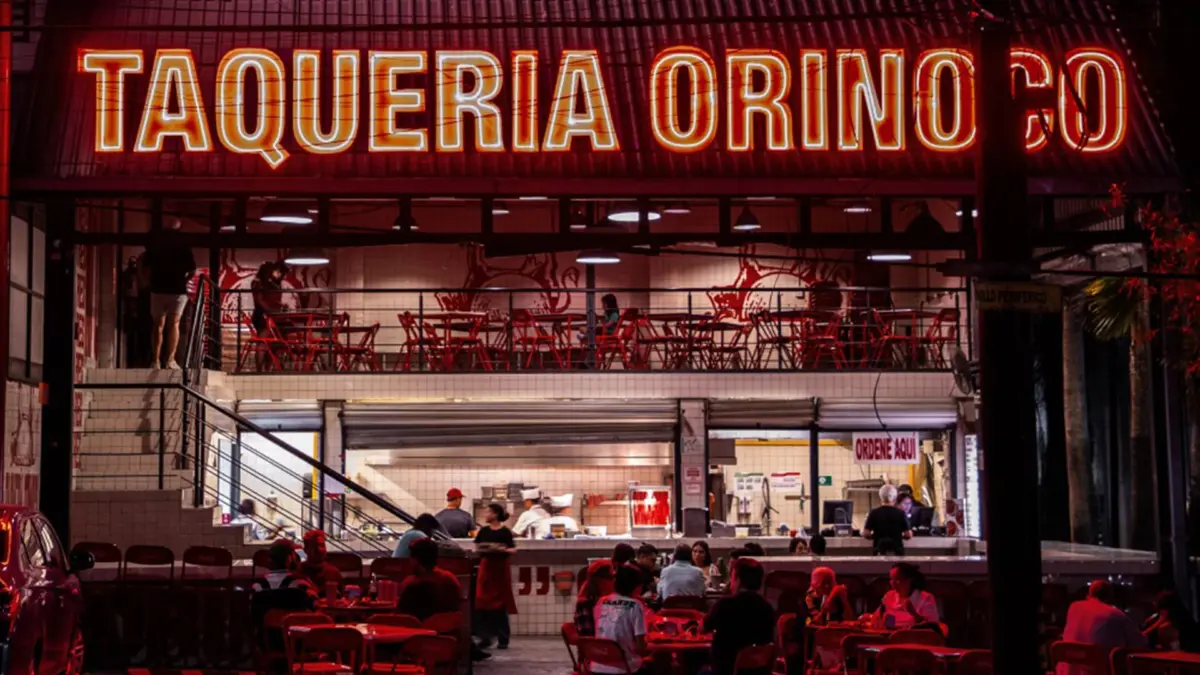
The latest controversy unfolded earlier this week, when a local Mexican resident named Martin Navarro took to TikTok to publish two detailed videos describing a deeply disturbing altercation with an American tourist at Taqueria Orinoco, a popular and bustling eatery in Mexico City. According to Navarro’s firsthand account shared on the social media platform, the woman, who appeared to be visibly intoxicated, first approached the restaurant staff and demanded that they call a taxi for her. When the staff politely refused or were unable to fulfill her sudden demand, the situation quickly escalated. The tourist allegedly became aggressive and physical, reportedly striking a waitress who was simply trying to do her job.
Witnessing the unprovoked hostility directed at the service worker, Navarro says he chose to intervene in an attempt to protect the staff and de-escalate the chaotic scene. Instead of calming down, the woman allegedly turned her aggression toward him, picking up his order and hurling his tacos directly at him. Beyond the physical assault and property disruption, Navarro recounted that the tourist subjected the restaurant staff to a barrage of condescending and xenophobic remarks, repeatedly demanding to know how much they were paid and weaponizing the local wage gap to belittle the workers.
Despite the severity of the confrontation, Navarro stated publicly that he ultimately chose not to press formal criminal charges against the tourist, explaining that navigating the legal and administrative process would be far too burdensome for him to undertake. Nevertheless, the digital footprint of the event was already cemented. The widely circulated videos immediately struck a nerve online, rapidly accumulating views, shares, and hundreds of passionate comments that breathed new life into ongoing debates regarding the behavior of foreign visitors and the broader socio-economic pressures of gentrification currently transforming Mexico City.
The fallout on social media reflected deep-seated frustrations shared by many local residents who feel increasingly marginalized in their own neighborhoods. One TikTok user weighed in on the pervasive nature of such encounters, writing, "All the videos I’ve seen of Americans in Mexico City show them being disrespectful to locals." The sentiment captured a growing exhaustion with a specific brand of tourism that appears oblivious—or indifferent—to the cultural and economic realities of the host country.
Another user pointed directly to the glaring hypocrisy often underlying these interactions, commenting, "They ask how much we make here, but they’re the first ones to come to Mexico because life is less expensive and they feel like kings." This critique cuts to the heart of why incidents involving wealthy foreign visitors inquiring condescendingly about local salaries generate such explosive reactions. For years, the influx of expatriates and long-term tourists seeking a lower cost of living has driven up housing prices, altered neighborhood identities, and squeezed out working-class families, creating a tinderbox of local resentment.
In response to these mounting pressures, Mexico City has witnessed several notable protests against gentrification in recent years. These demonstrations have been fueled not just by the skyrocketing cost of living and inflation, but also by recurring flashpoints of cultural disrespect and the physical displacement of longtime local residents. The cumulative impact of these systemic changes has led some community members and activists to call upon city authorities to implement stricter regulations, impose tourist caps, or take decisive legal and administrative action against entitled visitors who flout local laws and social norms.
While community leaders and residents continue to advocate for constructive policy solutions in the hope that conditions will improve, the broader phenomenon of disrespectful tourist behavior remains a persistent and growing challenge across various destinations in Latin America. As digital platforms continue to democratize documentation, individual acts of arrogance are increasingly transforming into catalysts for international discussions on equity, tourism, and respect across borders.