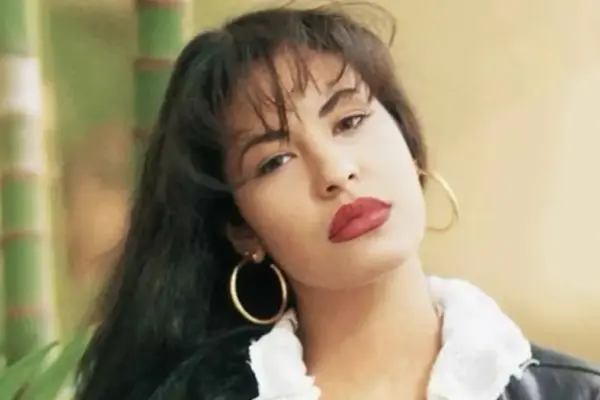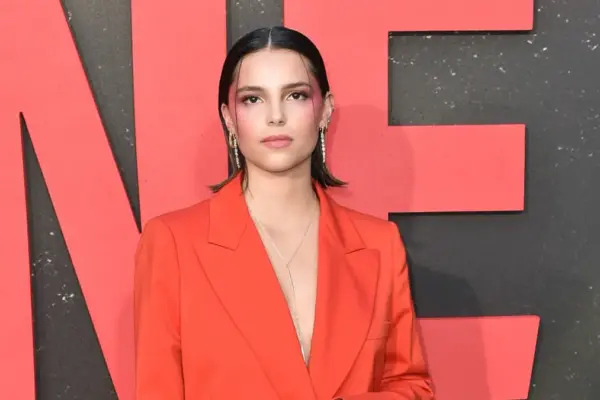





Long before TikTok algorithms began pushing "brownie glazed lips" or declaring deep brown lip liner paired with a lighter center and high-shine gloss as the latest must-try aesthetic, the look had already lived a long, vibrant history. For decades, the striking combination was a foundational element of Black beauty culture, West Coast Chicana and pachuca chola traditions, and East Coast Latina style. While social media platforms and mainstream beauty spaces frequently package this aesthetic as a fresh innovation discovered by Gen Z influencers and popularized by white celebrities like Hailey Bieber, beauty historians and makeup artists emphasize that the trend is anything but new. Instead, its recent resurgence highlights a recurring cycle within the beauty industry: an aesthetic created out of necessity by women of color is routinely dismissed when they wear it, only to be rebranded as chic, effortless, and revolutionary once adopted by white models and mainstream figures.
The roots of the brown lip liner aesthetic are deeply intertwined with the historical lack of inclusivity in the commercial beauty market. For generations, mass-market cosmetic brands largely ignored the needs of darker-complexioned consumers, offering an extremely limited range of nude and neutral shades that left women of color with few viable options. Global beauty expert Stephanie Flor recalls navigating these limitations during her youth in high school, long before professional inclusivity became a standard industry talking point. Unable to find commercial nude lipsticks that matched their complexions without washing them out, many consumers had to improvise. Flor notes that she and countless others became their own formulators, color mixers, and makeup artists out of sheer necessity. She recalls using brown eye pencils as substitutes for lip liners to create the necessary dimension and structure so her lips would not look washed out or ghost-like against her skin tone.
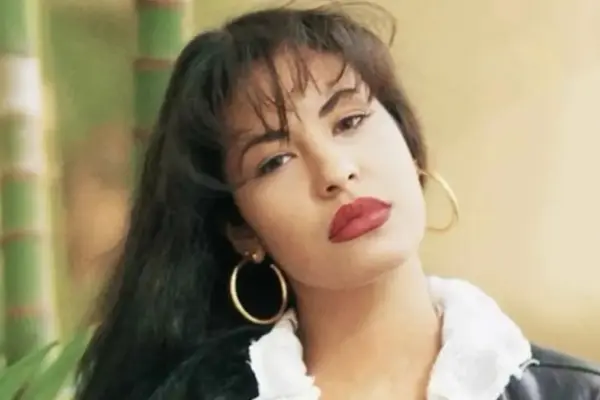
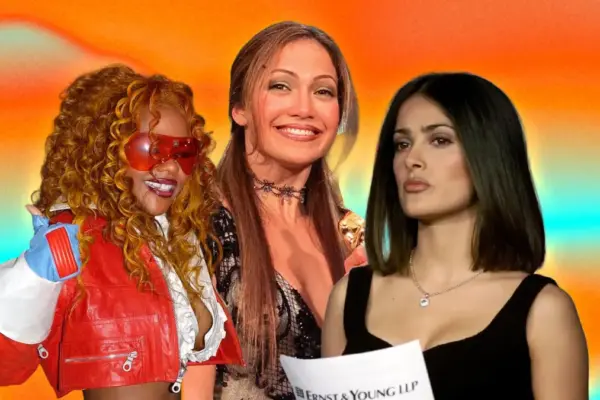
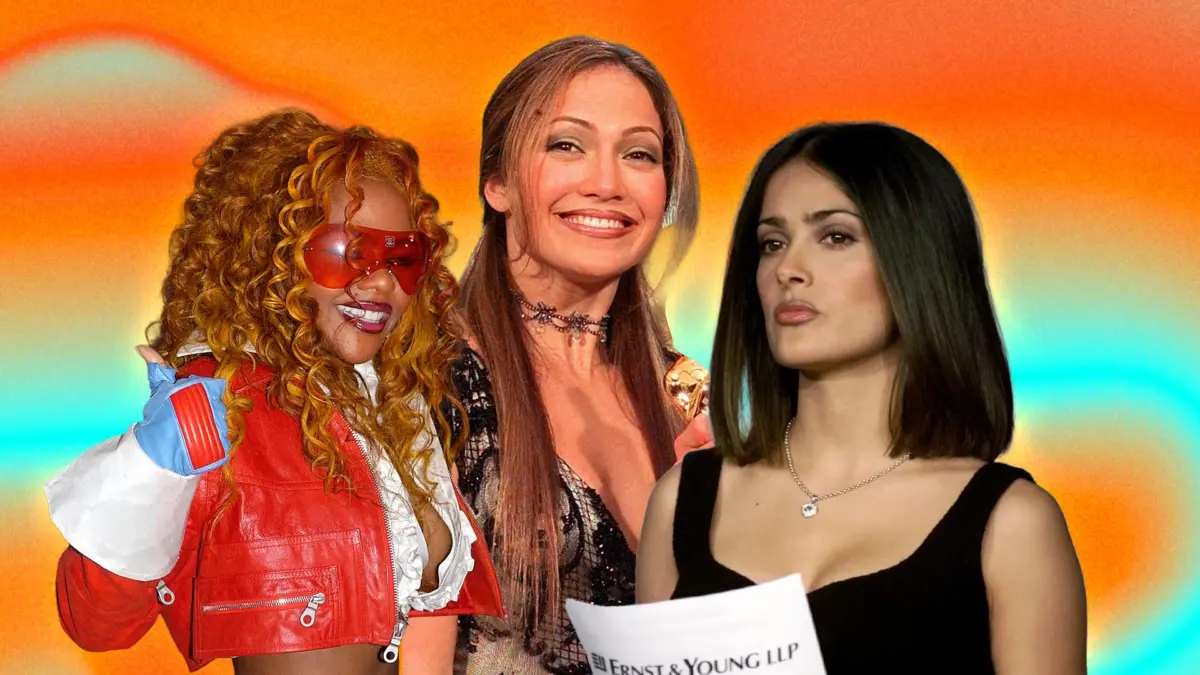
This ingenuity eventually evolved into a definitive artistic signature. As Flor transitioned into her career as a professional makeup artist, she drew heavy inspiration from the Black and Latina celebrities who proudly wore the look during the 1980s, 1990s, and 2000s. Icons such as Missy Elliott, Lil’ Kim, Naomi Campbell, Mary J. Blige, and Jennifer Lopez frequently walked red carpets, starred in music videos, and appeared in magazines wearing dark brown liner meticulously paired with lighter nude centers and clear gloss. Legendary makeup artists like Kevyn Aucoin also mastered these techniques, utilizing liners to dramatically reshape lip structures and accentuate facial features in ways that honored diverse beauty. Flor stresses that the look has never belonged to TikTok or modern internet culture; it belongs to the urban communities of color and Chicana communities that built, sustained, and evolved it over decades.
Yet, the social reception of the aesthetic has historically depended entirely on who is wearing it. For years, when Black and Latina women wore dark brown lip liner, the look was frequently subjected to harsh scrutiny, coded language, and derogatory labels. Mainstream society often dismissed it as "ghetto," overly dramatic, or unpolished. However, a stark double standard emerges when white celebrities and high-fashion models adopt the exact same makeup techniques. Suddenly, the heavy liner and glossy center are reframed as sophisticated, nostalgic, minimalist, or high-fashion editorial. This disconnect represents the core of the cultural frustration surrounding modern beauty trends. The issue is not that the brown lip liner itself is sacred or forbidden to outsiders, but rather that the communities of color who innovated it are erased from the narrative, receiving neither credit nor the societal praise afforded to white trendsetters.
Flor points out that true appreciation for a cultural aesthetic requires acknowledging its origins rather than stripping away its history. Beauty has always traveled through cultural exchange, and individuals from all backgrounds should feel free to experiment with techniques they love. However, when a look born from the resilience and creativity of marginalized communities is repackaged under a new name and presented as a spontaneous internet discovery, it crosses the line from appreciation into cultural erasure. Flor emphasizes that individuals do not need to belong to a specific culture to enjoy a makeup technique, but they do have a responsibility to recognize the people and communities who established the beauty language being enjoyed today. When brands celebrate these techniques while actively acknowledging their history and creating products designed for the diverse consumers who wore them first, the industry moves forward. Conversely, stripping away the context leaves a legacy of double standards unaddressed.
This pattern extends far beyond lip liner. Similar dynamics have played out across the beauty and fashion landscapes with trends like long acrylic nails, brown lipstick, styled baby hairs, braids, and cornrows. Furthermore, natural physical features historically associated with Black and Latina bodies—such as fuller lips and larger curves—were routinely mocked or marginalized as "too much" when displayed by women of color. Yet, those exact features later helped fuel massive mainstream trends like Brazilian Butt Lifts and cosmetic lip fillers when popularized on thin, white bodies that aligned more closely with Eurocentric beauty standards. The contrast highlights a persistent societal bias where identical attributes are labeled undesirable on women of color while being celebrated as chic and innovative on mainstream influencers.
Despite these frustrations, industry experts agree that a new generation discovering classic techniques is inherently positive, provided the historical context remains intact. Flor encourages beauty enthusiasts to learn where these looks originated, understand the rich distinctions between Black, Afro-Latina, Chicana, and other unique traditions rather than lumping them into a single monolithic category, and then adapt the techniques to fit their personal styles. Understanding the history adds depth and power to the art of makeup, ensuring that the culture stays alive and evolves without forgetting its foundational architects. As beauty trends continue to shift with every new social media algorithm, the women who shaped these timeless looks deserve to remain at the center of the story through proper recognition, respect, and credit.