






Growing up in the suburban neighborhoods of New Jersey, the cultural landscape of home was constructed not just from the tangible memories of the Dominican Republic, but from the ambient glow of a television set cornered in the living room. For many children of immigrants raised in the United States, broadcast media served as an invisible thread connecting them to a homeland they may have only visited in flashes during summer vacations. Long before the era of targeted streaming algorithms and personalized content feeds, the television was a communal hearth. Spanish-language networks like Univision and Telemundo dominated the airwaves, providing an everyday soundtrack of dramatic dialogue, variety show performances, and lively commercial breaks that competed with the rhythmic clatter of pots and pans, family conversations, and the occasional spirited household debate over who held the remote control.
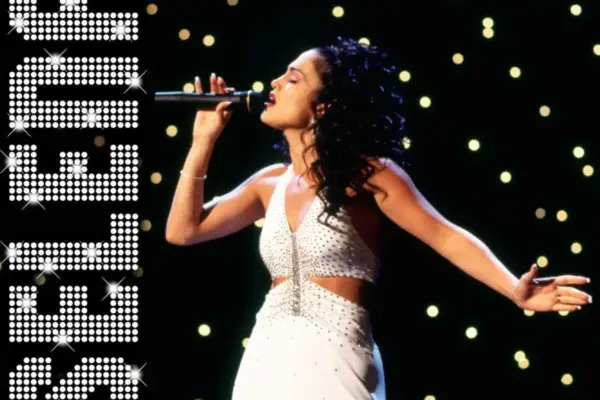
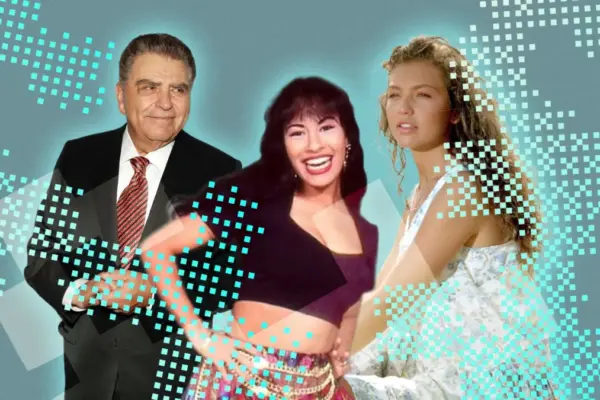
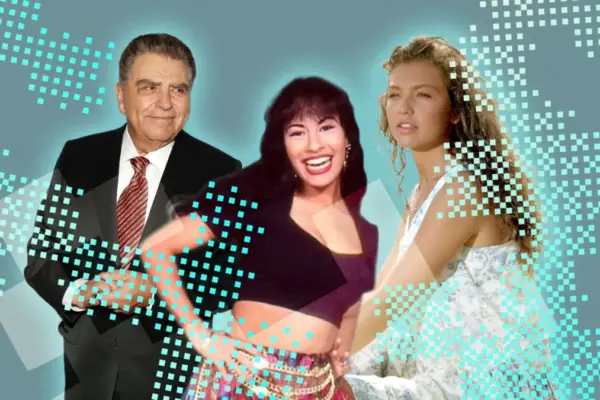
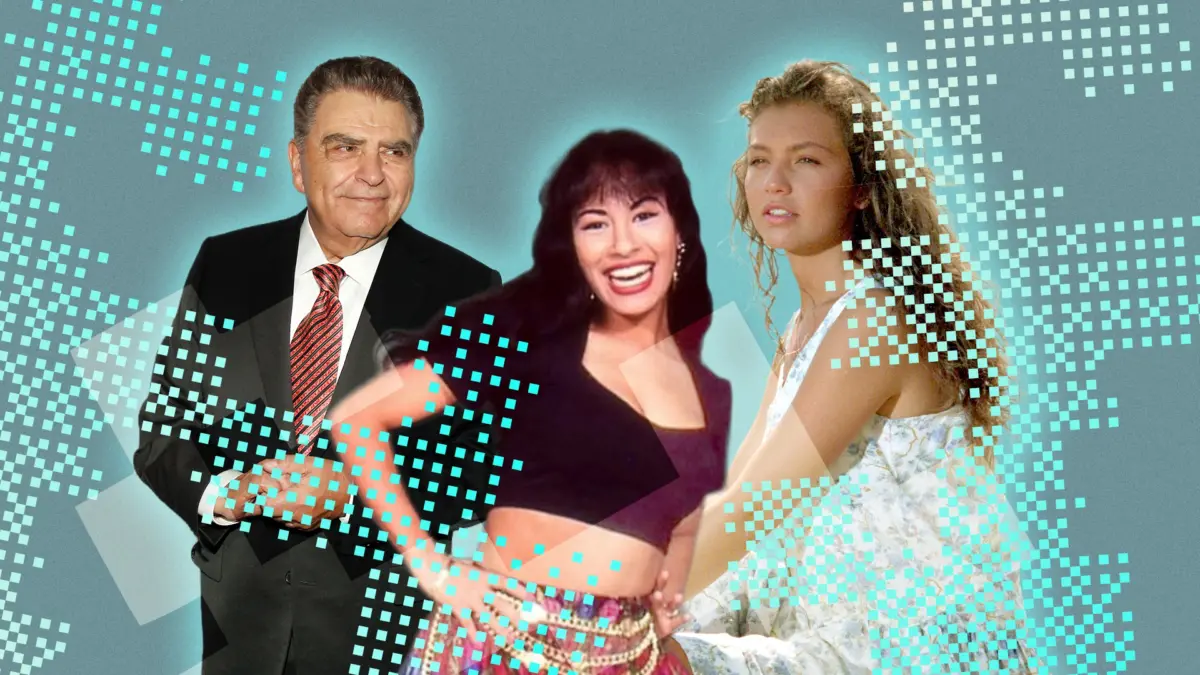
For one Dominican American growing up in the Garden State, these television memories do not center around isolated, monumental milestones. Instead, they are defined by the comforting background noise of domestic life. Spanish flowed effortlessly through the speakers, framing the daily routine of preparing dinner and catching up on the events of the week. Among the most vivid fixtures of this routine were the classic telenovelas that captured the household’s collective attention. Screenings of Marimar, starring pop icon Thalía alongside Eduardo Capetillo, served as appointment viewing and introduced a young viewer to their first television crush. Weekends brought a different kind of communal excitement with Sábado Gigante, hosted by the legendary Don Francisco, a program the entire household anticipated throughout the week. Alongside these staples were the magnetic performances and interviews of Selena, whose music videos and television appearances were replayed endlessly by a family that seemed perpetually unwilling to let those moments of cultural brilliance fade away.
There was an inherent power in hearing the Spanish language spoken dynamically within the walls of a New Jersey home. Even when the specific plots of the programs did not explicitly reflect the Dominican experience, the broader cultural resonance was unmistakable. The cadence of the dialogue, the intricacies of family dynamics, the distinct brand of humor, and the larger-than-life personalities mirrored a cultural framework that was instinctively recognized and deeply understood.
Watching Marimar was never a passive, quiet experience. It was an interactive family event. A character’s questionable decision on screen would reliably prompt a sharp shake of the head from a mother, immediately followed by a chorus of voices chiming in with declarations like, "¡Te dije que eso iba a pasar!" Within moments, the room would fill with overlapping laughter, affectionate teasing, and lighthearted arguments regarding who among the family members had predicted the plot twist correctly.
This dynamic was a direct reflection of the energy found at traditional Dominican family gatherings, where adults gathered to recount old stories, debate current events, and voice opinions on family gossip as well as whatever was unfolding on the television screen. Someone was always calling out from an adjacent room, yet the architecture of the conversation managed to pull everyone into the dialogue. While the television program itself may not have chronicled a specifically Dominican narrative, sharing it with a mother and extended family created an immediate sense of belonging and familiarity. Marimar was a Mexican production, and Selena was a Mexican American superstar, but cultural connection does not always require precise, literal representation. Often, it is forged through profound emotional recognition.
At the time, these ordinary evenings were rarely viewed through the lens of cultural preservation or sociological study. To a child growing up in New Jersey, it was simply television time shared with loved ones. It is only decades later that the profound weight of those everyday moments becomes clear, revealing how they quietly taught a generation who they were and where their roots lay.
For countless immigrant families navigating the complexities of the diaspora, broadcast media functioned as much more than mere entertainment. It served as a vital bridge spanning the physical and emotional distance between the world parents left behind and the unfamiliar environment where their children were developing. For a Dominican family adapting to life in the United States, these broadcasts offered a consistent anchor, helping to preserve language, musical traditions, humor, and an enduring connection to the Caribbean while concurrently building a future on American soil.
This was the unique magic of appointment television. Families tuned in simply because a program was scheduled to air, and as a result, those shared viewings naturally transformed into tomorrow’s family conversations. A child could navigate an English-dominant school system all day and return home to a living room completely immersed in Spanish, successfully bridging the dual identities of being both Dominican and from New Jersey without ever feeling forced to choose one over the other.
Today, the auditory landscape of that memory remains intact; simply hearing the opening notes of the Marimar theme song is enough to instantly summon recollections of those family evenings. Yet, the mechanics of how television is consumed have shifted dramatically. The era of waiting patiently for a specific broadcast time and debating a unified viewing choice with the entire household has largely been replaced by individual streaming habits. Modern viewers watch content independently whenever time permits, translating shared cultural touchstones into digital artifacts like clips or memes shared across family group chats.
While the underlying connection to culture persists, its physical shape has evolved. In previous decades, a telenovela episode, a musical performance on Sábado Gigante, or a song broadcast across the nation could organically transform into a universal family talking point by the following morning because everyone had experienced it simultaneously and formed their own opinions. In the contemporary media ecosystem, characterized by endless choices and algorithmically personalized feeds, audiences follow divergent paths, consuming different shows and interacting with distinct creators. Shared cultural moments have not vanished entirely, but they have transitioned from automatic occurrences to intentional discoveries.
Concurrently, the landscape of representation has undergone a structural revolution. Latino creators no longer wait passively for traditional studios to grant them visibility; they are actively building that representation themselves. A Dominican youth living in New Jersey can now open a mobile device and instantly access digital communities, independent creators, and narratives that directly reflect their specific lived experiences. This unprecedented creative freedom and accessibility represent a monumental step forward for media diversity.
Yet, despite these modern advantages, a distinct nostalgia remains for the collective viewing experience of the past. Platforms have multiplied exponentially—expanding far beyond traditional telenovelas and variety shows to encompass TikTok, independent podcasts, YouTube channels, and subscription streaming services—yet the fundamental human desire for shared connection endures. The underlying longing to witness something that evokes the feeling of home, and to share that specific discovery immediately with the people who defined what home meant, has not diminished.
For individuals who grow up balancing two distinct cultural worlds, heritage is transmitted through far more than formal oral histories regarding ancestral origins. It thrives within native languages, culinary recipes, shared musical preferences, and the unscripted, ordinary moments spent in proximity with loved ones. For many, that cultural foundation is permanently anchored in the memory of a television screen glowing warmly in a New Jersey living room, filling the domestic space with the sounds of Spanish. What once appeared to be simple, passing entertainment is ultimately recognized as a formative force, driven not only by the content of the broadcasts, but by the shared experience of watching them together as a family.