








When Ben Affleck set out to direct and co-star in the high-stakes political thriller Animals, he faced a creative choice that most Hollywood filmmakers handle behind closed doors. As the director, co-writer, and one of the film’s principal actors, Affleck could easily have written the dialogue for the Mexican characters himself, handed the pages to his cast, and moved forward with production without a second thought. In an industry where Latino characters are too often penned by writers far removed from the actual lived experiences they attempt to portray, that approach would have fit standard Hollywood conventions.
Instead, Affleck chose a path of radical collaboration. He handed the pen directly to his Mexican actors, Adriana Paz and Luis Gerardo Méndez, giving them full autonomy to write their own lines and shape their own characters. Premiering on Netflix on October 9th, the film benefits profoundly from this decision, anchoring its narrative in a layer of authenticity and emotional truth that can only come from those who understand the culture firsthand. Rather than treating representation as an afterthought or a box to check, Affleck recognized that the weight of portraying millions of individuals globally was not something he should handle alone.
By inviting Paz and Méndez into the writing process, Affleck was not simply asking them to flag dialogue that felt unnatural or out of place. He was asking them to help build the foundation of who these characters were from the ground up, acknowledging that the story belonged as much to the community they represented as it did to anyone else involved in the production.
What It Meant to Paz and Méndez to Be Asked
For Adriana Paz, the collaborative environment fostered on the set of Animals was a stark departure from the typical conditions experienced by Latino actors in mainstream cinema. Describing the process with a distinct sense of warmth, Paz noted that Affleck consistently checked in to ensure the dialogue felt authentic, asking if their characters would genuinely speak those words or if anything vital was missing.
Far from viewing this as an added burden or unpaid labor, Paz felt she was being granted an extraordinary privilege rarely afforded to actors in her professional position. She recalled the deeply rewarding experience of sitting alongside Luis Gerardo Méndez to workshop their roles together. For Paz, the collaboration served as a poignant reminder of why she pursued the profession in the first place: the rare joy of building something authentic and human with a fellow artist, rather than merely executing someone else’s preconceived, often stereotypical vision of who she was supposed to be.
Méndez, who has earned international recognition for his breakout role in the hit series Club de Cuervos, approached the responsibility with an acute awareness of the broader cultural impact. He reflected on the immense weight he and Paz carried throughout the project, noting that they were effectively representing a vast community of millions of people not only within the United States, but all across the globe. This included migrants and refugees living in foreign lands where they frequently encounter hostility and exclusion.
According to Méndez, the absolute clarity of that representation shaped every creative choice he made regarding his character’s demeanor, struggles, and motivations. While acknowledging that film projects vary widely in tone—some serving as pure entertainment while others carry historical or social significance—Méndez emphasized that Animals fell definitively into a category that demanded he invest everything he had into the role.
Why This Matters for How Latino Migrants Are Depicted on Screen
The characters brought to life by Paz and Méndez in Animals deliberately break away from tired, harmful tropes that have dominated American cinema for decades. They are neither criminals, looming threats, nor tragic cautionary tales meant to elicit pity. Instead, the film presents them with the depth, nuance, and dignity that mirror real life.
Paz portrays Cecilia, a dedicated housekeeper working inside the Los Angeles home where Affleck’s character is running a high-profile political campaign. Cecilia occupies a complex space in the household—she is simultaneously the person caring for what the family values most and someone who is routinely rendered invisible by the very people she assists.
Meanwhile, Méndez takes on the role of a man striving to support his family while navigating life without legal documentation. He is depicted as someone trying to do everything right within an unforgiving bureaucratic system that offers him zero legal protection, yet demands resilience in the face of daily risks. Both actors have been vocal about the intentional choice to portray migrants with humanity and dignity, particularly at a time when public political discourse and mainstream Hollywood narratives so frequently reduce them to flat, threatening caricatures.
Ben Affleck expanded on this perspective during discussions about the film, sharply criticizing the persistent political narrative that frames migrants as criminals. He described this trope as an absurd political fabrication with a long, destructive history of being weaponized whenever a society experiences economic or social pressure and leaders require a scapegoat.
Affleck argued that fiction holds a unique, transformative power capable of disrupting this harmful logic. A well-crafted narrative forces an audience to recognize the full humanity of an individual before reducing them to a political category or a statistic. Once a viewer genuinely identifies with a person’s humanity, Affleck suggested, it becomes nearly impossible to retreat into a dehumanized version of who they represent.
What the Film Is Actually About
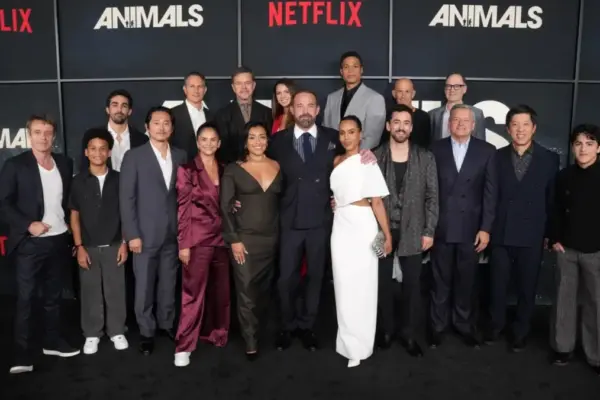
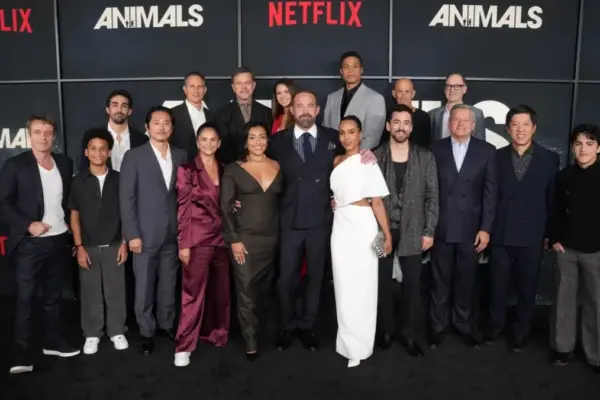
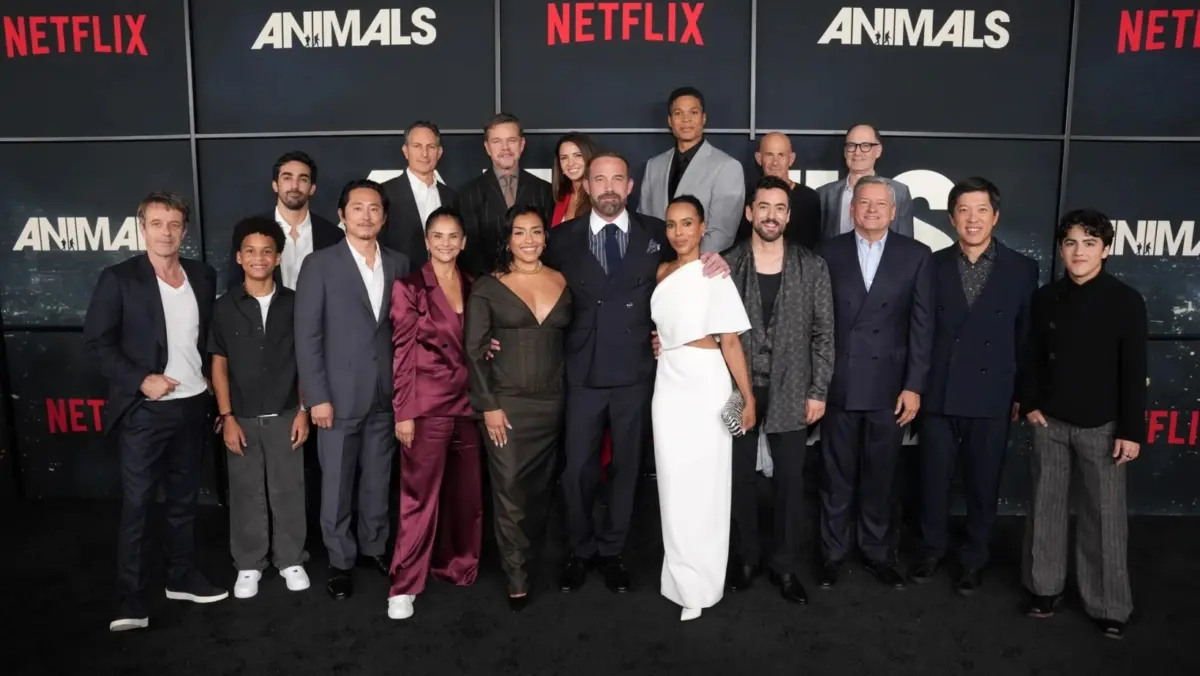
At its narrative core, Animals revolves around a harrowing premise: the kidnapping of the young son of Mark and Abigail Kimball, played by Ben Affleck and Kerry Washington. The film uses this high-tension central mystery to explore the complex moral dilemmas and gray areas that every character must navigate when the institutional systems surrounding them fail to provide easy answers or reliable justice.
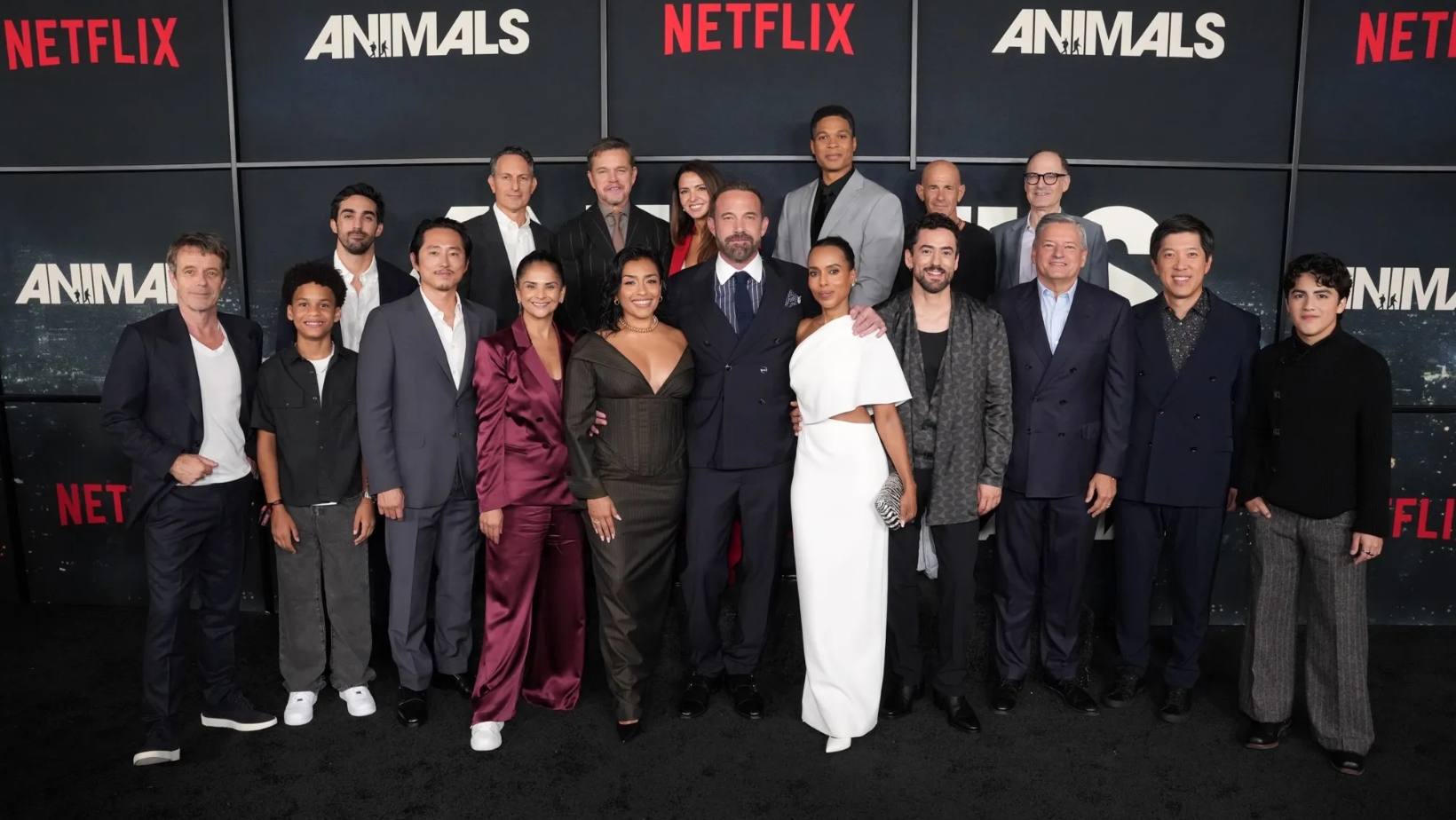
The star-studded ensemble cast also features acclaimed actors such as Gillian Anderson, Steven Yeun, and Ray Fisher, rounding out a production backed by Artists Equity, the independent studio Affleck co-founded alongside longtime collaborator Matt Damon.
Reflecting on the emotional resonance of the project, Paz expressed her hope that audiences walk away from the film with a lasting impression. She described Animals as a gripping cinematic experience designed to make viewers deeply uncomfortable in ways that linger long after the final credits roll, while remaining utterly compelling from start to finish. Animals premieres worldwide on Netflix on October 9th.