









By Johanna Ferreira
September 24, 2026
The recent wave of public speculation and media chatter regarding Jenna Ortega’s appearance has been difficult to watch—not because her physical form requires any explanation or defense, but because the collective response once again highlights just how acceptable society still finds it to discuss women’s bodies as though they are public property. From red carpet appearances to television screens and social media feeds, female celebrities and everyday women alike are subjected to constant observation, unsolicited assessment, and relentless criticism.
This pervasive cultural obsession was brought sharply into focus yet again following discussions surrounding Ortega, whose appearance sparked a familiar cycle of online concern and speculation. Her younger sister, Aliyah, recently stepped into the fray to amplify a fan’s message reminding the public that Jenna does not owe anyone an explanation for her body, a sentiment that is both undeniably true and frustratingly necessary to repeat. The underlying issue remains simple yet profound: women should never have to explain why their bodies look the way they do. Yet, the broader cultural machinery continues to treat a woman’s physical presence as a public question that she is perpetually required to answer.
Having spent the majority of life relatively thin, the author notes a keen awareness that the personal comments received about one’s own body do not equate to the systemic judgment, barriers, and discrimination frequently experienced by people in larger bodies. Still, recent personal experiences have underscored how deeply ingrained the habit of treating weight as public information truly is. Following an unintentional weight loss stemming from a medical struggle with SIBO—Small Intestinal Bacterial Overgrowth—which at times made it impossible to digest more than a single meal a day, neighbors and acquaintances began offering enthusiastic congratulations.
These well-meaning compliments laid bare a cultural paradox so fundamentally committed to thinness that visible weight loss is automatically categorized as good news, even when it serves as a direct visual indicator of severe illness and physical distress. When sickness is rewarded with praise simply because it results in a smaller frame, the danger becomes glaringly apparent.
It is hardly a wonder that so many women struggle intensely with body image issues, disordered eating, and full-scale eating disorders within an environment driven by such warped metrics. This destructive cycle was highlighted earlier this year during a July interview with Jay Shetty, where actress Camila Mendes opened up about her long-standing struggles with bulimia, body image, and perfectionism dating back to her time on the hit television series Riverdale. Mendes described the deep confusion she felt when people showered her with praise and compliments upon losing weight, even though that weight loss was driven entirely by her eating disorder. Rather than signaling a cause for concern, the external validation reinforced the toxic notion that she looked her best at her thinnest, regardless of the toll it was taking on her health and well-being.
That, ultimately, is the inescapable reality of navigating the world as a woman: no version of the female physical form ever seems to escape unsolicited commentary. Society finds a way to pass judgment regardless of where a person falls on the spectrum. Women are routinely deemed too thin, too fat, or not curvy enough. People always seem to find something to observe, question, praise, criticize, or express artificial worry over, and living on the receiving end of that unrelenting scrutiny is profoundly exhausting.
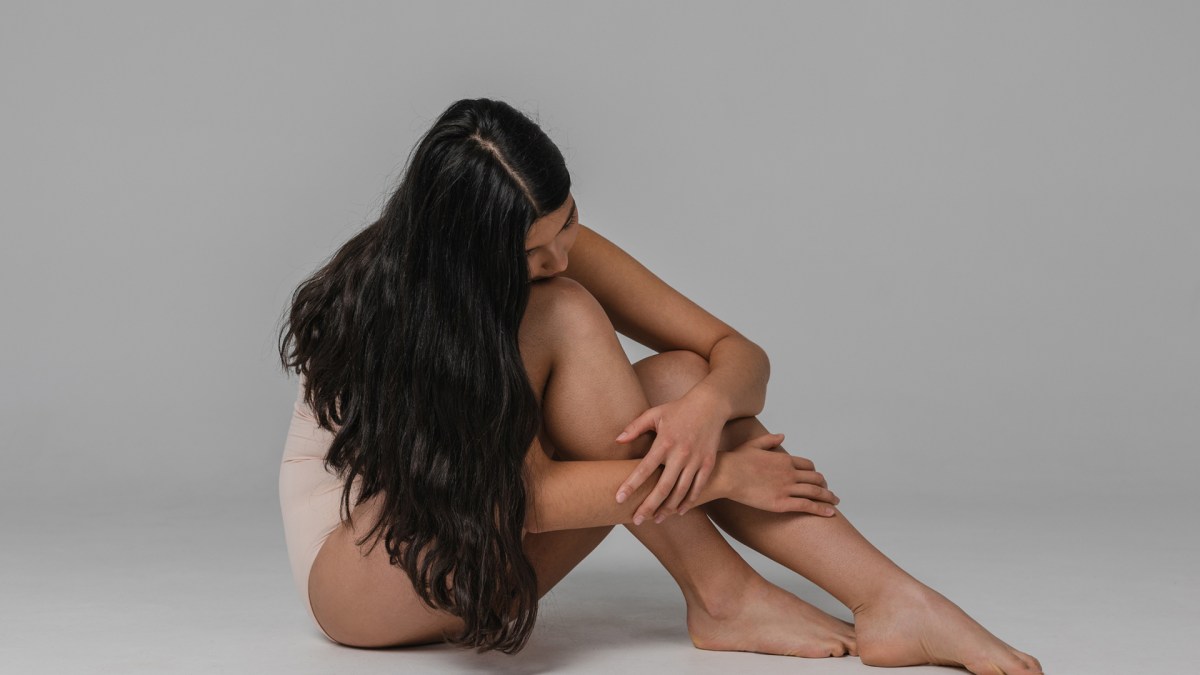
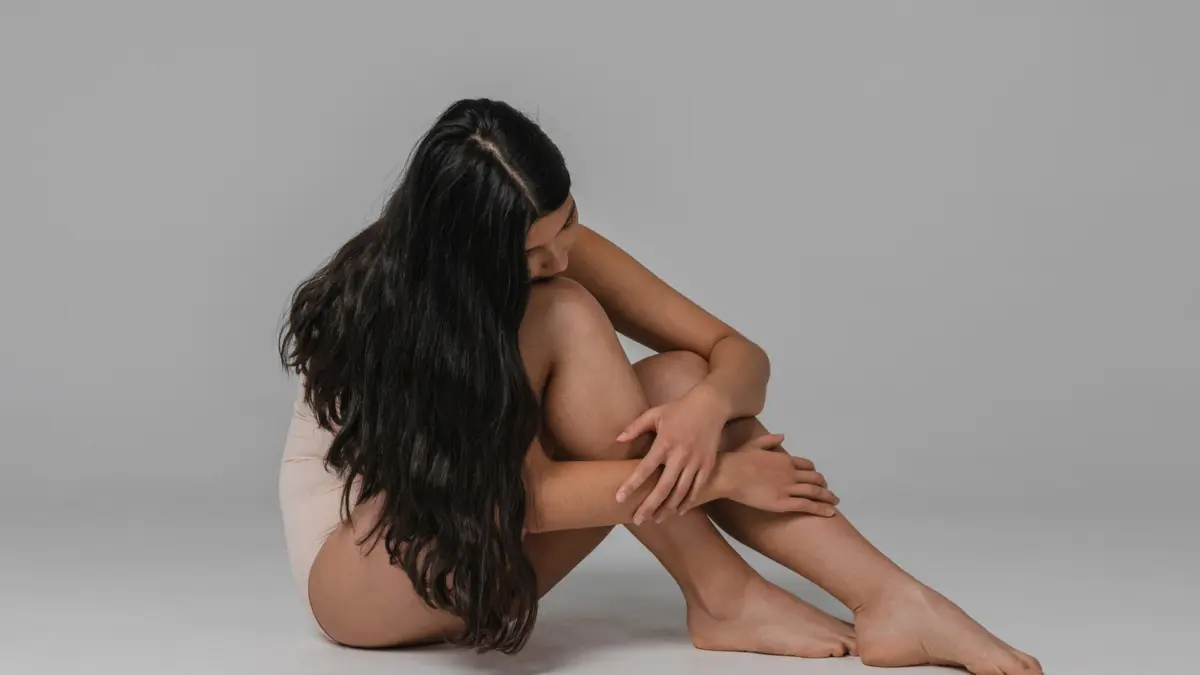
For Latinas, this intense cultural scrutiny often begins at a remarkably young age. Many grow up within families and cultural environments where personal comments about women’s bodies are so deeply normalized that individuals do not always immediately recognize them as violations of personal boundaries. Relatives feel entirely comfortable offering unsolicited assessments during family gatherings. One family member might casually mention that a young girl has gotten entirely too skinny, while another is just as quick to point out that she has gained weight. A tía feels entitled to comment directly on the size of a niece’s thighs or the width of her waist.
Personal childhood memories echo this reality. Girl cousins frequently remarked that the author was far too skinny and needed to gain weight quickly. Within the family dynamic, one of the enduring nicknames has always been flaca. While it was almost always deployed as a term of endearment, losing even a few pounds could suddenly transform that affectionate label into a source of immediate, palpable family concern.
While jokes and remarks about thinness rarely caused direct emotional distress—and were understood to stem from a place of genuine affection—loving intentions do not erase the underlying message being communicated. That underlying message remains consistent and pervasive: a woman’s body is fundamentally available for others to evaluate, measure, and discuss openly.
What makes this cultural scrutiny particularly complex and suffocating for Latinas, in particular, is the web of contradictory expectations that accompanies it. Women within the culture are expected to be thin, but never too thin. They are encouraged to be curvy, but the label of being "fat" remains entirely unacceptable. The ideal presentation demands a feminine and voluptuous silhouette, provided that the stomach remains completely flat and the waist stays impossibly tiny.
These mixed messages govern everyday behavior as well. Women are encouraged to eat and enjoy food during celebrations, only to be subsequently criticized if that food results in weight gain. They are praised enthusiastically for losing weight, yet immediately met with pointed inquiries regarding whether they are actually eating enough—a persistent question that has echoed through generations. Within this restrictive framework, no version of a woman’s body is ever simply allowed to exist on its own terms.
This pervasive cultural backdrop is precisely why the intense public reaction to Jenna Ortega’s body felt so painfully familiar to observers. When the spotlight shifts to young female stars, the public treats their physical transformations as open-source material for armchair diagnosis and critique. By voicing support for her sister and reminding the public that Jenna does not owe anyone an explanation, Aliyah Ortega highlighted a boundary that should be automatic rather than revolutionary.
The core issue extends far beyond a single celebrity or a solitary news cycle. It speaks to a persistent societal refusal to grant women bodily autonomy in the public eye. As conversations around body image continue to evolve, the underlying expectation remains that a woman’s physical vessel is somehow communal property. Until that cultural assumption is fundamentally dismantled, women will continue to navigate a world where their bodies are constantly monitored, questioned, and evaluated—proving that even in 2026, the simple act of existing in a female body still comes with an uninvited audience.