









For an entire generation of television viewers, the long-running animated series Arthur was far more than a simple cartoon about a cheerful, bespectacled aardvark and his diverse circle of friends. Based on the beloved book series by Marc Brown, the show created a familiar, comforting little world that reflected the everyday realities of growing up. But even within a fictional community already populated by a wide array of characters, the series continually found ways to mirror the evolving demographics of the real world. A prime example of this arrived in 2001, when Elwood City made room for a brand-new family moving in right next door, enriching the narrative landscape of the show and offering young viewers a meaningful lesson in community and belonging.
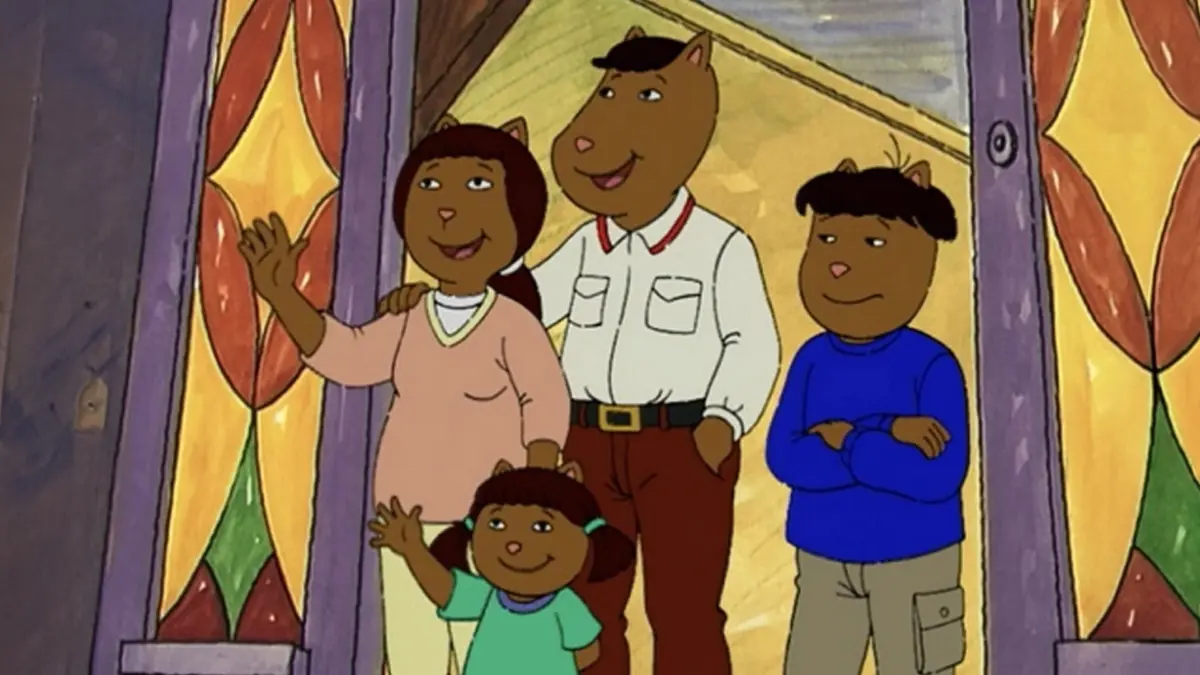
In the memorable episode titled "Arthur and Los Vecinos," the title character meets the Molinas, a welcoming family originally from Ecuador. The household consists of Mr. Ramón and Mrs. Molina, their 13-year-old son Alberto, their lively 3-year-old daughter Vicita, and the family dog, Amigo. Their arrival immediately expands the horizons of Elwood City, introducing a new dynamic to the neighborhood and providing Arthur and his family with an organic opportunity to reach out, introduce themselves, and begin building a lasting friendship. Rather than treating the introduction as a grand, overly dramatic moral lesson, the episode opts for a warm, everyday approach. It focuses on the simple, relatable act of neighbors opening their doors, welcoming newcomers, and making room for one another in a shared community.
As the narrative develops, the Molinas are established as fully realized characters with their own independent lives, daily routines, and contributions to Elwood City. Mr. Ramón Molina runs a local establishment known as Cafe con Leche, anchoring himself in the commercial and social fabric of the neighborhood, while Mrs. Molina shares her passion and talent by teaching dance classes at the community center. When Arthur’s family visits, the interactions between the adults and the children highlight the gradual, natural process of forming bonds across cultural backgrounds. It is a portrayal grounded in domestic realism, emphasizing that friendship often begins with shared cups of coffee, neighborhood hellos, and a willingness to learn about one another’s daily routines.
The cultural exchange extends even to the family pets, creating a charming moment of cross-cultural communication between animals. The Molinas’ dog, Amigo, plays a brief yet delightful role in teaching Arthur’s beloved dog, Pal, that dogs raised in Latine households express themselves a bit differently, notably learning that Latine dogs say "guau" instead of the traditional English "woof." While the Molinas make their debut in "Arthur and Los Vecinos," their presence in Elwood City does not end with a single guest appearance. The family becomes a recurring part of the series’ expansive world, appearing in several later episodes that further integrate them into the community fabric, including "Dear Adil" and "Dancing Fools."
Among the family members, Alberto Molina’s storyline continues to evolve far beyond that initial neighborhood greeting, giving viewers a deeper look into his personality, hobbies, and perspective. Alberto is rarely defined by a single trait; instead, he has distinct interests, such as his prized soccer ball, which he affectionately calls "El Boomerang." The ball holds special significance because it is signed by a fictional Ecuadorian soccer player named Juan-Carlos Salamanca, grounding Alberto’s heritage in specific, personal details that resonate with young sports fans.
This character depth is further explored in the subsequent episode "Dear Adil," where Alberto encourages Arthur to think more critically about cultural stereotypes and media representation. The plot unfolds after Arthur reads a comic book featuring a depiction of a golden Mayan temple located in Ecuador—a geographic inaccuracy that conflates distinct Mesoamerican and South American histories. Alberto steps up to address the misconception, prompting Arthur to reflect on why accuracy matters and how stories shape public understanding of different cultures.
These thoughtful narrative choices ensure that the Molinas are given much more than a fleeting cameo or a superficial nod to diversity. They are portrayed as a dynamic family unit equipped with their own unique interests, professional lives, humor, and worldview. Crucially, characters like Alberto are given the agency to speak up when popular media portrayals get things wrong, reinforcing the idea that cultural authenticity requires active listening and correction. For the many viewers who are now revisiting Arthur as adults, that specific brand of thoughtful, respectful representation stands out as a high-water mark for children’s television, proving that a show about animals could offer remarkably human lessons about respect, geography, and community.
Reporting by Anna Ortega.