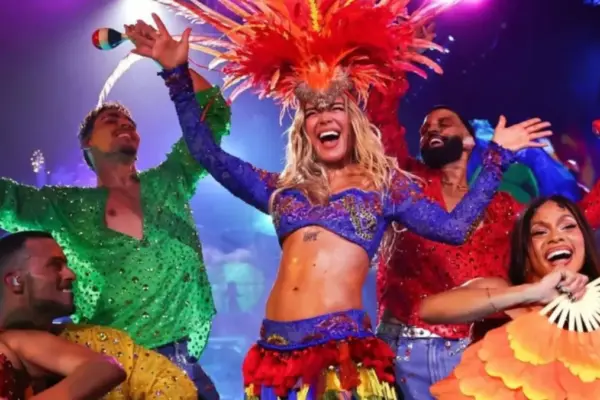








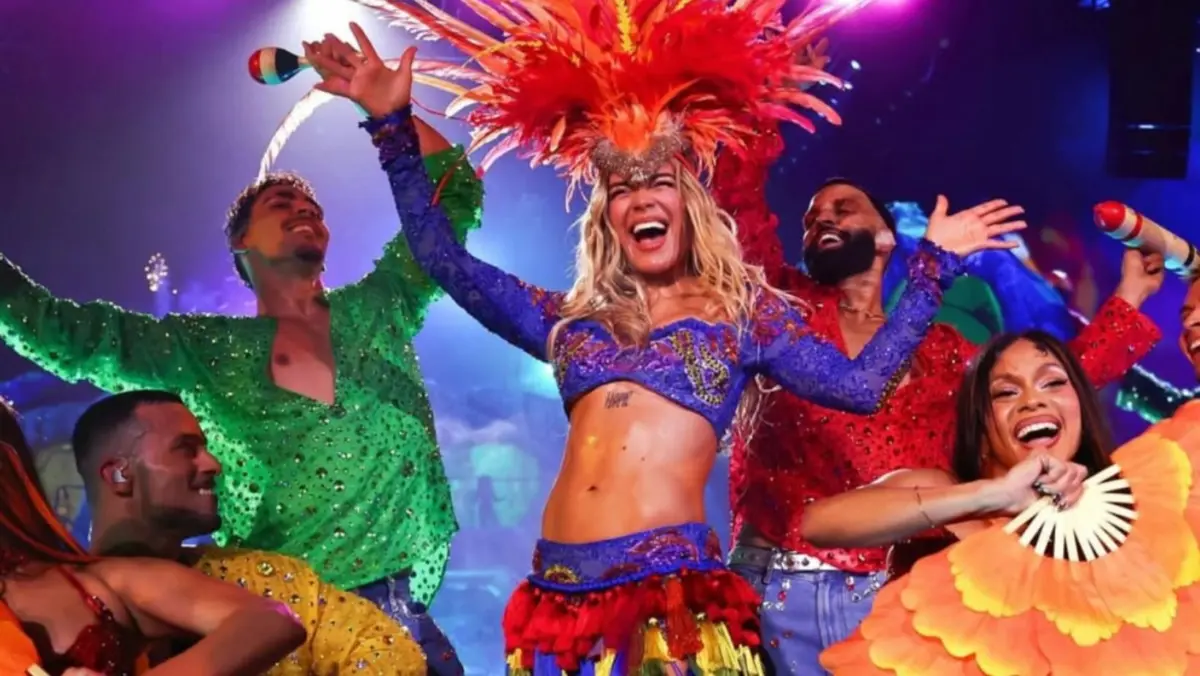
The announcement of the 2026 Latin Grammy Award nominations on September 16th introduced a wave of celebration for artists across Latin America, yet it simultaneously ignited a fierce cultural debate online. Among the most discussed developments was Colombian superstar Karol G securing a nomination for Best Regional Mexican Song for her track “Ese Hombre Es Malo,” a standout release from her acclaimed 2025 album Tropicoqueta. While fans of the global reggaeton powerhouse celebrated the recognition, the nomination immediately triggered a wave of criticism from various corners of the internet, particularly among Mexican fans and music enthusiasts who questioned how a non-Mexican artist could occupy a prominent space within a category so deeply associated with Mexican cultural heritage.
Within hours of the Latin Recording Academy revealing the nominees, social media platforms such as X (formerly Twitter) and TikTok became flooded with commentary. Many users debated the boundaries of musical genres, comparing Karol G’s recent pivot to artists who have dedicated their entire professional lives to cultivating and preserving the regional Mexican genre. Particular attention was drawn to prominent figures like Yuridia, who had recently commanded the music scene by performing two consecutive sold-out concerts at Mexico’s prestigious Estadio GNP, yet found herself absent from the nomination list.
The online discourse eventually reached the artists themselves. Yuridia took to Instagram on September 18th to address the growing friction, attempting to calm the public reaction. In her post, she stated that she does not care for such unnecessary drama and publicly asked audiences to leave Karol G alone, signaling a desire to move past the divisive rhetoric and focus on the music itself.
Despite the intensity of the social media backlash, the controversy fundamentally rests on a widespread misunderstanding of how the Latin Grammy nomination and eligibility processes operate. According to the official rules set forth by the Latin Recording Academy, eligibility for specific genre categories is not determined by the nationality or country of origin of the performer. Instead, the primary structural criteria dictate that a nominated track must contain at least sixty percent of its lyrics in Spanish and conform structurally to the sonic and lyrical traditions of the regional Mexican genre.
Furthermore, the nomination technically honors the credited songwriters behind the track rather than solely the performing artist. In the case of “Ese Hombre Es Malo,” the nomination extends to renowned songwriter Édgar Barrera, Andrés Jael Correa Ríos, and Carolina Giraldo Navarro, which is Karol G’s legal name. With this nomination, Karol G finds herself competing in a highly competitive category alongside industry heavyweights, including legendary group Intocable, Grupo Frontera—who secured two nominations—alongside Xavi and Edén Muñoz in collaboration with Cristian Castro.
What Karol G Actually Said About Her Connection to Mexico
As the public debate intensified, attention shifted back to what Karol G has previously articulated regarding her deep-rooted connection to Mexican culture and music. In an interview with MTV Latinoamérica conducted ahead of her upcoming tour stops in Mexico as part of her expansive Tropitour, the Colombian singer-songwriter elaborated on how her affinity for Mexican traditions began during her childhood. She explained that her earliest exposure to the country’s culture came through watching classic telenovelas on television.
Karol G described those formative viewing experiences as her vital entry point into discovering Mexican music. Through the dramatic storylines of television melodramas, she developed a profound appreciation for the themes of heartbreak, romance, and raw emotional intensity that she closely associated with Mexican identity and storytelling. She noted that popular music and traditional mariachi arrangements allow her to express her own artistic emotions with the exact same sincerity and feeling she grew up witnessing and absorbing.

Addressing the creation of her album Tropicoqueta, which was released in June 2025, Karol G explained that the project served as her deliberate way of honoring Latin American culture in its full breadth and diversity. For her, creating an expansive tribute to Latin American sounds without including a genre and a culture that had profoundly shaped her personal and artistic development would have felt incomplete. She was direct in clarifying that her exploration of Mexican music was never intended as a calculated strategic move to capture a new demographic or break into a different market, but rather as an authentic reflection of what shaped her as a performer over the years.
She characterized the album as a heartfelt tribute to everything she has encountered through years of international travel and cultural exposure, emphasizing that omitting Mexican music from that creative journey would have been a dishonest omission given its central role in her artistic evolution. Although she built her formidable global reputation within the urban music landscape, the Colombian artist made a conscious, deliberate choice with Tropicoqueta to step away temporarily from strictly urban beats and explore sounds much closer to her emotional roots, with Mexico serving as an essential and non-negotiable part of that musical exploration.
The Double Standard the Debate Exposed
Beyond the mechanics of award eligibility and artistic intent, cultural analysts and industry observers noted that the most revealing element of the controversy surrounding Karol G’s nomination is not the inclusion of her song itself, but rather the highly selective nature of the public outrage. The discussion highlighted recurring double standards within how cross-cultural genre pollination is received by different regional audiences across Latin America.
For instance, the celebrated Mexican musical group Los Ángeles Azules earned nominations in the Best Cumbia/Vallenato Album category at the Latin Grammy Awards in 2021, 2023, and 2024. Cumbia and vallenato are musical traditions historically and culturally associated with Colombia and Venezuela. Yet, those nominations passed without generating any comparable wave of complaints, protectionist rhetoric, or institutional pushback from the Colombian music community. The vocal noise surrounding Karol G contrasted sharply with the relative silence observed during previous cross-border nominations, exposing a cultural double standard that commentators argue deserves honest examination rather than being dismissed in the interest of keeping the peace.
The regional Mexican genre has long since evolved beyond its domestic borders, commanding a massive global audience and exerting widespread influence across the international music market. The underlying premise that only Mexican-born artists can authentically engage with, perform, or interpret the genre represents a form of cultural gatekeeping that the broader history of Latin music does not support. Karol G spent her formative years absorbing Mexican telenovelas, listening to traditional mariachi music, and internalizing the cultural frameworks that ultimately shaped her sensibility as a performing artist long before she ever stepped into a recording booth to record a regional Mexican track.
Ultimately, her nomination reflects a documented body of work built upon a genuine connection to the genre, evaluated strictly according to established guidelines that have consistently prioritized musical composition and execution over the passport of the creator. While discussions regarding cultural authenticity and genre boundaries remain a legitimate part of the broader conversation surrounding Latin music, industry observers emphasize that such debates require consistency—either acknowledging that established eligibility rules apply equally to all artists across every genre, or openly addressing those rules regardless of which national community happens to benefit from them.