









The vibrant intersection of salsa’s storied past and its dynamic future took center stage in Miami Beach as two generations of genre-defining artists sat down to discuss the enduring legacy, evolving landscape, and cultural resilience of tropical music.
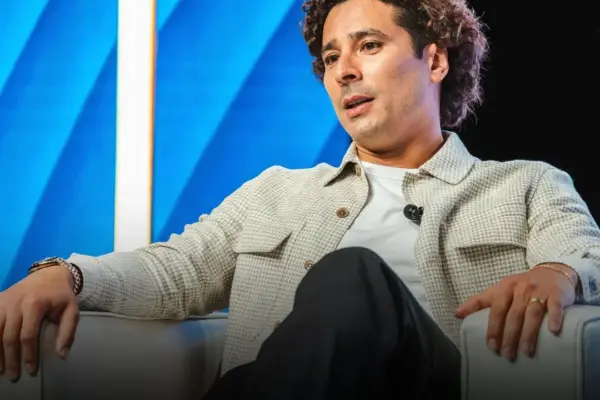
The compelling conversation, officially titled the “Salsa Revival: Bridging Generations” panel, served as a major highlight during the opening day of Billboard Latin Music Week 2026. Held on Monday, October 19, at the prestigious Faena Forum, the event drew music industry professionals, artists, and passionate fans eager to hear from veteran icon Tito Nieves and contemporary powerhouse Luis Figueroa. The insightful session was skillfully moderated by Bryant Pino of AARP, guiding a dialogue that explored how salsa has adapted through the decades while maintaining its core emotional resonance.
For Nieves, a titan of the genre whose illustrious career spans five remarkable decades, the motivation to participate in such discussions stems from a profound appreciation for the artists who are currently carrying the torch. Over his legendary career, Nieves has delivered some of salsa’s most enduring anthems, including timeless classics such as “Fabricando Fantasías,” “De Mí Enamórate,” and “El Amor Más Bonito.” Despite having cemented his own permanent place in Latin music history, the legendary vocalist expressed deep admiration for the fresh talent injecting new energy into the community.
“Young people inspire me. I already have my legacy, but they’re coming up strong, and I want to support the younger generation,” the Puerto Rican icon shared with the attentive audience at the Faena Theater.
Reflecting on the foundations of the global tropical movement, Nieves transported the room back to earlier eras, recalling how he and fellow luminary Marc Anthony used to grind out performances across the roughly 60 distinct clubs that once populated New York City. In those formative days, artists had to hustle tirelessly, visiting venue after venue to introduce eager live audiences to a vibrant musical movement that would eventually transcend borders and captivate listeners around the world.

That grassroots approach to building a dedicated following stood in stark contrast to the realities discussed by Figueroa, a representative of salsa’s new wave. Born in Philadelphia and raised in a household where salsa was a daily soundtrack, Figueroa offered a thoughtful perspective on how technological shifts have transformed the modern music industry and artist-fan relationships.
“Unfortunately, we don’t have that today. That’s how they built their audience back then,” Figueroa remarked, acknowledging the physical and personal connection that defined the golden eras of New York salsa. “We have platforms now, but it isn’t as personal as having places where you can sing for people and feel their feedback. Another important thing we shouldn’t lose sight of is that the numbers we see on social media or streaming platforms don’t necessarily mean tickets sold.”
As the conversation expanded to evaluate salsa’s current standing within an increasingly crowded and diverse contemporary music ecosystem, both artists addressed the influence of newer genres like reggaetón. While acknowledging that urban rhythms have successfully provided alternative avenues for dance and mainstream consumption, both Nieves and Figueroa expressed absolute confidence in the permanence of salsa. They agreed that the genre will never disappear, largely because it continues to safeguard a level of raw emotional honesty—traditionally rooted in deeply personal themes of love and heartbreak—that artificial trends simply cannot replicate.
The dialogue also touched upon the linguistic versatility of tropical music. When conversation turned to whether salsa maintains its authentic emotional impact when performed in English rather than Spanish, Nieves drew from his own pioneering catalog. He recalled how he first began recording and releasing music in English back in the 1980s, a creative pivot prompted by a very personal question from his U.S.-born son, who wanted to fully understand the meaning behind the lyrics his father was singing.
“Salsa is international. It can be made in any language; the rhythm itself conveys emotion,” Nieves explained.

That sentiment was echoed by Figueroa, who shared a parallel childhood experience of asking his mother to translate and explain the poetic intricacies of salsa lyrics while the infectious percussion compelled him to dance. That early exposure transformed him into a devoted devotee of the art form. By the time he reached his teenage years, Figueroa was actively attending live concerts and eagerly collecting photographs with the biggest luminaries of the genre—artists he now shares stages with.
As the panel neared its conclusion, Nieves offered heartfelt encouragement to aspiring salsa vocalists who are striving to break through in an industry where traditional promotional pathways, such as specialized radio formats, have significantly diminished. He advised upcoming artists to embrace the inevitable hard work required to succeed, but stressed that maintaining an authentic passion for the craft is paramount. Drawing from his own rigorous touring schedule, the veteran performer emphasized that joy remains the ultimate secret to longevity.
“I still perform two-and-a-half-hour shows, and I enjoy them from beginning to end,” Nieves noted. “That’s the key.”
Figueroa, who now finds himself in the unique position of serving as an inspiration for an even younger wave of salsa performers, used the platform to impart practical wisdom regarding the realities of the business and the physical demands of the profession. He underscored the importance of strict vocal discipline to protect one’s instrument, while urging his peers to honor the sacrifices made by those who paved the way.
“They’ve spent 30 years doing what they love,” Figueroa said of the genre’s established icons. “Now it’s our turn to fight to keep it going.”