








By Anna Ortega
September 8, 2026 – 13:18
For generations of Chicano and Latine audiences, the cinematic landscape of the late 20th century provided something rare, powerful, and deeply validating: the reflection of their own lives, struggles, and triumphs on the silver screen. Iconic films such as Selena, Blood In, Blood Out, Real Women Have Curves, Mi Familia, and La Bamba transcended mere entertainment to become cultural touchstones. They taught communities to take immense pride in their roots, feel genuinely seen in a medium that historically overlooked them, and navigate the intricate complexities of identity in America.
These cinematic works did not simply place faces that mirrored the audience onscreen; they captured the profound tensions that many individuals knew intimately in their daily lives. The delicate balance between pride and assimilation, the friction between traditional expectations and personal independence, and the eternal tug-of-war between family loyalty and the desire to forge an individual path were all brought to vivid life. Decades after their initial theatrical releases, these movies continue to resonate, remaining staples in household rotations not merely for the comforting wave of nostalgia they induce, but because the fundamental human need to be authentically seen never stops mattering.
Among the most enduring cinematic explorations of brotherhood, survival, and the inescapable gravitational pull of the streets is Blood In, Blood Out. Directed by Taylor Hackford, the epic crime drama follows three Chicano relatives—Paco, Cruz, and Miklo—as they navigate the treacherous realities of drugs, gang life, and institutional violence. The film offered an unflinching, gritty look at the systemic pressures facing young men in East Los Angeles. Through its sprawling narrative, it explored the painful fractures that occur within families and communities when external forces pull individuals down divergent paths. For many viewers, the film’s complex character arcs and stark realism provided a stark contrast to the sanitized portrayals of minority communities often pushed by mainstream Hollywood at the time.
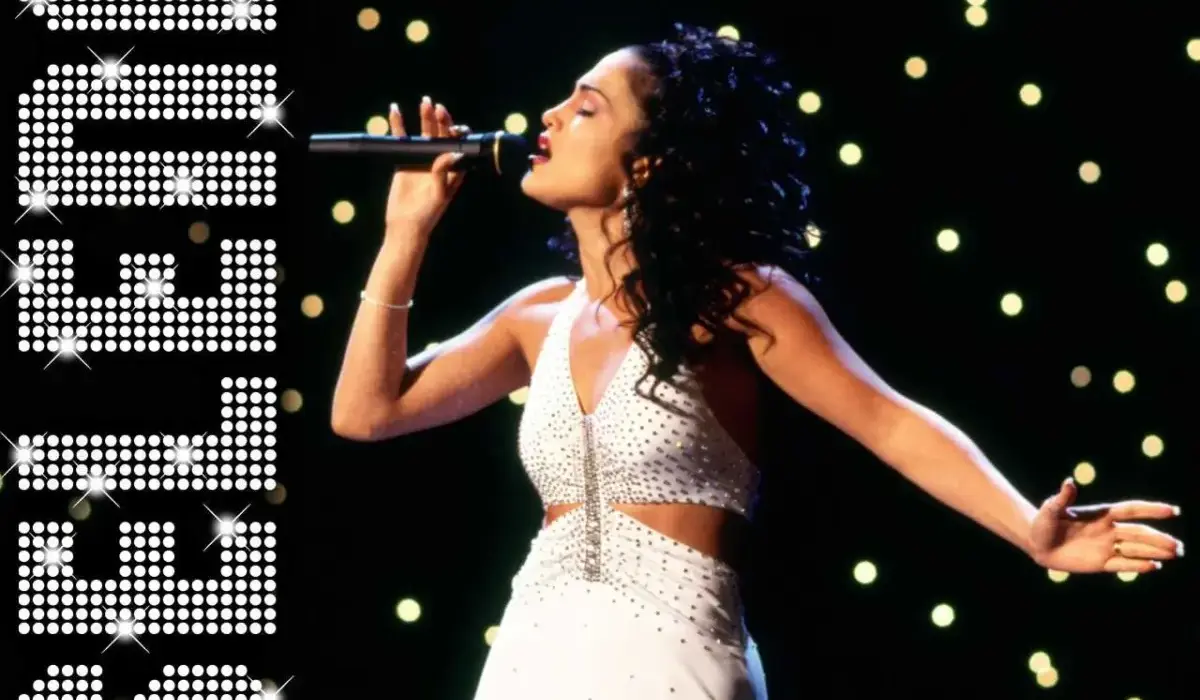
Equally monumental in its cultural footprint is Selena, the biographical musical drama that chronicled the meteoric rise and tragic, untimely death of Selena Quintanilla-Perez, the beloved Queen of Tejano music. Starring Jennifer Lopez in a career-defining breakout role, the film captured the joy, vibrancy, and immense pressure of the singer’s journey. For countless young bicultural viewers, Selena served as an emotional awakening. It taught audiences to embrace their dual heritages without hesitation—to be proud of speaking Spanish, to honor cultural traditions, and to pursue ambitious dreams regardless of the institutional barriers that stood in the way. The film cemented Quintanilla-Perez’s legacy as an eternal cultural icon while demonstrating the immense commercial and emotional viability of Latina-led narratives.

The theme of generational resilience finds profound expression in Mi Familia, also known as My Family, directed by Gregory Nava. The multigenerational Mexican-American family saga captures the sweeping history of a household that built a life in Los Angeles after migrating from Mexico. By following the family across decades, the film documented the quiet heroism of everyday survival, the persistence of cultural memory, and the unbreakable bonds that hold families together through economic hardship, political turmoil, and personal heartbreak. It captured the texture of Latine immigrant and first-generation experiences with a level of dignity, patience, and emotional depth that resonated deeply with communities whose histories were rarely taught in school textbooks.
On the cultural and personal front, the cinematic celebration of Latina womanhood was further elevated by Real Women Have Curves, which introduced the world to the immense talents of America Ferrera. Adapted from Josefina López’s acclaimed play, the film celebrated the multifaceted Latina experience while confronting head-on the intersecting struggles of body image, class, and familial expectations. Set in a bustling East Los Angeles garment factory, the story centered on Ana Garcia, a fiercely ambitious young woman torn between her mother’s traditional expectations of domesticity and her own fierce desire to attend college and pursue a career as a writer. The film broke new ground by centering a working-class Latina teenager whose body did not conform to traditional Hollywood standards, offering an unapologetic embrace of self-love and autonomy that resonated across generations of women.
No retrospective of foundational Chicano cinema would be complete without La Bamba, the poignant biographical drama that chronicled the tragically short life and legendary career of rock and roll pioneer Ritchie Valens. Directed by Luis Valdez, the film charted Valens’ rapid ascent from the agricultural fields of California to the pinnacle of mainstream musical stardom before his life was cut short in the fateful plane crash known as "The Day the Music Died." Anchored by Lou Diamond Phillips in the title role and featuring an unforgettable soundtrack by Los Lobos, the film captured the optimism of the 1950s rock era intertwined with the specific cultural realities of a Mexican-American teenager finding his voice. For millions of viewers, the film’s emotional climax remains an indelible cinematic memory, capable of evoking tears through its heartbreaking depiction of loss, family devotion, and cultural legacy.
These enduring cinematic achievements represent only a fraction of a rich and vital tradition of storytelling. Films of this caliber provided audiences with complex characters who carried their families, their cultural contradictions, and their heritage wherever they went. They elicited genuine laughter, prompted profound tears, inspired countless memorable quotes repeated across living rooms, and illuminated parts of the human experience that the mainstream entertainment industry had far too often ignored.
The enduring legacy of these pictures is evidenced by the fact that, decades after their premieres, audiences continue to seek them out. This sustained engagement goes beyond simple nostalgia; it reflects a continuous desire for authentic representation. In a media landscape that remains perpetually evolving, the foundational works that first opened the door for Chicano and Latine stories continue to serve as a vital reminder of the power of art to validate existence, preserve history, and foster a deep, collective sense of belonging.