







By Johanna Ferreira
September 24, 2026
The recent public speculation surrounding Jenna Ortega’s appearance has been difficult to watch—not because her body requires an explanation, but because the response shows how acceptable people still find it to discuss women’s bodies as though they’re public property, open to observation, assessment, and criticism.
This pervasive cultural habit of picking apart women’s physical forms is deeply ingrained, transcending celebrity culture and infiltrating our everyday interactions. I have spent most of my life relatively thin, and I know that the comments I receive about my body aren’t equivalent to the systemic judgment and discrimination experienced by people in larger bodies. Still, this year reminded me how deeply we’ve normalized treating weight as public information.
After I unintentionally lost weight while struggling with Small Intestinal Bacterial Overgrowth (SIBO)—sometimes unable to digest more than one meal a day—neighbors and acquaintances began congratulating me. Their compliments reflected a culture so committed to thinness that visible weight loss was seen as good news, even when it showed I wasn’t well. This twisted societal metric treats any reduction in size as a personal achievement, regardless of the physical or mental turmoil that might have caused it.
It is little wonder, then, that so many women struggle with body image and eating disorders in this environment. In a July interview with Jay Shetty, actress Camila Mendes described how receiving compliments when she lost weight because of her eating disorder thoroughly confused her. The praise reinforced the deeply toxic idea that she looked best at her thinnest, even when she was severely unwell and suffering behind closed doors. When society rewards illness and distress under the guise of aesthetic approval, it creates a psychological trap that is exceptionally difficult for women to escape.
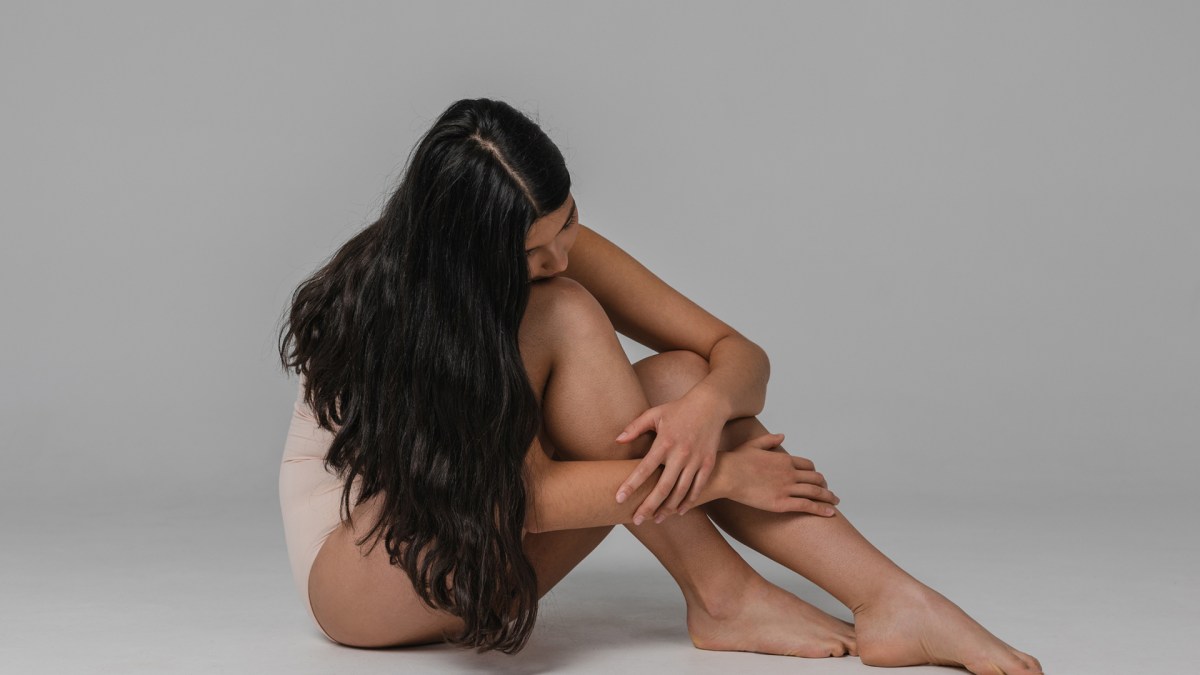
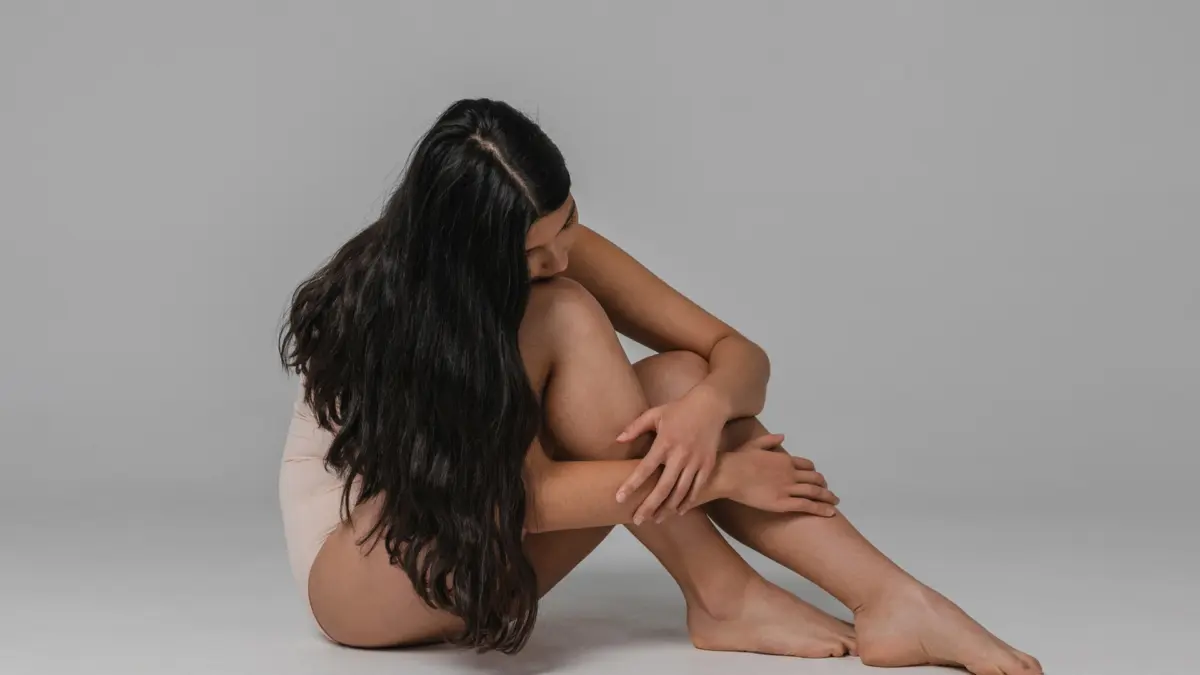
That is the relentless reality of being a woman in the public eye, or simply in the world at large: No version of our bodies ever seems to escape commentary. We are perpetually deemed too thin, too fat, or not curvy enough. People always seem to find something to observe, question, praise, criticize, or worry about, and it is profoundly exhausting to constantly be on the receiving end of that unsolicited scrutiny. We are judged by our clothes, our posture, and most stubbornly, by the scale, as if our physical dimensions are a community project subject to public vote.
For Latinas, that scrutiny often begins when we are very young, woven deeply into the fabric of domestic life. Many of us grow up in families and cultures where comments about women’s bodies are so normalized that we don’t always recognize them as direct violations of personal boundaries. You might have one relative tell you that you’ve gotten too skinny, while another is quick to point out that you’ve gained weight. A tía will casually comment on the size of your thighs or your waist during a family gathering, treating your anatomy as fair game for dinner table conversation.
Growing up, my girl cousins often told me I was too skinny and needed to gain weight. In my family, one of my nicknames has always been flaca. It was usually deployed as a term of endearment, yet losing even a few pounds could suddenly become a source of intense worry and interrogation. Jokes about my thinness rarely bothered me on the surface, and I always knew they often came from a place of love and familial concern. But loving intentions do not erase the underlying, damaging message: My body is available for others to evaluate, measure, and discuss openly.
What makes this kind of scrutiny particularly complicated for Latinas is how contradictory and impossible the cultural expectations can be. On one hand, we are told to be thin—but never too thin, lest we look sickly. On the other hand, we are expected to be curvy, but never "fat." We are told to embrace a feminine and voluptuous silhouette, provided our stomachs remain entirely flat and our waists impossibly tiny. We are encouraged to eat heartily during celebrations, only to be criticized or monitored if our bodies reflect that intake. We are praised for losing weight, and then immediately interrogated about whether we are eating enough—a cycle of questioning I have heard and endured my entire life. No version of our bodies is simply allowed to exist as it is.
That is precisely why the recent reaction to Jenna Ortega’s body felt so painfully familiar. The young actress found herself subjected to a wave of online diagnosis, worry trolls, and unsolicited opinions regarding her physical appearance. Fortunately, her family has stepped in to push back against the noise. Her younger sister, Aliyah, recently supported a fan’s message reminding people online that Jenna "doesn’t owe anyone an explanation" for her body, which is a fundamental truth that should go without saying.
The core idea is simple: Women shouldn’t have to explain why their bodies look the way they do, whether that appearance is the result of genetics, a medical condition, stress, lifestyle changes, or personal preference. And yet, here we are in 2026, and we still need to state it plainly. A woman’s body is not a public question she is required to answer, nor is it a canvas for society to project its anxieties, projections, and unrealistic standards onto.