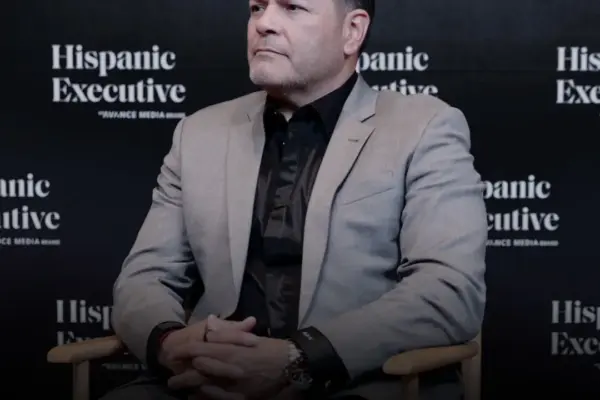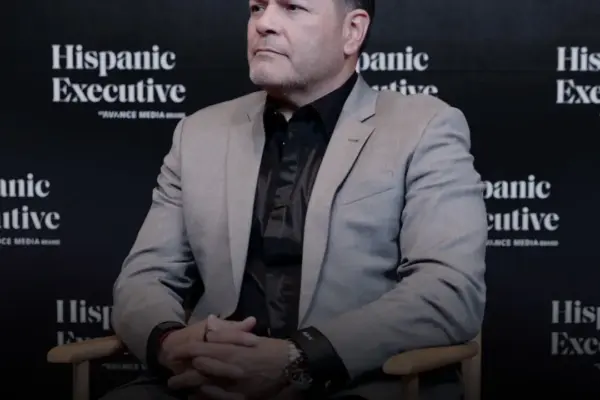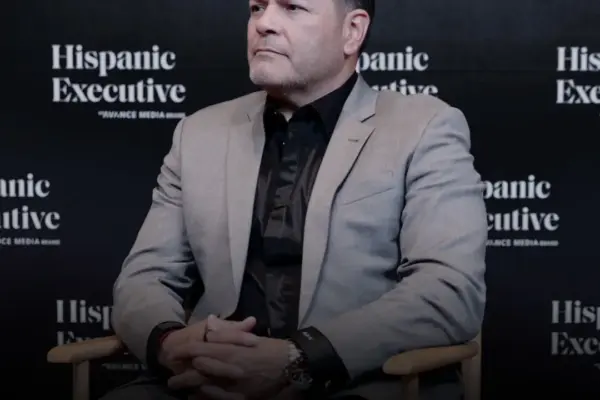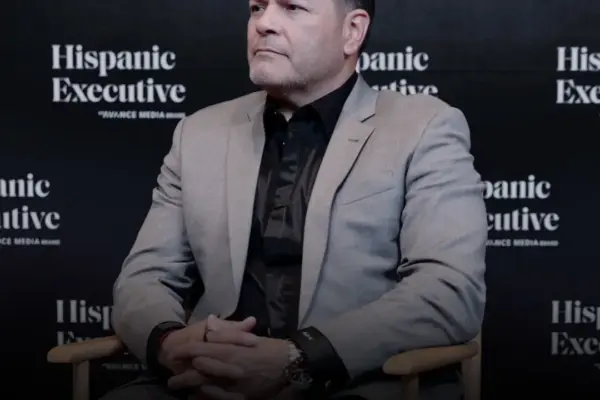











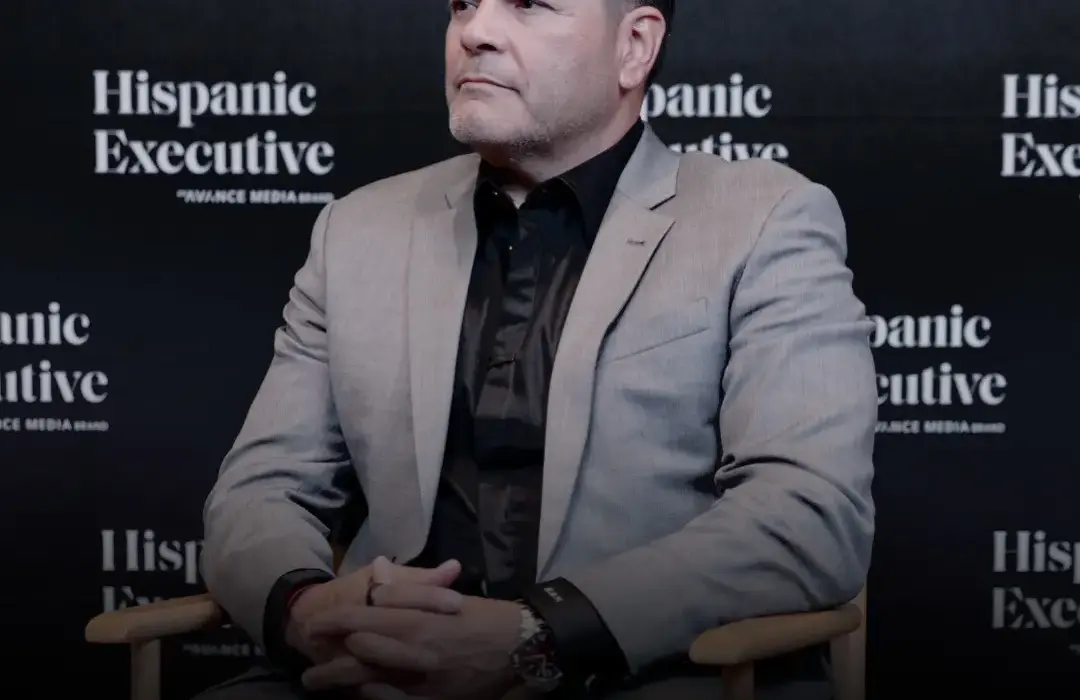
The best guidance Ebetuel “Beto” Pallares ever received came from his father, delivered in two distinct, foundational parts. The first was simple and demanding: work extraordinarily hard, because diligence ultimately pays off. The second was equally strategic: surround yourself with people who are better, smarter, and more capable than you are, because that remains the only genuine way to grow, improve, and evolve.
An accurate explanation of everything Beto Pallares is and does could easily fill volumes. His expansive, cross-sector career spans multiple decades, touching high-stakes venture capital, strategic advisory services, telecommunications, higher education, and dedicated initiatives centered on Latino wealth-building. Today, he channels that vast reservoir of experience into his roles as the executive director of the Hispanic Wealth Project and a general partner at Audaz Capital.
Yet, understanding Pallares often begins with what he actively chooses not to be. If he can possibly help it, he refuses to be the smartest person in the room. Throughout his extensive academic journey, his corporate career, his formative years as a young executive and entrepreneur, and his rigorous doctoral studies, Pallares intentionally sought out environments where he knew without a doubt that he sat among peers who outmatched him intellectually. His self-assigned job in those spaces was remarkably straightforward: find exceptionally smart people and absorb everything possible from them.
As an investor, Pallares has long operated on a version of the classic poker-room philosophy stating that if you cannot spot the sucker at the table within the first half-hour, then you are inevitably the sucker. Pallares is certainly no sucker, but his strategy relies on intentionally surrounding himself with individuals who possess the capacity to make him feel like one.
If he walks into a room and realizes he is the smartest person present, Pallares knows immediately that he is in the wrong room. His stated purpose is to identify brilliant minds and facilitate the capital required to empower them to do what they do best and make a tangible impact.
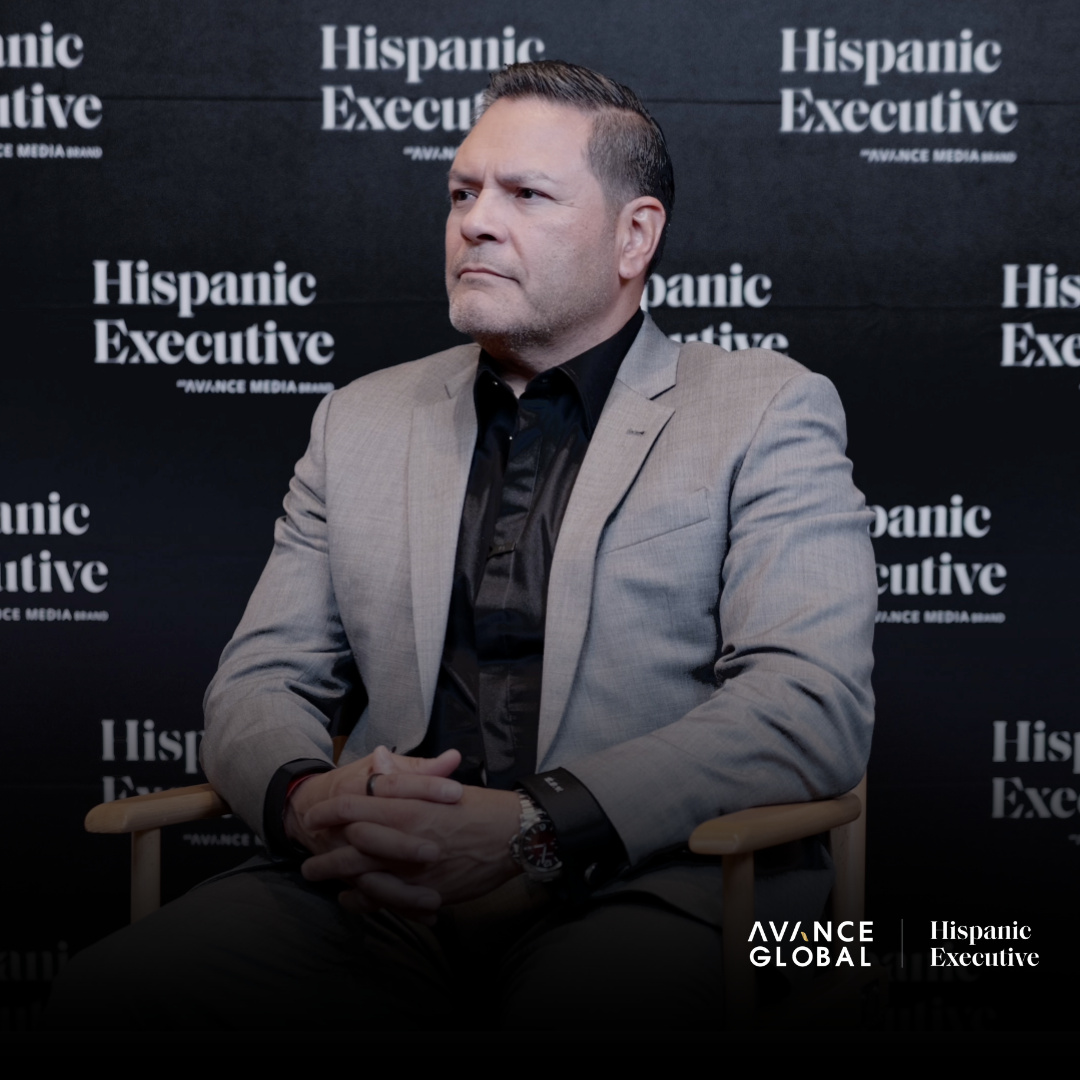
When that rare brand of professional humility merges with a self-admitted difficulty in turning down compelling opportunities, the result is an extensive, multi-faceted résumé that bridges the worlds of business, academia, and nonprofit leadership. It also produces the kind of magnetic, uniting personality that drew large, enthusiastic crowds at AVANCE Global 2026 in Las Vegas. It was at this prominent gathering that Pallares officially unveiled his new book, Rich or King? An Entrepreneurial Journey Blueprint, adding yet another dimension to his lifelong commitment to leadership and enterprise.
Presenting at AVANCE Global provided Pallares with a timely platform to discuss what he views as the critical next step for the Latino community: moving beyond hard-won representation toward the institutionalization of those achievements. Over previous decades, Hispanic leaders, entrepreneurs, and advocates have fought tirelessly to secure visibility and a seat at the table. For Pallares, the imperative now is to lock in those gains so they endure for generations.
When you institutionalize something, Pallares explains, you provide it with a permanent home, a defined structure, and an enduring ethos. This ensures that future generations who were not present at the inception can fully understand what that institution stands for and why it matters.
Looking at organizations like the National Association of Hispanic Real Estate Professionals (NAREP), the Hispanic Wealth Project, and the countless multigenerational family businesses currently emerging across the country, Pallares sees proof of a broader cultural shift. Hispanics are increasingly showing up, establishing formal mechanisms, preserving vital cultural and economic milestones, and permanently naming buildings.
This process of institutionalization, he notes, is the exact reason humanity retains historical knowledge spanning centuries or even millennia. Someone always took the time to institutionalize it, write it down, and construct a physical or organizational home for it.
For Pallares, this philosophy encapsulates the future of Latino leadership. While representation remains an absolute prerequisite, true, lasting change—the kind that people look back on with reverence decades or even centuries later—requires institutionalizing that representation. It is about more than simply making history; it is about helping to write it.