









Over the past decade, a growing wave of entitled tourist behavior has sparked widespread frustration and concern in Mexico and across the broader Latin American region. From demanding that local residents speak English in their own native countries to openly disrespecting deeply rooted cultural traditions and local customs, a subset of visitors—particularly from the United States—have grown increasingly comfortable displaying xenophobic attitudes while traveling abroad. Now, a fresh incident involving an American tourist in Mexico City has gone viral on the social media platform TikTok, capturing widespread attention and reigniting intense, ongoing conversations regarding gentrification, displacement, and cultural friction within the bustling Mexican capital.
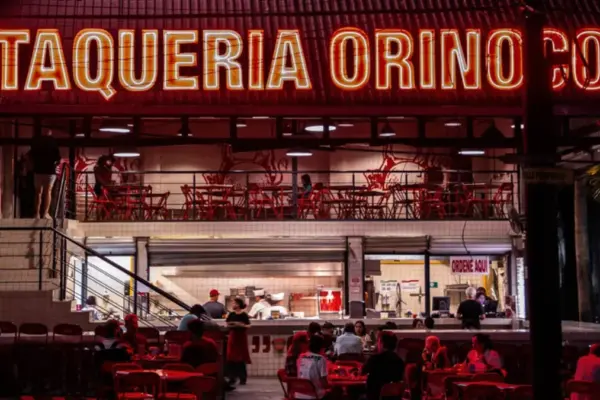
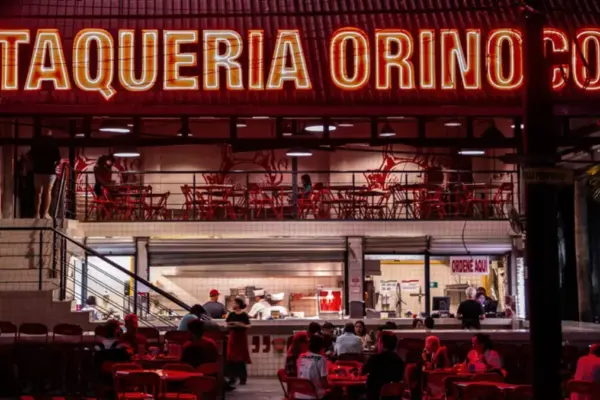
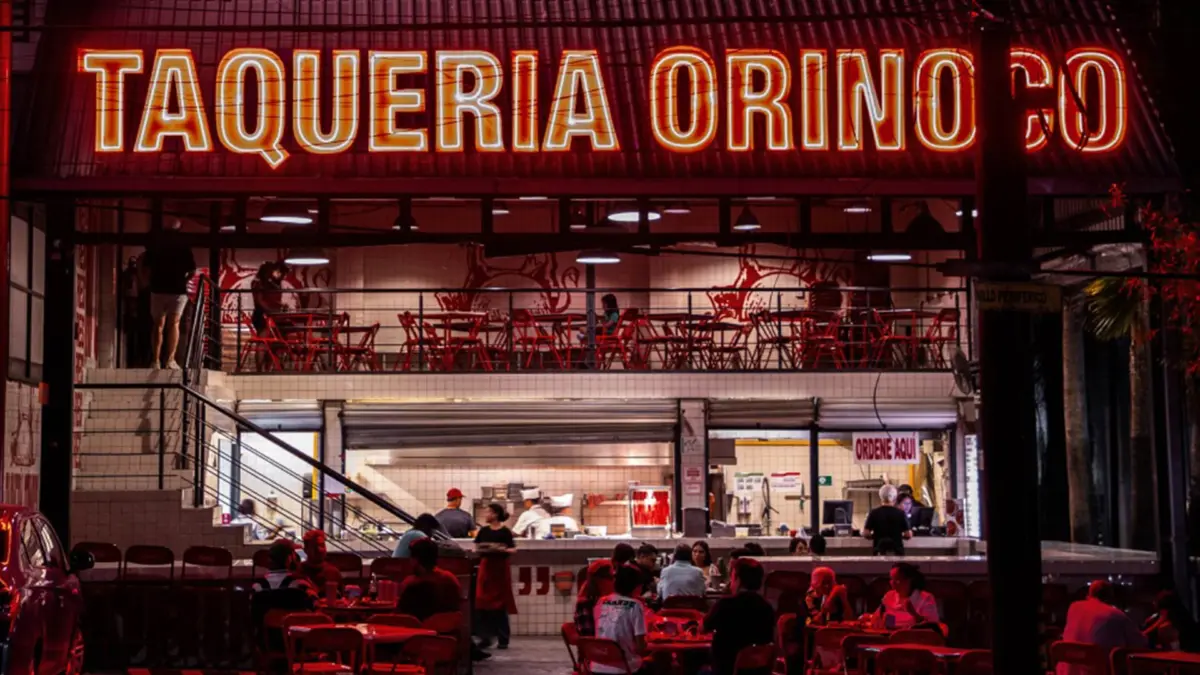
Earlier this week, a local resident named Martin Navarro took to TikTok to publish two detailed videos describing a chaotic and deeply unsettling altercation he witnessed with an American tourist at Taqueria Orinoco, a popular and vibrant eatery in Mexico City. According to Navarro’s accounts on the platform, the woman, who appeared to be visibly intoxicated, demanded that the restaurant staff assist her by calling a taxi. When the employees politely refused or were unable to immediately fulfill her demand, the situation quickly escalated. The tourist allegedly grew aggressive, hostile, and physical, culminating in her striking a waitress who was attempting to do her job.
Navarro stated that he felt compelled to intervene in the escalating dispute to protect the restaurant staff. In response to his intervention, the tourist turned her aggression toward him, physically throwing his tacos at him in a fit of rage. Beyond the physical confrontation, Navarro reported that the woman repeatedly harassed the staff by interrogating them about how much money they were paid, weaponizing their local wages in a derogatory manner, and utilizing explicit xenophobic slurs against the Mexican workers.
Despite the shocking nature of the incident, Navarro shared in his viral videos that he ultimately decided against pressing formal criminal charges against the tourist. He explained that navigating the legal and bureaucratic process would simply be too overwhelming and taxing for him to pursue under the circumstances. Nevertheless, the digital footprint of the altercation was already cemented. The videos quickly spread across social media, striking a nerve and reigniting fierce public discourse concerning the behavior of entitled foreign visitors and the broader, more complex socioeconomic impacts of gentrification in Mexico City.
The viral incident has opened the floodgates for online commentary, with hundreds of social media users sharing their own frustrations, observations, and personal grievances. Reflecting the widespread sentiment online, one TikTok user wrote in the comments section of Navarro’s post that all the videos they had encountered showcasing Americans in Mexico City consistently depicted them behaving disrespectfully toward local residents. Another user chimed in with a pointed critique of the economic dynamics driving migration and tourism, commenting that these visitors are quick to inquire about local wages and how much people make, yet they are invariably the first to relocate to or vacation in Mexico because the cost of living is substantially less expensive, allowing them to live comfortably and act as though they rule the place.
This latest social media firestorm does not exist in a vacuum. In recent years, Mexico City has witnessed several notable protests and public demonstrations directed squarely against the pressures of gentrification. These community-led movements have been fueled by a convergence of mounting socioeconomic challenges, including incidents of cultural disrespect and xenophobia like the one at Taqueria Orinoco, alongside skyrocketing inflation, soaring housing costs, and the gradual displacement of longtime local residents who find themselves increasingly priced out of their own neighborhoods.
In response to these compounding pressures, a growing segment of the local population is calling for municipal authorities to institute stricter regulations, restrictions, or direct accountability measures against entitled visitors whose actions disrupt daily life and disrespect the local culture. While community advocates and residents continuously hope for positive shifts in tourism culture and mutual respect, the phenomenon of disrespectful and entitled tourist behavior continues to present a persistent and escalating challenge across various destinations throughout Latin America.