





He arrived at Club América more than twenty-five years ago as an ambitious young forward with dreams of making his mark in professional association football. Life and the sheer demands of the sport, however, would eventually lead him somewhere entirely different—and far more historic. Over the course of a legendary career, Francisco Guillermo "Memo" Ochoa evolved into, arguably, the most important Mexican goalkeeper in the history of the sport, carrying the hopes of a football-obsessed nation across global stages and domestic leagues alike.
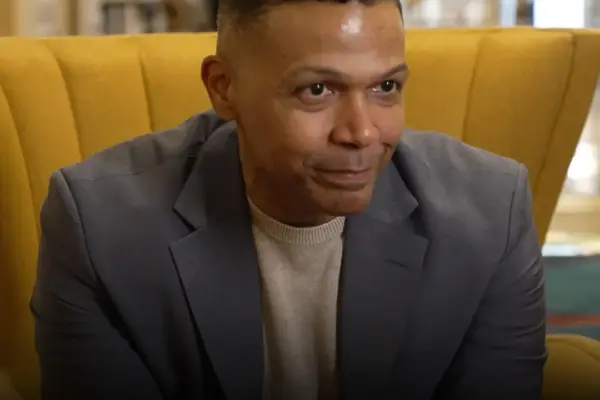
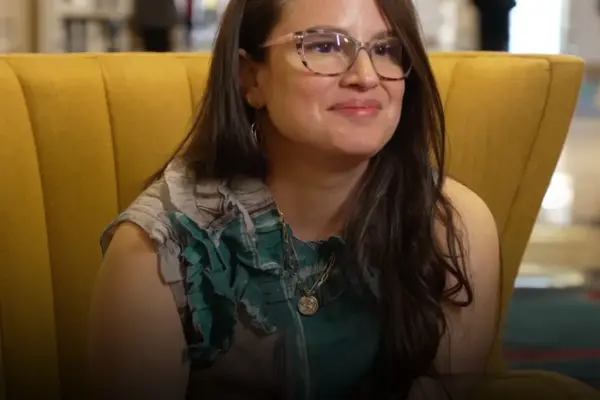
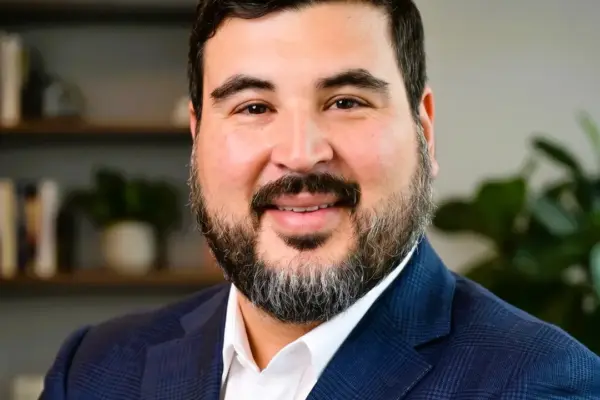
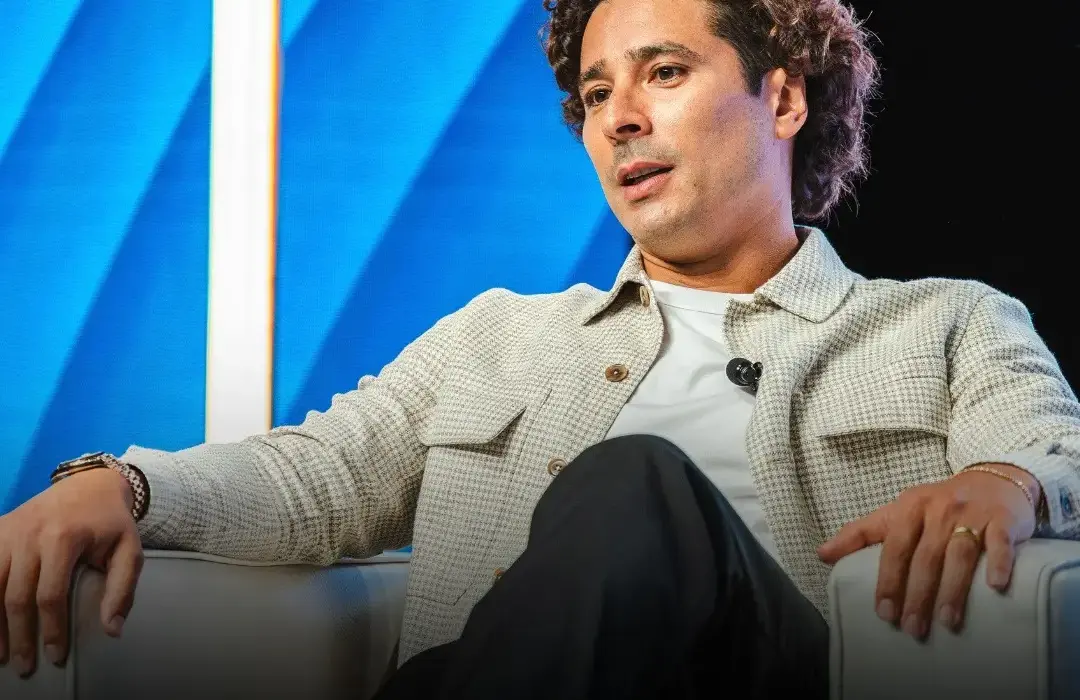
Following a whirlwind summer playing in his sixth and final FIFA World Cup—perhaps his most meaningful tournament yet, competed in front of a roaring, passionate home crowd at the historic Estadio Azteca—Memo Ochoa sat down for an exclusive interview with The Latino Majority at the AVANCE Global 2026 conference in Las Vegas. The conversation offered a rare, reflective look at a player transitioning away from the intense spotlight of professional athletics toward a future defined by entrepreneurship, mentorship, and enduring community impact.
For decades, the immense pressure of standing between the goalposts taught Ochoa lessons that extended far beyond athletic competition. In a position where a single miscalculation can turn a player from a national hero into a scapegoat, he learned early on that mistakes are not only inevitable, but fundamentally necessary for growth.
"You have to learn from mistakes, learn to live with them, and get back up the next day," Ochoa shared during the panel discussion. "You start from zero. As the years go by, you learn how to let them go and not carry that weight with you."
That resilience became the hallmark of his career, enabling him to withstand punishing schedules, high-stakes international matches, and the relentless scrutiny of fans and media. Yet, throughout the highs and lows, one constant remained: the unbreakable bond between soccer and the Latino community, particularly within the United States.
In the American cultural landscape, soccer serves as a powerful bridge connecting immigrants and diaspora communities to their homelands. A team jersey—whether bearing the colors of Club América, Chivas de Guadalajara, or Cruz Azul—carries the identity, heritage, and nostalgia of millions of Latinos living far from their places of birth. That same community has served as a foundational pillar of Ochoa’s professional journey, showing up for him in stadiums across the globe and offering unwavering support through every career milestone.
"Now, as I reach the end of my career, I’ve tried, and will continue trying, to give some of that affection back by helping, finding ways to be closer to them, and seeing how we can support communities here in the United States," Ochoa reflected, highlighting his deep appreciation for the fans who championed him for over two decades.
However, life for a professional athlete must eventually extend far beyond the pitch. After spending a lifetime oscillating between the role of the hero celebrated before a roaring stadium and the villain scrutinized after a difficult match, what ultimately remains is what happens when the final whistle blows. Ochoa has been quietly preparing for that definitive chapter for quite some time, stepping into the world of entrepreneurship and learning how to play entirely new games—this time, without a ball at his feet, or rather, securely in his hands.
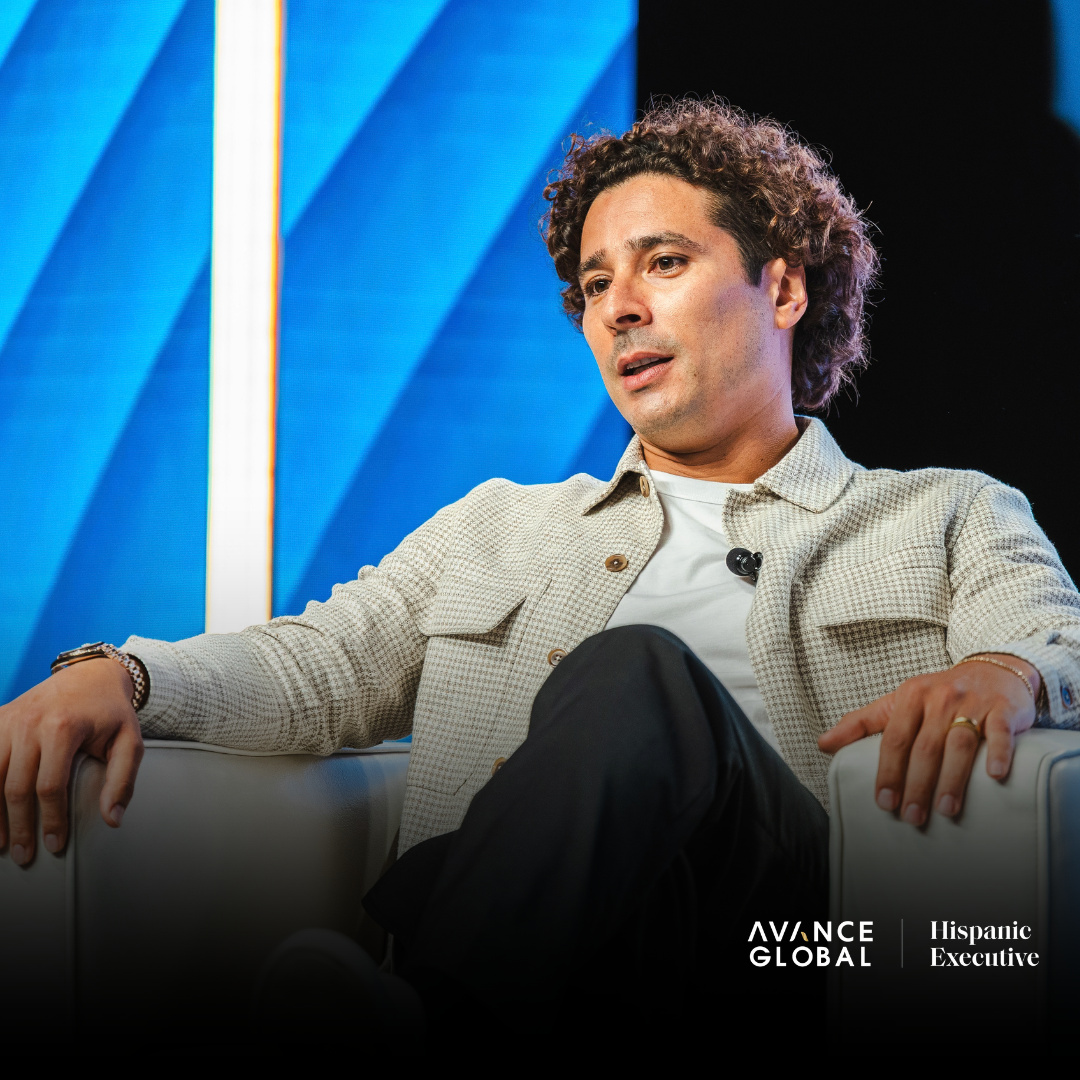
"It’s something I started building a while ago, preparing for life after my career and looking for different types of investments," he explained, signaling a strategic shift toward business ventures designed to create sustainable, long-term value.
Among those forward-looking initiatives is One Sport, a project that initiates its work on the athletic field but aims to reach far beyond the boundaries of traditional sports entertainment. The venture addresses a critical gap in athletic development and youth support, particularly for underserved populations who lack access to structured pathways and institutional visibility.
"So much attention goes to professional soccer, but underneath it there is a huge community of kids who play and sometimes don’t have the opportunity to be seen," Ochoa noted. "They don’t have a clear path if they want to become professionals someday."
For Ochoa, however, true success within the framework of this initiative is not strictly defined by producing the next generation of professional soccer superstars. Instead, the mission is profoundly human and pragmatic.
"Everyone wants to go pro. Not everyone will," he acknowledged with characteristic realism. "Pero si ayudas a un muchacho que a lo mejor andaría en la calle… o lo ayudas a encausarlo hacia un trabajo serio, bueno, eso ya es una historia de éxito." (If you help a kid who might otherwise be out on the street… or help them get on a path toward a serious job, well, that’s already a success story.)
That philosophy encapsulates where Ochoa finds himself in this new chapter of his life: reflective, mature, and deeply grateful. Records in professional sports, after all, are inherently temporary and meant to be broken. Someday in the future, another talented Mexican goalkeeper may emerge to play not six, but seven World Cups, or achieve unprecedented success with some of Europe’s most elite clubs.
Recognizing the transient nature of statistical milestones, Ochoa’s focus today rests firmly on something far more enduring than numbers: his legacy as a human being.
"The same thing I did as a player: leave a legacy," Ochoa concluded. "Now, as a person, I want to leave a legacy through sports, something that, someday, people can remember me for: as someone who helped through sports, who tried to improve society and the community—or at least tried to."