










For an entire generation of television viewers, the long-running animated series Arthur was far more than a simple cartoon about a bespectacled aardvark and his diverse circle of friends. Based on the beloved book series by Marc Brown, the show established a familiar, comforting little world that resonated with millions of children growing up around the turn of the millennium. It was a neighborhood where everyday childhood triumphs and tribulations played out against the backdrop of Elwood City, a fictional municipality that slowly evolved to mirror the actual demographic and cultural shifts happening across North America.
That commitment to reflecting a changing world took a significant step forward in 2001, when the series made deliberate room for a brand-new family moving in right next door to the Read household.
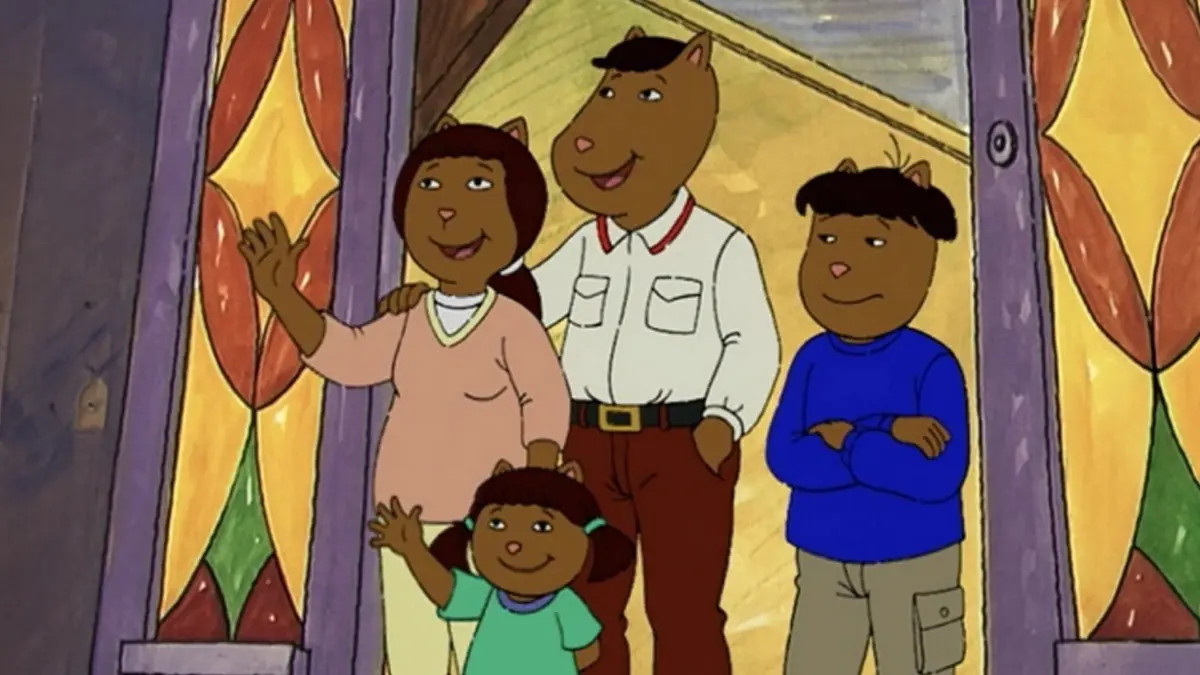
In the landmark episode titled "Arthur and Los Vecinos," the titular character meets the Molinas, a vibrant family originally from Ecuador who inject fresh energy and cultural depth into the Elwood City landscape. The household consists of Mr. Ramón and Mrs. Molina, their 13-year-old son Alberto, their lively 3-year-old daughter Vicita, and the family dog, Amigo. Their arrival in the neighborhood does not merely introduce background characters; it sets the stage for an authentic, sustained cross-cultural exchange that allows Arthur and his family an opportunity to bridge the gap between old routines and new friendships.
The Molinas arrive with established lives, distinct careers, and everyday routines that immediately enrich the fabric of the community. Mr. Molina can be found running Cafe con Leche, a local establishment that adds flavor to the neighborhood, while Mrs. Molina shares her passion and talent by teaching dance classes down at the community center. When Arthur’s family visits to welcome them to the area, the interaction steers clear of heavy-handed didacticism. Instead, it unfolds as a warm, organic introduction—not a grand, preachy lesson from an authority figure, but rather neighbors simply opening their front doors and making genuine room for one another in their daily lives.
This deliberate approach to neighborly integration extended into minor details that nonetheless resonated with viewers attuned to cultural nuance. Even the family pets get involved in the cultural exchange. Amigo, the Molinas’ dog, shares a memorable moment with Arthur’s beloved pet, Pal, in a subtle yet delightful interaction that highlights a linguistic and cultural difference: as it turns out, Latine dogs in this animated universe say "guau" rather than the traditional English "woof."
While the Molinas first step onto the screen in "Arthur and Los Vecinos," their presence in Elwood City is not relegated to a one-time gimmick or a fleeting cameo appearance. The family returns in several later episodes throughout the series’ run, becoming integrated members of the Elwood City ensemble in stories such as "Dear Adil" and "Dancing Fools." By embedding the Molinas into the broader narrative arc of the show, the creators ensured that their presence felt permanent, natural, and woven into the very fabric of the community rather than treated as an isolated multicultural checkpoint.
Alberto’s storyline, in particular, continues to develop well beyond that initial moving-in day. The teenage character possesses a prized possession: a soccer ball he calls "El Boomerang," which carries the authentic autograph of a fictional Ecuadorian soccer player named Juan-Carlos Salamanca. This detail anchors Alberto in specific, relatable childhood hobbies while honoring his family’s heritage.
That cultural identity and critical thinking are tested and displayed further in the subsequent episode "Dear Adil," where Alberto challenges Arthur to think more deeply and critically about cultural stereotypes. The plot is set into motion after Arthur reads a comic book featuring a simplistic, generalized depiction of a golden Mayan temple located in Ecuador. Rather than letting the inaccurate trope slide, Alberto speaks up, prompting a thoughtful dialogue about media representation, historical accuracy, and the importance of how different cultures are portrayed to young audiences.
These layered narrative choices ensure that the Molinas are characterized by much more than a superficial cameo. They are portrayed as a complete family unit possessing their own distinct interests, demanding careers, household humor, and unique generational perspectives. Crucially, Alberto is given the agency and voice to speak up when a media portrayal gets something wrong, modeling a constructive way for young viewers to engage with the media they consume. For many viewers who grew up watching the series and those revisiting Arthur years later through an adult lens, that specific caliber of thoughtful, respectful representation remains profoundly worth remembering and celebrating.
Reporting by Anna Ortega.