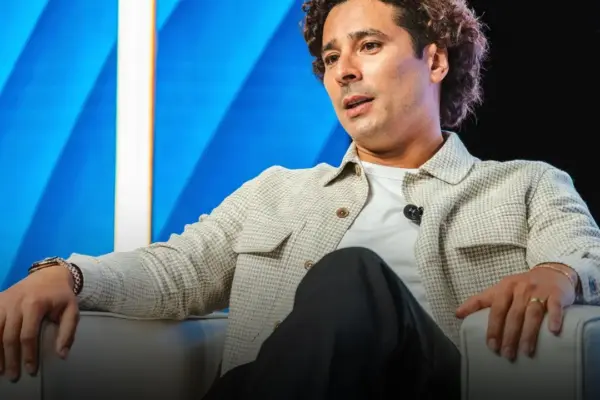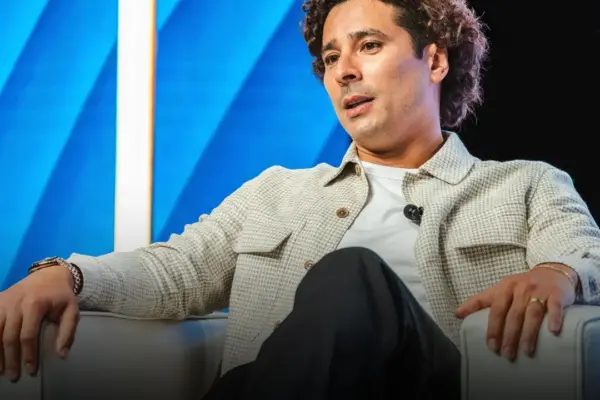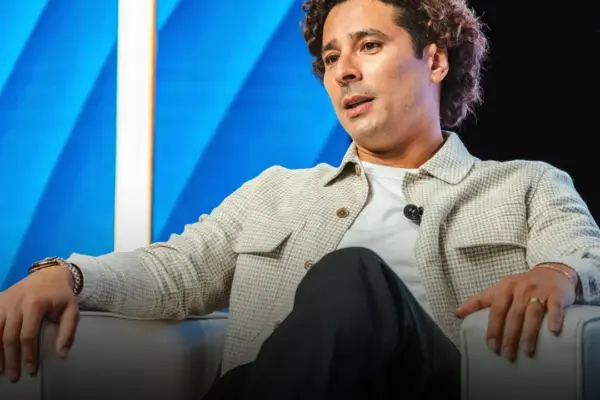







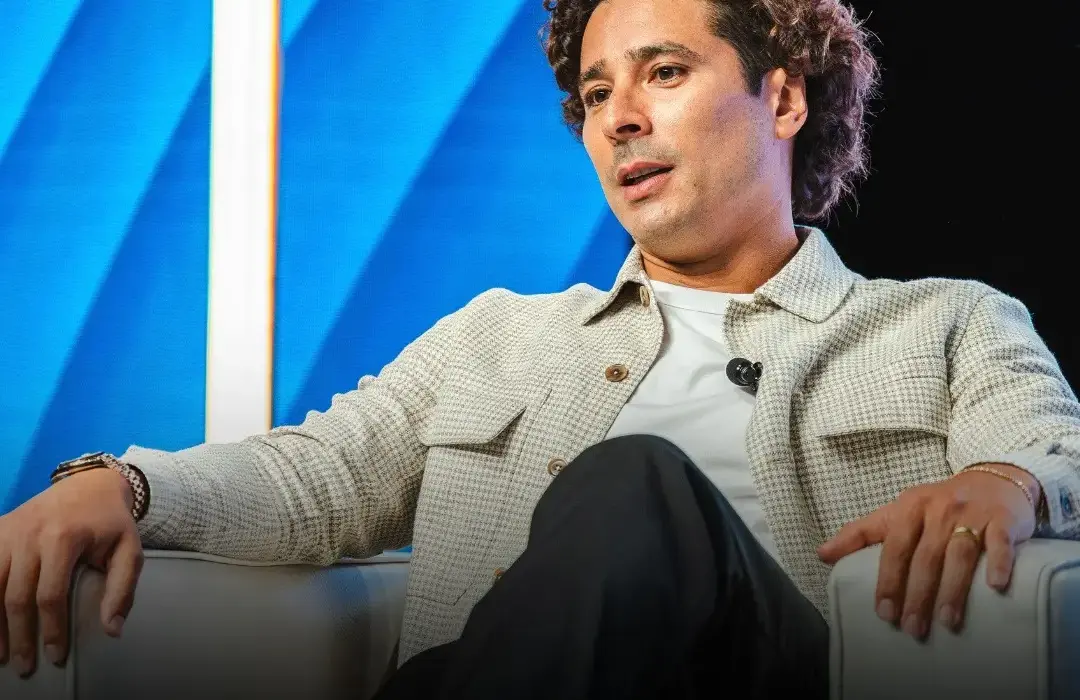
He arrived at Club América more than twenty-five years ago as an ambitious young forward, harboring dreams of scoring goals and making a name for himself in professional Mexican football. Life, however, would eventually lead him somewhere entirely different—and far more historic. Francisco Guillermo "Memo" Ochoa would go on to become, arguably, the most important Mexican goalkeeper in the history of the sport, redefining what it meant to stand between the posts for both club and country.
Following a whirlwind summer playing in his sixth and final World Cup—perhaps his most meaningful tournament yet, experienced in front of a roaring home crowd at the historic Estadio Azteca—Memo Ochoa sat down with The Latino Majority at AVANCE Global 2026 in Las Vegas. Dressed casually yet maintaining the poise of a seasoned captain, Ochoa reflected on a legendary career that has spanned decades, continents, and cultural milestones, while casting his gaze toward an ambitious and impactful future off the pitch.
Throughout his storied career, the immense pressure of standing as the last line of defense taught him profound lessons about resilience. In the high-stakes world of professional football, mistakes are not merely possible; they are inevitable. But for Ochoa, more than being inevitable, those moments of failure are entirely necessary for growth.
"You have to learn from mistakes, learn to live with them, and get back up the next day," Ochoa shared during the panel discussion at AVANCE Global 2026. "You start from zero. As the years go by, you learn how to let them go and not carry that weight with you."
That mental fortitude carried him through unforgettable nights in Europe, high-pressure CONCACAF tournaments, and global stages where the hopes of millions of fans rested squarely on his gloved hands. But soccer, particularly for the Latino community in the United States, is about much more than ninety minutes on a television screen or a scoreboard. It is a powerful conduit for identity, heritage, and nostalgia.
The bond between soccer and the Latino community in the United States is profound and difficult to separate. A jersey—whether it bears the crest of América, Chivas, Cruz Azul, or the Mexican national team—carries the weight of home, history, and shared culture for millions of families living abroad. That same community has been a fundamental, driving pillar throughout Ochoa’s long career, offering unwavering support through every triumph and heartbreak.
"Now, as I reach the end of my career, I’ve tried, and will continue trying, to give some of that affection back by helping, finding ways to be closer to them, and seeing how we can support communities here in the United States," Ochoa explained.
Yet, as every professional athlete eventually discovers, life extends far beyond the confines of the soccer pitch. After years of being the celebrated hero before a roaring stadium or, at times, bearing the unfair brunt of criticism after a tough loss, what truly remains is what happens after the final whistle blows on a playing career. Ochoa has been preparing for that inevitable chapter for some time, transitioning into the world of entrepreneurship and stepping onto a new playing field—this time, without a ball at his feet, or rather, in his hands.
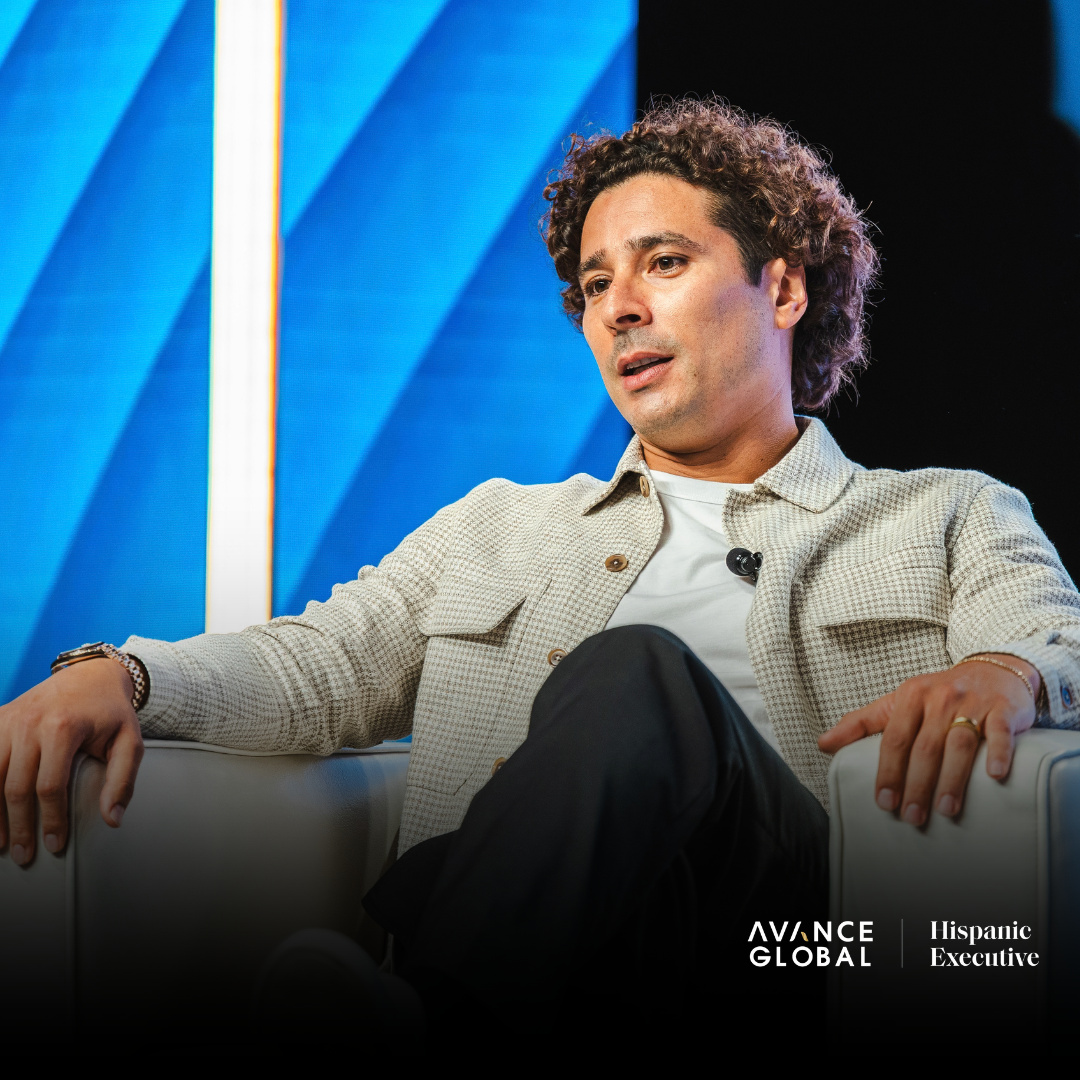
"It’s something I started building a while ago, preparing for life after my career and looking for different types of investments," he noted, discussing his shift toward business and social impact ventures.
Among those ventures is One Sport, an initiative that begins on the athletic field but aims to reach far beyond the traditional boundaries of sports entertainment. For Ochoa, the project stems from a deep-seated observation about the vast ecosystem of youth sports that often goes unnoticed by the mainstream media and professional talent scouts.
"So much attention goes to professional soccer, but underneath it there is a huge community of kids who play and sometimes don’t have the opportunity to be seen," Ochoa said. "They don’t have a clear path if they want to become professionals someday."
For Ochoa, however, redefining success does not necessarily mean measuring an initiative’s value solely by whether it produces the next generation of professional soccer superstars. The reality of professional sports is stark, and the pyramid is ruthlessly narrow.
"Everyone wants to go pro. Not everyone will," Ochoa reflected with characteristic pragmatism. "Pero if you help a kid who might otherwise be out on the street, or help them get on a path toward a serious job, well, that’s already a success story."
That philosophy captures where Memo Ochoa finds himself in this new chapter of his life: reflective, mature, and deeply grateful. Records, after all, are inherently meant to be broken. Someday in the future, another talented Mexican goalkeeper may emerge to play not six, but seven World Cups, or conquer even more of Europe’s most prestigious clubs. Knowing this, Ochoa’s primary focus today lies far beyond statistical milestones and tournament appearances. His focus is squarely on legacy.
"The same thing I did as a player: leave a legacy," Ochoa concluded. "Now, as a person, I want to leave a legacy through sports, something that, someday, people can remember me for: as someone who helped through sports, who tried to improve society and the community—or at least tried to."