



Beauty lovers and consumers have access to more beauty information today than at any other point in history. The modern landscape is flooded with TikTok tutorials, Get Ready With Me (GRWM) reels, dermatologists and estheticians sharing diagnostic insights on Instagram, professional makeup artists breaking down advanced techniques, celebrity beauty brand founders, and digital influencers offering an endless stream of product recommendations. Yet, this unprecedented abundance of digital content has brought a new set of challenges: consumer fatigue, pervasive skepticism, and a growing inability to distinguish between genuine professional expertise and viral marketing gimmicks.
In response to this shifting cultural and commercial climate, this year’s BeautyCon is undergoing a significant transformation. Rather than positioning itself as a conventional trade show or standard influencer convention, the event is being marketed as BeautyCon University. Scheduled as a high-profile, one-day event in Los Angeles on September 19, the convention is leaning heavily into formal education, structured learning, and institutional critique. Instead of the typical chaotic exhibition floors of the past, attendees are being promised masterclasses, creator-led conversations, immersive brand activations, and insider knowledge that organizers claim cannot be found simply scrolling through a social media For You page.
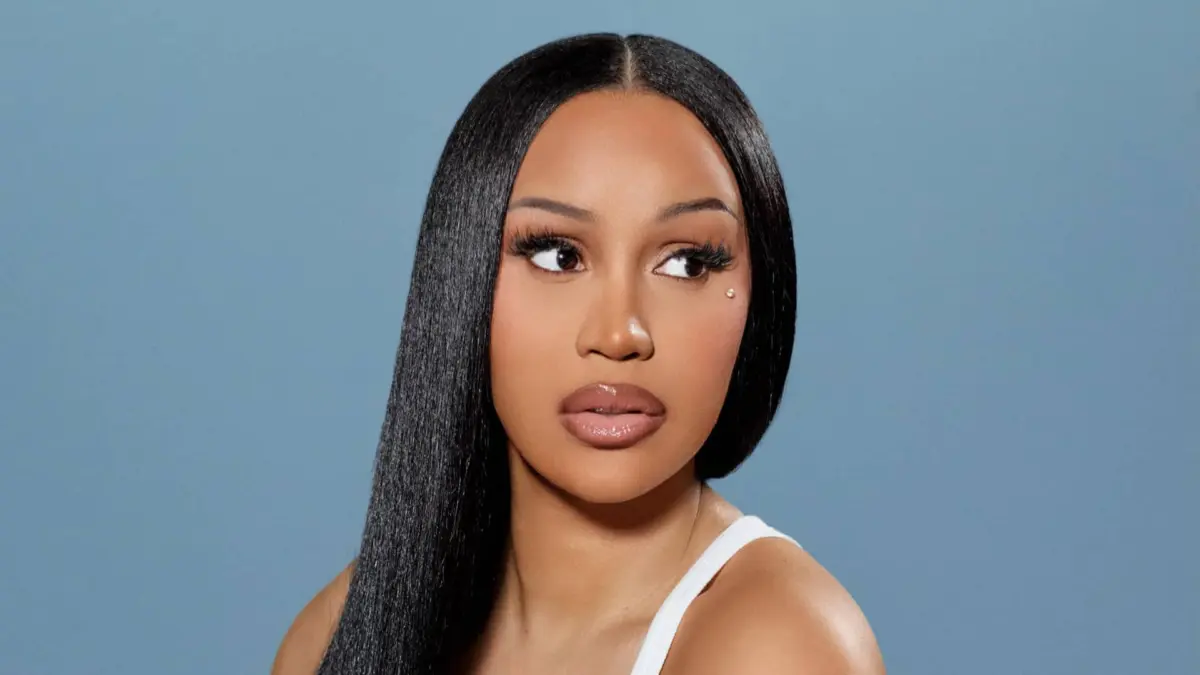
The event is designed to function as a comprehensive crash course in modern beauty culture, complete with an unexpected roster of high-profile "professors" leading the curriculum. Among the headliners are cultural icons and entrepreneurs such as Keke Palmer and Cardi B, who are stepping into educational roles to share insights derived from their respective careers and business ventures.
This dramatic repositioning naturally raises larger questions about the current state of beauty culture. Observers within the industry are left wondering whether BeautyCon’s academic pivot represents a genuine, lasting cultural shift away from superficial "influencer" beauty culture and back toward verified expertise, technical mastery, and foundational knowledge. Social media has undeniably democratized the beauty space, making it easy for anyone with a ring light and a smartphone to appear like an authority. However, BeautyCon University’s laser-like focus on structured learning suggests a collective cultural craving for substance, depth, and accountability in an otherwise saturated digital ecosystem.
The sheer volume of digital noise makes it increasingly difficult for average consumers to separate marketing hype from reality. Recognizing this tension, BeautyCon is also partnering with Curly Con LA to expand its programmatic scope. Organizers note that this collaboration aims to enrich the curriculum with even more creators, critical conversations, and a vibrant community dedicated to celebrating the full spectrum of hair and beauty. To reinforce the academic theme, the event’s curriculum has been meticulously broken down into five essential courses: The Art of Beauty, The Business of Beauty, The History of Beauty, The Science of Beauty, and Beauty and Wellbeing. BeautyCon is actively encouraging attendees to treat these categories as their official syllabus for the upcoming season, urging them to arrive prepared with fresh notebooks and favorite pens to absorb the knowledge being dropped by industry leaders.
Those attending the Los Angeles event will have access to a robust slate of programming. Highlights include an advanced masterclass in technique led by Beyoncé’s longtime makeup artist, Sir John, who will deconstruct red-carpet applications and professional artistry. Meanwhile, Cardi B is stepping up to lead a hands-on haircare masterclass directly tied to her emerging Grow-Good Beauty brand, offering participants a look into her personal formulation and development process. Expanding the academic illusion even further, Keke Palmer will double as the university’s official fitness instructor, leading a one-hour mat Pilates class designed to integrate physical wellbeing into the broader beauty curriculum.
Still, industry veterans and observant consumers approach the event with a healthy dose of academic rigor. Experts suggest that attendees should come prepared not just to take aesthetic notes and capture social media content, but to critically engage with the panels and ask the difficult questions necessary to map out where beauty culture is truly headed. As the industry navigates this crossroads, several fundamental questions stand out as vital conversation starters for anyone navigating the modern beauty landscape.
Cardi B’s presence at BeautyCon highlights a broader evolution in celebrity-brand relations. She is not merely lending her name, image, or likeness to a pre-packaged product line; she is taking an active, hands-on leadership role in a haircare masterclass centered on her Grow-Good Beauty brand and the lessons she has accumulated throughout her own rigorous hair care journey. In previous years, celebrity endorsements relied heavily on passive association. Today, however, celebrities are increasingly stepping into the role of dedicated founders, launching brands inspired by their own intimate, sometimes tumultuous relationships with beauty, hair, and skincare. Through the development of Grow-Good, Cardi has been forced to educate herself beyond marketing, learning the intricate realities of cosmetic ingredients, formulation chemistry, and product development. Her haircare narrative is also deeply rooted in traditional Dominican beauty practices and remedies—remedies she frequently relied on while attempting to repair her own heat-damaged curls. This background raises critical inquiries regarding authenticity, formulation integrity, and the extent to which celebrity-led brands are grounded in actual scientific or cultural research rather than mere commercial opportunism.
Concurrently, the broader beauty and hair care sectors have made substantial progress in addressing hair inclusivity, particularly concerning textured hair and the unique needs of Black women. Legislative milestones such as The Crown Act and the recent implementation of New York Senate S6528A—commonly known as the Textured Hair Education Law, first introduced in 2023—have fundamentally altered professional standards. This newly enacted law legally mandates that all cosmetology students in New York State receive formal education on how to properly cut, treat, and style textured hair. With Curly Con integrated directly into the core programming of BeautyCon University, critics and consumers alike are pressing for deeper accountability. Industry stakeholders are asking whether brands are genuinely developing a sophisticated understanding of textured hair, or if they are simply engaging in superficial trend-marketing. The core question remains whether the broader beauty industry is finally transitioning beyond basic representation and moving toward true, systemic product innovation of the caliber seen in emerging lines like Cardi’s.
This push for authenticity occurs against a backdrop of aggressive consumer marketing. Modern beauty consumers are bombarded with an overwhelming array of trends, ingredients, and treatments, ranging from skin cycling, peptides, exosomes, and growth factors to red-light therapy, skin barrier repair, specialized scalp care, supplement culture, aesthetic dermatology, and at-home technological devices. The sheer volume of choices leaves many wondering whether consumers are genuinely becoming more sophisticated and knowledgeable about what they purchase, or if they are simply being subjected to increasingly sophisticated forms of consumer overwhelm.
The democratization of information via social media has also muddied the waters of authority. BeautyCon’s historical programming has consistently emphasized inclusivity, diversity, and the intentional challenge of rigid, mainstream beauty standards. However, in an era where millions of internet users claim the title of "beauty expert," determining whose knowledge carries legitimate weight has become a complex puzzle. Attendees and industry analysts are questioning where true authority lies in the modern landscape. Should consumers look exclusively to licensed estheticians, professional makeup artists, board-certified dermatologists, plastic surgeons, and professional hairstylists, or has the digital age permanently expanded the definition of expertise to include self-made beauty brand founders and digital creators?
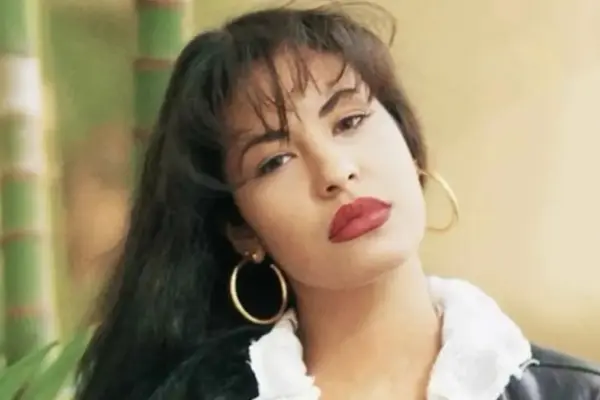
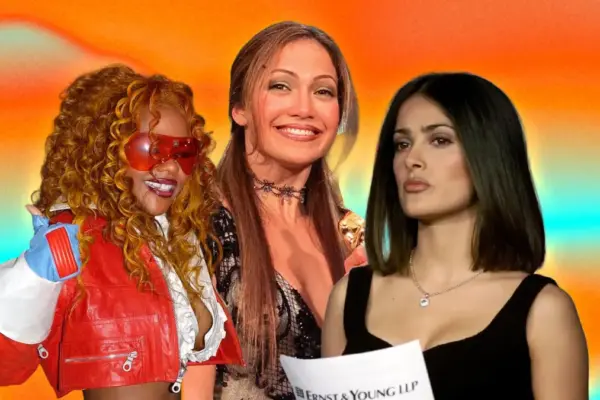
Adding further cultural depth to the Los Angeles event, Refinery29’s Somos platform is scheduled to host an immersive installation designed to showcase how iconic Latina beauty traditions have profoundly shaped Los Angeles culture, style, and socio-political history, tracing lineage from the historic Pachucas to the chola aesthetic of the 20th century. This installation prompts a timely cultural inquiry: Are we finally entering an era where Latina beauty traditions are respected and recognized for their deep historical roots, profound influence, and inherent expertise, rather than being commodified as short-lived social media micro-trends? Furthermore, as Latina beauty aesthetics continue to dominate the mainstream, observers are asking who ultimately receives the cultural and financial credit.
As BeautyCon University opens its doors in Los Angeles, these complex questions serve as the unofficial syllabus for an industry desperately trying to define its next chapter. Whether the event succeeds in permanently shifting the needle away from viral superficiality and back toward substantive education remains to be seen, but the conversation itself signals a clear demand for deeper accountability, historical respect, and genuine expertise in the beauty space.