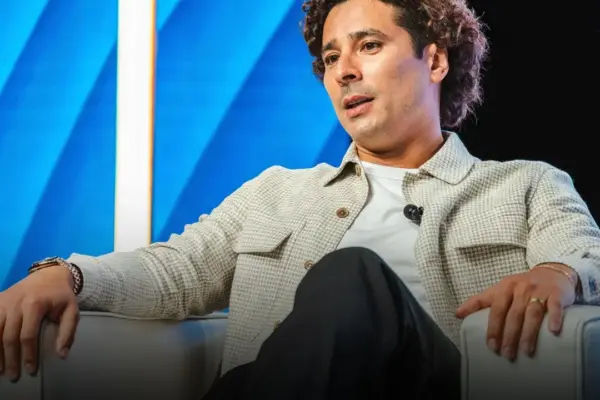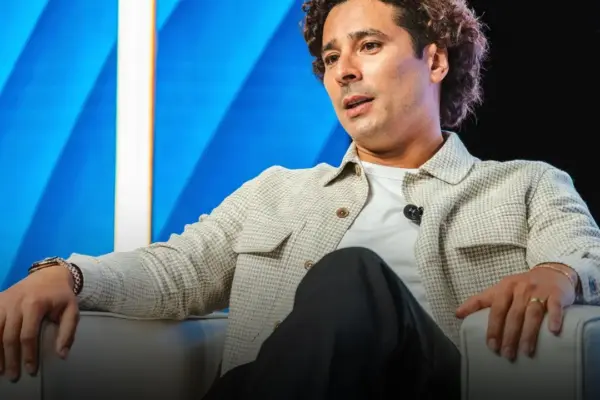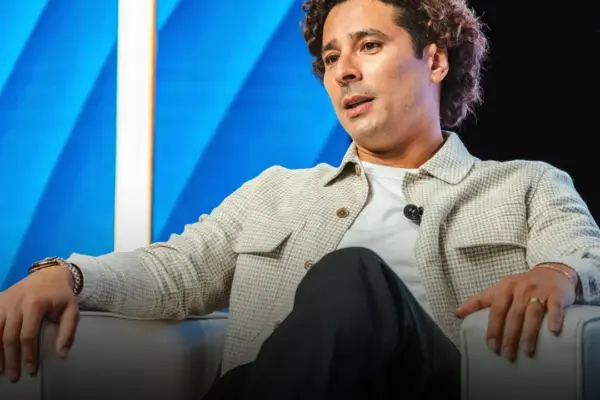



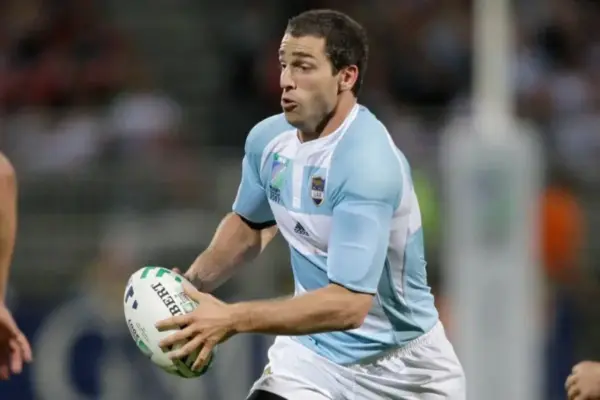



He arrived at Club América more than twenty-five years ago as an ambitious young forward with dreams of making his mark in professional football. Life, however, would eventually lead him somewhere entirely different—and far more historic. Francisco Guillermo "Memo" Ochoa would go on to establish himself as, arguably, the most important Mexican goalkeeper in history, anchoring the national team through decades of international competition and representing his country on soccer’s grandest stages.
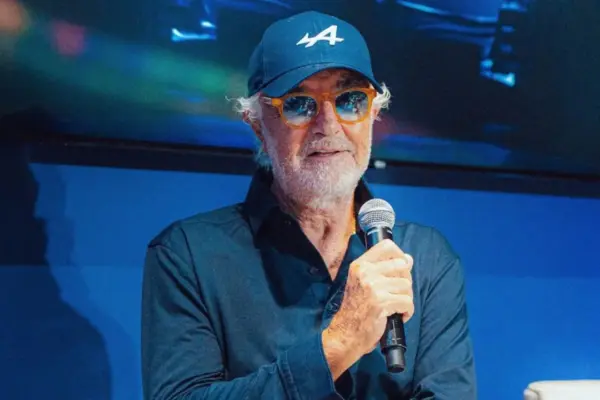
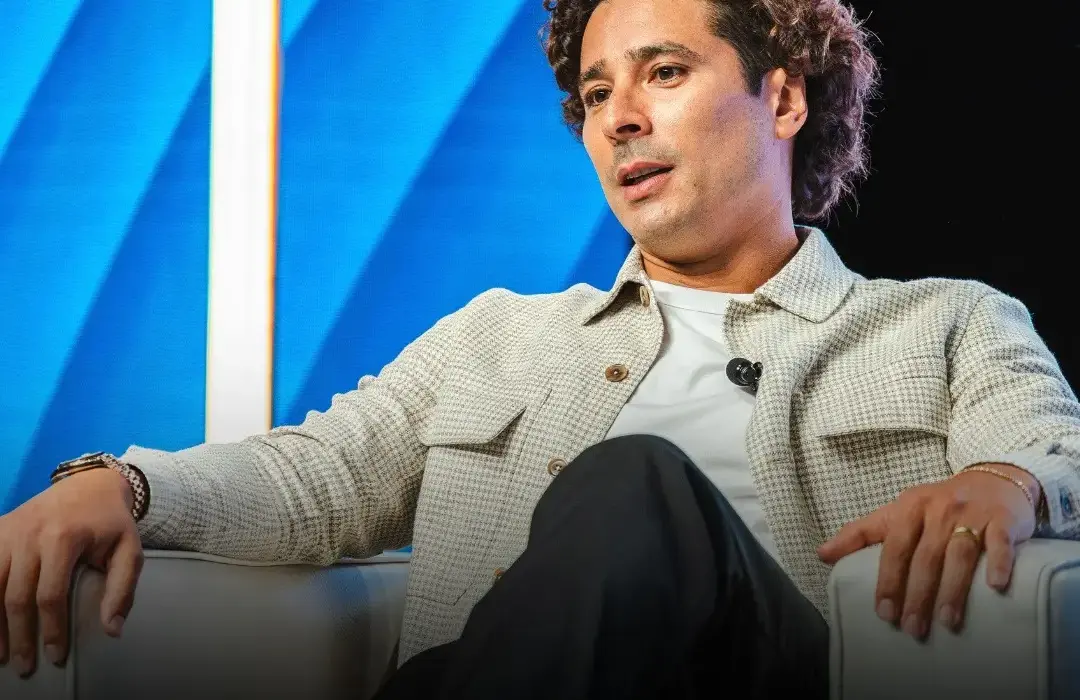
Following a whirlwind summer playing in his sixth and final World Cup—perhaps his most meaningful tournament yet, experienced in front of a passionate home crowd at the historic Estadio Azteca—Memo Ochoa sat down with The Latino Majority at AVANCE Global 2026 in Las Vegas. Far from the roaring stadiums and the intense scrutiny of professional play, Ochoa offered a reflective, mature perspective on a legendary career, the inevitability of failure, and the transition into a new chapter focused on entrepreneurship and community legacy.
The Weight of the Goal and the Power of Resilience
Standing between the goalposts at the highest levels of international and club soccer exposes a player to a unique brand of pressure. Every mistake is scrutinized by millions, analyzed on television, and permanently etched into sports history. For Ochoa, weathering that relentless storm taught him a fundamental lesson: mistakes are not only inevitable, but they are also deeply necessary for growth.
"You have to learn from mistakes, learn to live with them, and get back up the next day," Ochoa shared during the discussion. "You start from zero. As the years go by, you learn how to let them go and not carry that weight with you."
That psychological resilience became the bedrock of his career. Whether facing down elite strikers in Europe’s top leagues or making miraculous, match-saving stops in the knockout stages of the World Cup, Ochoa developed a remarkable capacity to reset. It is a mindset forged through decades of high-stakes competition, where dwelling on a conceded goal can cost a team the match, a tournament, or a championship. By learning to release the burden of past errors, he sustained a career at the elite level that spanned generations.
A Lifelong Bond with the Latino Community
Soccer and the Latino community in the United States are deeply and inextricably linked. For millions of immigrants and first-generation Americans, the sport serves as a vital bridge to their homeland, preserving culture, traditions, and memories across thousands of miles. A jersey—whether emblazoned with the crest of Club América, Chivas, or Cruz Azul—can carry the profound identity and nostalgia of entire communities.
That same community has played a fundamental, driving role throughout Ochoa’s career. From packed stadiums in Mexico to passionate crowds supporting El Tri across major US cities during international tours and continental tournaments, the unwavering backing of Latino fans has been a constant presence. As he approaches the twilight of his storied playing days, Ochoa is acutely aware of the debt he owes to those supporters.
"Now, as I reach the end of my career, I’ve tried, and will continue trying, to give some of that affection back by helping, finding ways to be closer to them, and seeing how we can support communities here in the United States," he noted.
This commitment goes beyond mere public relations or ceremonial appearances. It stems from a genuine recognition of the social fabric that sustains soccer in the Americas and the diaspora, translating athletic success into tangible community engagement.
Entering a New Game: Entrepreneurship and Investment
Life, however, extends far beyond the ninety minutes played out on the pitch. After spending decades as the hero before a roaring stadium or, on rare difficult nights, bearing the brunt of the blame in the biggest matches of the year, an athlete must eventually confront what remains when the final whistle blows. Ochoa has been preparing for that inevitable chapter for some time, quietly laying the groundwork for a post-soccer career defined by entrepreneurship and strategic investments.
Rather than stepping away from the game entirely, he is choosing to engage with it from a different vantage point—playing entirely new games, now without a ball at his feet, or rather, in his hands.
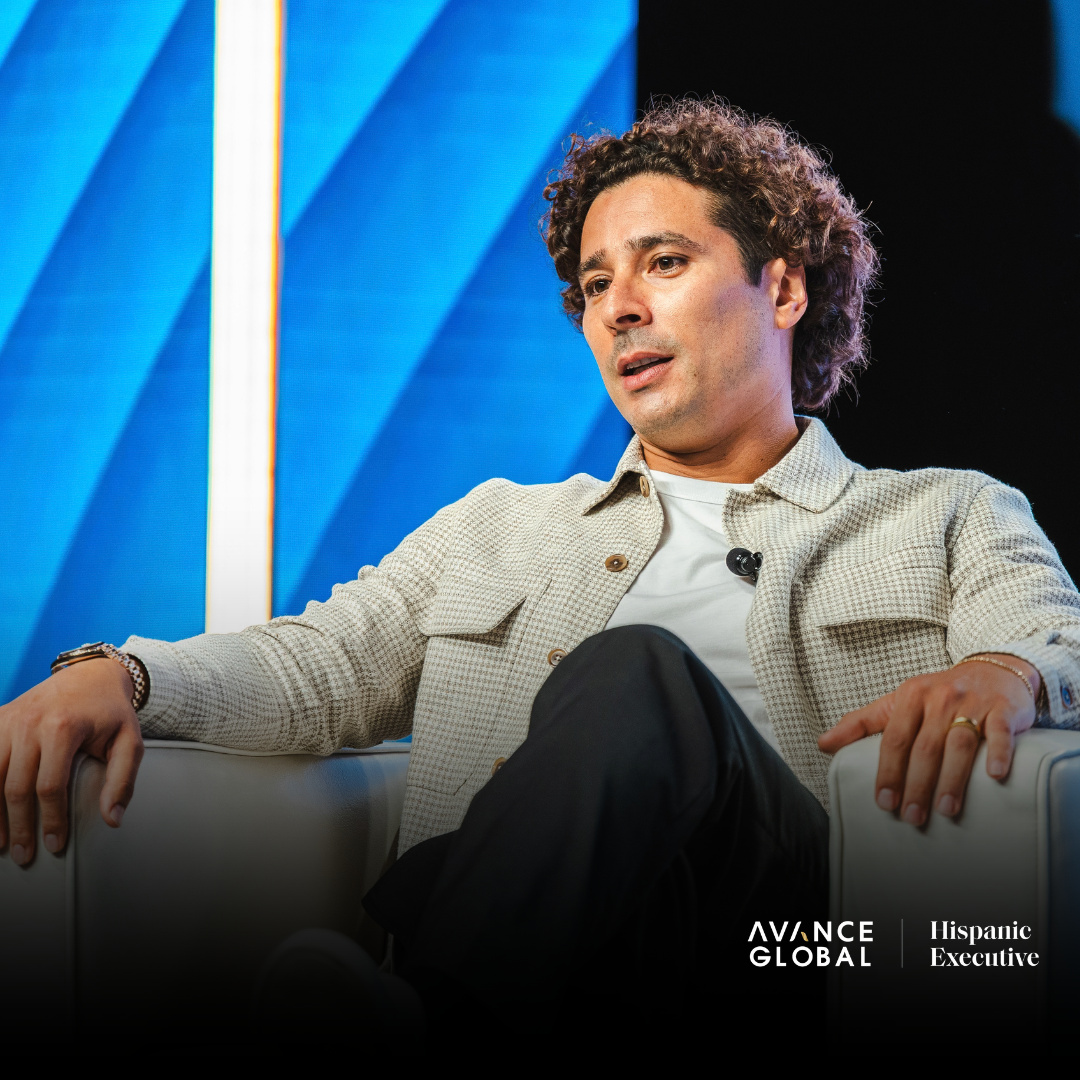
"It’s something I started building a while ago, preparing for life after my career and looking for different types of investments," he explained.
Among these ventures is One Sport, a project that initiates its mission on the athletic field but aims to extend its impact far beyond the boundaries of professional competition. Through this initiative, Ochoa is turning his attention to a demographic that often slips through the cracks of the traditional sports pipeline: youth who harbor immense passion for the game but lack access to formal development structures.
"So much attention goes to professional soccer, but underneath it there is a huge community of kids who play and sometimes don’t have the opportunity to be seen," Ochoa observed. "They don’t have a clear path if they want to become professionals someday."
Redefining Success Beyond Professional Contracts
In the hyper-competitive world of elite sports, success is usually measured in trophies, clean sheets, and professional contracts. But as Ochoa transitions into mentorship and community building, his definition of what constitutes a successful outcome has evolved dramatically. He recognizes that the vast majority of young players dreaming of glory will ultimately pursue paths outside of professional athletics.
For Ochoa, the true value of programs like One Sport lies in structural guidance and youth development rather than purely churning out professional athletes.
"Everyone wants to go pro. Not everyone will," Ochoa reflected. "Но if you help a kid who might otherwise be out on the street […] or help them get on a path toward a serious job, well, that’s already a success story."
This pragmatic yet deeply compassionate outlook highlights a maturity that transcends sports. By focusing on discipline, teamwork, and alternative educational or vocational pathways, Ochoa’s entrepreneurial and philanthropic efforts aim to use the universal language of sports as a tool for broader societal uplift.
The Pursuit of Legacy
Records in professional sports are inherently transient. Someday, another exceptional Mexican goalkeeper will emerge to surpass milestones, perhaps playing not in six World Cups, but seven, or conquering the most demanding clubs in European football. Numbers, statistics, and tournament appearances are ultimately destined to be broken or surpassed by the relentless march of time.
Knowing this, Ochoa’s focus today rests firmly on something far more enduring: legacy.
Reflecting on his journey from a young forward at Club América to a global icon of Mexican football, his aspirations have crystallized around the lasting imprint he leaves on people rather than the record books.
"The same thing I did as a player: leave a legacy," Ochoa concluded. "Now, as a person, I want to leave a legacy through sports, something that, someday, people can remember me for: as someone who helped through sports, who tried to improve society and the community—or at least tried to."